
Are you wondering why your Bermuda grass suddenly looks brown and lifeless? You’re not alone.
Understanding when Bermuda grass goes dormant can save you time, effort, and frustration in maintaining a healthy lawn. Knowing this key detail helps you care for your grass the right way, so it bounces back strong when the growing season returns.
Keep reading to discover exactly when and why your Bermuda grass takes a break—and what you can do to keep your yard looking its best all year long.

Credit: thebermudabible.com
Bermuda Grass Growth Cycle
Bermuda grass follows a clear growth cycle tied to the seasons. This cycle affects how the grass looks and behaves throughout the year. Understanding this cycle helps in proper lawn care and maintenance. It also explains why Bermuda grass goes dormant at certain times.
Warm Season Growth Patterns
Bermuda grass grows best in warm weather. It starts growing rapidly in spring as temperatures rise. The grass stays green and thick during summer. It uses a lot of sunlight and heat to grow strong. Growth slows down when temperatures drop in fall. The grass prepares to enter dormancy as cold approaches.
Signs Of Dormancy
Bermuda grass turns brown or straw-colored when dormant. Growth stops or slows significantly during this time. The grass looks dry and lifeless but is still alive. Dormancy helps Bermuda grass survive cold or dry conditions. It will green up again when warm weather returns.
Credit: www.reddit.com
Factors Influencing Dormancy
Bermuda grass turns dormant as a natural response to changes in its environment. Several key factors influence when this process begins. Understanding these factors helps maintain a healthy lawn and prepare for seasonal changes.
Temperature Effects
Temperature is the main trigger for Bermuda grass dormancy. As temperatures drop below 50°F (10°C), growth slows. Prolonged cold causes the grass to enter dormancy to protect itself. Warm days followed by cold nights can confuse the grass. Consistently low temperatures signal the grass to stop growing and rest.
Daylight Duration
Shorter daylight hours also affect dormancy. Bermuda grass needs at least 12 hours of sunlight daily to stay active. When daylight decreases in fall and winter, the grass senses less energy. This reduction in sunlight signals the grass to slow growth. Less daylight means the grass prepares for colder months.
Soil Conditions
Soil health impacts how Bermuda grass handles dormancy. Dry or compacted soil stresses the grass, making dormancy start earlier. Well-drained soil keeps roots healthy longer. Moist soil helps the grass resist drought stress. Proper soil conditions delay dormancy and support recovery in spring.
Timing Of Dormancy
Bermuda grass changes its growth cycle throughout the year. The timing of dormancy depends on weather and location. Understanding when Bermuda grass goes dormant helps in lawn care and maintenance. Knowing this timing can prevent damage and support healthy regrowth in spring.
Dormancy is a natural pause in growth during cold or dry periods. During this time, Bermuda grass turns brown and stops growing. The grass stays alive but conserves energy until conditions improve.
Regional Differences
The timing of Bermuda grass dormancy varies by region. In warmer southern areas, dormancy starts later and ends earlier. Northern regions experience earlier dormancy because of colder temperatures. Coastal areas may see shorter dormant periods due to milder winters. Each region’s climate shapes the grass’s growth cycle uniquely.
Typical Dormant Periods
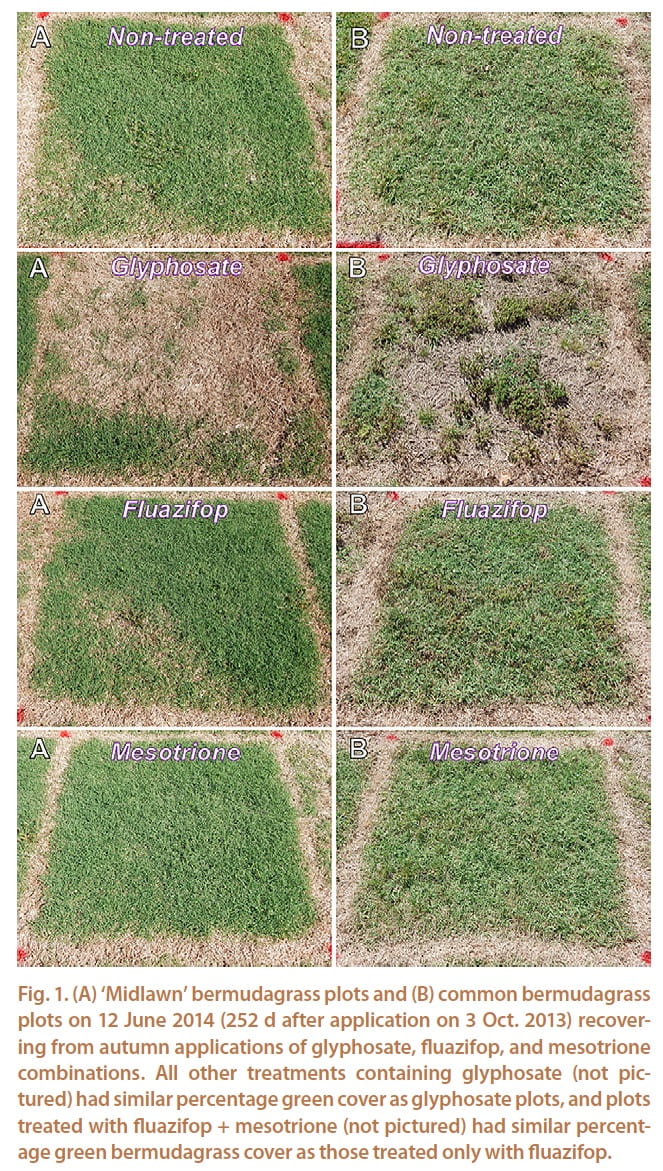
Typically, Bermuda grass goes dormant in late fall. This usually happens when temperatures drop below 50°F (10°C). Dormancy lasts through winter months. The grass begins to green up again in early spring as temperatures rise. The dormant period can range from 3 to 5 months. This depends on local weather and seasonal changes.
Credit: blogs.k-state.edu
Preparing Lawn For Dormancy
Preparing your Bermuda grass lawn for dormancy helps keep it healthy through the cold months. It slows growth and conserves energy. Proper care before dormancy can reduce damage and improve recovery in spring. Follow these simple steps to get your lawn ready.
Final Mowing Tips
Cut your Bermuda grass slightly shorter than usual. This reduces disease risk during dormancy. Avoid cutting it too short to prevent stress. Aim for about 1 to 1.5 inches in height. Use a sharp mower blade for a clean cut. Remove grass clippings to prevent mold growth.
Irrigation Adjustments
Gradually reduce watering as temperatures drop. Bermuda grass needs less water in cooler weather. Water deeply but less often to encourage strong roots. Stop watering when the grass goes fully dormant. Overwatering can cause root rot and other problems.
Fertilization Strategies
Apply a low-nitrogen fertilizer before dormancy starts. This helps build root strength without promoting top growth. Choose a fertilizer high in potassium and phosphorus. These nutrients support winter hardiness. Avoid fertilizing too late, or growth may continue into cold months.
Care During Dormancy
Bermuda grass goes dormant in colder months. This means it stops growing and turns brown. During dormancy, the grass needs special care. Proper care keeps the lawn healthy and ready for spring growth. Neglect can harm the grass and make recovery slow.
Watering Needs
Bermuda grass needs less water during dormancy. The roots still need moisture to stay alive. Water deeply but less often. Avoid watering daily to prevent root rot. Check the soil; water only when it feels dry. Proper watering keeps the grass healthy without wasting water.
Weed Control
Weeds can grow even when Bermuda grass is dormant. They compete for nutrients and water. Remove weeds by hand or use a safe herbicide. Treat weeds early to stop spread. Keep the lawn clean to reduce weed growth. A weed-free lawn will green up faster in spring.
Preventing Disease
Dormant Bermuda grass can still get diseases. Avoid excess moisture to prevent fungal growth. Do not overwater or let water sit on grass. Remove dead leaves and debris to improve air flow. Healthy grass resists disease better and recovers quickly.
Reviving Bermuda Grass Post-dormancy
After Bermuda grass comes out of dormancy, it needs care to thrive again. The grass may look brown and thin, but it is ready to grow with proper attention. Reviving Bermuda grass means preparing the lawn, checking soil health, and sometimes adding new grass seeds. This helps the lawn become green and healthy quickly.
Spring Lawn Preparation
Start by removing dead grass and leaves. This clears space for new growth. Mow the lawn to a medium height to encourage fresh shoots. Water the lawn deeply but less often. This trains roots to grow strong and deep. Apply a balanced fertilizer with nitrogen to boost growth. Be careful not to over-fertilize, as it can harm the grass.
Overseeding Options
Overseeding helps fill bare spots and thickens the lawn. Choose grass seed that matches Bermuda grass. Spread the seed evenly over thin areas. Lightly rake the soil to cover the seeds. Keep the soil moist until seeds sprout. This may take 10 to 21 days. Overseeding improves the lawn’s look and health.
Soil Aeration Benefits
Aeration makes holes in the soil to let air, water, and nutrients reach roots. It reduces soil compaction from foot traffic and weather. Aerated soil helps grass roots grow deeper and stronger. Aeration also improves fertilizer absorption. Perform aeration in early spring for best results. This step supports a lush, green Bermuda lawn.
Frequently Asked Questions
When Does Bermuda Grass Typically Go Dormant?
Bermuda grass usually goes dormant in late fall when temperatures drop below 50°F. It turns brown and stops growing. Dormancy helps the grass survive cold winter months and conserves energy until warmer spring temperatures return.
How Long Does Bermuda Grass Dormancy Last?
Bermuda grass dormancy lasts throughout the winter, typically 3 to 5 months. It stays inactive until soil temperatures consistently rise above 60°F. Proper care before and after dormancy ensures healthy growth when the grass awakens in spring.
Can Bermuda Grass Survive Winter Dormancy?
Yes, Bermuda grass survives winter dormancy well. It enters a state of rest to protect itself from freezing temperatures. Dormancy is a natural process that allows the grass to conserve nutrients and regrow vigorously in warmer seasons.
How To Care For Bermuda Grass During Dormancy?
During dormancy, reduce watering and avoid fertilizing Bermuda grass. Mowing is unnecessary as growth stops. Keep foot traffic minimal to prevent damage. Proper fall lawn care promotes a healthy lawn when the grass resumes growth in spring.
Conclusion
Bermuda grass goes dormant when temperatures drop below 50°F. It stops growing and turns brown to save energy. This usually happens in late fall or early winter. Dormancy helps the grass survive cold weather until spring returns. Knowing this helps you care for your lawn better.
Water less and avoid heavy mowing during dormancy. Patience pays off—your grass will green up again when warm weather comes back. Understanding these signs keeps your lawn healthy year-round. Simple steps make a big difference for Bermuda grass care.
