

Are you eager to see your Zoysia grass come back to life after a long winter? Knowing exactly when Zoysia grass comes out of dormancy can make all the difference in how you care for your lawn.
If you want a lush, green yard that stands out, understanding this timing is key. Keep reading to discover the signs your grass is waking up and how you can help it thrive as soon as it starts growing again.
Your best lawn ever could be just around the corner!

Credit: sodsolutions.com
Dormancy In Zoysia Grass
Zoysia grass is a popular warm-season lawn grass known for its thick and lush appearance. It goes through a natural phase called dormancy each year. During dormancy, the grass stops growing and turns brown. This helps the grass survive cold and dry conditions. Understanding dormancy in Zoysia grass helps you care for your lawn better and know when it will green up again.
What Triggers Dormancy
Cold temperatures cause Zoysia grass to enter dormancy. When the air gets too cold, the grass stops growing. Shorter daylight hours also signal the grass to rest. Lack of water can make dormancy start sooner. These triggers protect the grass from damage during winter. Dormancy helps the grass save energy until conditions improve.
Signs Of Dormancy
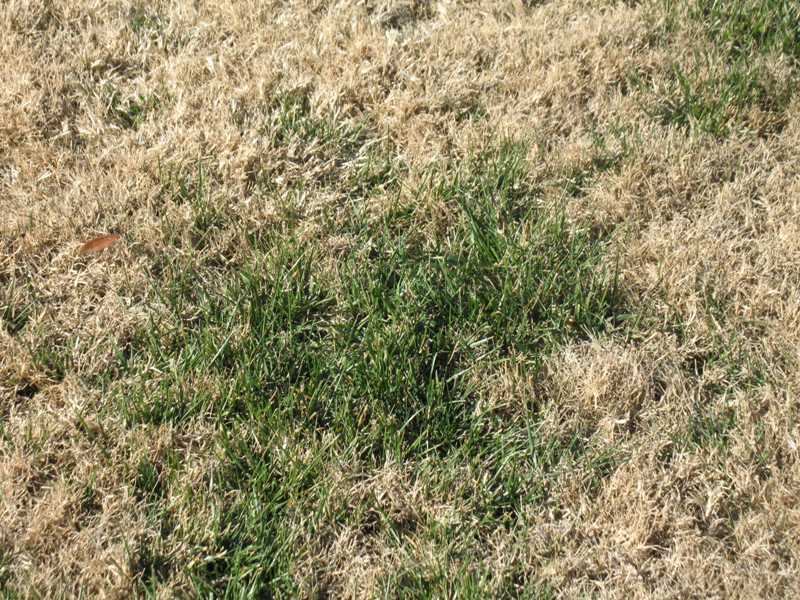
The most clear sign is the grass turning brown or tan. The blades may feel dry and brittle. Growth slows down or stops completely. You will see fewer green shoots in the lawn. The grass may look thin or patchy. These signs show the grass is in a resting state. It will green up again once warm weather returns.

Credit: www.zoysiaplug.com
Timing For Dormancy Break
Zoysia grass enters dormancy in cooler months. It rests and turns brown. Timing for dormancy break is important for lawn care. Knowing when it wakes helps plan watering and mowing. Grass comes out of dormancy as temperatures rise. This section covers key signs for dormancy break.
Ideal Temperature Range
Zoysia grass begins growing again when soil warms. Ideal temperatures are between 55°F and 65°F. Daytime air temperatures near 70°F also help. Grass senses warmth and starts green growth. Sudden cold spells can delay this process. Watch local weather to catch the warming trend.
Soil Conditions To Watch
Soil moisture affects dormancy break timing. Dry soil slows grass growth. Moist, well-drained soil encourages early green-up. Soil temperature matters more than air temperature. Use a soil thermometer for accuracy. Soil above 55°F signals the grass to wake. Check soil regularly in early spring.
Regional Variations
Zoysia grass does not come out of dormancy at the same time everywhere. The timing changes based on where you live. Different regions have different climates and weather patterns. These differences affect how soon the grass wakes up from its winter rest.
Understanding these regional variations helps you care for your lawn better. It also prevents mistakes like watering too early or mowing too soon. Let’s explore how northern and southern climates differ and how small local areas impact dormancy.
Northern Vs Southern Climates
In northern areas, winters are colder and longer. Zoysia grass stays dormant until temperatures rise consistently above 50°F. This usually means the grass wakes up later in spring. The soil also needs to warm up before growth starts.
Southern climates have milder winters. The grass can come out of dormancy earlier, sometimes as early as late winter. The warmer soil and air encourage faster growth. Southern lawns may green up weeks before northern ones.
Impact Of Microclimates
Microclimates are small areas with unique weather conditions. A shaded spot may stay cooler longer, delaying grass growth. Sunny areas warm up faster and help grass green sooner.
Other factors like wind, elevation, and nearby buildings create microclimates. These small differences affect when Zoysia grass leaves dormancy. Knowing your lawn’s microclimate helps you plan care more precisely.
Preparing Zoysia Grass For Growth
Preparing Zoysia grass for growth starts with clear steps to help it wake from dormancy. This grass needs a clean, healthy base to grow strong and green. Early care sets the stage for lush lawns all season long.
Raking And Thatching
Remove dead leaves and debris by raking gently. This clears the surface and lets sunlight reach the grass. Thatch is a layer of dead grass that can block water and nutrients. Use a dethatcher if the thatch is thick. Keep the soil clean to help new shoots grow easily.
Fertilizing Strategies
Feed Zoysia grass with a balanced fertilizer in early spring. Use one with nitrogen to boost green growth. Avoid too much fertilizer at once to prevent damage. Spread evenly to cover the whole lawn. Water lightly after fertilizing to help nutrients soak in.
Common Mistakes To Avoid
Knowing when Zoysia grass comes out of dormancy is key for lawn care. Avoiding common mistakes helps your grass grow strong and healthy. Mistakes can slow growth or damage the lawn. Pay attention to water and mowing habits early in spring.
Overwatering Early Growth
Watering too much can harm Zoysia grass. The soil needs to dry slightly between watering. Too much water can cause root rot and fungus. Early growth is delicate and needs balanced moisture. Check soil moisture before watering again.
Premature Mowing Risks
Mowing Zoysia grass too soon can stress the lawn. Wait until grass blades are about 2 inches tall. Cutting too short weakens the roots and slows growth. Use a sharp mower blade to avoid tearing grass. Let the lawn grow evenly before the first mow.
Credit: www.missouribotanicalgarden.org
Expert Tips For Monitoring Growth
Monitoring zoysia grass as it wakes from dormancy helps you care for your lawn better. Knowing when growth starts can guide your mowing and watering schedule. Simple tools and careful watching make this task easy for anyone.
Visual Cues To Track
Look for small green shoots pushing through the soil. These shoots show the grass is starting to grow again. The color changes from brown to light green. Watch the grass blade tips for fresh growth. New blades are softer and brighter than older ones.
Using Soil Thermometers
Soil temperature affects zoysia grass growth. Use a soil thermometer to check the ground. Growth often starts when soil reaches 55°F (13°C) consistently. Insert the thermometer 2 inches deep for an accurate read. Check the temperature early in the morning for best results.
Frequently Asked Questions
When Does Zoysia Grass Typically Come Out Of Dormancy?
Zoysia grass usually comes out of dormancy in early spring. This occurs when soil temperatures consistently reach 55°F or higher, signaling the grass to start growing again.
How Can I Tell If Zoysia Grass Is Exiting Dormancy?
Look for green shoots emerging from the soil and the gradual loss of brown color. These signs indicate Zoysia grass is waking up and beginning active growth.
What Factors Influence Zoysia Grass Dormancy Period?
Temperature, daylight length, and soil moisture mainly affect dormancy. Cooler temperatures and shorter days keep it dormant, while warmth and longer days encourage growth.
How Long Does Zoysia Grass Dormancy Usually Last?
Dormancy typically lasts from late fall to early spring. The exact length depends on local climate, especially how long cold temperatures persist during winter.
Conclusion
Zoysia grass wakes from dormancy as temperatures rise. You will notice green shoots starting to grow. This usually happens in early spring. Proper care helps grass come back strong and healthy. Water your lawn regularly and avoid heavy foot traffic.
Fertilizing at the right time supports growth. Watch your lawn closely to catch any issues early. Healthy Zoysia grass creates a lush, green yard. Remember, patience is key during this transition. Your lawn will soon thrive with simple, steady care.
