

Have you ever noticed your lush, green Zoysia grass suddenly turning brown and wondered what’s happening? Understanding when Zoysia grass goes dormant is key to keeping your lawn healthy and beautiful year-round.
If you want to know why your grass changes, how to care for it during dormancy, and what to expect next, you’re in the right place. Keep reading to discover everything you need to keep your lawn thriving, no matter the season.

Credit: www.reddit.com
Zoysia Grass Growth Cycle
Zoysia grass has a unique growth cycle that affects its appearance and care needs. Understanding this cycle helps maintain a healthy lawn throughout the year. The grass grows actively in warm months and slows down as temperatures drop. This natural rhythm is vital for its survival and beauty. Knowing when Zoysia grass grows or goes dormant helps with watering, mowing, and fertilizing.
Active Growth Periods
Zoysia grass grows fastest in late spring and summer. Warm soil and air temperatures boost its growth. During this time, the grass is green and thick. It needs regular watering and mowing to stay healthy. The grass spreads through stolons and rhizomes, filling bare spots quickly. Fertilizer helps promote lush growth in these months.
Dormancy Triggers
Cooler temperatures signal Zoysia grass to slow growth. When temperatures fall below 50°F, the grass starts to go dormant. Shorter daylight hours also trigger dormancy. The grass turns brown and stops growing to survive winter. Dormancy protects Zoysia from cold damage and reduces water needs. It will green up again once warm weather returns.
Seasonal Changes Affecting Zoysia
Zoysia grass changes with the seasons. These changes affect its color, growth, and health. Understanding these shifts helps you care for your lawn better. Each season brings different needs and behaviors for Zoysia grass.
Spring And Summer Behavior
In spring, Zoysia grass wakes from dormancy. It starts growing quickly as temperatures rise. The grass turns green and thick. Summer is its peak growth time. It handles heat well but needs water. Mowing regularly keeps it healthy and neat.
Fall Transition
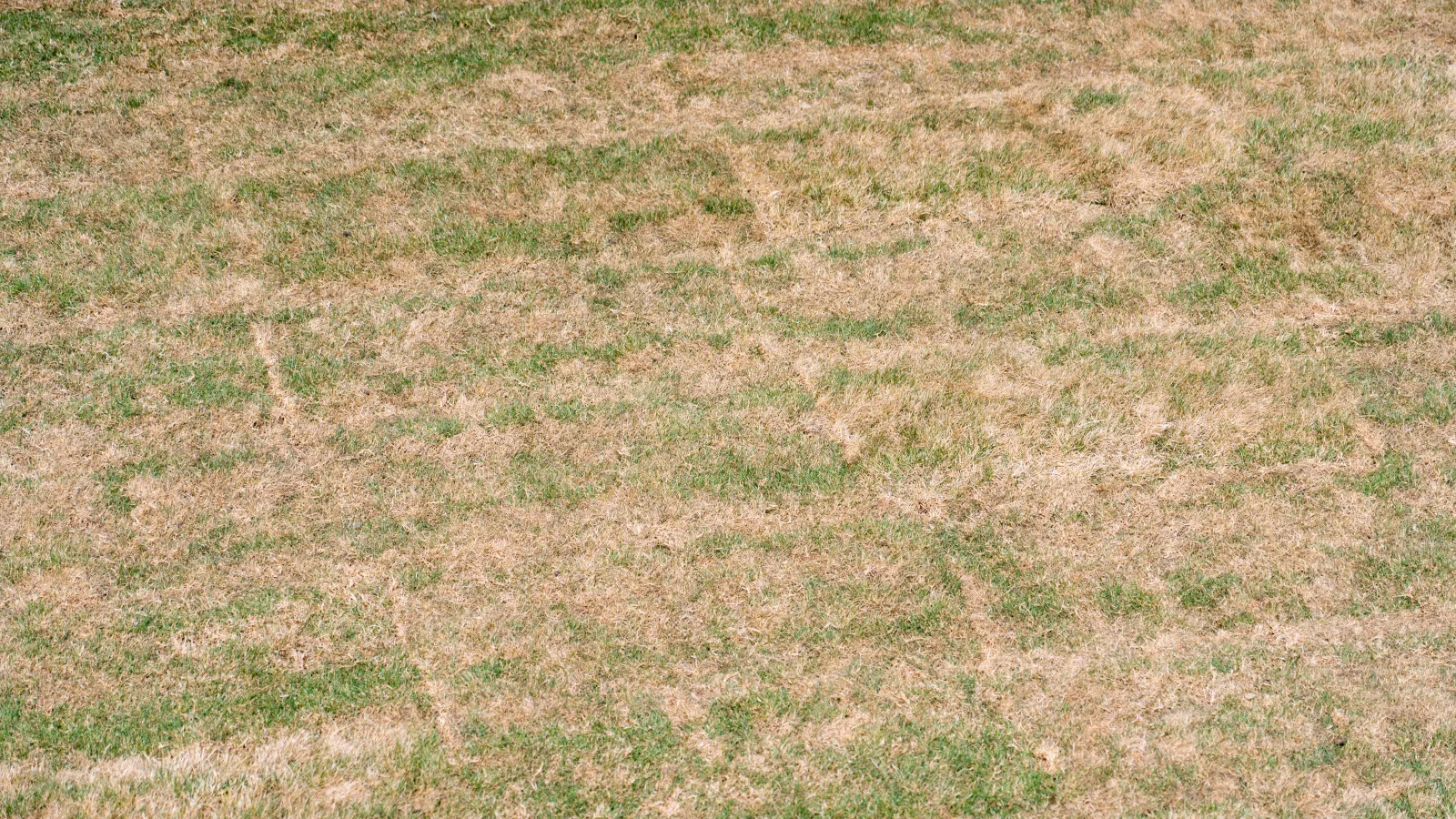
Fall slows Zoysia’s growth down. Cooler temperatures make the grass prepare for dormancy. Leaves may change color from green to brown. Growth becomes patchy and slower. Less water and mowing are needed in this time. The grass stores energy for winter.
Winter Dormancy
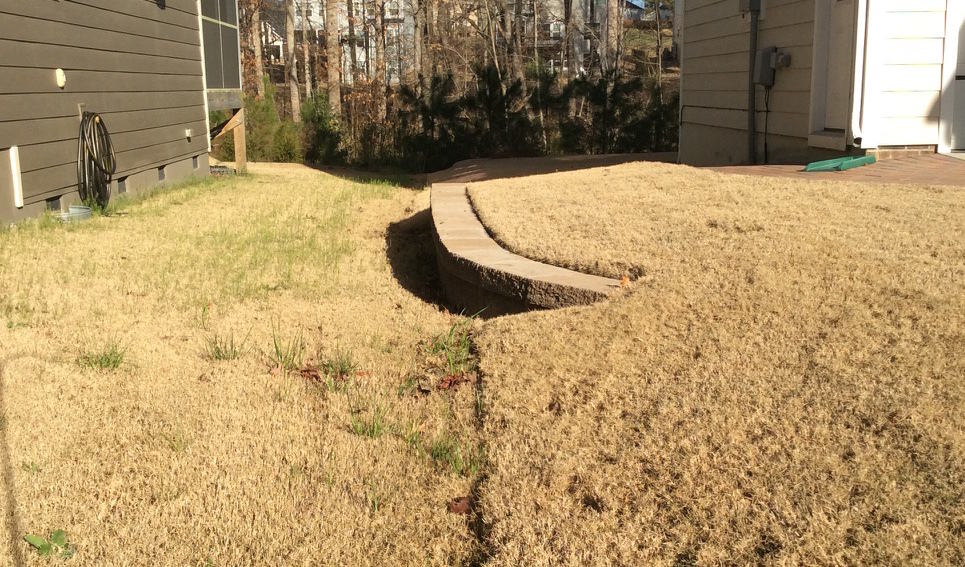
Zoysia goes fully dormant in winter. It stops growing and turns brown. This state protects it from cold weather damage. The grass looks dry but is still alive. No mowing or fertilizing is necessary now. Dormancy lasts until warmer spring days return.
Climate Impact On Dormancy
Zoysia grass goes dormant as the climate changes. The drop in temperature triggers this natural rest phase. Understanding how climate affects dormancy helps in lawn care planning. Different regions and temperature levels play key roles in dormancy timing.
Temperature Thresholds
Zoysia grass starts to go dormant when temperatures fall below 50°F (10°C). Cooler nights and shorter days signal the grass to slow growth. When daytime temperatures stay under 70°F (21°C), dormancy progresses faster. Prolonged cold causes the grass to turn brown and rest. Warmer weather delays dormancy and keeps the grass green longer.
Regional Variations
In southern states, Zoysia grass stays green longer due to mild winters. Northern regions face earlier dormancy because of colder temperatures. Coastal areas often experience later dormancy thanks to ocean warmth. Mountain locations see dormancy start sooner with rapid temperature drops. Local climate impacts how and when Zoysia grass rests each year.
Signs Of Dormancy In Zoysia
Zoysia grass shows clear signs when it enters dormancy. Recognizing these signs helps in proper lawn care. Dormancy usually happens in colder months. The grass slows down and changes in appearance. These changes tell you the grass is resting, not dying.
Watch for specific signs like color shifts and slower growth. These clues help you know when the grass needs less water and care. Knowing dormancy signs keeps your lawn healthy through the seasons.
Color Changes
Zoysia grass changes color as it goes dormant. It turns from green to brown or tan. This color change is natural and temporary. The grass stops producing chlorophyll, the green pigment. The brown color shows the grass is saving energy for spring.
Do not worry if the green fades. The grass will green up again after dormancy ends. This color change signals the grass is in rest mode.
Growth Slowdown
Growth slows down during dormancy. You will notice fewer new shoots or blades. The grass stops spreading and thickening. This slowdown helps the grass conserve water and nutrients. It also protects roots from cold damage.
Less mowing is needed as growth decreases. This rest period prepares the grass for healthy growth in warmer months.
Caring For Zoysia During Dormancy
Zoysia grass goes dormant in colder months. During this time, it stops growing and turns brown. Proper care helps your lawn stay healthy. You can prepare it for the next growing season. Caring for Zoysia during dormancy means adjusting watering, mowing, and fertilizing habits. These changes keep the grass strong and ready to green up again.
Watering Tips
Water Zoysia grass less during dormancy. Too much water can cause root problems. Water only if the soil feels dry. Aim for deep and infrequent watering. This helps roots stay healthy without encouraging growth. Avoid watering on cold or frosty days.
Mowing Recommendations
Stop mowing once Zoysia turns brown. Dormant grass does not need cutting. Mowing can damage the grass and slow recovery. If you must mow, raise the mower blade. Keep grass blades longer to protect roots and soil. Resume mowing when new green shoots appear.
Fertilization Guidelines
Do not fertilize while Zoysia is dormant. Fertilizer can stress the grass in cold weather. Wait until the grass starts to grow again. Use a balanced fertilizer in spring. This supports healthy green growth and strong roots. Avoid heavy fertilizing in late fall or winter.
Credit: www.zoysiaplug.com
Preparing Zoysia For Spring Revival
Preparing Zoysia grass for spring revival is key to a healthy lawn. Dormant Zoysia can come back strong with the right care. Starting early helps the grass wake up quickly and grow lush.
This preparation involves simple steps to clean, nourish, and protect the lawn. Follow these practices to give your Zoysia the best start.
Pre-dormancy Maintenance
Before Zoysia goes dormant, mow it shorter than usual. This reduces excess thatch and stops pests hiding. Remove leaves and debris to keep the lawn clean. Avoid heavy fertilizing late in the season. This helps the grass harden off for winter. Water the lawn well but reduce watering as temperatures drop. This prepares roots for the cold months ahead.
Early Spring Practices
Once temperatures rise, start raking the lawn gently. This removes dead grass and allows sunlight in. Apply a light fertilizer to feed the grass. Aerate the soil if it feels hard or compacted. This improves water and air movement to roots. Water the lawn deeply but less often to encourage strong roots. Avoid mowing until the grass shows clear growth signs.
Credit: turfmasterslawncare.com
Frequently Asked Questions
When Does Zoysia Grass Typically Go Dormant?
Zoysia grass usually goes dormant in late fall when temperatures drop below 50°F. It remains brown and inactive through winter until spring warmth returns.
How Long Does Zoysia Grass Dormancy Last?
Dormancy lasts from late fall until early spring, typically 3 to 4 months. The grass revives once soil temperatures rise above 55°F consistently.
What Causes Zoysia Grass To Go Dormant?
Cold temperatures and shorter daylight hours trigger Zoysia grass dormancy. This natural survival mechanism protects the grass during winter stress.
Can Zoysia Grass Survive Dormancy Without Damage?
Yes, Zoysia grass is hardy and survives dormancy well. Proper lawn care before dormancy improves its ability to bounce back in spring.
Conclusion
Zoysia grass goes dormant when temperatures drop in fall. It turns brown and stops growing to save energy. This rest period helps the grass survive cold winter months. Knowing when dormancy starts helps you care for your lawn better. Water less and avoid heavy fertilizing during this time.
Dormancy ends as spring warms up, and the grass turns green again. Watch your lawn closely to keep it healthy year-round. Simple care helps Zoysia grass stay strong through every season.
