
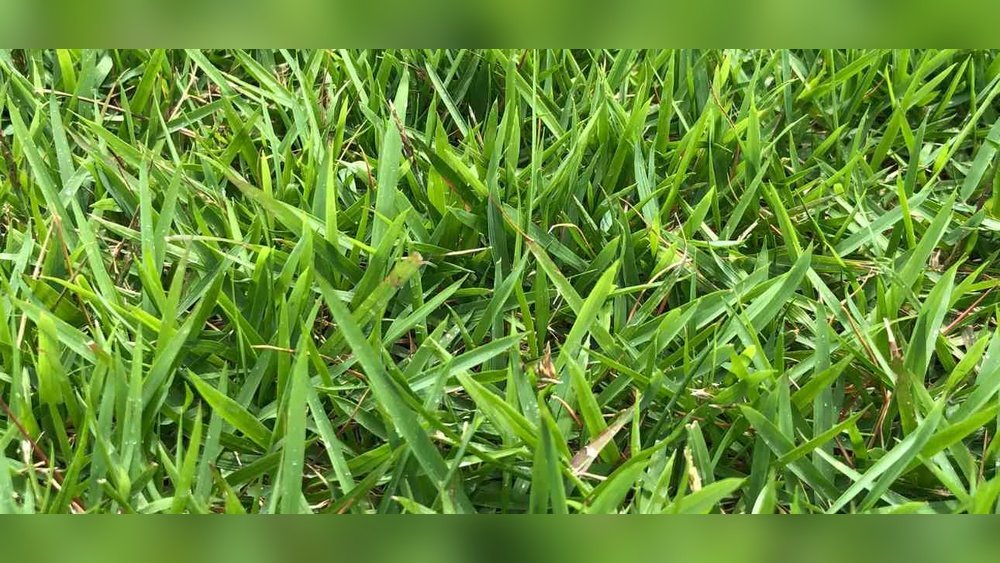
Have you noticed your lush Zoysia grass turning brown and wondered why it’s losing its vibrant green color? You’re not alone.
Many homeowners feel concerned when their beautiful lawn suddenly looks dull and dry. Understanding when and why Zoysia grass changes color can help you keep your yard healthy and attractive all year round. You’ll discover the key reasons behind this color shift and learn simple steps to bring your lawn back to life.
Keep reading to find out exactly what’s happening beneath the surface of your grass and how you can fix it fast.
Zoysia Grass Growth Cycle
Zoysia grass has a unique growth cycle that affects its color and health. Understanding this cycle helps explain why it changes color throughout the year. This grass grows actively in warm months and slows down when temperatures drop. Its color shifts naturally with each phase of growth. Knowing these changes helps maintain a healthy lawn all year.
Seasonal Color Changes
In spring and summer, Zoysia grass is green and lush. It grows fast and looks healthy. Warm weather helps it stay vibrant. During fall, the grass begins to lose its bright green color. It turns a duller shade as growth slows down. By late fall, the green fades more, showing a brownish tint. This change is normal as the grass prepares for cooler weather.
Dormancy Periods
Zoysia grass enters dormancy in late fall and winter. During this time, it stops growing and turns brown. Dormancy is a natural rest phase for the grass. The brown color does not mean the grass is dead. It saves energy until warm weather returns. Once spring arrives, Zoysia grass wakes up and turns green again.
Common Causes Of Browning
Zoysia grass is popular for its lush green look and durability. Yet, it can turn brown, worrying many homeowners. Understanding the common causes of browning helps keep your lawn healthy. Several factors affect the color and health of Zoysia grass. Below are the main reasons why your grass may lose its vibrant green shade.
Environmental Stress
Extreme heat or cold can cause Zoysia grass to brown. The grass goes dormant in winter, turning brown naturally. Too much sun exposure may dry out the blades. Strong winds also dry the soil and grass quickly. These stresses reduce the grass’s ability to stay green.
Watering Issues
Both overwatering and underwatering can harm Zoysia grass. Overwatering leads to root rot and fungal diseases. Underwatering causes the grass to dry and brown. Proper watering means giving enough water without flooding. Regular, deep watering is best for healthy roots.
Soil Conditions
Poor soil quality affects grass color and growth. Compact soil limits root growth and water absorption. Low nutrient levels make grass weak and brown. Zoysia grass prefers well-drained soil with balanced nutrients. Testing soil helps identify problems early.
Pests And Diseases
Pests like grubs and insects damage grass roots and blades. Diseases such as brown patch and dollar spot cause discoloration. These issues weaken Zoysia grass and cause browning spots. Early detection and treatment protect your lawn from damage.
Watering Best Practices
Watering plays a key role in keeping Zoysia grass green and healthy. Too little water can cause the grass to turn brown and dry. Too much water can also harm the roots and lead to browning. Knowing how and when to water helps maintain a lush lawn throughout the seasons.
Optimal Watering Schedule
Zoysia grass needs about 1 inch of water each week. This amount includes rain and irrigation. Water deeply but less often. Deep watering encourages strong roots. Water early in the morning to reduce evaporation. Avoid watering at night to prevent disease. During hot months, increase watering frequency slightly.
Signs Of Overwatering And Underwatering
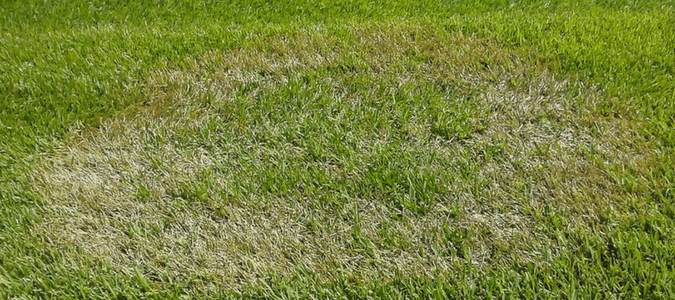
Brown patches may appear if the grass is underwatered. The soil feels dry and hard to touch. Grass blades look dull and brittle. Overwatered Zoysia shows yellowing leaves. The soil stays wet and soggy. Fungus or mold can grow on the surface. Adjust watering based on these signs to keep grass healthy.
Credit: blog.abchomeandcommercial.com
Soil And Fertilization Tips
Healthy zoysia grass depends a lot on good soil and proper fertilization. Both affect how green or brown your lawn looks. Understanding soil needs and applying the right fertilizer at the right time helps your grass stay green longer. Here are some tips to care for your zoysia through soil and fertilization.
Soil Testing And Amendments
Soil testing shows what your soil lacks or has too much of. It is the first step to fix soil problems. You can buy a simple test kit or send a sample to a lab. Test results tell you about pH and nutrient levels.
Zoysia prefers soil with a pH between 6.0 and 7.0. If soil is too acidic or too alkaline, grass may turn brown. Use lime to raise pH or sulfur to lower it. Adding organic matter like compost improves soil texture and drainage. Good soil keeps roots healthy and grass green.
Fertilizer Types And Timing
Use fertilizer with nitrogen for lush green growth. Nitrogen is the key nutrient for zoysia grass color. Choose slow-release fertilizers to avoid burning the grass. Apply fertilizer in spring and summer when grass grows fast.
Do not fertilize in late fall or winter. Grass slows down and may not absorb nutrients well. Over-fertilizing can cause thatch buildup and brown spots. Follow product instructions carefully to give your lawn the right amount.
Mowing And Maintenance
Mowing and maintenance play a big role in keeping Zoysia grass green and healthy. Proper care helps prevent the grass from turning brown. Regular mowing and good lawn habits keep the grass strong and looking fresh. Understanding how to mow and care for Zoysia grass can make a big difference in your lawn’s color and health.
Proper Mowing Height
Cutting Zoysia grass at the right height helps it stay green longer. Set your mower to 1 to 2 inches tall. Cutting too short stresses the grass and causes browning. Leave the grass a bit taller during hot or dry periods. Taller grass shades the soil and holds moisture better. This simple step keeps your lawn healthy and less brown.
Aeration Benefits
Aerating your lawn helps air, water, and nutrients reach the roots. This process reduces soil compaction, which can cause brown patches. Aeration also improves root growth and strengthens the grass. Do this once or twice a year for best results. Aeration keeps Zoysia grass green and prevents browning caused by poor soil health.
Managing Pests And Diseases
Pests and diseases can cause Zoysia grass to turn brown. They damage the grass blades and roots, making the lawn look unhealthy. Managing these problems early keeps your lawn green and strong. Knowing how to identify pests and treat diseases helps protect your grass.
Identifying Common Pests
Look for small insects like chinch bugs and grubs. These pests suck the juice from grass blades. They leave yellow or brown patches on the lawn. Watch for tiny holes or tunnels in the soil. These signs show pest activity under the grass. Early detection prevents serious damage.
Preventive Measures And Treatments
Keep your lawn clean and well-watered. Healthy grass resists pests and disease better. Use insecticides carefully when pests appear. Choose products safe for Zoysia grass. Applying treatments at the right time stops spread. Aerate soil to improve root health. Remove dead grass to reduce disease risk.
Reviving Brown Zoysia Grass
Brown Zoysia grass can be frustrating to see in your yard. It often signals stress or damage. Reviving this grass needs careful steps and patience. Knowing how to care for it helps bring back its lush green color. Act quickly to improve its health and prevent further browning.
Recovery Techniques
Start by watering your Zoysia deeply but less often. This encourages strong roots. Avoid overwatering, which can cause root rot. Mow the grass at the right height, about 1 to 2 inches. Remove dead grass and leaves to let sunlight reach new shoots. Fertilize with a balanced fertilizer in spring or early summer. Aerate the soil to improve air and water flow. Check for pests and diseases, and treat them early. Patience is key. Zoysia recovers slowly but steadily.
When To Reseed Or Sod
If large patches stay brown after several weeks, reseeding or sodding may be needed. Choose the right Zoysia variety for your climate. Prepare the soil by removing dead grass and loosening the ground. Seed or lay sod evenly and water it daily at first. Avoid heavy foot traffic on new grass. Give it time to grow and root well. Replace only the damaged areas to save money and effort. Knowing when to start fresh helps keep your lawn healthy.

Credit: www.youtube.com

Credit: www.zoysiaplug.com
Frequently Asked Questions
When Does Zoysia Grass Typically Turn Brown?
Zoysia grass usually turns brown in late fall or early winter. This happens as the grass goes dormant due to colder temperatures. Dormancy is a natural process to protect the grass during harsh weather. It will green up again in spring.
Why Does Zoysia Grass Turn Brown In Summer?
Zoysia grass may turn brown in summer due to drought stress or heat damage. Lack of water causes grass to dry out and brown. Proper watering and lawn care can prevent summer browning and keep Zoysia healthy.
How Long Does Zoysia Grass Stay Brown During Dormancy?
Zoysia grass typically remains brown for 3 to 4 months during winter dormancy. This period varies by climate and temperature. Once temperatures rise, the grass naturally greens up again.
Can Brown Zoysia Grass Recover Naturally?
Yes, brown Zoysia grass usually recovers naturally after dormancy ends. With adequate water, sunlight, and care, it will green up in spring. Avoid excessive fertilizing while grass is dormant to prevent damage.
Conclusion
Zoysia grass turns brown mainly during cold months. This is a natural response to cooler weather and shorter days. It will green up again when warm weather returns. Proper care helps keep your lawn healthy all year. Water, mow, and fertilize at the right times.
Patience is key; the brown phase does not mean your lawn is dead. Understanding these patterns helps you enjoy a greener yard sooner. Watch your lawn closely and adjust care as needed. Your Zoysia grass will bounce back with time and care.
