

If you want your Bermuda grass to stay green, healthy, and strong, knowing when to aerate is key. Aeration can make a huge difference in how well your lawn grows, but doing it at the wrong time might waste your effort.
You probably wonder: When exactly is the best time to aerate Bermuda grass to get the most out of it? This article will guide you step-by-step so you can choose the perfect moment to help your lawn thrive. Keep reading, and your Bermuda grass will thank you!
Credit: theturfgrassgroup.com
Benefits Of Aerating Bermuda Grass
Aerating Bermuda grass brings many benefits to your lawn. It helps the grass grow stronger and stay healthy. Aeration creates small holes in the soil. These holes allow air, water, and nutrients to reach the roots easily. This process fixes soil problems and supports grass growth.
Improved Soil Health
Aerating breaks up compacted soil. Compacted soil stops roots from growing deep. Aeration opens the soil and lets roots spread out. This makes the soil loose and soft. Healthy soil holds air and water better. It also supports tiny soil creatures. These creatures help break down organic matter. Good soil health means a stronger lawn.
Enhanced Nutrient Absorption
The holes made by aeration let fertilizers reach roots faster. Nutrients can move through the soil easily. This helps Bermuda grass absorb what it needs. Strong roots take up more nutrients. This leads to greener, thicker grass. Nutrient absorption is key for lawn growth and repair.
Better Water Penetration
Aeration allows water to soak deeper into the soil. Water stays near the roots longer. This reduces water runoff and evaporation. Deep watering helps grass survive dry times. It also prevents puddles on the surface. Better water penetration keeps your Bermuda grass healthy and hydrated.

Credit: sodsolutions.com
Signs Your Bermuda Grass Needs Aeration
Knowing when your Bermuda grass needs aeration helps keep your lawn healthy. Aeration improves air, water, and nutrients reaching the roots. It also reduces soil compaction and promotes strong grass growth. Watch for clear signs that show your lawn needs this care.
Compacted Soil Symptoms
Soil becomes hard and dense under frequent foot traffic or heavy equipment. Roots struggle to grow in tight soil. You may notice the ground feels firm and hard when you press it. Compacted soil stops water and air from reaching the roots properly.
Poor Grass Growth
Bermuda grass looks thin and patchy in spots. Grass blades become yellow or brown instead of green. New grass growth slows or stops altogether. These signs point to poor soil health under the surface.
Water Pooling Issues
Water stays on the surface after rain or watering. Puddles form and do not soak in quickly. This shows the soil cannot absorb water well. Poor drainage often means the soil is compacted and needs aeration.
Optimal Timing For Aeration
Aerating Bermuda grass improves its health and growth. Choosing the right time to aerate is key. Aeration helps soil breathe and roots grow stronger. Doing this at the wrong time can stress the grass. Knowing the best timing helps keep your lawn green and thick.
Seasonal Considerations
Bermuda grass grows best in warm seasons. Aerate during late spring or early summer. This is when grass is actively growing. Avoid aerating in fall or winter. Grass growth slows down then. Aerating in the growing season helps quick recovery.
Temperature And Moisture Factors
Soil should be warm and moist before aeration. Ideal soil temperature is between 65°F and 75°F. Aerate after a light rain or watering. Dry soil makes aeration hard and less effective. Wet soil can cause soil compaction and damage.
Avoiding Stress Periods
Do not aerate during extreme heat or drought. These conditions cause stress to Bermuda grass. Avoid aeration during dormancy in winter. Let the grass rest and store energy. Proper timing helps the grass heal quickly.

Credit: theturfgrassgroup.com
Types Of Aeration Methods
Aeration improves Bermuda grass health by allowing air, water, and nutrients to reach the roots. Different aeration methods work in various ways to relieve soil compaction. Choosing the right method depends on your lawn’s needs and soil type.
Core Aeration
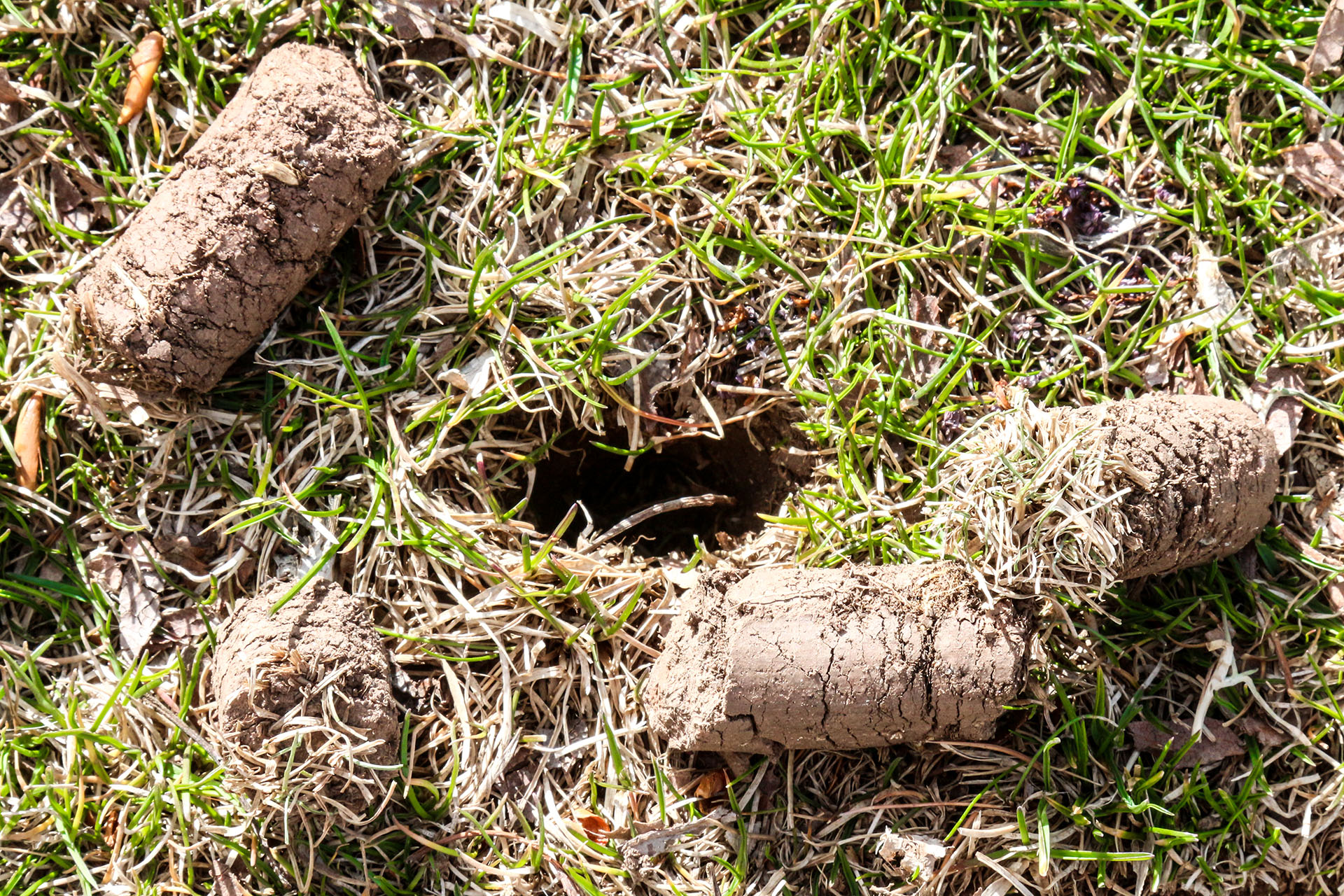
Core aeration removes small plugs of soil from the lawn. This creates holes that let air and water enter deep into the soil. It helps reduce soil compaction and promotes root growth. Core aeration is very effective for thick or compacted Bermuda grass.
Spike Aeration
Spike aeration uses spikes to poke holes in the soil without removing any plugs. This loosens the soil surface and improves water drainage. It is less invasive than core aeration but may not relieve deep compaction. Spike aeration works best for lightly compacted lawns.
Liquid Aeration
Liquid aeration uses a special solution to break down compacted soil. It improves soil structure without damaging grass. This method is easy to apply and can cover large areas quickly. Liquid aeration suits lawns with mild compaction or as a supplement to other methods.
Preparing Your Lawn For Aeration
Preparing your lawn for aeration helps improve soil health and grass growth. It ensures the aeration process works well and benefits your Bermuda grass. Taking a few simple steps before aeration makes the job easier and more effective.
These steps help clear the lawn and protect important features like irrigation systems. A well-prepared lawn gets better air, water, and nutrients after aeration.
Mowing And Watering Tips
Mow your Bermuda grass a day before aeration. Keep the grass height short, about 1 to 1.5 inches. Short grass allows the aerator to reach the soil easily. Water your lawn a day before aeration to soften the soil. Avoid watering on the aeration day to prevent clogging the machine.
Clearing Debris
Remove leaves, sticks, and other debris from the lawn. Debris can block the aerator and reduce its efficiency. Use a rake or blower to clear the surface well. A clean lawn helps the aerator create holes evenly.
Marking Irrigation Systems
Identify sprinkler heads and irrigation lines before aeration. Use small flags or markers to avoid damage during aeration. Damaging irrigation systems can be costly to fix. Marking ensures the aerator avoids these important parts safely.
Post-aeration Lawn Care
Taking care of your Bermuda grass after aeration is very important. Proper post-aeration care helps the lawn recover faster. It also improves grass growth and health. This section explains key steps to follow after aeration. Follow these tips to keep your lawn green and strong.
Watering Schedule
Water your lawn deeply right after aeration. This helps the soil settle and roots absorb moisture. For the first week, water lightly every day to keep soil moist. After that, water 2-3 times a week with more water each time. Avoid overwatering to prevent disease and root problems.
Fertilizing Recommendations
Apply fertilizer about one week after aeration. Use a fertilizer high in nitrogen for Bermuda grass. This supports quick recovery and green growth. Follow the instructions on the fertilizer package for the right amount. Avoid fertilizing immediately after aeration to prevent burning the grass.
Overseeding And Repair
After aeration, the lawn has open soil spots. This is a good time to overseed thin or bare areas. Spread Bermuda grass seed evenly over the lawn. Lightly rake to mix seeds with soil. Keep the seeded areas moist until grass grows strong. This helps fill in patches and creates a thick lawn.
Common Mistakes To Avoid
Aerating Bermuda grass is important for a healthy lawn. Many people make mistakes that reduce aeration benefits. Avoid these errors to help your lawn grow strong and green. Understanding common mistakes can save time and effort. Here are key mistakes to avoid when aerating Bermuda grass.
Aerating At The Wrong Time
Aerating Bermuda grass too early or too late harms the lawn. The best time is during active growth, usually late spring to early summer. Aerating during dormancy slows recovery and can stress the grass. Avoid aerating during drought or extreme heat. Timing impacts soil health and grass recovery.
Ignoring Soil Conditions
Checking soil moisture before aeration is crucial. Aerating dry or waterlogged soil damages soil structure. Wet soil compacts easily, reducing air flow. Dry soil makes aeration difficult and less effective. Test soil moisture and choose a day with moderate moisture for best results.
Over-aerating
Aerating too often can weaken Bermuda grass roots. Excessive holes disrupt root growth and soil balance. Aerate only once or twice per year to avoid damage. Over-aeration wastes time and may invite weeds. Follow recommended aeration schedules for a healthy lawn.
Tools And Equipment For Aeration
Aerating Bermuda grass helps roots get air, water, and nutrients. Using the right tools makes aeration easier and more effective. Choosing proper equipment depends on your lawn size and budget. Different options suit different needs and skills.
Rental Vs. Professional Services
Renting an aerator saves money for one-time use. You get to control when and how to aerate. Rental machines are usually manual or motorized. They work well for medium to large lawns.
Professional services save time and effort. Experts use commercial-grade machines for best results. They know how deep and often to aerate. Hiring pros suits busy people or large areas.
Choosing The Right Aerator
Core aerators remove plugs of soil and grass. They improve soil health and drainage. Spike aerators poke holes without removing soil. They are less effective but easier to use.
Manual aerators suit small lawns and tight spaces. Motorized aerators cover large lawns quickly. Look for machines with adjustable tine depth. Choose one that fits your lawn size and soil type.
Frequently Asked Questions
When Is The Best Season To Aerate Bermuda Grass?
The best season to aerate Bermuda grass is late spring to early summer. This timing promotes healthy growth and recovery. Aerating during this period helps relieve soil compaction and improves nutrient absorption for a lush lawn.
How Often Should Bermuda Grass Be Aerated Annually?
Bermuda grass should be aerated once or twice a year. Aerate in late spring and early fall for optimal lawn health. Regular aeration reduces soil compaction and enhances water and air flow to the roots.
Why Is Aeration Important For Bermuda Grass Health?
Aeration improves soil oxygen levels and root growth in Bermuda grass. It helps reduce soil compaction and promotes better nutrient and water absorption. Aeration leads to a thicker, greener lawn and increased resistance to drought and stress.
Can I Aerate Bermuda Grass In The Fall?
Yes, aerating Bermuda grass in early fall is beneficial. It helps the lawn recover from summer stress and prepares it for winter dormancy. Fall aeration also improves nutrient uptake and promotes stronger root development.
Conclusion
Aerating Bermuda grass helps keep your lawn healthy and green. The best time is during its active growing season, usually late spring to early summer. This timing lets the grass heal quickly after aeration. Avoid aerating when the grass is dormant or stressed.
Regular aeration improves water, air, and nutrient flow to roots. A well-aerated lawn stays strong against heat and drought. Remember, healthy grass means a beautiful yard. Simple care steps make a big difference. Aerate wisely for the best Bermuda grass growth.
