
Are you ready to transform your lawn into a lush, green paradise? Knowing the best time to seed Bermuda grass can make all the difference between a patchy yard and a thick, vibrant lawn that turns heads.
If you plant too early or too late, your grass might struggle to grow or even fail to take root. But don’t worry—this guide will help you discover exactly when to plant your Bermuda grass so you get the healthiest, most beautiful lawn possible.
Keep reading, and you’ll learn the secrets to timing your seeding perfectly for stunning results.

Credit: thegrassoutlet.com
Ideal Seasons For Seeding
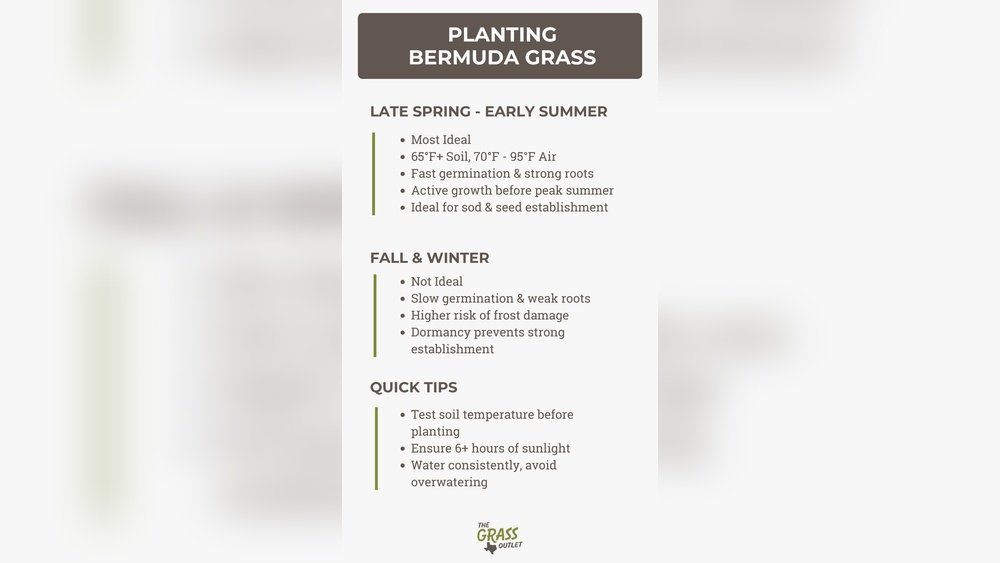
Choosing the right season for seeding Bermuda grass is key to a healthy lawn. The grass grows best when the soil is warm and moist. Planting seeds during ideal seasons helps the grass establish strong roots quickly. This reduces weed growth and improves the lawn’s color and texture.
Spring Seeding Benefits
Spring offers warm soil temperatures that help Bermuda grass seeds germinate fast. The days get longer, giving the grass more sunlight to grow. Spring rain provides natural moisture, which helps new seeds sprout. Seeding in spring gives the grass time to grow before the hot summer. This creates a lush, green lawn for the warmer months.
Fall Seeding Advantages
Fall has cooler air but warm soil, perfect for Bermuda grass roots. The soil holds moisture well, helping seeds stay hydrated. Fall seeding avoids the summer heat stress on young grass. The grass grows strong roots before winter, ready to grow fast in spring. Fall also reduces weed competition, letting the grass thrive.
Soil Preparation Tips
Preparing the soil is a key step before seeding Bermuda grass. Good soil helps seeds grow strong and healthy. It creates a perfect place for roots to spread. Careful soil preparation leads to a greener, thicker lawn.
Testing Soil Quality
Start by testing your soil’s quality. A soil test shows pH and nutrient levels. You can buy a test kit or send a sample to a lab. Knowing soil quality helps you fix problems early. Healthy soil means better seed growth and less grass stress.
Amending Soil For Growth
After testing, add needed nutrients and materials to the soil. Lime can balance pH if soil is too acidic. Compost or organic matter improves soil texture and water retention. Mix amendments well into the top 4 to 6 inches of soil. This prepares a soft, rich bed for Bermuda seeds to grow strong roots.
Choosing Quality Bermuda Grass Seed
Choosing quality Bermuda grass seed is important for a healthy lawn. Good seed grows faster and stronger. It also resists diseases and pests better. Spending time on seed selection saves effort later. Understanding seed types and buying certified seeds helps make the right choice.
Seed Types And Varieties
Bermuda grass seeds come in different types and varieties. Each type has unique features like color, texture, and growth rate. Common varieties include common Bermuda and hybrid Bermuda. Hybrid types grow denser and finer. Choose a variety that fits your climate and soil. Some varieties tolerate heat better. Others handle drought or shade well. Pick the seed that matches your lawn needs.
Buying Certified Seeds
Certified seeds guarantee quality and purity. They are tested for germination rates and weed seeds. Certified seeds produce a uniform lawn with fewer problems. These seeds meet strict standards set by agriculture departments. Avoid cheap seeds without certification. They may have low germination or unwanted plants. Buying certified seeds ensures a lush, green Bermuda grass lawn.
Seeding Techniques
Seeding Bermuda grass requires careful steps for strong growth. Using good seeding techniques helps the grass grow thick and healthy. Each step matters, from preparing the soil to watering after planting. Follow simple methods to get the best results for your lawn.
Preparing The Seedbed
Clear the area of debris and old grass. Loosen the soil with a rake or tiller. Make the soil smooth and level. This helps seeds make good contact with the soil. A well-prepared seedbed encourages quick germination and strong roots.
Proper Seed Distribution
Spread the Bermuda grass seeds evenly across the area. Use a hand spreader or broadcast by hand for small spaces. Avoid clumps of seeds to prevent patchy growth. Lightly rake the seeds into the soil for better coverage and protection.
Watering After Seeding
Water the newly seeded area gently but thoroughly. Keep the soil moist, not soaked, to help seeds sprout. Water two to three times daily in the first weeks. Gradually reduce watering as the grass grows stronger.
Climate And Weather Considerations
Choosing the right time to seed Bermuda grass depends a lot on climate and weather. These factors affect seed growth and lawn health. Understanding temperature and rainfall helps you plant at the best time. Good weather means strong grass roots and quick germination.
Temperature Requirements
Bermuda grass seeds need warm soil to sprout well. Ideal soil temperature is between 65°F and 75°F. Seeds may not grow if the soil is too cold. Planting during warm months helps seeds germinate faster. Night temperatures should stay above 50°F for best results. Cool weather can slow seed growth or kill young grass.
Rainfall Impact
Rainfall plays a key role in seed germination. Seeds need consistent moisture to start growing. Too little rain can dry out the soil and stop growth. Too much rain can wash away seeds or cause disease. Light, frequent watering mimics natural rainfall best. Check the weather forecast before seeding to avoid heavy rain or drought.

Credit: theturfgrassgroup.com
Common Seeding Mistakes To Avoid
Seeding Bermuda grass requires care and attention. Many gardeners make common mistakes that reduce seed growth. Knowing what to avoid helps create a healthy lawn fast. Here are two key seeding errors to watch out for.
Overseeding Errors
Overseeding means spreading too much seed at once. This can cause thick grass that fights for water and nutrients. Too many seeds create weak roots and patchy growth. Always follow the recommended seed rate for Bermuda grass. Spread seeds evenly to avoid clumps. Use a spreader for better control. Water gently after seeding to keep soil moist but not soaked.
Ignoring Soil Conditions
Soil quality is vital for grass seed to grow well. Planting seeds in hard or poor soil can stop growth. Test soil before seeding to check pH and nutrients. Bermuda grass prefers slightly acidic to neutral soil. Loosen soil with a rake or tiller before spreading seeds. Add compost or fertilizer to improve soil health. Proper soil helps seeds sprout and develop strong roots.
Post-seeding Lawn Care
After seeding Bermuda grass, proper care is key to a healthy lawn. The first few weeks need special attention. This helps the seeds grow strong roots and green blades.
Water the lawn gently but deeply. Keep the soil moist but not soggy. Avoid heavy foot traffic on the new grass. This gives seedlings space to grow without damage.
Fertilizing Tips
Start fertilizing about four to six weeks after seeding. Use a fertilizer with balanced nitrogen, phosphorus, and potassium. Nitrogen helps grass grow green and thick. Phosphorus supports root growth, especially in new seedlings. Potassium improves overall lawn health and stress resistance.
Apply fertilizer in small amounts to avoid burning young grass. Follow the instructions on the fertilizer package carefully. Spread fertilizer evenly with a spreader for best results.
Weed Control Strategies
Weeds compete with Bermuda grass for water and nutrients. Remove weeds by hand or with a hoe early on. Avoid using strong herbicides until the grass is well established. Herbicides can harm young Bermuda grass seedlings.
Use mulch or grass clippings to cover bare soil and reduce weed growth. Keep the lawn thick and healthy to naturally block weeds. Regular mowing helps keep weeds under control too.
Credit: theturfgrassgroup.com
Frequently Asked Questions
When Is The Best Time To Seed Bermuda Grass?
The best time to seed Bermuda grass is late spring to early summer. Soil temperatures should be between 65-70°F. This period ensures optimal germination and growth. Warmer temperatures promote faster establishment and reduce weed competition, leading to a healthier lawn.
How Long Does Bermuda Grass Take To Germinate?
Bermuda grass seeds typically germinate within 7 to 14 days. Warm soil and adequate moisture speed up this process. Cooler or dry conditions can delay germination. Consistent watering and proper soil preparation improve seed sprouting and lawn establishment.
Can I Seed Bermuda Grass In Fall?
Seeding Bermuda grass in fall is not ideal. Cooler temperatures slow germination and growth. The grass may not establish well before winter dormancy. For best results, seed during warmer months like late spring or early summer when soil is warm.
What Soil Conditions Are Ideal For Bermuda Grass Seeding?
Bermuda grass grows best in well-drained, fertile soil with a pH of 6. 0 to 7. 5. Loamy soil rich in organic matter supports healthy roots. Avoid heavy clay or poorly drained soil, as it can hinder seed germination and growth.
Conclusion
Plant Bermuda grass seeds in late spring or early summer. Warm soil helps seeds grow strong and fast. Avoid planting too early when the ground is cold. Keep the soil moist but not soaked. Sunlight is important for healthy growth.
Regular watering and care will give good results. Patience is key; grass takes time to fill in. Follow these simple tips for a green, healthy lawn. Your effort will pay off with a lush Bermuda grass yard.
