
Are you struggling to keep your Bermuda grass green and healthy? One simple change can make a big difference: watering at the right time.
Knowing when to water your Bermuda grass can save you money, prevent disease, and help your lawn grow thicker and stronger. You’ll discover the best times to water your grass for maximum results. Keep reading to learn how to make every drop count and transform your lawn into the lush, vibrant space you’ve always wanted.
Ideal Watering Times
Knowing the ideal watering times helps Bermuda grass grow strong and green. Watering at the right time saves water and keeps the grass healthy. Timing affects how much water the grass absorbs and how fast it dries.
Morning Vs Evening Watering
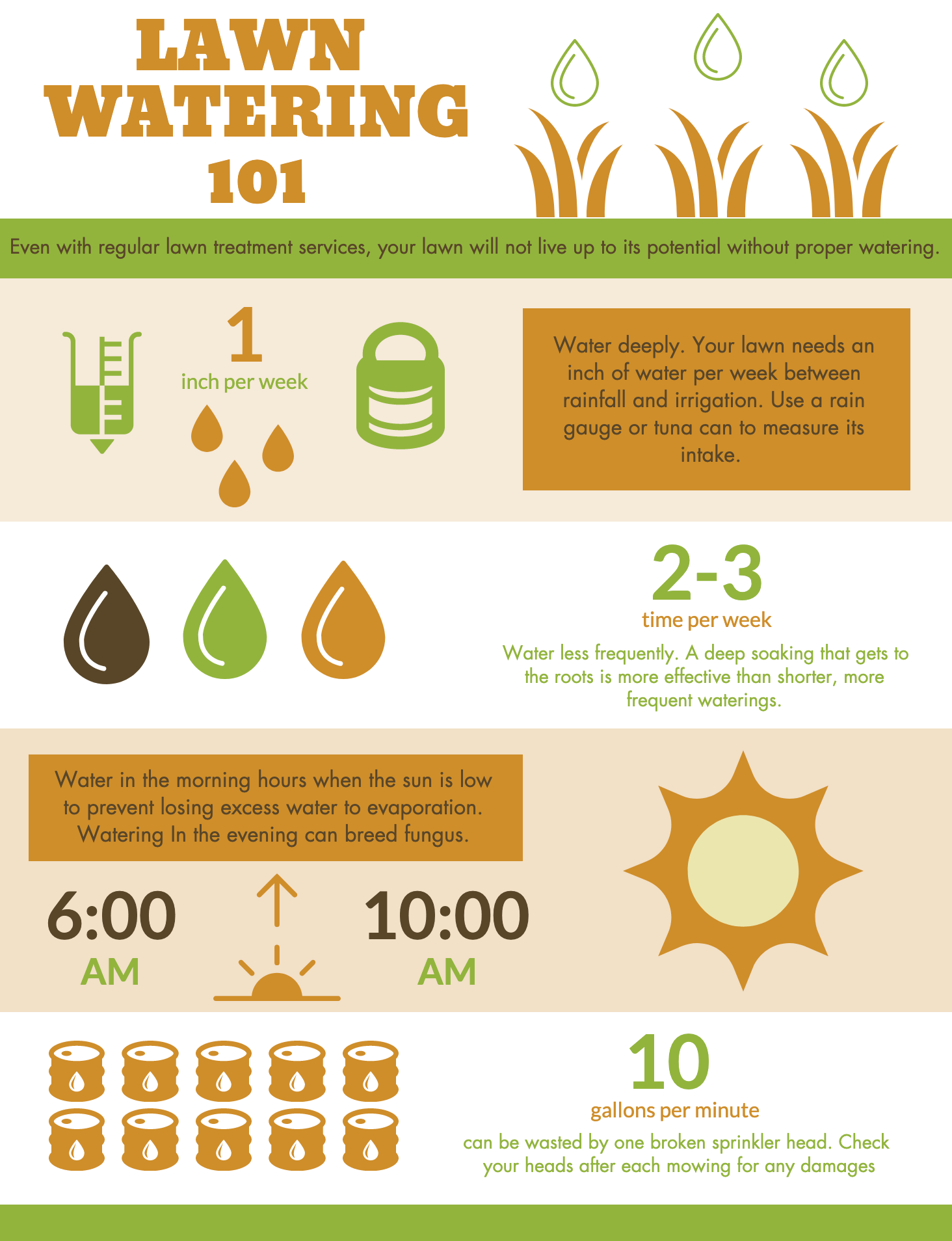
Watering Bermuda grass in the early morning is best. The grass soaks up water before the sun gets hot. Morning watering helps grass stay hydrated all day. It also prevents diseases that grow in wet, cool conditions at night.
Evening watering leaves grass wet overnight. This can cause fungus and other problems. Water can sit on leaves too long and damage the grass. Morning watering gives the lawn time to dry before night.
Avoiding Midday Heat
Watering during midday heat wastes water. The sun quickly evaporates water before roots absorb it. This leaves the grass thirsty and dry. Watering at noon means less water reaches the soil.
Early morning or late afternoon watering reduces evaporation. Grass gets enough water without waste. Avoiding midday heat keeps your lawn green and saves water.
Credit: agrilifeextension.tamu.edu
Seasonal Watering Tips
Watering Bermuda grass changes with the seasons. Each season needs a different approach. Proper watering keeps the grass healthy and green all year. Use these tips to care for your lawn through each season.
Summer Watering Needs
Summer heat makes Bermuda grass thirsty. Water deeply but less often. Early morning watering helps the grass absorb water better. Avoid watering at midday to reduce evaporation. Aim for about one inch of water per week. This keeps roots strong and grass green.
Winter Watering Adjustments
Bermuda grass grows slowly in winter. It needs less water during this time. Water only when the soil feels dry. Overwatering can cause problems like mold or root rot. Watering once every two to three weeks is enough. Use cooler times of day to water.
Spring And Fall Guidelines
Spring and fall are transition seasons. Grass starts growing in spring and slows in fall. Water more often in spring to help growth. About two times per week works well. In fall, reduce watering gradually. Keep soil moist but not soggy. This helps the grass prepare for winter.
Soil And Climate Considerations
Understanding soil and climate helps you water Bermuda grass properly. These factors affect how much water the grass needs and when to water.
Healthy soil holds water well and feeds the grass. Climate changes how fast the soil dries out and how much water the grass uses.
Assessing Soil Moisture
Check soil moisture before watering Bermuda grass. Press your finger about two inches into the soil. If it feels dry, watering is needed.
Soil type changes water retention. Sandy soil dries quickly and needs more frequent watering. Clay soil holds water longer, so water less often.
Use a moisture meter for accuracy. It helps avoid overwatering and underwatering. Proper moisture keeps Bermuda grass healthy and strong.
Impact Of Local Climate
Climate affects how often to water Bermuda grass. Hot, dry weather makes grass use more water. Water more often in these conditions.
Cool or rainy weather reduces water needs. Water less to prevent soggy soil and root damage. Watch weather forecasts to plan watering.
Windy days increase evaporation. Water early in the morning to reduce water loss. This helps Bermuda grass stay hydrated longer.
Credit: southernlawns.net
Watering Techniques
Watering Bermuda grass correctly helps it grow strong and green. Using the right watering methods saves water and keeps your lawn healthy. Different techniques affect how water reaches the grass roots. Choosing the best method depends on your lawn size and soil type.
Understanding watering techniques helps you care for your Bermuda grass better. Let’s explore two common methods and how deep watering affects the grass.
Sprinklers Vs Drip Irrigation
Sprinklers spray water over a large area quickly. They mimic natural rain and cover the entire lawn. Sprinklers work well for wide spaces and uneven ground. However, water loss can happen due to wind or evaporation.
Drip irrigation delivers water slowly at the soil surface. It targets roots directly and reduces water waste. This method is best for small lawns or gardens. Drip irrigation keeps the soil moist without overwatering.
Deep Vs Shallow Watering
Deep watering means soaking the soil to a depth of 6 to 8 inches. It encourages roots to grow deeper, making grass more drought-resistant. Deep watering should be done less often but for longer periods.
Shallow watering wets only the top 1 to 2 inches of soil. It causes roots to stay near the surface and weakens the grass. Frequent shallow watering can lead to dry patches and disease.
For healthy Bermuda grass, deep watering is usually better. It helps the lawn survive hot and dry weather. Check soil moisture regularly to avoid over or underwatering.
Signs Of Overwatering And Underwatering
Knowing the signs of overwatering and underwatering helps keep Bermuda grass healthy. Watering too much or too little causes stress. This stress shows in the grass’s color and texture. Early detection saves your lawn from damage.
Identifying Stress Symptoms
Overwatered Bermuda grass looks dark green but feels soft. Puddles or wet spots may appear on the soil surface. The grass blades might grow thin and weak. Brown patches can develop from root rot. Underwatered grass turns yellow or brown quickly. It feels dry and brittle to touch. The grass blades curl or fold. Soil cracks or pulls away from the roots.
Corrective Measures
For overwatering, reduce watering frequency immediately. Let the soil dry between watering sessions. Improve drainage by aerating the lawn. Avoid watering late in the day to prevent disease. For underwatering, increase watering gradually. Water deeply to reach the roots. Water early in the morning to reduce evaporation. Mulch helps keep soil moisture longer.
Credit: www.gilbertaz.gov
Maximizing Water Efficiency
Watering Bermuda grass efficiently saves water and keeps the lawn healthy. Proper watering helps grass grow strong and green. It also reduces water waste and lowers your water bill. Focus on methods that keep soil moist longer and reduce evaporation. Use smart techniques to keep your lawn lush with less water.
Using Mulch And Aeration
Mulch protects soil from drying out quickly. It keeps moisture near grass roots for longer. Spread a thin layer of mulch around the lawn edges. Aeration helps water reach deep into the soil. It creates small holes that let air and water in. Aerate your lawn once or twice a year for best results. This improves water absorption and root growth.
Rainwater Harvesting
Collect rainwater to water your Bermuda grass naturally. Use rain barrels or containers to catch runoff. Rainwater is free and good for plants. It does not contain chemicals found in tap water. Water your lawn with stored rain during dry days. This reduces your use of treated water and helps the environment.
Frequently Asked Questions
When Is The Best Time To Water Bermuda Grass Daily?
The best time to water Bermuda grass is early morning, between 5 AM and 10 AM. This timing reduces evaporation and allows grass to absorb moisture before heat arrives.
How Often Should Bermuda Grass Be Watered In Summer?
Water Bermuda grass 2-3 times weekly during summer. Deep watering encourages strong roots and prevents drought stress, keeping the lawn healthy and green.
Can Watering Bermuda Grass At Night Cause Problems?
Watering at night can promote fungal growth and disease in Bermuda grass. Early morning watering is safer and supports healthier lawn growth.
How Much Water Does Bermuda Grass Need Weekly?
Bermuda grass requires about 1 to 1. 25 inches of water weekly. This ensures deep root hydration and maintains vibrant lawn color and texture.
Conclusion
Watering Bermuda grass early in the morning works best. This helps the grass soak up water before the heat. Avoid watering at night to stop fungus growth. Give your lawn deep and steady watering to keep roots strong. Watch the weather and adjust watering when it rains.
Healthy Bermuda grass needs the right water at the right time. Follow these tips to keep your lawn green and fresh. Easy care makes a big difference in lawn health. Your grass will thank you with a lush, vibrant look.
