
Is your Bermuda grass looking tired, patchy, or just not as green as you want? You might be missing a key step to keep your lawn healthy and thriving: aeration.
But when should you aerate Bermuda grass to get the best results? Knowing the right time can make a huge difference in how well your lawn absorbs water, nutrients, and air. You’ll discover exactly when to aerate your Bermuda grass and why timing matters so much.
Keep reading to find out how to give your lawn the boost it needs to stay lush and green all season long.
Benefits Of Aerating Bermuda Grass
Aerating Bermuda grass improves the overall health of your lawn. It helps the soil breathe and lets water, air, and nutrients reach the roots. This simple process can make your grass stronger and greener. It also helps your lawn recover from heavy use and tough weather. Understanding the benefits of aeration can help you decide the best time to do it.
Improving Soil Health
Aeration breaks up compacted soil. This allows air to flow more freely through the ground. Good air circulation helps soil organisms thrive. These tiny creatures keep the soil healthy and balanced. Healthy soil supports strong grass growth.
Enhancing Nutrient Uptake
When soil is aerated, roots get better access to nutrients. Water and fertilizer reach the roots more easily. This helps the grass absorb what it needs to grow. Better nutrient uptake leads to a greener, thicker lawn.
Boosting Root Growth
Aeration opens up space for roots to grow deeper. Strong roots help grass survive drought and stress. Deep roots also make the lawn more stable and resilient. This results in a healthier and long-lasting lawn.
Reducing Soil Compaction
Heavy foot traffic or machinery can compact soil. Compacted soil stops water and air from reaching roots. Aeration loosens the soil, reducing compaction. This creates a better environment for grass to thrive.
Credit: theturfgrassgroup.com
Signs Your Lawn Needs Aeration
Aeration helps Bermuda grass grow strong and healthy. It lets air, water, and nutrients reach the roots. Knowing when to aerate saves your lawn from damage. Watch for signs that show your lawn needs help.
Water Pooling On Surface
Water stays on top after rain or watering. It does not soak into the soil quickly. This means soil is compacted and blocks water. Aeration fixes this by creating small holes. Water can then reach the roots easily.
Thinning Grass Patches
Grass looks thin or bare in some areas. New grass does not grow well there. Roots may not get enough air or nutrients. Aeration improves soil conditions. It helps grass grow thick and green again.
Hard Soil Texture
Soil feels hard when you press it with your hand. It is tough for roots to grow deep. Hard soil also stops water and air from entering. Aeration breaks up the soil. It makes the ground soft and healthy.
Increased Weeds And Thatch
More weeds start growing in your lawn. A thick layer of thatch covers the soil. Thatch blocks water and nutrients from reaching roots. Aeration reduces thatch build-up. It also helps grass fight weeds better.
Best Time To Aerate Bermuda Grass
Knowing the best time to aerate Bermuda grass is key to a healthy lawn. Aeration helps soil breathe and roots grow stronger. Choosing the right moment makes aeration more effective and less stressful for your grass.
Optimal Seasons For Aeration
Spring and early summer are the best seasons to aerate Bermuda grass. During these times, the grass grows fast and recovers quickly. Aerating in these seasons helps the roots get more oxygen and nutrients. Avoid aerating in fall or winter. The grass grows slowly then and heals poorly.
Ideal Temperature And Moisture
Temperatures between 65°F and 75°F suit Bermuda grass aeration well. The soil should be moist but not soggy. Moist soil lets aerator tools work easily. Dry soil is hard and can damage the roots. Wet soil clogs the aerator and compacts the soil.
Avoiding Dormant Periods
Aerate only when Bermuda grass is active and growing. Avoid times when the grass is dormant. Dormant grass cannot recover from aeration damage fast. In warm climates, dormancy happens in winter. In cooler areas, it might start earlier. Aerate during growth periods to get the best results.

Credit: sodsolutions.com
Aeration Methods For Bermuda Grass
Aerating Bermuda grass improves soil health and helps grass grow strong. Aeration reduces soil compaction and lets air, water, and nutrients reach roots. Different methods work well depending on your lawn’s needs and size. Choosing the right method makes a big difference in your lawn’s health.
Core Aeration
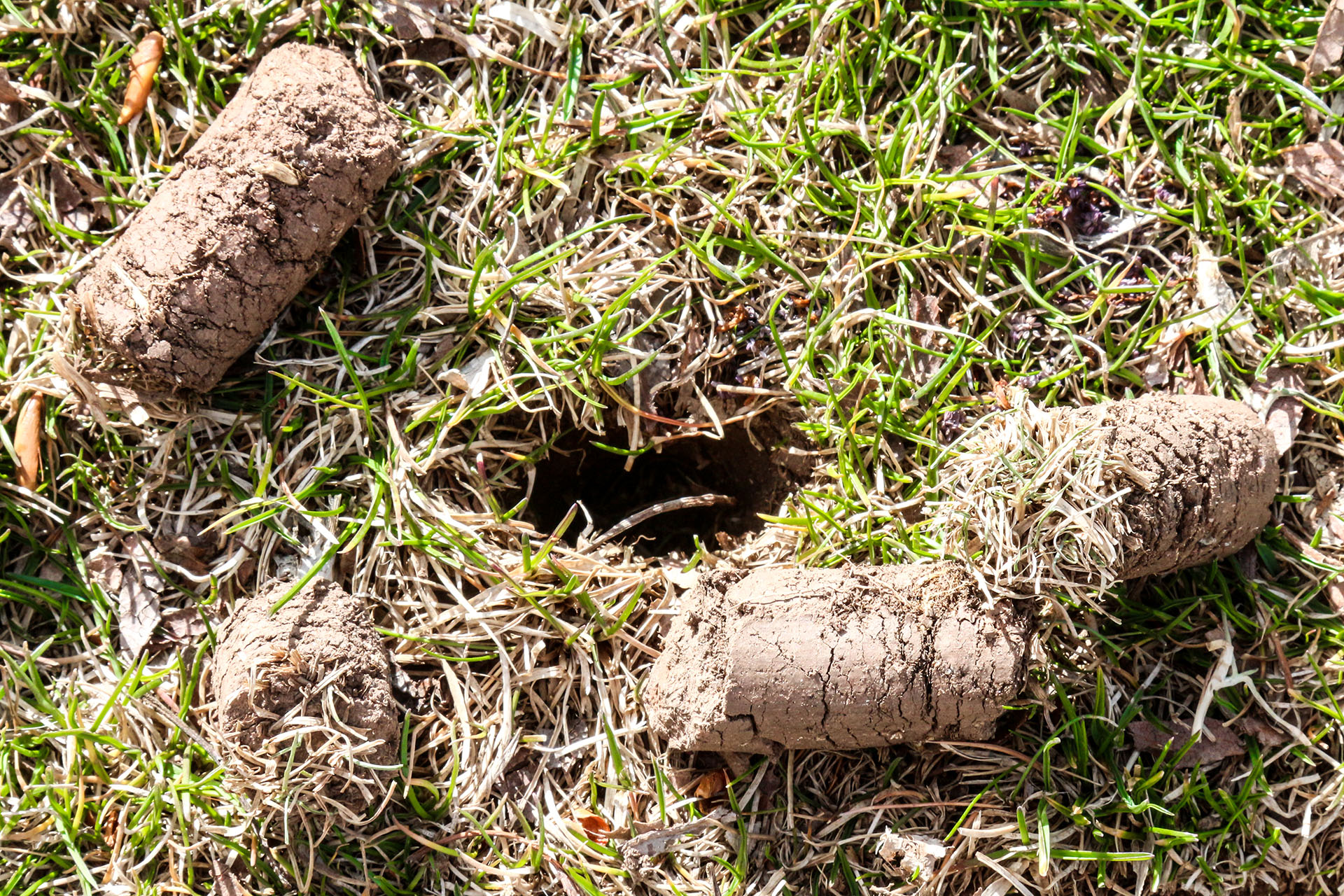
Core aeration removes small plugs of soil from the lawn. These plugs allow more air and water to enter the soil. This method helps roots grow deeper and stronger. Core aeration is best for lawns with heavy soil or high foot traffic. It reduces soil compaction effectively.
Spike Aeration
Spike aeration pokes holes into the soil using spikes or nails. It does not remove soil plugs but creates openings. This method is easier and faster but less effective for heavy soil. Spike aeration works well for lawns with light compaction. It improves water and air movement around the roots.
Choosing The Right Equipment
Choose equipment based on your lawn size and soil condition. For large lawns, rent or buy a core aerator machine. For small lawns, manual tools can work well. Spike aerators are often cheaper and easier to use. Always check equipment for sharpness and proper function before use.
Post-aeration Lawn Care Tips
After aerating Bermuda grass, proper lawn care is essential. This helps your grass recover fast and grow healthy. Follow these tips for the best results. They improve soil, strengthen roots, and keep your lawn green.
Fertilizing And Overseeding
Apply fertilizer soon after aeration. It feeds the grass through the holes. Choose a fertilizer rich in nitrogen for Bermuda grass. Overseeding can fill bare spots. Use Bermuda grass seed for the best match. Spread seeds evenly for uniform growth. This step boosts lawn thickness and health.
Watering Strategies
Water your lawn right after aeration. It helps settle soil and supports new roots. Keep the soil moist but not soggy. Water lightly every day for the first week. Then, water deeply less often. Deep watering encourages strong root growth. Avoid watering late in the day to stop fungus.
Mowing Best Practices
Wait a few days before mowing after aeration. Mowing too soon can stress your grass. Set your mower blade higher than usual. Higher cuts protect grass blades and roots. Keep mower blades sharp to avoid tearing. Mow regularly but never remove more than one-third of the grass height at once.
Common Mistakes To Avoid
Aerating Bermuda grass helps the lawn breathe and grow stronger. Avoiding common mistakes keeps your lawn healthy. These errors can waste time and damage grass. Knowing what to avoid makes aeration more effective. Here are key mistakes to watch out for.
Aerating At The Wrong Time
Aerating at the wrong time can stress your grass. Bermuda grass grows best in warm months. Aerate in late spring or early summer. Doing it in fall or winter slows recovery. Grass may not fill in holes well. Timing is crucial for strong, green grass.
Neglecting Lawn Maintenance
Ignoring regular lawn care reduces aeration benefits. Mowing, watering, and fertilizing keep grass healthy. Aeration alone cannot fix a neglected lawn. Poor soil or weeds need attention too. Maintain your lawn before and after aeration. This supports deep root growth and recovery.
Over-aerating The Lawn
Aerating too often can harm Bermuda grass. Too many holes dry out the soil. Grass roots may get damaged or stressed. Aerate only once or twice a year. Follow recommended schedules for best results. Let your lawn rest and recover between sessions.

Credit: cleancutlandscaping.us
Frequently Asked Questions
When Is The Best Time To Aerate Bermuda Grass?
The best time to aerate Bermuda grass is during its active growing season. Typically, late spring to early summer is ideal. Aeration during this period promotes faster recovery and healthier growth by improving soil oxygen and nutrient absorption.
How Often Should Bermuda Grass Be Aerated?
Bermuda grass should be aerated once or twice a year. Aerate annually for moderate traffic lawns. For heavily used lawns, aerate twice yearly to reduce soil compaction and enhance root development effectively.
What Are The Signs Bermuda Grass Needs Aeration?
Signs include compacted soil, poor drainage, and thinning grass. If the lawn feels hard or water pools on the surface, it likely needs aeration. These indicators show that the grass roots need more oxygen and nutrients.
Can I Aerate Bermuda Grass In Winter?
Aerating Bermuda grass in winter is not recommended. The grass is dormant and won’t recover well. Aerate during active growth in spring or summer to ensure optimal healing and turf health.
Conclusion
Aerating Bermuda grass helps keep your lawn healthy and strong. Do it during the active growing season, usually late spring or early summer. This lets air, water, and nutrients reach the roots better. Avoid aerating in cold or dormant times to prevent stress.
Regular aeration reduces soil compaction and improves grass growth. Keep your lawn green and thick by aerating at the right time. Simple care makes a big difference in your yard’s health. Try to stick to the schedule for best results.
Your Bermuda grass will thank you.
