
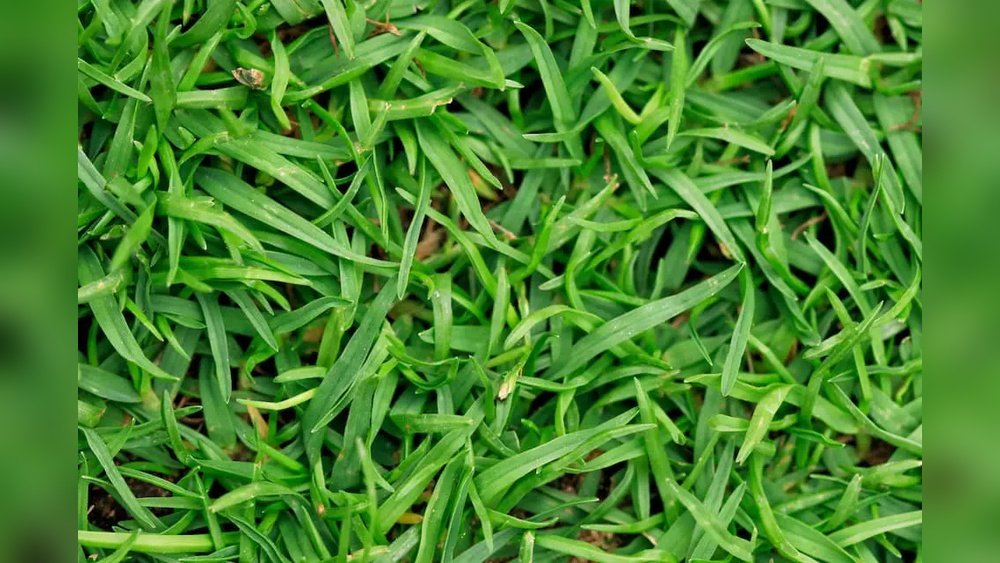
If you want a lush, green lawn in North Carolina, knowing when to fertilize your Bermuda grass is key. Fertilizing at the right time helps your grass grow strong and stay healthy through the seasons.
But fertilize too early or too late, and you could end up with patchy, weak grass instead. You’ll discover the best times to feed your Bermuda grass so it thrives all year long. Keep reading to learn exactly when and how to give your lawn the boost it needs.
Bermuda Grass Growth Cycle
Bermuda grass has a clear growth cycle that affects how you care for it. Understanding this cycle helps know the best times to fertilize. The grass grows fast in warm months and slows down when cool weather arrives. Paying attention to these changes ensures a healthy and green lawn throughout the year.
Seasonal Growth Patterns
Bermuda grass grows actively during warm seasons. It starts growing in spring as temperatures rise above 60°F. Growth peaks in summer when temperatures reach 80°F to 95°F. During this time, the grass needs more nutrients and water. Fertilizing in late spring and summer helps support strong growth and recovery from wear.
Dormant Periods In Nc
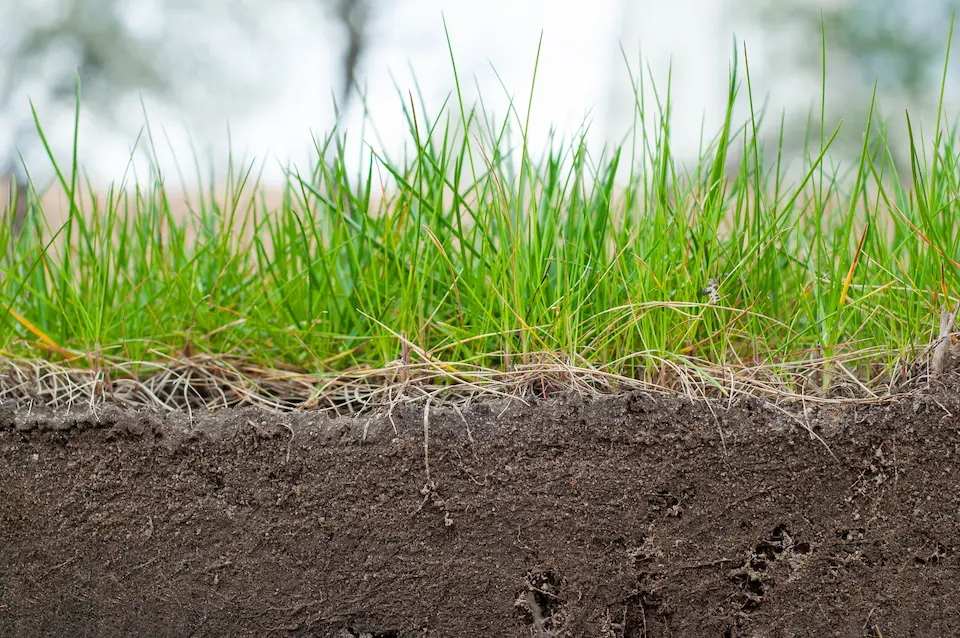
In North Carolina, Bermuda grass goes dormant in late fall and winter. When temperatures drop below 50°F, growth slows significantly. The grass turns brown and stops growing. Fertilizing during dormancy is not needed and can harm the grass. Wait until spring to resume fertilizing and encourage new growth.
Credit: turftitanz.com
Optimal Fertilization Windows
Timing is key for fertilizing Bermuda grass in North Carolina. Fertilizing at the right time helps the grass grow strong and green. Knowing the best windows to feed your lawn saves money and effort. It also prevents damage to the grass and the environment. Below are the optimal fertilization windows for Bermuda grass in NC.
Spring Application Timing
Start fertilizing Bermuda grass in early spring. Apply fertilizer when the soil temperature reaches about 65°F. This usually happens between late March and early April in North Carolina. Use a slow-release fertilizer to support steady growth. Avoid fertilizing too early to prevent wasting nutrients.
Summer Feeding Schedule
Feed Bermuda grass lightly in summer. Use a nitrogen-rich fertilizer every six to eight weeks. Water the lawn well after each application. Avoid fertilizing during extreme heat to reduce stress on the grass. Keep the lawn healthy by mowing regularly and watering deeply.
Fall Fertilizing Considerations
Apply fertilizer in early fall to prepare Bermuda grass for winter. Use a fertilizer with lower nitrogen and higher potassium. Potassium strengthens the grass and improves cold tolerance. Fertilize by mid-September to late October. Stop fertilizing by late fall to let the grass rest.
Soil Testing And Nutrient Needs
Understanding soil testing and nutrient needs is essential for healthy Bermuda grass in North Carolina. Soil testing reveals the soil’s current condition. It shows nutrient levels and pH balance. This information helps decide the right fertilizer and application time. Proper nutrients help the grass grow strong and green. Over or under-fertilizing can harm the lawn instead of helping it.
When To Test Soil
Test soil before the growing season starts. Early spring is the best time to check soil in North Carolina. This timing allows adjustment of nutrients before Bermuda grass begins active growth. Testing every two to three years keeps soil healthy. Send soil samples to a local extension office or lab. Follow their instructions for sample collection and submission. This step ensures accurate results for better lawn care decisions.
Key Nutrients For Bermuda Grass
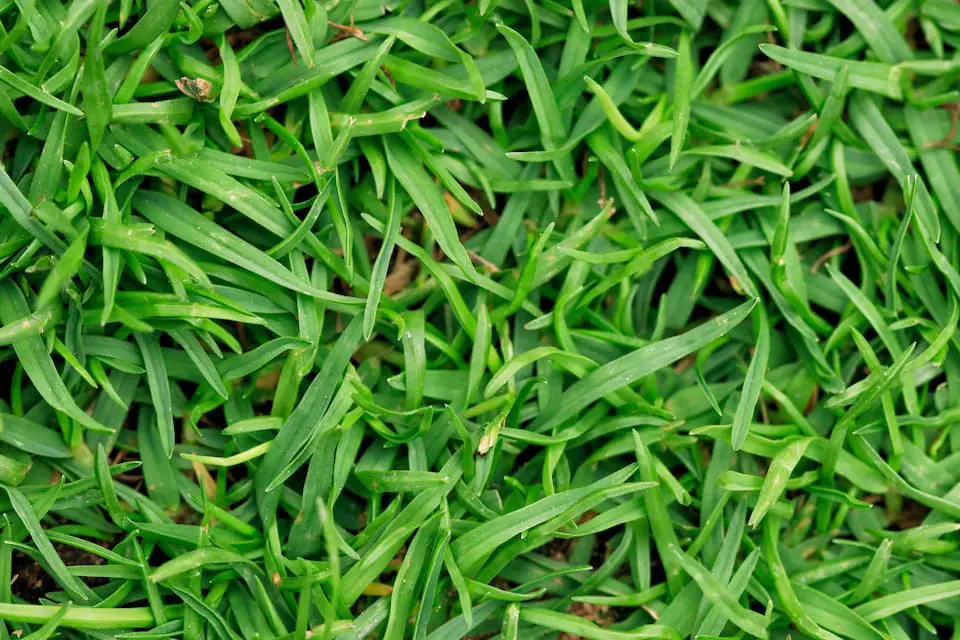
Bermuda grass needs nitrogen, phosphorus, and potassium to thrive. Nitrogen supports leaf growth and green color. Phosphorus helps root development and energy transfer. Potassium strengthens the grass and improves disease resistance. Soil tests show which nutrients are low or sufficient. Use fertilizers that match the soil’s nutrient needs. Avoid excess fertilizer; it wastes money and can pollute the environment.
Credit: fortsmithlandscaping.com
Choosing The Right Fertilizer
Choosing the right fertilizer for Bermuda grass in North Carolina is key for a healthy lawn. Fertilizer gives the grass the nutrients it needs to grow strong and green. Different fertilizers have different mixes of nutrients. Picking the right type helps the grass thrive through the seasons.
Nitrogen Focused Options
Nitrogen is the main nutrient Bermuda grass needs. It helps the grass grow thick and green. Fertilizers with a high nitrogen number are best in spring and summer. They boost leaf growth and color quickly. Look for fertilizers labeled with a high first number, like 30-5-5. These give your grass the energy to recover from winter and stay lush.
Balanced Fertilizer Choices
Balanced fertilizers have similar amounts of nitrogen, phosphorus, and potassium. They support overall lawn health, not just green growth. Use balanced options in early spring or fall. They help roots grow stronger and improve disease resistance. A common mix is 10-10-10 or 16-4-8. These fertilizers keep Bermuda grass healthy all year long.
Application Techniques
Applying fertilizer correctly helps Bermuda grass grow strong and healthy. Proper techniques ensure the nutrients spread evenly. This prevents patchy growth and reduces waste. Knowing how to apply fertilizer makes your lawn look its best.
Spreader Types And Methods
Use the right spreader for even fertilizer coverage. Drop spreaders release fertilizer in a straight line. They offer precise control but cover less ground. Broadcast spreaders throw fertilizer in a wide pattern. They cover large areas quickly and easily.
Walk at a steady pace to avoid uneven spots. Overlapping each pass slightly helps prevent gaps. Calibrate your spreader before use to apply the correct amount. Always follow the fertilizer package instructions for best results.
Watering After Fertilizing
Watering helps fertilizer soak into the soil. It activates nutrients for Bermuda grass roots. Water lightly right after applying fertilizer. Avoid heavy watering that can wash fertilizer away.
Keep soil moist for a few days after fertilizing. This supports steady nutrient absorption. Proper watering improves fertilizer efficiency and lawn health.
Signs Of Over Or Under Fertilizing
Fertilizing Bermuda grass in North Carolina requires balance. Too little or too much fertilizer harms your lawn’s health. Recognizing signs of over or under fertilizing helps keep your grass green and strong. Watch for changes in color, growth, and texture. These clues tell you if the lawn needs more nutrients or a break from feeding.
Symptoms Of Nutrient Deficiency
Pale or yellow grass blades often signal nutrient shortage. Growth slows down and the lawn looks thin. Brown spots may appear where grass weakens. The grass might feel soft or limp. Thin patches show the grass struggles to spread. These signs mean your Bermuda grass needs more fertilizer to thrive.
Effects Of Excess Fertilizer
Too much fertilizer causes leaf burn and brown edges. Grass may grow too fast but stay weak. Thick thatch layers can build up, blocking water and air. Excess fertilizer can attract pests and diseases. The soil may become salty, harming roots. Overfeeding stresses Bermuda grass, making it less healthy overall.
Climate Factors Influencing Fertilization
Climate plays a big role in deciding the best time to fertilize Bermuda grass in North Carolina. Different weather conditions affect how the grass grows and how it uses nutrients. Understanding these factors helps gardeners apply fertilizer at the right time for a healthy lawn.
Impact Of Rainfall
Rainfall affects soil moisture, which is key for fertilizer absorption. Too much rain can wash away nutrients before the grass can use them. On the other hand, little rain means dry soil, making it hard for roots to take up fertilizer.
In North Carolina, rainfall varies by season. Applying fertilizer right before a light rain can help nutrients soak into the soil. Avoid fertilizing before heavy storms to prevent nutrient loss and pollution.
Temperature Effects On Growth
Bermuda grass grows best in warm temperatures between 75°F and 95°F. When temperatures are too low, growth slows down, and the grass uses less fertilizer. Fertilizing during cool weather can waste nutrients and may harm the lawn.
Spring and early summer are ideal times to fertilize because the grass is actively growing. In hot summer months, the grass may go dormant and need less fertilizer. Knowing the temperature patterns helps pick the best fertilizing schedule.
Common Mistakes To Avoid
Fertilizing Bermuda grass in North Carolina requires careful timing and the right products. Many homeowners make simple mistakes that hurt their lawn’s health. Avoiding these errors helps your grass grow strong and green all season. Below are common mistakes that affect Bermuda grass fertilization.
Fertilizing Too Early Or Late
Applying fertilizer too early in spring can harm Bermuda grass. The soil is often still cold, slowing nutrient uptake. Grass may stay weak and patchy. Fertilizing too late in fall stops the grass from storing food for winter. This weakens roots and slows spring growth. The best time is when the grass starts to green up and grow actively.
Using Incorrect Fertilizer Types
Choosing the wrong fertilizer can damage your Bermuda lawn. Nitrogen is key, but too much causes fast growth and weak roots. Fertilizer with balanced nutrients suits Bermuda grass best. Avoid products high in phosphorus unless a soil test shows a need. Use fertilizers labeled for warm-season grasses to ensure proper feeding.
Credit: www.barefootlawncare.com
Frequently Asked Questions
When Is The Best Time To Fertilize Bermuda Grass In Nc?
The best time to fertilize Bermuda grass in NC is late spring through early summer. Apply fertilizer when grass starts actively growing, usually after soil temperatures reach 65°F. This timing promotes healthy growth and green color.
How Often Should Bermuda Grass Be Fertilized In North Carolina?
Fertilize Bermuda grass every 6 to 8 weeks during the growing season in North Carolina. Typically, 3 to 4 applications from late spring to early fall maintain healthy turf and prevent nutrient deficiency.
What Type Of Fertilizer Is Ideal For Bermuda Grass In Nc?
Use a balanced fertilizer with a higher nitrogen ratio for Bermuda grass in NC. A common choice is 16-4-8 or similar, promoting lush growth and deep green color. Always follow soil test recommendations.
Can I Fertilize Bermuda Grass In North Carolina During Fall?
Avoid fertilizing Bermuda grass in North Carolina during fall. Fertilizing late can encourage growth vulnerable to frost damage. Instead, apply fertilizer in spring and summer for best results.
Conclusion
Fertilizing Bermuda grass at the right time keeps your lawn healthy. Early spring and late summer are the best periods. Avoid fertilizing during extreme heat or cold. Use a balanced fertilizer to support steady growth. Water the grass after applying fertilizer to help absorption.
Regular care makes your lawn green and strong. Follow these tips for a beautiful Bermuda grass lawn in NC. Simple steps lead to great results.
