
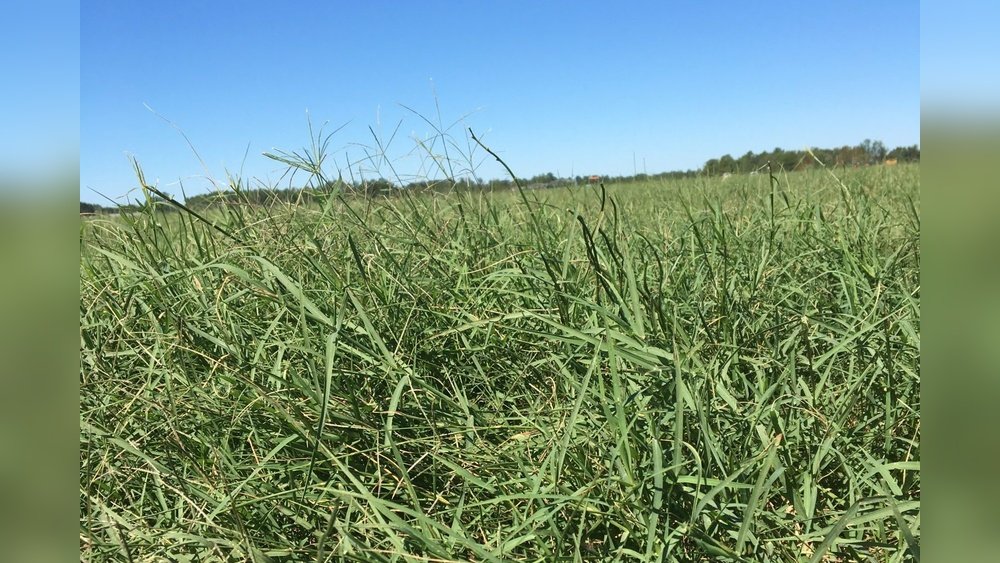
Are you ready to have a lush, green lawn that stands out in your Alabama neighborhood? Knowing exactly when to plant Bermuda grass can make all the difference between a patchy yard and a thick, vibrant carpet of grass.
If you plant too early or too late, your efforts might not pay off the way you want. You’ll discover the perfect timing to get your Bermuda grass growing strong and healthy, setting you up for a lawn that you’ll be proud of all season long.
Keep reading to unlock the secrets to planting success in Alabama’s unique climate!
Credit: www.aces.edu
Climate Factors In Alabama
Understanding Alabama’s climate is key to planting Bermuda grass successfully. The state’s weather affects how well the grass grows. Knowing the main climate factors helps you choose the right time to plant. Temperature, rainfall, and frost all play important roles.
Each factor affects the grass differently. Planting at the right time can lead to a healthy, green lawn. Let’s explore these climate details to guide your planting schedule.
Temperature Patterns
Alabama has warm summers and mild winters. Bermuda grass grows best in warm temperatures. It starts growing when the soil warms above 65°F. Night temperatures should stay above 50°F. Hot days above 80°F help the grass grow fast.
Planting too early can cause slow growth. Wait until the soil and air temperatures are steady. This ensures the grass roots develop well.
Rainfall Impact
Rainfall in Alabama varies across the state. Regular rain helps Bermuda grass stay healthy. Too much rain can cause waterlogging and root problems. Too little rain leads to dry, stressed grass.
Plan to plant when rainfall is moderate. Use irrigation if natural rain is low. Consistent moisture helps seedlings grow strong and green.
Frost Dates
Frost can damage young Bermuda grass. Alabama’s last frost date varies by region. Usually, frost ends between mid-March and early April. Plant after the last frost to avoid damage.
Check local frost dates before planting. This protects your grass from cold injury. Waiting for safe frost-free days helps the grass thrive.
Credit: theturfgrassgroup.com
Ideal Soil Conditions
Soil should be warm and well-drained for Bermuda grass to grow well in Alabama. A slightly sandy soil with a pH between 5. 8 and 7. 0 works best. Moist soil helps seeds start strong.
Soil Temperature Requirements
Bermuda grass needs warm soil to grow well. The ideal soil temperature is between 65°F and 70°F. Below this range, the grass grows very slowly. Soil warms up in late spring and early summer in Alabama. This makes it the best time to plant Bermuda grass. Check soil temperature with a simple soil thermometer. Planting too early means poor growth and weak grass.
Soil Preparation Tips
Good soil preparation helps Bermuda grass grow strong roots. First, remove weeds and old grass from the area. Next, loosen the soil by tilling or raking to a depth of 4 to 6 inches. This allows roots to spread easily. Add organic matter like compost to improve soil texture and nutrients. Test soil pH; Bermuda grass prefers 5.8 to 7.0. Adjust pH with lime or sulfur as needed. Smooth the soil surface to ensure even planting and watering. Proper soil preparation helps your grass thrive in Alabama’s climate.
Best Planting Seasons
Choosing the right season to plant Bermuda grass in Alabama makes a big difference. Planting at the right time helps the grass grow strong and green. This section covers the best seasons to start your Bermuda lawn for healthy growth.
Spring Planting Window
Spring is the best time to plant Bermuda grass in Alabama. Soil warms up enough for seeds to sprout quickly. Aim for late March to early May. During this period, daytime temperatures reach 70°F or higher. This warmth helps the grass establish roots fast. Planting in spring gives Bermuda grass a full growing season ahead. It can recover well from any early weeds or pests.
Summer Planting Considerations
Summer planting is possible but needs care. Alabama summers get very hot, often above 90°F. This heat can stress new Bermuda grass. Watering must be frequent to keep soil moist. Avoid planting during extreme heat waves. Late June to early July is better for summer planting. Grass planted now can still grow strong before fall. Watch for pests and dry spots carefully during summer months.
Planting Methods
Planting Bermuda grass in Alabama requires choosing the right method. Each method has its own steps and benefits. This helps the grass grow strong and healthy. Knowing these methods makes planting easier and more successful.
Seeding Techniques
Seeding is a popular way to start Bermuda grass. Spread seeds evenly over prepared soil. Lightly rake the area to cover seeds with soil. Water the area gently but often to keep soil moist. Seeds usually sprout in 7 to 14 days. This method is cost-effective but needs patience.
Sodding Tips
Sodding gives instant green coverage. Lay sod pieces tightly on well-prepared ground. Press sod down to remove air pockets. Water sod daily for the first two weeks. Avoid heavy foot traffic until roots grow deep. This method is faster but costs more.
Sprigging Guidelines
Sprigging uses small pieces of Bermuda grass stems. Plant sprigs in rows spaced about 6 to 12 inches apart. Cover lightly with soil and water regularly. Roots develop in 2 to 3 weeks. Sprigging is less expensive than sodding. It requires more care and time to fill the lawn.
Watering And Maintenance
Watering and maintenance play a key role in growing healthy Bermuda grass in Alabama. Proper care helps the grass establish strong roots and stay green through hot months. Understanding the right watering and fertilizing routines makes the lawn look its best all year.
Irrigation Schedule
Bermuda grass needs regular watering, especially after planting. Give the lawn about 1 inch of water each week. Early morning is the best time to water. This helps reduce evaporation and prevents disease.
During hot, dry periods, increase watering to keep the soil moist. Avoid overwatering, which can cause shallow roots and weak grass. Let the soil dry slightly between watering sessions. This encourages deep root growth for drought resistance.
Fertilizing Basics
Fertilizing Bermuda grass supports strong growth and a rich green color. Apply fertilizer about 4 to 6 weeks after planting. Use a balanced fertilizer with nitrogen, phosphorus, and potassium.
Feed the lawn every 6 to 8 weeks during the growing season. Avoid fertilizing during cold or dormant periods. Follow package instructions carefully to prevent burning the grass. Proper fertilizing helps the grass recover from stress and grow thicker.
Credit: www.outsidepride.com
Common Planting Mistakes
Planting Bermuda grass in Alabama can be simple if done right. Many gardeners make common mistakes that slow grass growth or cause failure. Knowing these errors helps you avoid them. This section covers frequent planting mistakes and how to fix them.
Timing Errors
Planting Bermuda grass too early or too late harms growth. The soil must be warm, above 65°F, for seeds or sod to grow well. Planting before the last frost can kill young grass. Wait until late spring or early summer for best results.
Soil Issues
Bad soil stops Bermuda grass from growing strong. Poor drainage or compacted soil blocks roots from spreading. Test soil pH; it should be between 5.8 and 7.0. Add lime or sulfur to fix pH problems. Loosen soil and add organic matter before planting.
Watering Mistakes
Overwatering or underwatering harms new Bermuda grass. Keep soil moist but not soaked during the first weeks. Water deeply and less often as grass grows. Avoid letting soil dry out completely. Proper watering helps roots grow deep and healthy.
Frequently Asked Questions
When Is The Best Time To Plant Bermuda Grass In Alabama?
The best time to plant Bermuda grass in Alabama is late spring to early summer. Soil temperatures should reach 65°F for optimal germination. This timing ensures warm weather for strong growth and establishment before cooler months arrive.
How Long Does Bermuda Grass Take To Grow In Alabama?
Bermuda grass typically takes 7 to 14 days to germinate in Alabama. Full lawn coverage usually occurs within 6 to 8 weeks under ideal conditions. Warm temperatures and proper watering speed up growth and lawn establishment.
Can I Plant Bermuda Grass In Alabama During Fall?
Planting Bermuda grass in fall is not ideal in Alabama. Cooler temperatures slow germination and growth. It is better to plant in late spring or early summer for strong root development before winter.
What Soil Conditions Suit Bermuda Grass In Alabama?
Bermuda grass thrives in well-drained, sandy or loamy soils with a pH between 6. 0 and 7. 0. Proper soil preparation and fertilization enhance growth. Avoid heavy clay soils to prevent poor drainage and root issues.
Conclusion
Plant Bermuda grass in Alabama during late spring or early summer. Warm soil helps seeds grow strong and fast. Avoid planting too early when the ground is still cold. Choose a sunny spot with good soil drainage. Water regularly but do not overwater.
Watch for weeds and keep the grass trimmed. Healthy Bermuda grass will stay green and thick all summer. Follow these simple steps for a beautiful lawn. Timing is key to success and a healthy yard. Enjoy your lush, green lawn all season long.
