
Are you ready to have a lush, green lawn that stands out in Georgia’s heat? Knowing exactly when to plant Bermuda grass can make all the difference between a patchy yard and a vibrant, healthy lawn.
If you plant too early or too late, your grass might struggle to grow or even die off. But don’t worry—this guide will help you find the perfect time to get your Bermuda grass growing strong, so your yard becomes the envy of the neighborhood.
Keep reading to discover the best planting window and tips to ensure your lawn thrives all season long.
Credit: atlantasodfarms.com
Ideal Planting Season
Planting Bermuda grass at the right time helps it grow strong and green. Choosing the ideal season improves seed germination and root development. In Georgia, timing depends on soil warmth, climate, and frost risks. Understanding these factors leads to a healthy lawn that thrives all summer.
Optimal Soil Temperatures
Bermuda grass grows best when soil temperature stays between 65°F and 75°F. At these temperatures, seeds sprout quickly and roots spread well. Use a soil thermometer to check the ground before planting. Early spring or late spring usually meets this soil warmth in Georgia.
Climate Considerations In Georgia
Georgia has hot summers and mild winters. This warm climate supports Bermuda grass growth from late spring to early fall. Planting too early can slow growth. Planting too late may not give enough time to grow before cold weather. Aim for mid to late spring for best results.
Avoiding Frost Damage
Frost kills young Bermuda grass plants. Wait until after the last frost date in your area to plant. In Georgia, this date varies but usually falls in late March or early April. Planting after frost risk ends protects seedlings and helps grass grow healthy and strong.
Credit: www.cherokeefeedandseed.com
Preparing Your Lawn
Preparing your lawn is the first step to growing healthy Bermuda grass in Georgia. It helps the grass start strong and grow evenly. Taking time to prepare ensures your lawn looks green and lush. Focus on soil health, clearing old plants, and choosing the right Bermuda variety. Each part is important for a successful lawn.
Soil Testing And Amendments
Testing your soil shows its pH and nutrient levels. Bermuda grass grows best in soil with a pH between 5.8 and 7.0. Soil tests help find what your lawn needs. You may need to add lime to raise pH or sulfur to lower it. Fertilizers can also provide missing nutrients like nitrogen or potassium. Healthy soil supports strong root growth and green grass.
Clearing Existing Vegetation
Remove old grass, weeds, and plants before planting Bermuda. Clear the area to reduce competition for water and nutrients. Use tools like rakes or a sod cutter to remove unwanted plants. Clean soil helps Bermuda grass seeds or sprigs make good contact. This step improves the chance for new grass to grow quickly.
Choosing The Right Bermuda Grass Variety
Pick a Bermuda variety suited for Georgia’s climate. Common types include Common Bermuda and Hybrid Bermuda. Hybrid types are usually finer and more drought-resistant. Select a variety that matches your lawn’s use, such as for play or decoration. The right choice ensures better growth and less maintenance.
Seeding Vs. Sod
Choosing between seeding and sod is key for planting Bermuda grass in Georgia. Each method has unique features that affect growth and lawn appearance. Understanding these differences helps pick the best option for your yard and schedule.
Benefits Of Seeding
Seeding costs less than sod. It allows you to cover large areas affordably. Seeds also adapt well to soil conditions over time. You get more grass varieties to choose from. Seeding encourages strong root growth. It takes longer to establish but builds deep, healthy roots. This method suits patient gardeners with time to care for new grass.
Advantages Of Sod
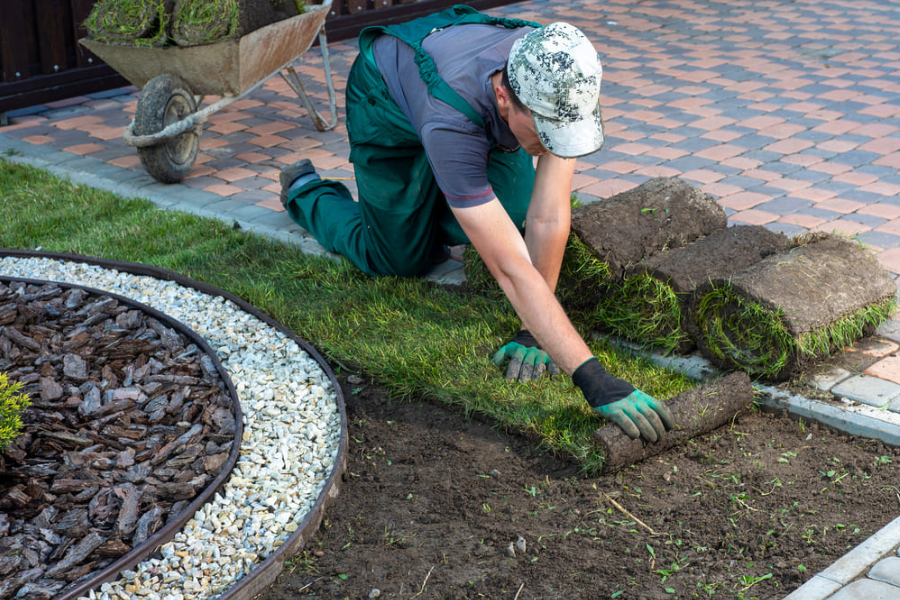
Sod provides instant green coverage. It stops soil erosion quickly after installation. Sod is less vulnerable to weeds at the start. The lawn looks full and healthy right away. It reduces dirt and mud in your yard. Sod grows faster since it is already mature grass. This method fits those wanting quick results and less early maintenance.
Timing Differences For Each Method
Seeding is best in late spring to early summer in Georgia. Warm soil helps seeds germinate well. Avoid planting seeds too early to prevent frost damage. Sod can be laid from spring through early fall. It establishes faster but still needs warm weather. Both methods need consistent watering after planting. Proper timing ensures strong growth and a lush lawn.
Watering And Maintenance
Watering and maintenance are key for healthy Bermuda grass in Georgia. Proper care helps the grass grow thick and green. It prevents problems like dry patches or pests. Focus on watering, feeding, and protecting the lawn. These steps keep Bermuda grass strong through the seasons.
Irrigation Scheduling
Water Bermuda grass early in the morning. This reduces water loss from evaporation. Water deeply but less often to encourage deep roots. About 1 inch of water per week is ideal. During hot months, increase watering slightly. Avoid watering in the evening to prevent fungus growth.
Fertilization Timing
Fertilize Bermuda grass in late spring. This supports growth as temperatures rise. Use a fertilizer with nitrogen for best results. Repeat feeding every 6 to 8 weeks in summer. Stop fertilizing by early fall. Over-fertilizing can harm the grass and environment.
Weed And Pest Control
Check your lawn regularly for weeds and pests. Pull weeds by hand or use a safe herbicide. Apply pest control treatments only if needed. Early detection stops damage to the grass. Keep the lawn clean and mowed to reduce pest problems.
Signs Of Successful Growth
Knowing the signs of successful Bermuda grass growth helps you track your lawn’s progress. Early signs show if the seeds are healthy and ready to grow strong. Watching these signs helps you care for your grass the right way. It also saves time and money by spotting problems early.
Germination Indicators
Seeds begin to swell and crack within 7 to 14 days. Tiny green shoots push through the soil surface. The soil should stay moist but not soggy. Warm soil temperatures around 70°F to 85°F encourage quick germination. If no sprouts appear, check soil moisture and temperature.
Early Growth Patterns
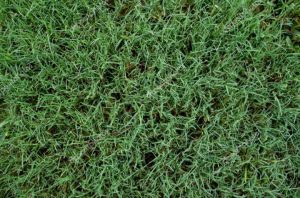
New grass blades are thin and light green at first. Grass grows evenly with small, soft leaves. Roots develop underground, anchoring the grass firmly. Growth speeds up after the first few weeks. Uneven patches or yellow spots need attention.
Troubleshooting Common Issues
Slow growth may mean poor soil or lack of water. Brown spots could be from pests or disease. Overwatering causes mold and weak roots. Use light watering to keep soil moist. Remove weeds that compete for nutrients and space.
Credit: theturfgrassgroup.com
Frequently Asked Questions
When Is The Best Time To Plant Bermuda Grass In Georgia?
The best time to plant Bermuda grass in Georgia is late spring to early summer. Soil temperatures should be above 65°F for optimal germination. Planting during this period ensures strong growth before cooler fall weather arrives.
How Long Does Bermuda Grass Take To Grow In Georgia?
Bermuda grass typically takes 7 to 21 days to germinate in Georgia. Full establishment can take 6 to 8 weeks. Warm temperatures and consistent watering speed up growth and help the grass thrive.
Can Bermuda Grass Be Planted In Fall In Georgia?
Planting Bermuda grass in fall is not recommended in Georgia. Cooler temperatures slow growth and seed germination. Fall planting may lead to weak grass that struggles through winter.
What Soil Conditions Suit Bermuda Grass Planting In Georgia?
Bermuda grass thrives in well-drained, sandy or loamy soils with a pH between 5. 8 and 7. 0. Proper soil preparation improves seed contact and promotes healthy root development for strong growth.
Conclusion
Planting Bermuda grass at the right time ensures healthy growth. Georgia’s warm months suit Bermuda grass best. Start planting after the last frost passes. Soil temperature should reach around 65°F for good germination. Early planting helps the grass establish before summer heat.
Water regularly and keep the soil moist. Watch your lawn turn green and thick. Patience is key; growth takes several weeks. Choose the right planting time for a strong, green lawn. Your effort will pay off with a lush yard.
