

If you want a lush, green lawn that thrives under the Arizona sun, knowing exactly when to plant Bermuda grass in Phoenix is key. Planting at the right time can save you from wasted effort, patchy growth, and costly repairs.
You might wonder, is there a perfect moment to get started? This guide will walk you through the best timing to ensure your Bermuda grass flourishes, making your yard the envy of the neighborhood. Keep reading, and discover how simple timing can transform your outdoor space.

Credit: www.reddit.com
Bermuda Grass Basics
Bermuda grass is a popular choice for lawns in hot climates like Phoenix. It grows well in warm weather and handles dry conditions. This grass type stays green through summer and recovers fast from damage. Knowing the basics helps you plant and care for it correctly. Here is what you need to know about Bermuda grass.
Characteristics Of Bermuda Grass
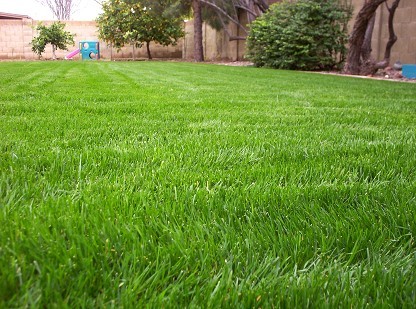
Bermuda grass has a fine texture and dark green color. It spreads quickly using underground stems called rhizomes. This makes it thick and dense, which helps block weeds. It likes full sun and grows best in temperatures above 75°F. Bermuda grass is drought-tolerant and recovers fast after heavy use. It goes dormant and turns brown in cold weather but bounces back in spring.
Why Choose Bermuda Grass For Phoenix
Phoenix has hot summers and little rain. Bermuda grass handles heat and dry soil better than many grasses. It needs less water, saving you money and effort. This grass stands up well to foot traffic, making it good for yards and parks. It also resists pests and diseases common in warm areas. Choosing Bermuda grass means a green, healthy lawn in Phoenix’s tough climate.

Credit: www.youtube.com
Ideal Planting Time
Plant Bermuda grass in Phoenix during late spring to early summer. Warm soil helps seeds grow strong and fast. Avoid planting in cold months to ensure healthy grass.
Optimal Temperature Range
Bermuda grass grows best in warm temperatures. The ideal soil temperature for planting is between 65°F and 75°F. At these temperatures, Bermuda grass seeds germinate quickly and roots establish well. Planting outside this range slows growth and weakens the grass.
In Phoenix, soil reaches this warmth typically in early spring. Planting too early risks cold damage. Waiting until soil heats up ensures stronger grass growth.
Seasonal Considerations In Phoenix
Spring is the best season to plant Bermuda grass in Phoenix. The weather warms steadily, and rainfall is minimal. This helps seedlings grow without too much water stress or disease risk. Avoid planting in late fall or winter because cold nights can harm young grass.
Summer heat can be intense, so planting before peak summer helps grass settle. Early spring planting gives Bermuda grass enough time to develop before summer heat arrives.
Soil Preparation Tips
Preparing the soil well is key to growing healthy Bermuda grass in Phoenix. Good soil helps grass roots grow strong and take up nutrients easily. It also improves water drainage, which is important in hot climates.
Start by checking the soil condition. Then, make changes to improve it. Finally, make sure the ground is smooth and ready for planting.
Soil Testing And Amendments
Test the soil to know its pH and nutrient levels. You can buy a simple test kit or send a sample to a lab. Bermuda grass prefers soil with pH between 6.0 and 7.0.
Add lime if the soil is too acidic. Use sulfur to lower pH if it is too high. Add fertilizer based on test results to supply needed nutrients. These steps help create the best soil for grass growth.
Tilling And Leveling
Loosen the soil by tilling it to about 4 to 6 inches deep. This breaks up hard soil and lets roots grow easily. Remove rocks, weeds, and debris before tilling.
Level the area after tilling. Use a rake to make the surface even and smooth. This prevents water from pooling and helps seed spread uniformly. Proper soil preparation sets a strong base for healthy Bermuda grass.
Planting Methods
Choosing the right planting method helps your Bermuda grass grow strong in Phoenix. Each method fits different needs and budgets. Understanding these options makes your lawn care easier. Here are common planting methods for Bermuda grass.
Seeding Techniques
Seeding is the most affordable way to plant Bermuda grass. Spread seeds evenly over prepared soil. Lightly rake the area to cover seeds with soil. Water gently but regularly to keep soil moist. Seeds usually sprout in 7 to 14 days. This method needs patience and care for good results.
Sodding Process
Sodding gives instant green coverage. Lay pre-grown Bermuda grass rolls on the soil. Press the sod firmly to remove air pockets. Water immediately to help roots settle. Sod is best for quick lawns and heavy use areas. It costs more but saves time and effort.
Sprigging And Plugging
Sprigging uses small grass pieces planted into the soil. Spread sprigs evenly and press them down. Water daily until roots grow strong. Plugging means planting small grass patches spaced apart. Both methods take longer to fill the lawn. Good for uneven spots and budget-friendly planting.
Watering Guidelines
Watering Bermuda grass in Phoenix needs care and attention. Proper watering helps the grass grow strong and stay green. Water at the right time to avoid stress on the grass. The dry climate makes it important to follow a good watering plan.
Initial Watering Schedule
Right after planting, water the grass daily. Keep the soil wet but not soaked. Water in the early morning for best results. This helps the grass roots start growing deep. Avoid watering late in the day to prevent disease.
Maintaining Moisture For Growth
After the grass starts growing, reduce watering to every two or three days. Water deeply to reach the roots. This encourages strong root development. Watch the grass color; dull green means it needs water. Adjust watering during hot days to keep moisture steady.
Fertilizing Bermuda Grass
Fertilizing Bermuda grass is key to keeping your lawn green and healthy in Phoenix. The right fertilizer feeds the grass essential nutrients. It helps the grass grow thick and resist drought and heat. Knowing the best fertilizer types and the right timing makes a big difference. Healthy Bermuda grass adds beauty and value to your home.
Best Fertilizer Types
Choose fertilizers with a balanced mix of nitrogen, phosphorus, and potassium. Nitrogen helps the grass grow fast and stay green. Phosphorus supports strong roots. Potassium improves stress tolerance. Look for fertilizers labeled for Bermuda grass or warm-season lawns. Slow-release fertilizers work well. They feed the grass over time and reduce the risk of burning.
Timing And Frequency
Start fertilizing when the grass begins growing in spring, usually April in Phoenix. Apply fertilizer every six to eight weeks during the growing season. Stop feeding the grass by late summer or early fall. Over-fertilizing can harm the lawn and waste money. Follow package instructions for the right amount. Water the lawn after applying fertilizer to help nutrients soak in.
Common Challenges
Planting Bermuda grass in Phoenix presents some common challenges. These challenges affect the health and growth of your lawn. Understanding these problems helps you take the right steps to care for your grass. Two major challenges are pests and diseases, and dealing with heat stress. Both require attention to keep your lawn green and strong.
Pests And Diseases
Bermuda grass in Phoenix can attract many pests. Grubs, armyworms, and chinch bugs often damage the grass roots and blades. These pests make the lawn weak and patchy. Fungal diseases like brown patch and dollar spot also harm the grass. They cause yellow or brown spots on the lawn. Early detection and treatment are important. Use natural or chemical controls to manage pests and diseases. Regular lawn checks help catch problems early.
Dealing With Heat Stress
Heat stress is a big problem for Bermuda grass in Phoenix. High temperatures dry out the soil quickly. The grass can turn brown and stop growing. Watering deeply and less often helps the roots grow strong. Avoid watering during the hottest part of the day. Choose a planting time when the weather is warm but not too hot. Mulching can keep the soil moist and cool. Heat stress needs careful care to keep Bermuda grass healthy.
Maintenance For Success
Maintaining Bermuda grass well is key to a healthy lawn in Phoenix. Good care helps the grass grow strong and green. Regular tasks keep the grass thick and free of weeds. Follow simple steps for the best results.
Mowing Practices
Cut Bermuda grass often during the growing season. Keep the height between 1 and 2 inches. Short grass stops weeds and lets sunlight reach the roots. Use a sharp mower blade for clean cuts. Avoid cutting too low to prevent stress. Mow when the grass is dry to reduce damage.
Aeration And Thatch Control
Aerate the soil once or twice a year. This allows air, water, and nutrients to reach roots. Use a core aerator for best results. Thatch is a layer of dead grass that blocks growth. Remove thatch if it gets thicker than half an inch. Dethatching helps Bermuda grass breathe and absorb water better.
Credit: www.phoenixtropicals.com
Frequently Asked Questions
When Is The Best Time To Plant Bermuda Grass In Phoenix?
The ideal time to plant Bermuda grass in Phoenix is late spring to early summer. Soil temperatures should reach at least 65°F for optimal germination and growth. This timing ensures the grass establishes well before the intense summer heat.
How Long Does Bermuda Grass Take To Grow In Phoenix?
Bermuda grass typically takes 7 to 21 days to germinate in Phoenix’s warm climate. Full establishment usually occurs within 6 to 8 weeks when proper watering and care are provided.
Can Bermuda Grass Survive Phoenix’s Summer Heat?
Yes, Bermuda grass thrives in Phoenix’s intense summer heat. It is drought-tolerant and heat-resistant, making it ideal for the region’s hot, dry conditions.
Should I Water Bermuda Grass Immediately After Planting?
Yes, water Bermuda grass immediately after planting to keep the soil moist. Consistent watering during the first few weeks promotes strong root development and healthy growth.
Conclusion
Plant Bermuda grass in Phoenix during warm months. The best time is late spring to early summer. Soil warms up enough for seeds to grow fast. Water regularly but avoid overwatering. Grass will spread quickly in hot weather. Planting too early or late slows growth.
Healthy grass needs sunlight and good care. Follow these tips for a green, thick lawn. Enjoy a strong, vibrant Bermuda lawn all year. Timing matters most for success. Start planting when temperatures stay above 65°F. Your lawn will thank you.
