

Are you ready to transform your lawn into a lush, green paradise? Knowing exactly when to plant Bermuda grass in South Carolina can make all the difference.
Plant too early, and your grass might struggle; wait too long, and you could miss the prime growing window. This guide will help you pinpoint the perfect time to start, so your lawn thrives and becomes the envy of your neighborhood.
Keep reading to discover the secrets to a healthy, vibrant Bermuda grass lawn tailored for South Carolina’s unique climate.
Bermuda Grass Basics
Bermuda grass is a popular choice for lawns in South Carolina. It thrives in warm weather and handles heat well. This grass grows quickly and recovers from damage fast. Knowing the basics of Bermuda grass helps you care for it better. It also guides you on the best time to plant it.
Bermuda grass comes in different types. Each type has unique traits. Choose the right type for your lawn needs and climate.
Types Of Bermuda Grass
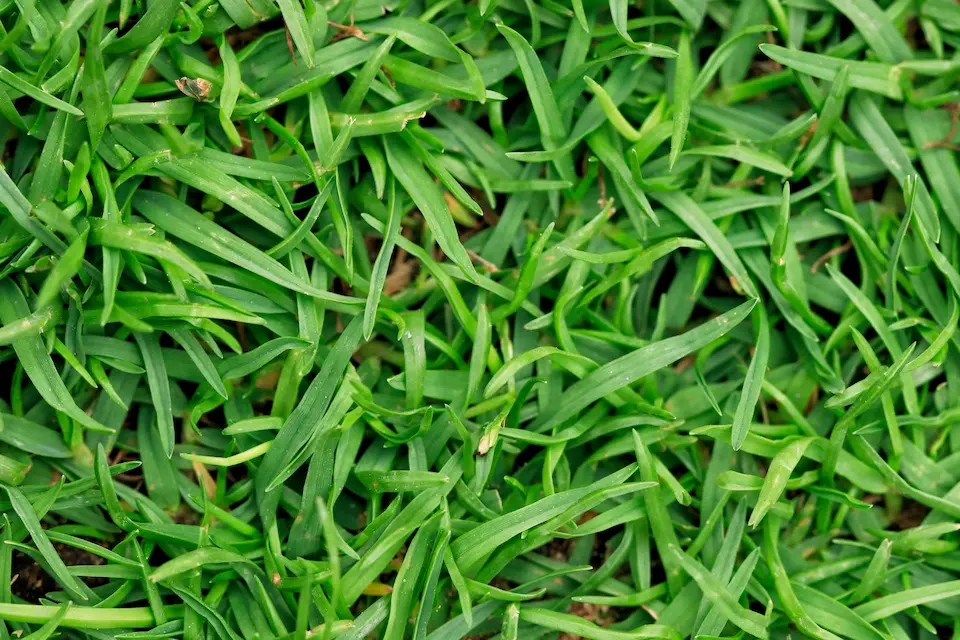
Common Bermuda grass is the most used type. It grows fast and is easy to maintain. Hybrid Bermuda grass is finer and denser. It looks great for sports fields and golf courses. There is also African Bermuda grass. It is drought-tolerant and grows well in poor soil. Each type suits different lawn styles and care levels.
Benefits Of Bermuda Grass In South Carolina
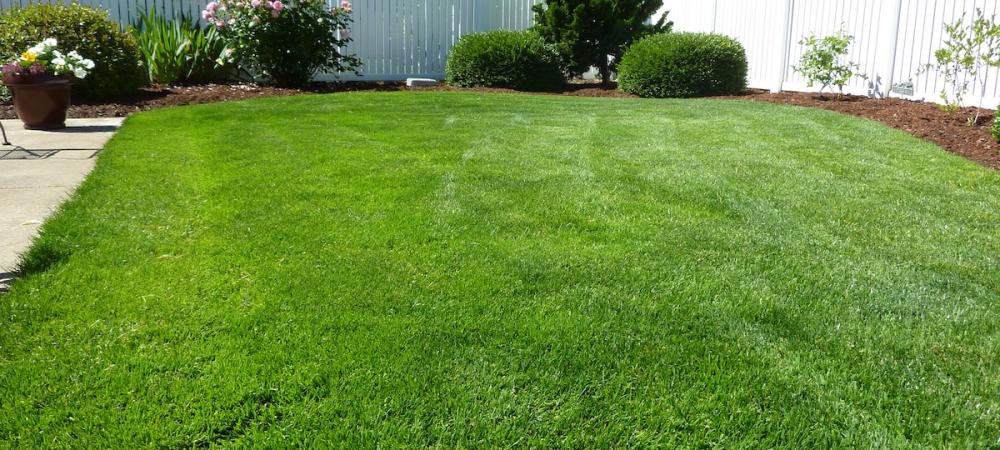
Bermuda grass handles South Carolina’s hot summers well. It stays green and healthy with regular watering. The grass recovers from foot traffic quickly. It resists pests and diseases better than many other grasses. Bermuda grass also helps control soil erosion. Its thick roots keep soil in place during heavy rains. This grass is a strong choice for many South Carolina lawns.
Credit: www.trianglelawns.com
Ideal Planting Time
Choosing the right time to plant Bermuda grass in South Carolina is key to a healthy lawn. Planting at the ideal time helps the grass grow strong and green quickly. Understanding the climate, soil temperature, and weather patterns will guide you to the best planting window.
Climate Factors In South Carolina
South Carolina has warm summers and mild winters. The climate supports Bermuda grass because it thrives in heat. Planting should happen during the warm months to avoid frost damage. Early spring and late summer are often good times. This gives the grass enough warmth to establish before cold weather.
Soil Temperature Requirements
Bermuda grass seeds need soil temperatures above 65°F to grow well. Soil temperature matters more than air temperature. Use a soil thermometer to check before planting. Warm soil helps seeds germinate faster and roots grow deeper. Planting too early in cold soil slows growth and risks seed failure.
Seasonal Weather Patterns
Spring rains in South Carolina help Bermuda grass seeds stay moist. This moisture is crucial for seed germination. Avoid planting during dry spells to prevent seed drying. Summer heat promotes fast growth but can dry the soil quickly. Watering often during hot months supports new grass. Fall planting is possible but risks early frost. Timing planting around these patterns improves success.
Preparing Your Lawn
Preparing your lawn is the first step to growing healthy Bermuda grass in South Carolina. Good preparation helps the grass take root and grow strong. It starts with checking the soil and clearing the area. Then, adding the right nutrients will support new grass growth.
Each step is important. Taking time now will make your lawn look better later.
Soil Testing And Preparation
Test the soil to know its pH and nutrient levels. Bermuda grass grows best in soil with a pH between 5.8 and 7.0. Use a simple soil test kit or send a sample to a local extension office. This helps you understand what your soil needs.
After testing, loosen the soil by tilling or aerating. This improves air and water flow. Remove rocks and debris that block roots. Smooth the surface to make planting easier.
Clearing Existing Vegetation
Remove old grass and weeds before planting Bermuda grass. These plants compete for water and nutrients. Use a rake or lawn mower to clear the area. For stubborn weeds, try a safe herbicide or manual removal.
Clearing ensures new grass has space to grow. It reduces disease risk and helps roots spread evenly.
Fertilizing Tips
Apply fertilizer after soil testing. Use a balanced fertilizer with nitrogen, phosphorus, and potassium. Nitrogen helps green growth. Phosphorus boosts roots. Potassium strengthens the grass.
Follow the product instructions for the correct amount. Avoid over-fertilizing, which can harm the grass. Water the lawn lightly after applying fertilizer to help nutrients soak in.
Planting Methods
Choosing the right planting method helps Bermuda grass grow strong in South Carolina. Each method has its own steps and benefits. Understanding these methods makes planting easier and more effective.
Seeding
Seeding uses grass seeds spread over the soil. It is the cheapest way to start a lawn. Seeds must touch the soil for good growth. Water the area gently to keep seeds moist. Germination takes about 7 to 21 days. Seeding works best in spring or early summer.
Sodding
Sodding uses pre-grown grass cut into squares. Lay the sod pieces tightly on the soil. Press them down to remove air pockets. Water the sod immediately after planting. Sod gives instant green grass and reduces weeds. This method is more expensive than seeding.
Sprigging
Sprigging plants small pieces of Bermuda grass stems. These sprigs are placed in rows on prepared soil. Cover the sprigs lightly with soil. Water the area often to keep it moist. Sprigging takes longer to fill in than sodding. It costs less than sod but more than seeding.
Watering And Maintenance
Watering and maintenance are key to growing healthy Bermuda grass in South Carolina. Proper care helps the grass establish strong roots and stay green through the hot months. Knowing the right watering schedule and maintenance steps makes a big difference in lawn health.
Initial Watering Schedule
Start watering immediately after planting Bermuda grass seeds or sod. Water lightly but often to keep the soil moist. Aim for 3 to 4 times a day during the first two weeks. Each watering should wet the soil about 1 inch deep. Avoid overwatering to prevent disease and root rot.
Ongoing Lawn Care
Once the grass is established, reduce watering to once or twice a week. Water deeply to encourage roots to grow deeper. Early morning is the best time to water. Mow the grass regularly, keeping it about 1 to 2 inches tall. Remove weeds and dead grass to improve air flow.
Pest And Weed Control
Check your lawn often for pests like grubs or mites. Use safe insecticides if pests damage the grass. Control weeds early to stop them from spreading. Apply a pre-emergent weed killer in early spring. Maintain healthy grass to naturally resist pests and weeds.
Credit: fortsmithlandscaping.com
Common Challenges
Bermuda grass grows well in South Carolina’s warm climate. Still, gardeners face some common challenges. These can affect how healthy and green your lawn looks. Knowing these problems helps you prepare and care better for your grass.
Dealing With Drought
South Carolina can have dry spells in summer. Bermuda grass needs water to stay green and strong. Lack of water makes grass turn brown and weak. Water deeply but less often to save moisture. Early morning watering helps reduce evaporation. Mulch around the grass can keep soil moist longer.
Managing Soil Issues
Soil quality affects how well Bermuda grass grows. South Carolina soils can be sandy or clay-heavy. Sandy soil drains too fast and loses nutrients. Clay soil holds water but can become compacted. Test your soil to know its type and pH level. Add compost or fertilizer to improve soil health. Aerate compacted soil to let air and water in.
Handling Lawn Diseases
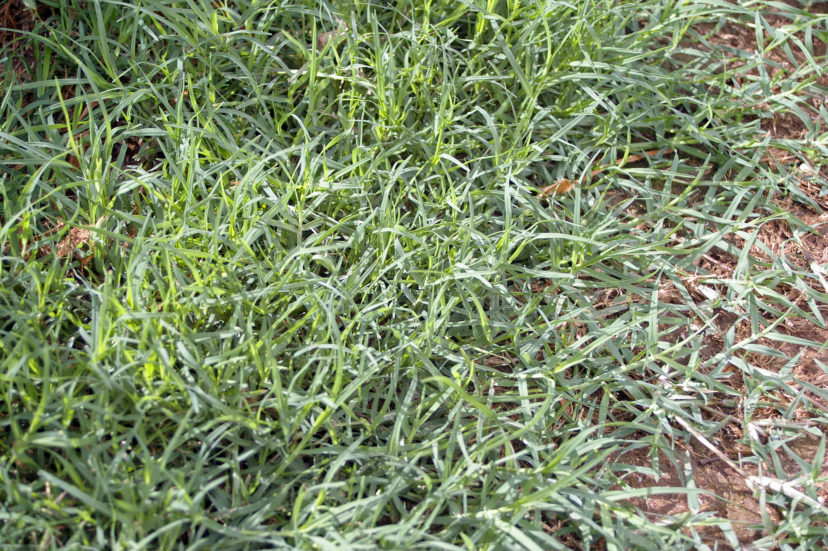
Bermuda grass can get diseases like brown patch or dollar spot. These diseases cause spots or patches on your lawn. Warm, wet weather makes diseases spread faster. Mow your lawn regularly but not too short. Remove grass clippings to reduce disease risk. Use fungicides only when needed and follow instructions carefully.
Timing Adjustments For 2026
Planting Bermuda grass in South Carolina requires attention to the right timing. For 2026, some timing changes are necessary. These changes depend on weather patterns and seasonal shifts. Adjusting your planting schedule will help your grass grow strong and healthy.
Weather Forecast Impact
Weather in South Carolina can vary each year. In 2026, experts predict warmer springs and wetter conditions. These changes affect soil temperature and moisture. Soil must be warm enough for Bermuda seeds to sprout. Wet soil can delay planting and cause seed rot. Monitor local weather forecasts closely before planting. Adjust your timing based on rainfall and temperature trends.
Recommended Planting Windows
For 2026, the best planting time starts in late April. This period ensures soil temperatures stay above 65°F. Planting too early risks cold damage to young grass. Late May is the final window for planting. This gives enough time for grass to establish before summer heat. Avoid planting after mid-June to prevent stress on the grass. Follow these windows for a healthy Bermuda lawn.
Credit: hgic.clemson.edu
Frequently Asked Questions
When Is The Best Time To Plant Bermuda Grass In South Carolina?
The best time to plant Bermuda grass in South Carolina is late spring to early summer. Soil temperatures should be above 65°F for optimal germination and growth. This period ensures warm weather, which supports healthy root development and lawn establishment.
How Long Does Bermuda Grass Take To Grow In South Carolina?
Bermuda grass typically takes 2 to 3 weeks to germinate in South Carolina. Full lawn establishment can take 6 to 8 weeks. Warm temperatures and proper watering speed up growth and help create a dense, healthy turf.
Can Bermuda Grass Survive South Carolina Winters?
Bermuda grass goes dormant in South Carolina winters but survives well. It turns brown but revives with warmer spring temperatures. Proper lawn care in fall improves its winter hardiness and spring recovery.
Should I Water Bermuda Grass Immediately After Planting?
Yes, water Bermuda grass immediately after planting to keep soil moist. Consistent watering is crucial during the first few weeks for seed germination and root establishment. Avoid overwatering to prevent disease and seed washout.
Conclusion
Planting Bermuda grass in South Carolina works best in warm months. The soil should feel warm, usually after mid-April. Early planting helps grass grow strong and green. Avoid cold or wet times to protect young grass. Keep watering and caring for your lawn after planting.
Healthy Bermuda grass makes your yard look great all summer. Follow these tips for a lush, green lawn. Start planting at the right time and enjoy beautiful grass soon.
