

Are you ready to transform your yard into a lush, green paradise? Knowing exactly when to plant Bermuda grass seed in Texas can make all the difference between a patchy lawn and a thick, healthy carpet of grass.
Plant too early or too late, and you might face slow growth or bare spots that frustrate you. But plant at the right time, and your lawn will thrive, making your outdoor space the envy of the neighborhood. Keep reading to discover the best timing and tips that will help you grow a vibrant Bermuda grass lawn all year round.
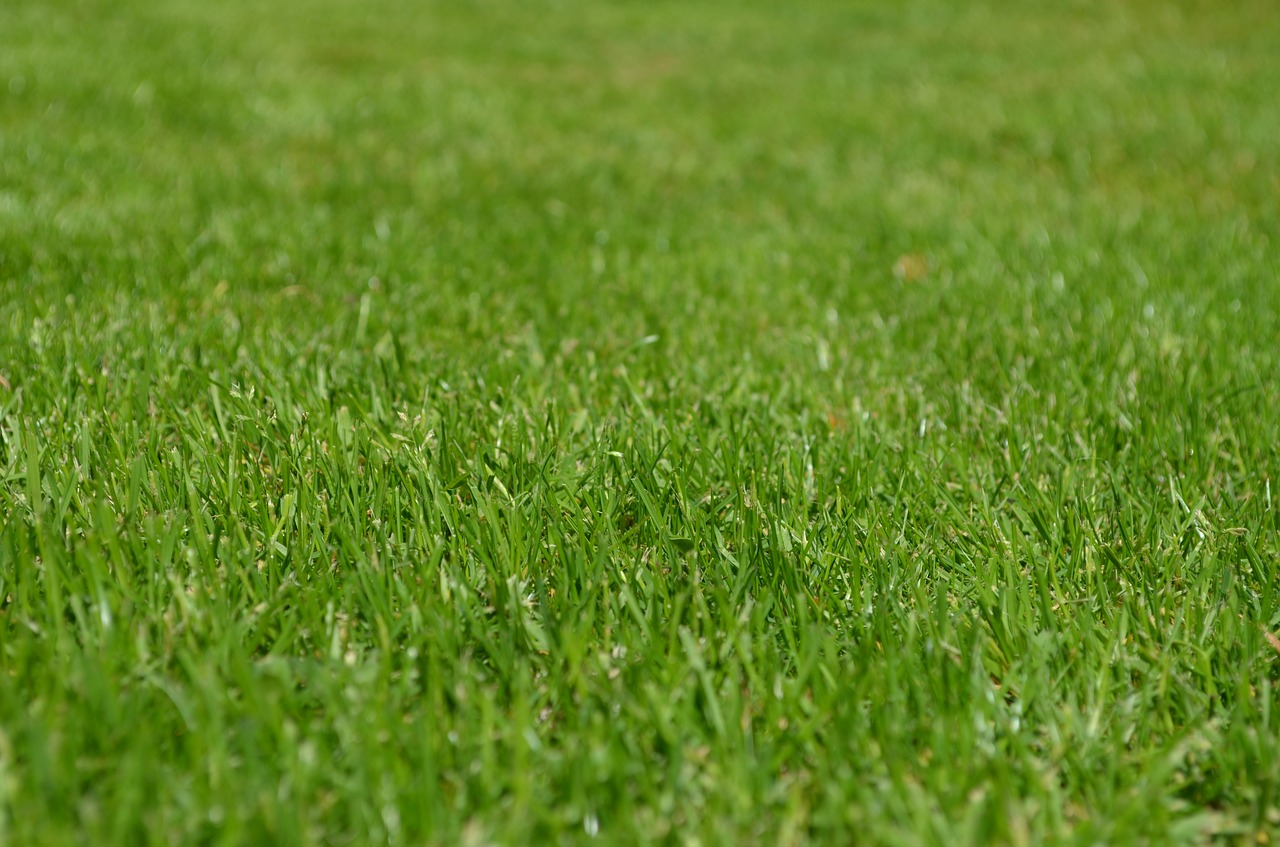
Credit: www.grassworksaustin.com
Best Planting Time
Choosing the best time to plant Bermuda grass seed in Texas is key to a healthy lawn. Planting at the right moment helps seeds grow fast and strong. It also reduces the chance of weeds and lawn problems. Knowing the best planting time depends on temperature, season, and location in Texas.
Ideal Temperature Range
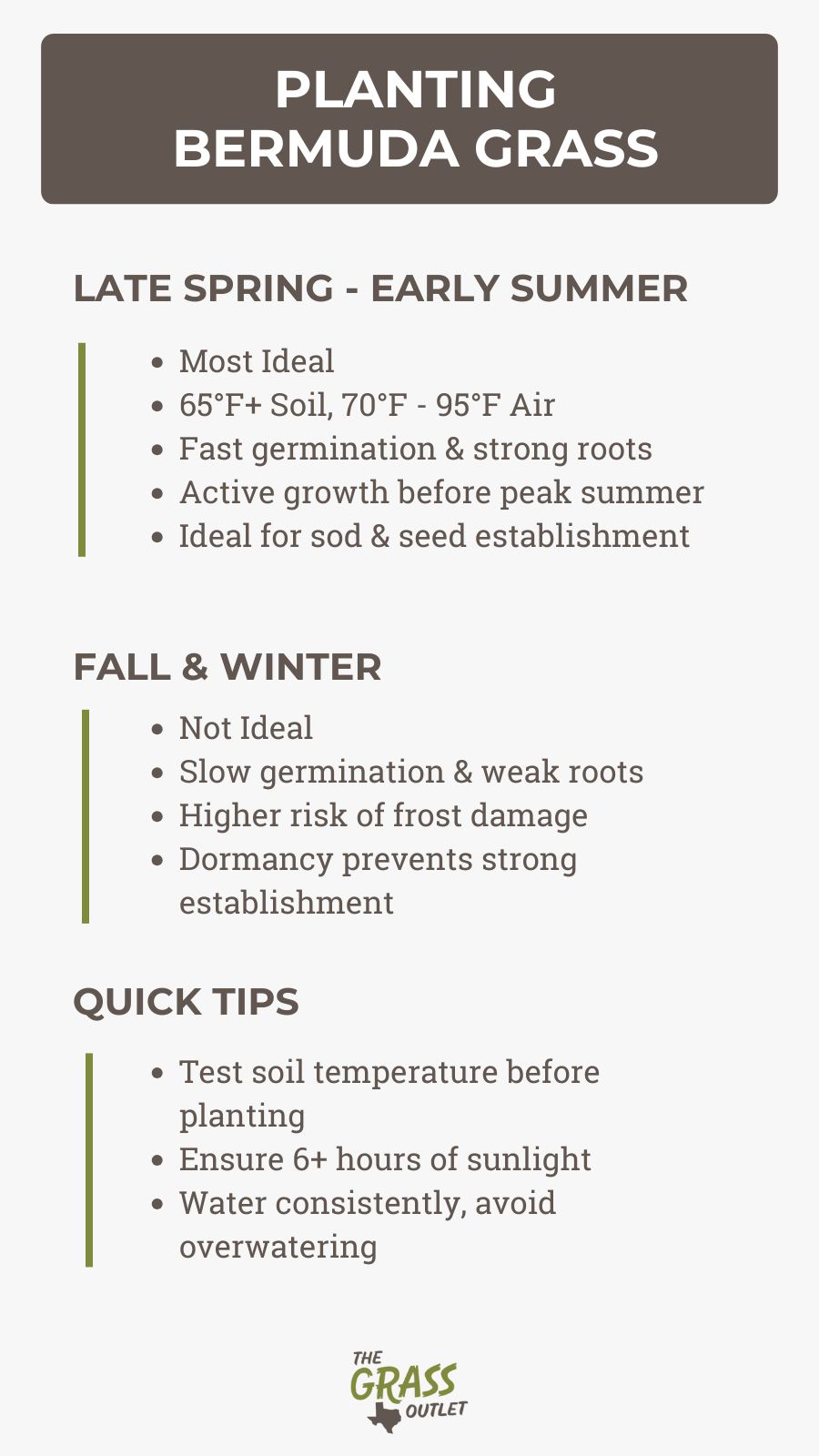
Bermuda grass seed needs soil temperatures between 65°F and 75°F. This warmth helps seeds sprout quickly. Too cold or too hot soil slows growth or kills seeds. Check soil temperature before planting for best results.
Seasonal Considerations
Spring and early summer are perfect for planting Bermuda grass seed. The soil warms up after winter. Rainfall during this time helps keep soil moist. Avoid planting in fall or winter as cold weather stops seed growth.
Regional Variations In Texas
Texas has different climates, so planting times vary. In South Texas, plant as early as March. Central Texas is best in April or May. In North Texas, wait until late April or early May to plant. Follow local weather patterns for better results.
Preparing The Soil
Preparing the soil is the first step to a healthy Bermuda grass lawn in Texas. Good soil helps seeds grow strong roots. Proper preparation boosts seed germination and lawn durability. Take time to ready the soil before planting.
Soil Testing Tips
Test soil to know its pH and nutrients. Use a soil test kit from a garden store. Take samples from different lawn spots. Mix samples and send them to a lab or use a home test kit. Results show if soil needs changes for better growth.
Amending Soil For Growth
Adjust soil based on test results. Add lime to raise pH or sulfur to lower it. Mix compost or organic matter to improve soil texture. Fertilize with nitrogen, phosphorus, and potassium as needed. Well-amended soil supports healthy Bermuda grass roots.
Clearing And Leveling
Remove rocks, weeds, and debris from the area. Clear old grass or thatch for better seed contact. Level the soil using a rake or lawn roller. Smooth soil helps seeds settle evenly. Even ground prevents water pooling and dry spots.
Choosing Quality Seed
Choosing quality Bermuda grass seed is key to a healthy lawn in Texas. Good seed grows strong, resists drought, and stays green longer. Poor seed can lead to patchy grass and more work later. Focus on seed type, purity, and freshness for best results.
Planting the right seed helps your lawn survive Texas heat. It also saves money on water and lawn care. Let’s explore how to pick the best Bermuda grass seed.
Seed Varieties For Texas
Bermuda grass comes in many varieties. Some types handle heat and drought better than others. Common varieties for Texas include Common Bermuda, Tifway 419, and Celebration. Each type has unique traits like color, texture, and growth speed. Choose a variety that fits your lawn size and use.
Certified Seed Benefits
Certified seeds guarantee quality and purity. They are tested to meet strict standards. Certified seed has fewer weed seeds and diseases. Using certified seed improves lawn success and reduces problems. It may cost more but saves time and effort later.
Seed Storage Tips
Store seeds in a cool, dry place. Avoid heat and moisture to keep seed alive. Use airtight containers to protect seeds from pests. Check seed age before planting. Old seeds may have lower germination rates. Proper storage helps seeds stay fresh for the next planting season.
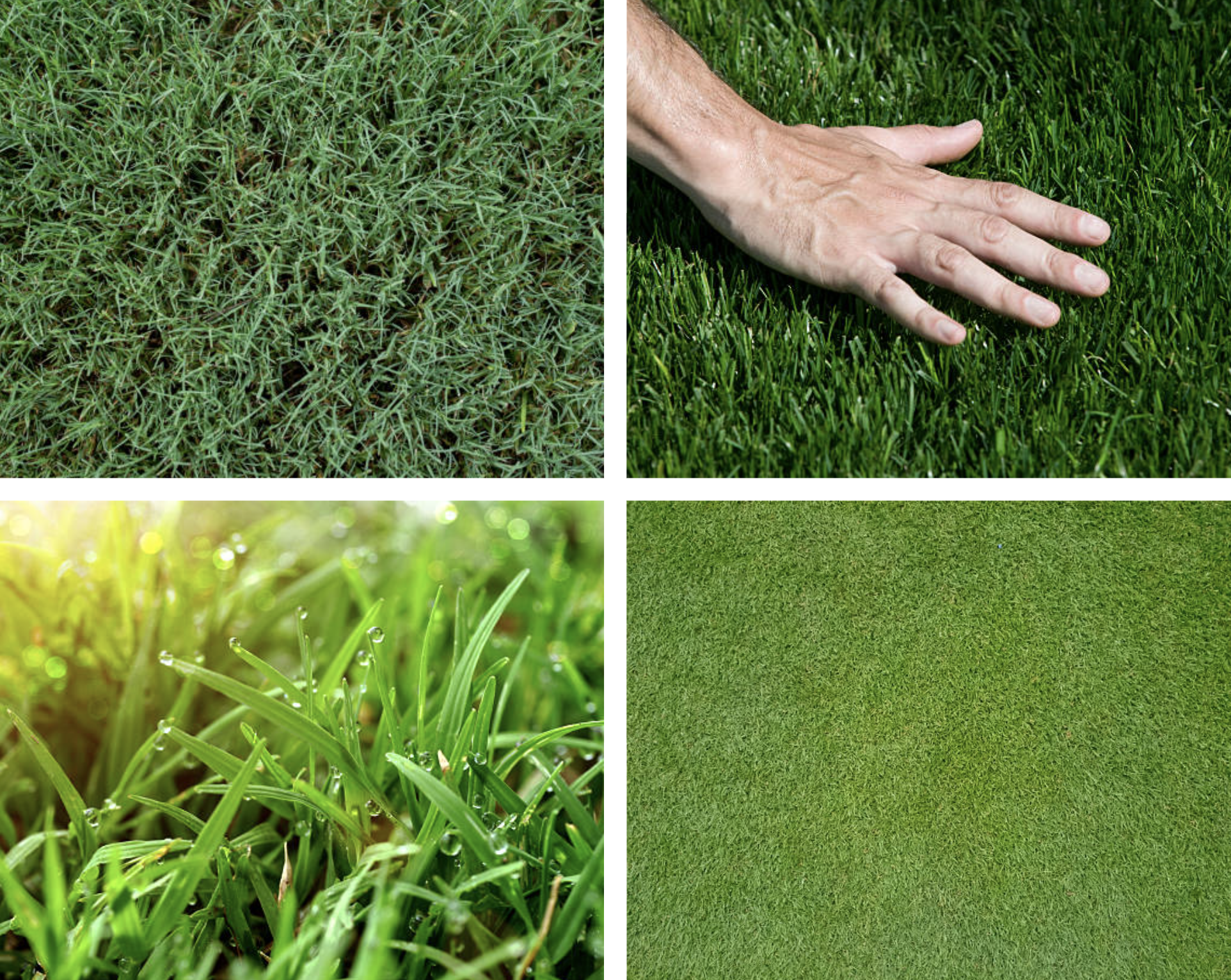
Credit: frontporchnewstexas.com
Seeding Techniques
Planting Bermuda grass seed in Texas needs careful seeding techniques. These steps help the grass grow strong and healthy. Good seeding improves the chances of a lush, green lawn. Understanding the right methods is key for success.
Below are important tips on how to seed Bermuda grass effectively.
Broadcasting Methods
Broadcasting means spreading seeds evenly over the soil. Use a hand spreader or a mechanical spreader for best results. Walk in straight lines to cover the area uniformly. Avoid dumping too many seeds in one spot. Even coverage helps the grass grow evenly and thick.
Seed Depth And Spacing
Plant Bermuda grass seeds shallow, about 1/8 inch deep. Press seeds lightly into the soil but do not cover them with too much dirt. Keep seeds spaced about 1 to 2 inches apart. Proper spacing prevents crowding and allows each seed to get enough light and nutrients.
Watering After Seeding
Water the seeded area gently but thoroughly right after planting. Keep the soil moist but not soggy. Water two to three times a day until the seeds start to sprout. After sprouting, reduce watering to once a day. Consistent moisture helps seeds germinate and grow strong roots.
Caring For New Grass
Taking care of new Bermuda grass seed in Texas is very important. The young grass needs the right care to grow strong and healthy. Proper watering, feeding, and protection from weeds and pests help the grass develop deep roots. This care helps the lawn stay green and thick for a long time.
Good care also stops problems before they start. A healthy lawn means fewer weeds and less damage from bugs. Follow simple steps to give your new grass the best chance to grow well.
Irrigation Schedule
Water the new grass lightly but often. Aim for short watering sessions, two to three times daily. Keep the soil moist but not soggy. After two weeks, water once a day deeply. This helps roots grow deep into the soil. Reduce watering as the grass grows stronger.
Fertilization Guidelines
Start fertilizing about four weeks after planting. Use a fertilizer made for Bermuda grass. Apply a small amount at first. Too much fertilizer can burn new grass. Repeat feeding every six to eight weeks during growing season. This gives the grass the nutrients it needs to grow thick and green.
Weed And Pest Control
New grass is weak and can be crowded out by weeds. Hand-pull weeds or use a mild weed control product safe for young grass. Watch for pests like grubs and chinch bugs. Use pest control only if you see damage. Healthy grass fights off weeds and bugs better.
Credit: thegrassoutlet.com
Common Challenges
Planting Bermuda grass seed in Texas comes with some common challenges. These challenges can affect how well your grass grows. Understanding these issues helps you take better care of your lawn. Here are a few key problems and how to manage them for a healthy yard.
Dealing With Drought
Texas often faces dry spells that stress Bermuda grass. Lack of water can slow seed growth and cause patchy lawns. Water your grass early in the morning or late in the evening. This reduces water loss from evaporation. Use deep watering techniques to help roots grow strong. Mulching around the seed can keep the soil moist longer.
Preventing Soil Erosion
Loose soil can wash away seeds during heavy rains. This loss reduces grass coverage and slows lawn growth. Plant seeds on gentle slopes or flat areas when possible. Use erosion control mats or straw to hold soil in place. Avoid planting before heavy rain is expected. Keep the soil covered until grass roots establish firmly.
Managing Thatch Build-up
Thatch is a layer of dead grass and roots on the soil surface. Too much thatch blocks water and nutrients from reaching roots. It also makes the lawn look unhealthy. Rake your lawn regularly to remove excess thatch. Aerate the soil to improve air and water flow. Avoid over-fertilizing, which can increase thatch growth.
Frequently Asked Questions
When Is The Best Time To Plant Bermuda Grass Seed In Texas?
The best time to plant Bermuda grass seed in Texas is late spring to early summer. Soil temperatures should be consistently above 65°F for optimal germination. Planting during this period ensures strong growth before the hot summer months.
How Long Does Bermuda Grass Seed Take To Germinate?
Bermuda grass seed typically takes 7 to 14 days to germinate under ideal conditions. Warm soil and consistent moisture speed up this process. Cooler temperatures or dry soil can delay germination significantly.
Can Bermuda Grass Be Planted In Fall In Texas?
Planting Bermuda grass in fall is not recommended in Texas. Cooler soil temperatures slow seed germination and growth. It’s better to plant in late spring or early summer for successful establishment.
What Soil Conditions Are Ideal For Bermuda Grass Seed?
Bermuda grass thrives in well-drained, sandy or loamy soil with a pH between 5. 8 and 7. 0. Good soil aeration and moderate fertility promote healthy growth. Avoid heavy clay or waterlogged soils.
Conclusion
Planting Bermuda grass seed in Texas needs good timing. Spring and early summer are best. The soil warms up, helping seeds grow fast. Water the seeds often but not too much. Watch for weeds and keep the area clean. Good care makes your lawn green and healthy.
Patience matters—grass takes time to grow well. Follow these simple steps for a strong lawn. Enjoy a beautiful yard that lasts through the Texas heat. Start planting at the right time and see great results.
