
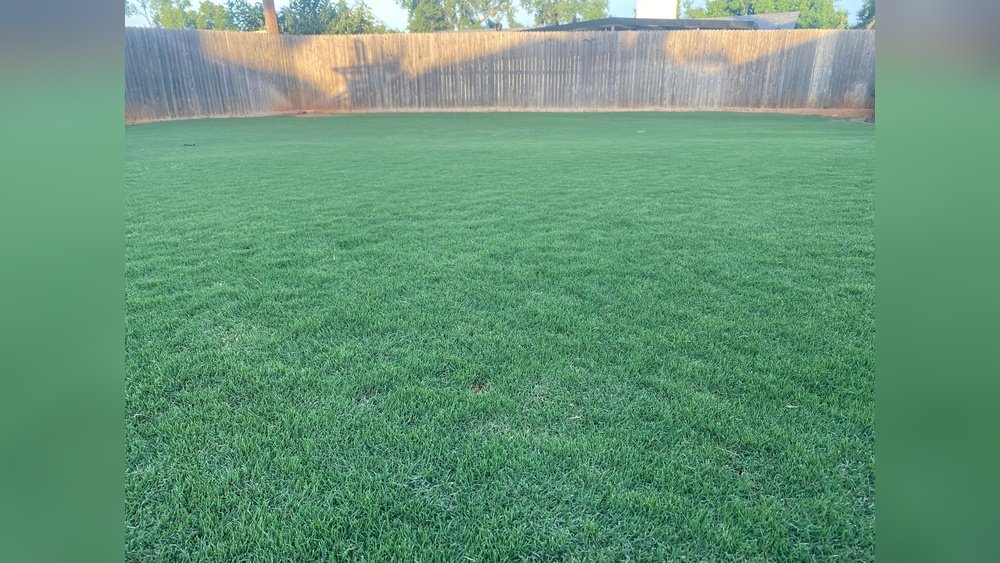
Is your Bermuda grass looking patchy or thin? You might be wondering when the best time is to reseed and bring your lawn back to life.
Knowing the right moment to reseed can save you time, effort, and money. You’ll discover the key signs to watch for and the ideal seasons to give your Bermuda grass a fresh start. Keep reading to learn how to get a thick, green lawn that stands out in your neighborhood.
Credit: reddilawnmaintenance.com
Best Time To Reseed
Knowing the best time to reseed Bermuda grass helps ensure a thick, healthy lawn. Choosing the right moment helps grass grow faster and stronger. Timing affects seed germination and root development. This section explains the ideal seasons and conditions for reseeding Bermuda grass.
Ideal Seasons For Reseeding
Late spring and early summer are the best times to reseed Bermuda grass. Warm weather encourages quick seed germination. Grass grows well during these months because days are longer. Avoid reseeding in cold or very hot months. Fall can work but may not give seeds enough time to grow strong before winter.
Temperature And Soil Conditions
Soil temperature should be between 65 and 75 degrees Fahrenheit for best results. This range helps seeds sprout quickly. Air temperature between 70 and 85 degrees supports healthy growth. Soil must be moist but not soggy. Dry soil slows seed germination. Warm soil and good moisture create perfect conditions for Bermuda grass seeds.

Credit: www.youtube.com
Signs You Need To Reseed
Knowing the signs that show your Bermuda grass needs reseeding helps keep your lawn healthy. Watch your lawn closely for changes. Early action saves time and effort later. Reseeding at the right time brings back a thick, green lawn. Below are key signs that tell you when to reseed Bermuda grass.
Bald Patches And Thinning Grass
Bald patches appear when grass dies or wears out. These spots let soil show through, making the lawn look old. Thinning grass means fewer blades grow in an area. It feels rough and looks weak. Both signs need reseeding to fill empty spaces. This helps the lawn stay full and soft underfoot.
Weed Invasion And Lawn Damage
Weeds grow fast where grass is thin or missing. They take water and nutrients from the soil. Weeds make the lawn look messy and unhealthy. Lawn damage from pets, foot traffic, or pests also harms grass roots. These problems stop grass from growing well. Reseeding helps repair damage and blocks weeds. This keeps the lawn strong and green.
Preparing Your Lawn
Preparing your lawn properly is key before reseeding Bermuda grass. This step helps new grass grow strong and healthy. A well-prepared lawn gives seeds a good place to start. It also helps prevent weeds and other problems later. Follow these simple steps to get your lawn ready.
Clearing Debris And Dead Grass
Remove leaves, sticks, and any trash from the lawn. Dead grass and old thatch block seeds from reaching the soil. Use a rake or lawn mower to clear these away. This opens up space for new grass to grow. Clean soil helps seeds absorb water and nutrients better.
Soil Testing And Amendments
Test the soil to check its pH and nutrient levels. Soil testing kits are easy to use and affordable. Knowing the soil condition helps you add the right fertilizers. Lime can raise pH if the soil is too acidic. Sulfur lowers pH if it is too alkaline. Mix amendments into the soil before seeding for best results.
Choosing The Right Seed
Choosing the right seed is key to a healthy Bermuda grass lawn. The right seed ensures strong growth, good color, and resistance to pests. It helps your lawn fill in bare spots quickly and stay green through warm seasons. Picking the seed that fits your climate and soil type saves time and effort later. Understanding different seed options and quality factors helps you make the best choice for reseeding.
Seed Varieties For Bermuda Grass
Bermuda grass comes in several seed varieties. Common types include common Bermuda, hybrid Bermuda, and improved varieties. Common Bermuda seeds are cheaper but grow slower and are less dense. Hybrid types grow fast and handle wear better, but they cost more. Improved varieties balance growth speed and durability well. Choose a variety that fits your lawn use and climate. Warm climates suit Bermuda grass best.
Quality And Quantity Considerations
High-quality seeds have high germination rates and fewer weed seeds. Check the seed label for purity and germination percentage. Buying fresh seed improves your lawn’s success. The amount of seed depends on your lawn size and soil condition. Use recommended seeding rates on the package. Too little seed leaves gaps, while too much wastes money. Proper seed depth and watering after planting help seeds grow well.
Reseeding Techniques
Reseeding Bermuda grass requires careful steps. Good techniques ensure strong, healthy growth. Focus on spreading seeds evenly and caring for them after planting. These steps help the new grass take root fast and look lush.
Seed Spreading Methods
Even seed spread is key for thick Bermuda grass. Use a handheld spreader for small areas. For large lawns, try a drop spreader. Spread seeds in two directions. This covers all spots without gaps. Lightly rake the soil after spreading. This helps seeds contact soil well.
Watering And Fertilizing Tips
Water seeds gently but deeply. Keep soil moist every day during germination. Avoid overwatering to stop seed washing away. After grass sprouts, water less often but deeper. Use a balanced fertilizer with nitrogen. Apply fertilizer two weeks after sprouting. This supports strong root and leaf growth.

Credit: www.willislawnservices.com
Post-reseeding Care
After reseeding Bermuda grass, proper care is key to help new grass grow strong. The right actions support healthy roots and thick turf. Follow simple steps to protect your lawn in the first weeks.
Watering Schedule
Water the reseeded area lightly but often. Keep soil moist but not soaked. Water two to three times daily for the first two weeks. Reduce frequency as grass grows, but water deeply. This helps roots grow deep and strong.
Mowing Guidelines
Wait until grass reaches 2 to 3 inches tall before mowing. Use a sharp blade to avoid pulling new grass out. Mow only one-third of the grass height at a time. Keep grass height between 1 and 2 inches for healthy growth.
Pest And Weed Control
New grass is sensitive to pests and weeds. Check your lawn regularly for insects or weed sprouts. Use gentle, grass-safe pest control if needed. Pull weeds by hand to avoid harming new grass. Keep lawn clean to prevent problems.
Frequently Asked Questions
When Is The Best Time To Reseed Bermuda Grass?
The best time to reseed Bermuda grass is in late spring or early summer. Soil temperatures should be consistently above 65°F. This warm period encourages fast seed germination and strong growth, ensuring a healthy and dense lawn.
How Often Should I Reseed My Bermuda Lawn?
You should reseed Bermuda grass every 2 to 3 years. This helps repair thinning areas and maintains a lush, green lawn. Regular overseeding keeps the turf dense and weed-free, improving overall lawn health.
Can I Reseed Bermuda Grass In Fall?
Reseeding Bermuda grass in fall is not ideal. Cooler temperatures and shorter days slow germination and growth. It’s best to wait until late spring or early summer for optimal results.
How Do I Prepare Soil Before Reseeding Bermuda Grass?
To prepare soil, mow the lawn low and remove debris. Loosen the soil with a rake or aerator to improve seed contact. Adding a thin layer of topsoil or compost enhances seed germination and root development.
Conclusion
Reseeding Bermuda grass works best in warm seasons. Choose early spring or late summer for planting. Soil should be moist and well-prepared before you start. Keep watering regularly to help new grass grow strong. Watch for weeds that can steal nutrients from seedlings.
Patience is key; grass needs time to fill in. Healthy lawn care helps your Bermuda grass thrive long-term. With proper timing and care, your lawn will look green and full again. Small steps make a big difference in lawn health.
