
If you have Bermuda grass in Georgia, knowing the right time to scalp it can make a huge difference in your lawn’s health and appearance. Scalp too early or too late, and you might stress your grass or leave your yard looking patchy.
But when exactly should you scalp your Bermuda grass to keep it green, thick, and thriving? You’ll discover the perfect timing and simple tips to help your lawn bounce back faster and stay lush all season long. Keep reading to find out how to give your Bermuda grass the care it truly deserves.
Bermuda Grass Basics
Bermuda grass is a popular choice for many lawns in Georgia. It grows well in warm climates and handles heat and drought. Understanding its basics helps you care for it better. Scalp at the right time to keep your lawn healthy and green.
This section explains the growth cycle and common uses of Bermuda grass in Georgia.
Growth Cycle In Georgia
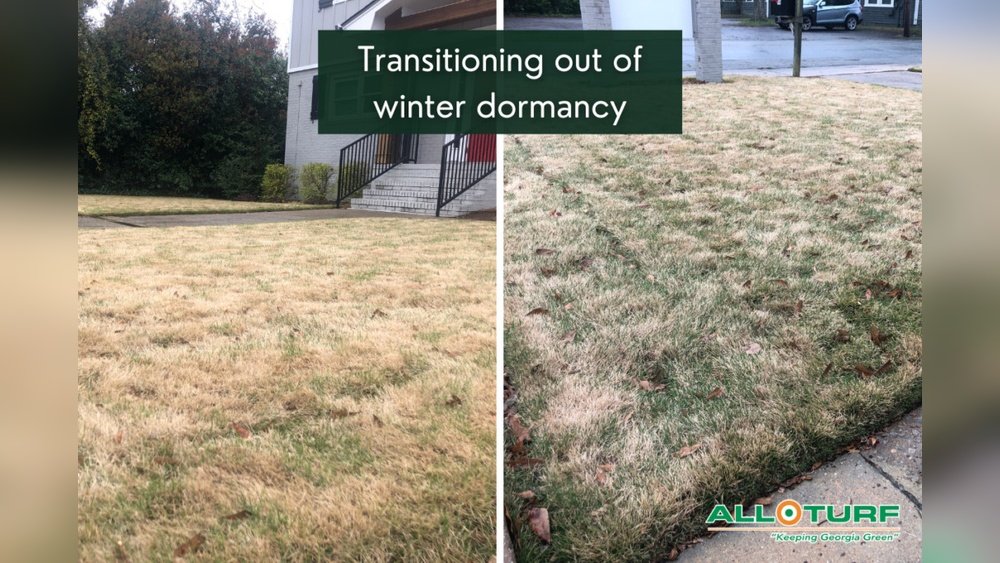
Bermuda grass grows fast during the warm months. It starts growing in spring when temperatures rise. Growth peaks in summer, when it gets plenty of sun. The grass slows down in fall and goes dormant in winter. Dormancy means the grass turns brown but stays alive. Knowing this cycle helps you choose the best time to scalp.
Common Lawn Uses
Bermuda grass is used for many lawns in Georgia. It works well in home yards because it is tough and recovers fast. Parks and sports fields often use it for its durability. Golf courses also prefer Bermuda grass for fairways and tees. Its ability to handle heavy use makes it a top choice for busy areas.

Credit: www.youtube.com
Scalping Benefits
Scalping Bermuda grass offers key benefits that improve lawn health and appearance. Cutting grass very short before new growth starts helps refresh the lawn. It clears away dead grass and encourages fresh, strong shoots. Scalping also helps control weeds and gives the lawn a clean, neat look.
Promoting Healthy Growth
Scalping removes old grass blades and dead matter. This allows sunlight to reach the soil easily. Sunlight helps grass roots grow deeper and stronger. New grass shoots can grow faster and healthier. The lawn becomes thick and green. Scalping prepares Bermuda grass for the growing season. It helps the grass recover from winter damage.
Weed Control Advantages
Weeds struggle to grow when the lawn is scalped. Removing old grass reduces hiding spots for weed seeds. Scalping exposes weed seeds to sunlight, which stops their growth. Healthy, thick Bermuda grass also blocks weeds from spreading. This reduces the need for extra weed treatments. Scalping helps keep the lawn clean and weed-free.
Ideal Scalping Time
Scalping Bermuda grass at the right time helps keep your lawn healthy. It removes dead grass and lets new shoots grow. Choosing the ideal scalping time depends on the season and weather. Good timing boosts grass recovery and appearance.
Seasonal Considerations
Scalp Bermuda grass in early spring before it starts growing fast. This removes winter dead grass and warms the soil. Avoid scalping in fall or winter because the grass is dormant. Scalping too late can stress the grass and slow growth. Early spring scalping prepares your lawn for a strong growing season.
Soil And Weather Factors
Scalp when soil is dry to avoid compaction and damage. Wet soil makes scalping harder and can harm roots. Choose a day with mild temperatures and no rain forecast. Hot weather after scalping can dry out the grass quickly. Proper weather conditions help the lawn heal and grow evenly after scalping.
Signs To Scalp
Knowing the right time to scalp Bermuda grass helps keep your lawn healthy. Scalp means cutting the grass very short. It removes old, dead grass and lets new grass grow better. Look for signs that tell you it’s time to scalp. These signs show your lawn needs a fresh start.
Dormant Grass Indicators
Bermuda grass turns brown and looks dry in winter. This is called dormancy. The grass stops growing but is still alive under the soil. When you see the grass fully brown and no green blades, it’s dormant. This is the best time to scalp. Cutting dormant grass helps remove dead grass and thatch. It also prepares the lawn for spring growth.
Thatch Layer Thickness
Thatch is a layer of dead grass and roots on the soil surface. A thin thatch layer is good, but thick thatch stops water and nutrients from reaching roots. Measure the thatch by digging a small hole and checking the layer thickness. If the thatch is more than half an inch, it’s time to scalp. Scalp removes the thick layer and improves lawn health.
Scalping Techniques
Scalping Bermuda grass helps prepare your lawn for new growth. It removes old, dead grass and allows sunlight to reach the soil. Proper scalping techniques improve grass health and appearance. These simple steps guide you through the process.
Mower Settings
Set your mower blade to the lowest height. This cut clears away the thatch and old growth. Use a sharp blade for a clean cut. Dull blades tear the grass and cause damage. Adjust the mower speed to slow for better control.
Step-by-step Process
Start by mowing the lawn at its normal height. Next, lower the mower blade to the scalping height. Mow the lawn slowly to remove dead grass evenly. Avoid scalping wet grass to prevent clumping. Rake the lawn to clear leftover debris. Water the grass lightly to help recovery. Wait a few days before the next mow to let new shoots grow.
Post-scalping Care
After scalping Bermuda grass in Georgia, the lawn needs special care. Scalping removes old grass blades and helps new growth. The grass looks bare and weak at first. Proper care helps it recover fast. Follow key steps to keep your lawn healthy and green.
Watering Tips
Water the lawn gently right after scalping. Use light watering to avoid soil erosion. Water early in the morning for best results. Keep the soil moist but not soaked. Water daily for the first week to support new growth. Reduce watering as grass starts to grow back. Avoid watering in the evening to prevent fungus.
Fertilization Guidelines
Wait about two weeks after scalping before applying fertilizer. Use a balanced fertilizer with nitrogen, phosphorus, and potassium. Apply fertilizer evenly to avoid burning the grass. Follow the instructions on the fertilizer package carefully. Fertilizing helps strengthen the roots and promotes green growth. Do not over-fertilize; too much can harm the grass.
Common Mistakes To Avoid
Scalping Bermuda grass in Georgia requires care. Many make mistakes that hurt the lawn. Knowing what to avoid helps keep your grass healthy and green. Read on to learn about common errors.
Scalping Too Early Or Late
Scalping too early can stress Bermuda grass. The grass might not be ready to grow back. This leaves patches bare and weak. Scalping too late means missed benefits. Dead grass and debris stay on the lawn. This blocks sunlight and slows growth. Timing is key for a healthy lawn.
Cutting Grass Too Short
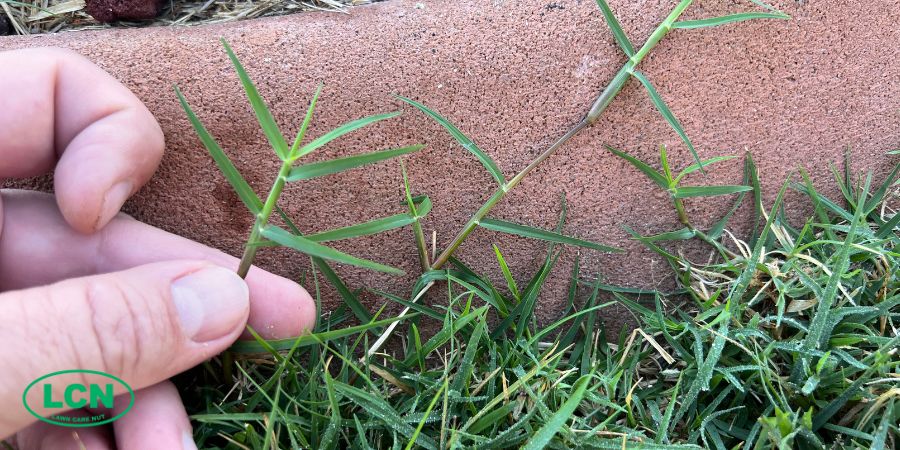
Cutting Bermuda grass too short damages the plant. It can cause brown spots and dry patches. The grass struggles to hold moisture and fight weeds. Leave enough height for the grass to stay strong. A healthy length helps roots grow deep. Avoid scalping so low that the grass cannot recover.

Credit: www.milorganite.com
Credit: www.milorganite.com
Frequently Asked Questions
When Is The Best Time To Scalp Bermuda Grass In Georgia?
The ideal time to scalp Bermuda grass in Georgia is early spring. Scalp once the grass starts to green up and soil temperatures reach 60°F. This encourages healthy growth and prepares the lawn for the growing season.
How Often Should I Scalp Bermuda Grass In Georgia?
Scalping Bermuda grass in Georgia is typically done once per year. Early spring scalping removes dead grass and promotes new growth. Avoid frequent scalping to prevent stressing the lawn and damaging grass roots.
Why Is Scalping Important For Bermuda Grass Health?
Scalping removes dead grass and thatch buildup, improving air and nutrient flow. It helps Bermuda grass grow thicker and greener by encouraging fresh shoots. This process also reduces disease risk and prepares the lawn for summer heat.
Can I Scalp Bermuda Grass In Georgia During Summer?
Scalping Bermuda grass during summer is not recommended in Georgia. Summer scalping can stress the grass and cause damage due to heat. It’s best to scalp in early spring when the grass is just waking up.
Conclusion
Scalping Bermuda grass at the right time keeps your lawn healthy. Early spring, before new growth starts, is best for scalping. This helps remove old grass and lets sunlight reach the soil. Avoid scalping too late, as it can harm the grass.
Regular care after scalping helps Bermuda grass grow thick and green. Watch the weather and lawn condition to choose the right moment. Simple steps like these make your lawn look fresh and strong all season.
