
Are you wondering when the best time is to seed Bermuda grass in your lawn? Getting the timing right can make all the difference between a patchy yard and a lush, green carpet that everyone admires.
If you seed too early or too late, your grass might struggle to grow or even fail to establish properly. You’ll discover the ideal conditions and timing to plant Bermuda grass so your lawn thrives all season long. Keep reading to unlock the secrets that will help your grass grow thicker, greener, and healthier than ever before.

Credit: turf.purdue.edu
Ideal Climate For Seeding
Knowing the ideal climate for seeding Bermuda grass helps ensure strong growth. The right weather supports seed germination and root development. Timing the seeding to match climate conditions improves success and lawn health.
Optimal Temperature Range
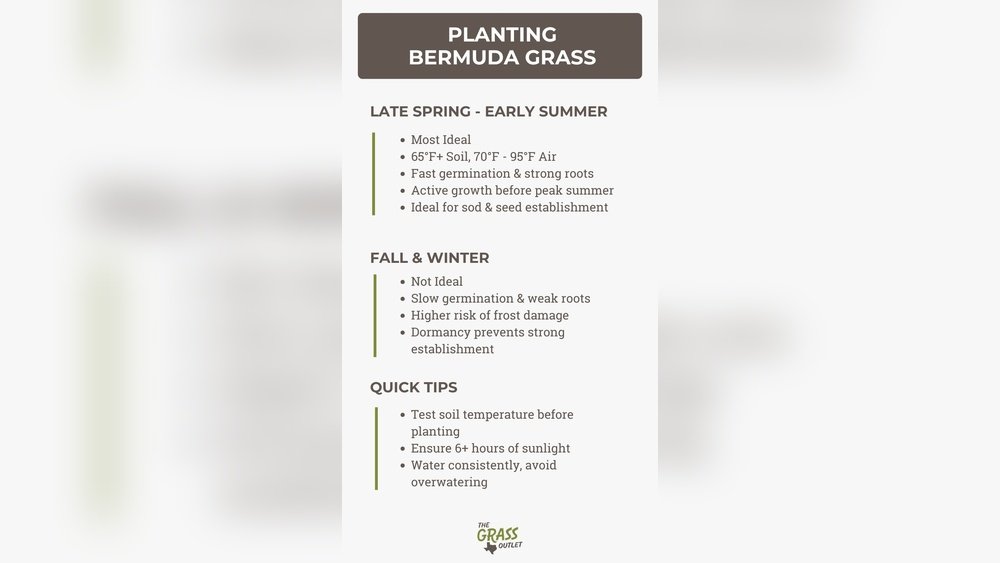
Bermuda grass seeds grow best in warm soil. The ideal temperature is between 65°F and 75°F. Soil cooler than 60°F slows seed sprouting. Above 85°F, seeds may dry out quickly. Maintaining this temperature range boosts seed growth speed.
Seasonal Considerations
Late spring to early summer offers the best season for seeding. Soil warms enough to help seeds germinate fast. Avoid seeding in fall or winter when soil is too cold. Hot summer months with little rain can dry out seeds. Timing seeding in spring or early summer ensures good moisture and warmth.
Soil Preparation Tips
Preparing the soil is a key step before seeding Bermuda grass. Good soil helps the seeds grow strong and healthy. Proper soil preparation creates a perfect home for Bermuda grass roots. Follow these tips to make your soil ready for seeding.
Testing Soil Quality
Start by testing your soil. Soil tests show important details like pH and nutrients. You can buy a simple soil test kit or send samples to a lab. Testing helps you know what your soil lacks. Bermuda grass grows best in soil with a pH between 6.0 and 7.0. Check for nitrogen, phosphorus, and potassium levels too. These nutrients help grass grow thick and green.
Amending Soil For Growth
Use the test results to improve your soil. Add lime if soil is too acidic. Add sulfur if soil is too alkaline. Mix in organic matter like compost to improve texture and drainage. This helps roots spread easily. Use fertilizer with balanced nutrients to feed the grass. Till the soil to break up hard spots. Smooth the surface to make seeding easier. Well-prepared soil increases seed germination and root growth.
Best Planting Methods
Choosing the best planting methods is key to growing healthy Bermuda grass. Proper techniques help seeds take root and grow strong. They also reduce the chance of weeds and bare patches. Knowing how to select seeds and plant them well leads to a lush, green lawn.
Planting Bermuda grass requires care and attention. Using the right methods saves time and effort later. Here are two important steps: selecting the right seeds and using proper seeding techniques.
Seed Selection
Pick high-quality Bermuda grass seeds for best results. Look for seeds labeled for your climate and soil type. Choose fresh seeds with high germination rates. Old or poor-quality seeds grow slowly or not at all. Certified seeds ensure purity and fewer weeds. Seed blends can offer better coverage and durability.
Seeding Techniques
Prepare the soil by removing debris and loosening the top layer. Spread seeds evenly using a seed spreader or by hand. Lightly rake the soil to cover seeds with a thin soil layer. Water gently but deeply to keep the soil moist. Avoid overwatering which can wash seeds away. Use mulch or straw to protect seeds and keep moisture. Patience is key; Bermuda grass can take several weeks to sprout.
Watering Schedule
Proper watering is key to growing healthy Bermuda grass from seed. A good watering schedule helps seeds sprout quickly. It also keeps young grass strong as it grows. Watering too little or too much can harm the seeds. Follow the right steps to give your lawn the best start.
Initial Watering
Right after planting, water the soil gently. The goal is to moisten the top 1 to 2 inches. Use a light spray to avoid washing seeds away. Water once or twice daily, depending on weather. Keep the soil damp but not soaked. This helps seeds absorb water and start to grow.
Maintaining Moisture
Once seedlings appear, reduce watering slightly. Water deeply but less often to encourage roots to grow down. Aim for about 1 inch of water per week. Water early in the morning to prevent disease. Check soil moisture regularly. The soil should feel moist but not muddy. This balance supports strong, healthy Bermuda grass.
Fertilizing For Success
Fertilizing Bermuda grass is key to healthy growth and a lush lawn. Proper nutrients help seeds grow strong roots and green blades. Timing and type of fertilizer make a big difference in success. Follow clear steps to feed your lawn right.
Choosing Fertilizer Types
Select fertilizers with balanced nutrients. Nitrogen is vital for green leaves. Phosphorus supports root growth. Potassium helps the grass resist stress. Use fertilizers labeled for Bermuda grass or warm-season grasses. Avoid high nitrogen at seeding. Start with a starter fertilizer rich in phosphorus to boost roots.
Application Timing
Apply fertilizer just before or right after seeding Bermuda grass. This timing gives nutrients to young seedlings. Do not fertilize too early or late. Early fertilizing may wash away nutrients. Late feeding may burn young grass. Follow package instructions for best timing and amounts. Water the lawn lightly after applying fertilizer to help absorption.

Credit: www.youtube.com
Common Challenges
Seeding Bermuda grass comes with some common challenges that affect growth. Knowing these issues helps prepare for a healthy lawn. Problems like weeds and pests often interfere with new grass.
These challenges need attention early to avoid damage. Proper care and timing play key roles in successful seeding.
Weed Control
Weeds compete with Bermuda grass for water and nutrients. They grow fast and can choke young grass seedlings. Controlling weeds before seeding is important. Use herbicides that are safe for new grass. Remove weeds by hand if possible. Keep the soil clean and free of debris. Regular mowing after seeding helps prevent weed growth.
Pest Management
Pests like insects and grubs can harm Bermuda grass roots. They reduce the grass’s ability to absorb water. Early detection is crucial to stop pest damage. Use natural predators or safe insecticides for control. Avoid overwatering, which attracts pests. Healthy soil and good grass health reduce pest problems. Monitor your lawn regularly for signs of pest activity.
Signs Of Healthy Growth
Knowing the signs of healthy growth helps you care for Bermuda grass properly. It shows that the grass is taking root and will soon form a lush lawn. Early detection of these signs saves time and effort later. Watch closely for changes in color, texture, and coverage.
Germination Indicators
Seeds swell and sprout tiny green shoots after planting. These shoots break through the soil in 7 to 14 days. The color of new grass is bright green, not yellow or brown. You may see small clumps of grass forming in patches. Soft, delicate blades appear as the seedling grows. Healthy germination means seeds found good soil and moisture.
Early Lawn Care
Water the new grass gently but regularly to keep soil moist. Avoid heavy foot traffic to protect young shoots from damage. Mow only when grass blades reach about 2 inches tall. Use a sharp mower blade for clean cuts. Avoid fertilizing too early; wait until grass is established. Remove weeds carefully to prevent competition for nutrients. Early care sets the stage for a strong, green lawn.

Credit: seedbarn.com
Frequently Asked Questions
When Is The Best Time To Seed Bermuda Grass?
The best time to seed Bermuda grass is late spring to early summer. Soil temperatures should be consistently above 65°F for optimal germination. Seeding during this period promotes strong growth and helps the grass establish before cooler temperatures arrive.
How Long Does Bermuda Grass Take To Germinate?
Bermuda grass seeds typically germinate within 7 to 14 days. Warm soil and proper moisture accelerate this process. Maintaining consistent watering and temperature helps ensure healthy seedling development during this critical growth phase.
Can I Seed Bermuda Grass In Fall?
Seeding Bermuda grass in fall is not ideal. Cooler temperatures slow germination and growth. Fall seeding risks poor establishment before winter dormancy. For best results, seed in late spring or early summer.
How Often Should I Water After Seeding Bermuda Grass?
Water Bermuda grass seeds lightly and frequently, about 2-3 times daily. Keep the soil moist but not soaked. Once seedlings emerge, gradually reduce watering frequency to encourage deep root growth.
Conclusion
Seeding Bermuda grass at the right time makes a big difference. The best time is late spring to early summer. Warm soil helps seeds grow strong and fast. Avoid cold or wet seasons because seeds may not sprout well. Good watering and sunlight also help your grass grow healthy.
Plan your seeding carefully to enjoy a lush, green lawn. Patience pays off when you care for your new grass properly. Start your Bermuda grass seeding at the right moment for the best results.
