
Are you ready to have a lush, green lawn that stands out in your Georgia neighborhood? Knowing exactly when to seed Bermuda grass can make all the difference.
Plant too early or too late, and you might face patchy growth or wasted effort. But get the timing right, and your yard will thrive with rich, vibrant grass that stays healthy through the seasons. You’ll discover the best time to seed Bermuda grass in Georgia, so you can enjoy a beautiful lawn without the guesswork.
Keep reading to find out how to make your lawn the envy of the block!
Climate Impact On Seeding
Climate plays a big role in seeding Bermuda grass in Georgia. The right weather helps seeds grow strong and healthy. Understanding Georgia’s climate helps pick the best time to plant. Planting at the wrong time can lead to poor growth or seed loss. Let’s explore how climate impacts seeding success.
Georgia’s Growing Season
Georgia has a long growing season. Warm weather lasts from late spring to early fall. Bermuda grass grows best in this warm period. The soil must stay warm for seeds to sprout. Frost or cold soil stops growth and kills young grass. Plant seeds after the last frost date in spring. This timing gives seeds time to grow before cooler weather.
Temperature Requirements For Bermuda Grass
Bermuda grass needs warm temperatures to grow well. Soil temperature should be at least 65°F for seeds to germinate. Air temperature between 75°F and 85°F is ideal for growth. Too cold slows seed sprouting. Too hot can dry out soil and damage young grass. Monitor daily temperatures to pick the perfect seeding window.
Credit: atlantasodfarms.com
Ideal Seeding Periods
Planting Bermuda grass at the right time ensures strong growth and a lush lawn. Choosing the ideal seeding periods helps the grass establish well before extreme weather arrives. In Georgia, timing matters because of the warm climate and seasonal changes. Knowing when to seed can save effort and provide a healthy yard.
Spring Seeding Benefits
Spring offers warm soil and longer daylight, perfect for Bermuda grass seeds. The temperature usually stays between 65°F and 75°F, ideal for germination. Spring rains help keep the soil moist without extra watering. Grass seeded now grows fast before the heat of summer. This timing also reduces weed problems. New grass has time to settle before winter.
Late Summer Seeding Tips
Late summer is another good time to plant Bermuda grass in Georgia. The soil remains warm, which helps seeds sprout quickly. Cooler nights reduce heat stress on young grass. Watering is important, especially during dry spells. Avoid seeding too late to give grass time to grow before cold weather. Fertilize lightly to support strong root development. This period prepares the lawn for a healthy next season.
Soil Preparation
Preparing the soil is the first step to growing healthy Bermuda grass in Georgia. Good soil helps seeds grow strong roots and green leaves. Proper soil preparation improves water and nutrient absorption. It also helps the grass survive hot summers and dry spells.
Start by checking the soil’s condition. Then, make changes to improve it. This ensures the grass seeds have the best chance to grow well.
Testing Soil Quality
Testing soil quality shows what nutrients the soil lacks. It also reveals the soil’s pH level, which affects grass growth. You can buy a soil test kit or send samples to a lab. The test results guide you on how to improve the soil. Knowing the soil quality helps avoid wasting seeds on poor ground.
Amending Soil For Better Growth
After testing, add materials to improve soil health. Lime can raise pH if the soil is too acidic. Sulfur lowers pH if the soil is too alkaline. Add compost or organic matter to improve soil texture. These changes help roots grow deeper and stronger. Well-prepared soil holds water and nutrients better. This leads to thicker and greener Bermuda grass.
Seeding Techniques
Seeding Bermuda grass correctly helps create a strong, green lawn. It needs careful planning and good technique. Using the right methods improves seed growth and lawn health. Follow simple steps for best results in Georgia’s climate.
Start with choosing the correct seed type. Then, use proper seed distribution for even coverage. These steps make your lawn look full and lush.
Choosing The Right Seed Type
Select seeds suited for Georgia’s warm climate and soil. Bermuda grass has different varieties. Some grow faster and resist drought better. Choose seeds labeled for your area. Hybrid seeds often offer good quality and durability. Using the right seed reduces lawn problems later. Check seed purity and germination rates before buying.
Proper Seed Distribution Methods
Even seed spread is key for a uniform lawn. Use a seed spreader for best results. Hand spreading may cause patchy growth. Apply seeds in two directions, like a crisscross pattern. This avoids bare spots and crowding. Lightly rake the soil after seeding. Cover seeds with a thin soil layer to protect them. Water gently but regularly until grass grows strong.
Watering And Maintenance
Proper watering and maintenance are key for strong Bermuda grass growth in Georgia. Young seeds need careful care to start well. Water and nutrients support root development and green leaves. This section guides you on irrigation and fertilizing after seeding.
Irrigation Schedules After Seeding
Keep the soil moist but not soaked. Water lightly two to three times a day. Early morning and late afternoon work best. Avoid watering in the heat of the day. Gradually reduce watering as grass starts to grow. After two weeks, water deeply once a day. Deep watering encourages roots to grow down. Too much water can cause disease and weak roots. Watch the soil to adjust watering times.
Fertilizing For Healthy Growth
Start fertilizing about four weeks after seeding. Use a balanced fertilizer with nitrogen, phosphorus, and potassium. Nitrogen helps the grass stay green and grow fast. Phosphorus supports root growth. Potassium strengthens the grass against stress. Apply fertilizer in small amounts. Over-fertilizing can burn young grass. Follow package instructions carefully. Water the lawn after fertilizing to help nutrients soak in.
Credit: theturfgrassgroup.com
Common Challenges
Growing Bermuda grass in Georgia has its challenges. Knowing these helps in planning the best time to seed. Common problems include pests, diseases, and weeds. These can affect grass health and growth. Understanding how to manage these issues boosts success.
Dealing With Pests And Diseases
Bermuda grass faces many pests like armyworms and grubs. These insects eat the grass leaves and roots. Early detection is key to control damage. Use insecticides carefully and follow instructions. Diseases like dollar spot and brown patch can appear. They cause brown or dead patches on the lawn. Proper watering and good air flow reduce disease risk. Avoid overwatering and mow at the right height.
Managing Weed Competition
Weeds compete with Bermuda grass for nutrients and water. Common weeds include crabgrass and dallisgrass. Weed control helps young grass grow better. Pre-emergent herbicides stop weed seeds from sprouting. Apply them before seeding or after grass starts growing. Pulling weeds by hand works for small areas. Keep the lawn thick and healthy to fight weeds naturally. Regular mowing also prevents weed seeds from spreading.
Signs Of Successful Growth
Knowing the signs of successful growth helps you care for Bermuda grass properly. It shows your lawn is healthy and strong. Watching the grass closely gives clues about its progress. This way, you can fix problems early and enjoy a lush lawn.
Successful growth starts with good germination and thick coverage. Both tell you the grass is thriving in Georgia’s climate. Let’s explore how to watch these signs carefully for the best results.
Monitoring Germination
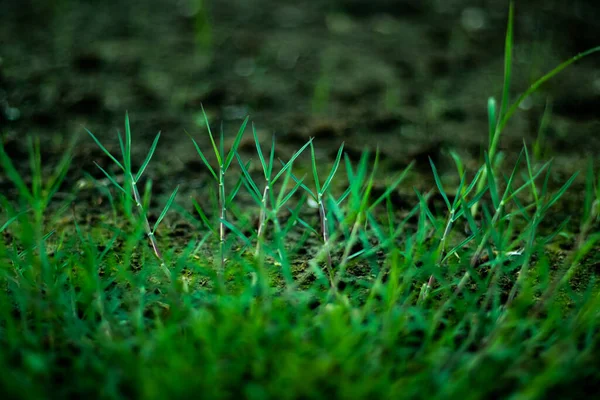
Germination is the first step to a green lawn. Seeds begin to sprout about 7 to 14 days after planting. Check for tiny green shoots coming out of the soil. Uniform sprouting means good seed contact and soil moisture.
Keep soil moist but not soaked during this stage. Dry soil slows germination. Too much water can cause seeds to rot. Look for steady growth without bare patches. That shows seeds are healthy and growing well.
Evaluating Lawn Density
Density means how thick the grass grows across your lawn. A dense lawn blocks weeds and resists drought better. After about 4 to 6 weeks, the grass should fill in evenly.
Check for bare or thin spots that need reseeding. Thick grass blades mean good root development. Regular mowing helps grass grow strong and thick. A dense Bermuda lawn looks green, soft, and full of life.
Credit: georgiaforages.caes.uga.edu
Frequently Asked Questions
When Is The Best Time To Seed Bermuda Grass In Georgia?
The best time to seed Bermuda grass in Georgia is late spring to early summer. Soil temperatures should be above 65°F for optimal germination. This timing ensures warm weather for rapid growth and establishment before cooler seasons arrive.
How Long Does Bermuda Grass Take To Germinate In Georgia?
Bermuda grass typically germinates in 7 to 14 days in Georgia. Warm soil and consistent moisture speed up germination. Cooler temperatures can delay seed sprouting, so planting during warm months is crucial.
Can I Seed Bermuda Grass In Georgia During Fall?
Seeding Bermuda grass in fall is not ideal in Georgia. Cooler temperatures slow growth and reduce seedling survival. Spring and early summer provide the best conditions for healthy lawn development.
What Soil Conditions Are Best For Seeding Bermuda Grass?
Bermuda grass prefers well-drained, sandy loam soil with a pH between 6. 0 and 7. 0. Proper soil preparation, including aeration and fertilization, improves seed-to-soil contact and nutrient availability, leading to better germination.
Conclusion
Plant Bermuda grass seed in Georgia during late spring or early summer. Soil should be warm, around 65°F or higher. This helps seeds sprout quickly and grow strong. Avoid seeding in cold or wet weather to prevent poor growth. Water the area gently but often to keep soil moist.
With patience and care, your lawn will become green and healthy. Timing matters for best results. Start planting at the right time and watch your Bermuda grass thrive.
