
If you want a thick, green lawn that thrives in Texas heat, knowing the right time to seed Bermuda grass is key. Planting too early or too late can mean slow growth or patchy grass, leaving your yard looking less than perfect.
You’ll discover the best seasons and conditions to plant Bermuda grass so your lawn grows strong and healthy. Keep reading to learn how to get the most out of your lawn and enjoy a vibrant outdoor space all year long.
Credit: www.pennington.com
Bermuda Grass Basics
Bermuda grass is a popular choice for lawns across Texas. It grows well in warm weather and handles heat better than many other grasses. Knowing the basics helps you care for it properly. This section covers the key traits of Bermuda grass and why it suits Texas climates.
Characteristics Of Bermuda Grass
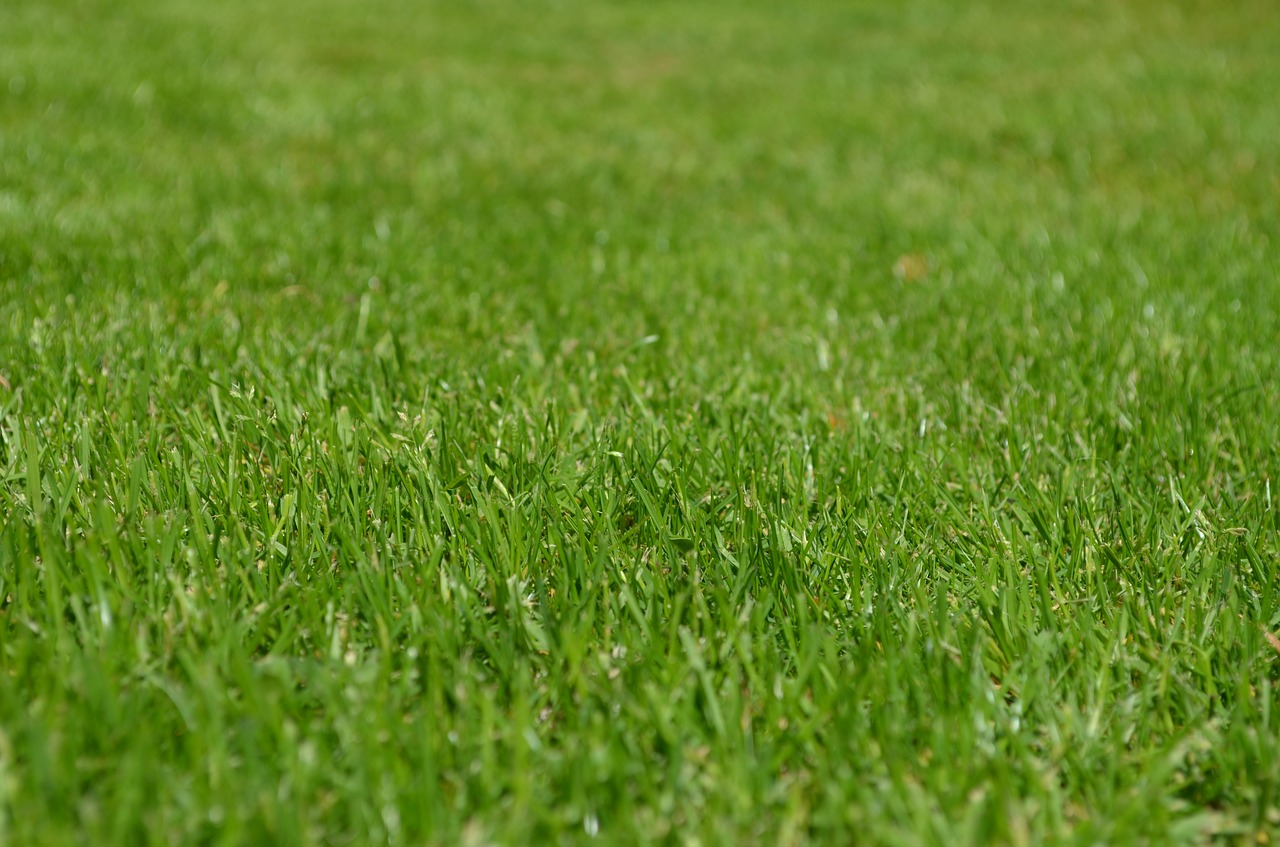
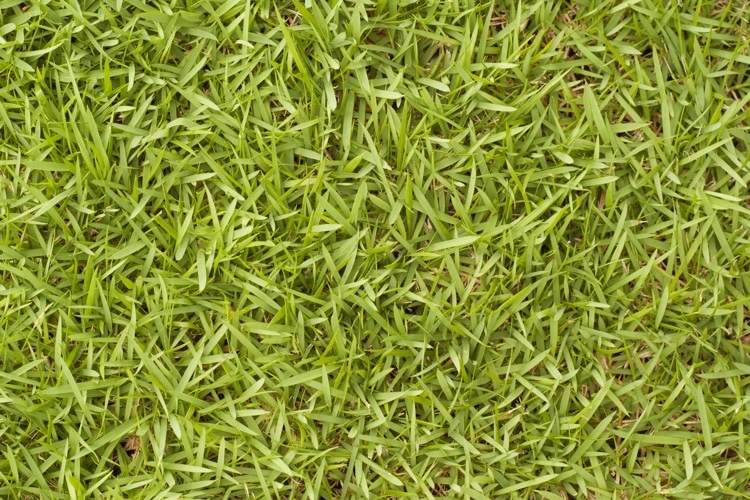
Bermuda grass has fine, dense blades that create a thick lawn. It spreads quickly through underground stems called rhizomes and above-ground runners called stolons. This growth helps it recover fast from damage. It thrives in full sun but struggles in shade. The grass is drought-tolerant and handles heavy foot traffic well. It turns brown in cold weather but bounces back when warm weather returns.
Why Choose Bermuda Grass In Texas
Bermuda grass fits Texas weather perfectly. It grows best in hot summers and can survive dry spells. Its deep roots help it find water during droughts. This grass needs less watering than many others. It also resists pests and diseases common in Texas. Bermuda grass looks green and healthy with proper care. It handles Texas’s heat and sun better than many grass types.
Ideal Climate Conditions
Bermuda grass grows best in warm weather. Texas has many areas where this grass thrives. Knowing the right climate helps you plant seeds at the perfect time. Ideal weather boosts seed growth and root strength. It also reduces the chance of pests and diseases.
Temperature Requirements
Bermuda grass needs soil temperatures between 65°F and 75°F. This warmth helps seeds sprout quickly. Air temperatures should be steady, staying above 70°F during the day. Night temperatures below 50°F can slow growth. Planting too early or late may cause poor germination. The best months in Texas are late spring to early summer.
Soil Preparation And Moisture
Good soil helps Bermuda grass seeds grow strong roots. The soil should be loose and free of rocks or debris. Before planting, till the soil to a depth of 4 to 6 inches. Keep the soil moist but not soaked. Water lightly every day until seeds sprout. Avoid letting the soil dry out completely. Proper moisture keeps seeds alive and speeds growth.
Best Planting Seasons
Knowing the best seasons to plant Bermuda grass helps your lawn grow strong. Planting at the right time ensures the seeds sprout quickly. It also reduces weed problems and saves water. The climate in Texas guides the best planting times. Timing affects how well your grass fills in and stays green.
Spring Planting Window
Spring is a great time to plant Bermuda grass in Texas. The soil warms up, which helps seeds germinate fast. Aim to plant after the last frost date. Usually, this is between March and May. Planting in spring gives the grass a full growing season. This allows roots to develop before hot weather arrives. Water the seeds regularly to keep the soil moist. Watch for weeds, as they can compete with new grass.
Late Summer Considerations
Late summer can work for planting Bermuda grass too. Planting in August or early September gives the grass time to grow before winter. The soil is still warm, helping seed germination. The weather may be hot, so water often to avoid drying out. Avoid planting too late in the fall. Cold weather can stop seed growth and cause weak grass. Late summer planting needs careful watering and care to succeed.
Credit: www.grassworksaustin.com
Signs To Start Seeding
Knowing the right signs to start seeding Bermuda grass in Texas helps your lawn grow strong. Timing is key for healthy grass. Planting too early or too late can cause poor growth and wasted seeds. Watching the soil and weather gives clues about the best moment to plant.
Soil Temperature Monitoring
Soil temperature is a clear sign to begin seeding. Bermuda grass seeds need warm soil to sprout well. The ideal soil temperature is between 65°F and 70°F. Use a soil thermometer to check the temperature a few inches deep. When the soil stays in this range for several days, it is time to seed. Cold soil can stop seed growth and cause failure.
Weather Pattern Indicators
Stable weather patterns also signal the right time to seed. Look for several days without frost or heavy rain. Mild and warm days help seeds germinate faster. Avoid planting before a cold snap or storm. Consistent sunshine and calm winds improve seed growth chances. Watching local forecasts helps pick the best seeding window.
Seeding Techniques
Seeding Bermuda grass properly helps it grow strong and healthy in Texas. Using the right techniques makes a big difference. The soil, seed, and depth all affect how well the grass will take root. Careful planning ensures the best results for a green lawn.
Seed Selection Tips
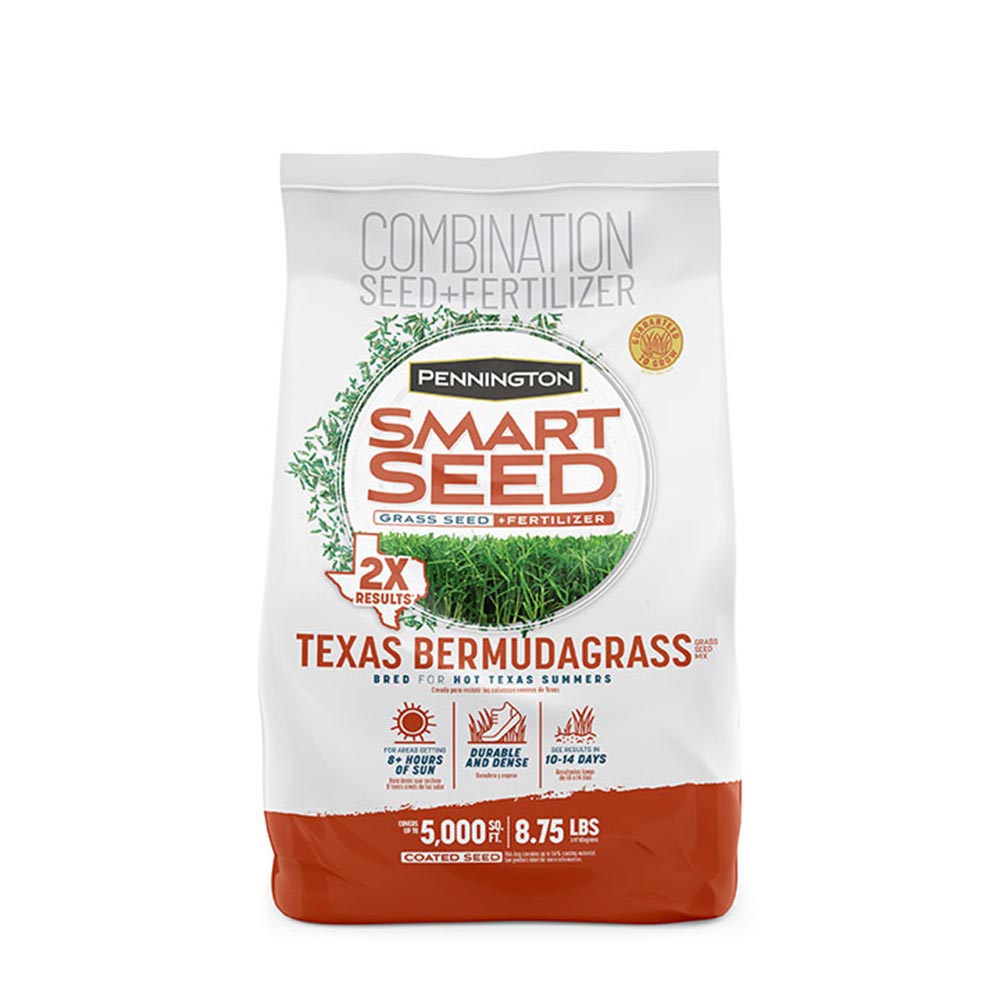
Choose high-quality Bermuda grass seeds. Pick seeds suited for Texas heat and drought. Look for certified seeds to avoid weeds. Check the seed label for purity and germination rates. Use fresh seeds for better growth. Buy from trusted sellers only.
Seeding Depth And Coverage
Plant seeds at a shallow depth, about 1/4 inch deep. Too deep planting stops seeds from sprouting. Spread seeds evenly for full lawn coverage. Use a spreader for uniform distribution. Lightly rake seeds into the soil. Keep the soil moist until seeds sprout.
Post-seeding Care
Taking care of Bermuda grass right after seeding is very important. This stage helps young grass grow strong and healthy. Proper care improves seed germination and root development. This means a thick, green lawn faster and with less effort.
Watering Schedules
Water the seeded area lightly but often. Keep the soil moist, not soaked. Water two to three times daily for the first two weeks. Early morning and late afternoon are best times. After seeds sprout, reduce watering to once daily. Gradually water less as grass grows deeper roots. Avoid letting the soil dry out completely.
Fertilizing Guidelines
Start fertilizing about four weeks after seeding. Use a fertilizer high in nitrogen for strong growth. Spread fertilizer evenly across the lawn. Follow package instructions for the right amount. Avoid over-fertilizing, which can harm young grass. Repeat fertilizing every six to eight weeks during growing season. This keeps Bermuda grass healthy and green.
Common Mistakes To Avoid
Planting Bermuda grass in Texas needs careful timing and preparation. Many gardeners make simple mistakes that hurt their lawn’s growth. Avoiding these errors helps your grass grow thick and green. Below are common mistakes to watch out for during seeding.
Seeding Too Early Or Late
Seeding too early means cold soil. Grass seeds may not sprout well. Seeding too late means hot weather. Heat can dry out seeds before they grow. The best time is late spring to early summer. Soil should be warm, around 65°F to 70°F. This warmth helps seeds start strong and fast.
Ignoring Soil Health
Healthy soil is key for good grass. Many ignore soil testing before planting. Without testing, you miss important nutrients. Soil may lack nitrogen, phosphorus, or potassium. These nutrients help grass roots grow deep. Also, soil pH matters. Bermuda grass prefers pH near 6 to 7. Adjust soil with lime or sulfur if needed. Good soil gives seeds the best start.
Credit: www.rynolawncare.com
Frequently Asked Questions
When Is The Best Time To Seed Bermuda Grass In Texas?
The best time to seed Bermuda grass in Texas is late spring to early summer. Soil temperatures should reach at least 65°F. This timing ensures optimal germination and growth before the hot summer months.
How Long Does Bermuda Grass Take To Germinate In Texas?
Bermuda grass typically takes 7 to 14 days to germinate in Texas. Warm soil and consistent moisture speed up this process. Proper care during this period is crucial for strong seedling development.
Can I Seed Bermuda Grass In Texas During Fall?
Seeding Bermuda grass in Texas during fall is not recommended. Cooler soil and air temperatures slow germination. Spring or early summer seeding offers the best chance for healthy lawn establishment.
What Soil Conditions Are Ideal For Seeding Bermuda Grass?
Bermuda grass thrives in well-drained, fertile soil with a pH between 6. 0 and 7. 0. Preparing the soil by removing debris and loosening it improves seed-to-soil contact and promotes better germination.
Conclusion
Seeding Bermuda grass in Texas works best in warm months. Spring and early summer offer ideal soil temperatures. This helps seeds grow strong and fast. Avoid planting too early or late to prevent poor growth. Water the area gently but often to keep soil moist.
Patience matters; grass takes time to fill in. With the right timing, your lawn will thrive. Enjoy a green, healthy yard all season long.
