
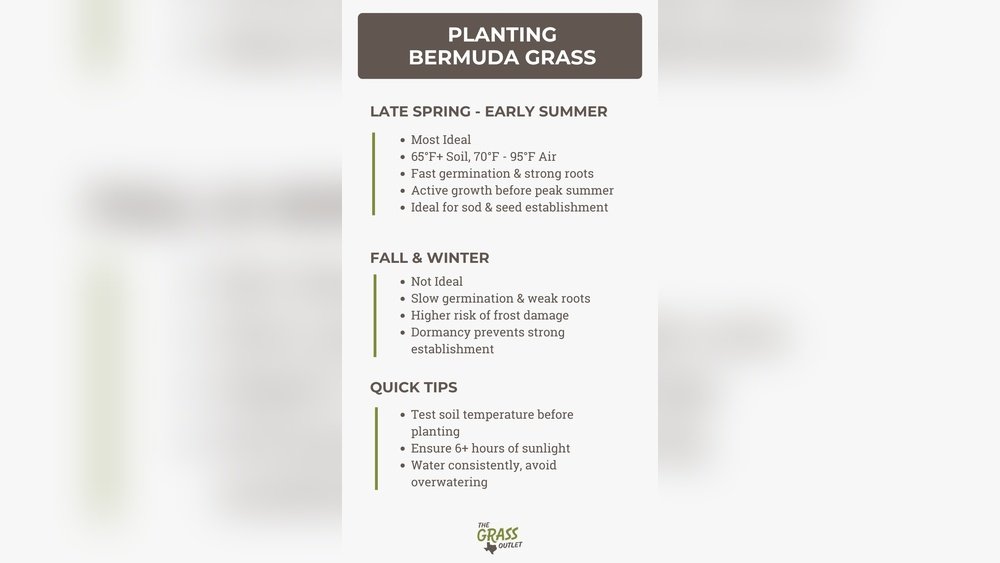
Are you struggling to get your lawn to look its best? Knowing the right time to seed with Bermuda grass can make all the difference.
If you plant too early or too late, your grass might not grow the way you want. But if you get the timing just right, you’ll enjoy a thick, green lawn that stands out in your neighborhood. Keep reading, and you’ll discover exactly when to seed Bermuda grass for the healthiest, most vibrant yard possible.
Your dream lawn is closer than you think!
Choosing Bermuda Grass
Choosing the right Bermuda grass is important for a healthy lawn. Different types fit different needs and places. Knowing the right kind helps you get the best results. Think about where you live and how you want your lawn to look. Consider the weather and soil too. These details guide your choice.
Types Of Bermuda Grass
Bermuda grass comes in many types. Common types include common Bermuda, hybrid Bermuda, and improved varieties. Common Bermuda is tough and grows fast. Hybrid types have finer leaves and look better. Improved types resist disease and handle traffic well. Pick the type that fits your lawn’s use and look.
Climate Compatibility
Bermuda grass grows best in warm climates. It thrives in areas with hot summers and mild winters. It needs full sun to grow well. Cold winters can damage it. Choose a type that matches your local climate. This helps the grass stay green and healthy year-round.
Soil Requirements
Bermuda grass prefers well-drained soil. Sandy or loamy soil is ideal. The soil should have a pH between 5.8 and 7.0. Avoid heavy clay soils that hold water. Good soil helps grass roots grow strong. Test your soil before planting to make sure it suits Bermuda grass.

Credit: turf.purdue.edu
Best Time To Seed
Choosing the best time to seed Bermuda grass is key for a healthy lawn. Planting at the right moment helps seeds grow strong and fast. It avoids problems like poor germination or weak grass. Understanding the temperature, season, and your region’s climate guides you to the perfect seeding time.
Ideal Temperature Range
Bermuda grass seeds grow best between 65°F and 85°F. Soil temperature should be at least 65°F for good germination. Cooler soil slows growth and may cause seeds to rot. Warmer soil helps seeds sprout quickly and develop roots. Check soil temperature before seeding for best results.
Seasonal Considerations
Spring and early summer are the best seasons to seed Bermuda grass. The soil warms up, and days get longer. This helps seeds sprout and grow fast. Avoid seeding in fall or winter because cold slows growth. Summer heat can dry out seeds, so water often if planting then.
Regional Timing Differences
Seeding time changes by region due to climate differences. In southern states, plant in late spring or early summer. Northern areas need to wait until late spring when soil is warm. Coastal regions may have longer growing seasons, allowing more flexibility. Know your local climate to pick the right time.
Preparing The Soil
Preparing the soil is the first step to grow healthy Bermuda grass. Good soil helps the grass roots grow strong. It also gives the grass the nutrients it needs. Taking time to prepare the soil leads to better grass growth and a greener lawn.
Soil Testing And Ph Levels
Test the soil before planting Bermuda grass seeds. This shows what nutrients the soil has or lacks. Bermuda grass grows best in soil with a pH between 5.8 and 7.0. Adjust the pH by adding lime to raise it or sulfur to lower it. Proper pH helps the grass absorb nutrients well.
Clearing And Tilling
Clear the soil of weeds, rocks, and debris. Remove old grass and roots to avoid competition. Till the soil to loosen it. This makes it easier for seeds to take root. Tilling also improves soil aeration and water penetration. A smooth, loose soil bed is ideal for seeding.
Fertilizing Tips
Apply a starter fertilizer before seeding Bermuda grass. Use a fertilizer rich in phosphorus to help root growth. Avoid high nitrogen fertilizers at this stage. Follow the instructions on the fertilizer package. Proper fertilizing boosts seed germination and young grass health.
Seeding Techniques
Seeding Bermuda grass requires careful techniques to get the best results. Proper seeding helps the grass grow strong and healthy. Using the right methods makes the lawn look full and green quickly.
Below are important tips on seed selection, seeding rates, and how to spread the seeds evenly.
Seed Selection And Quality
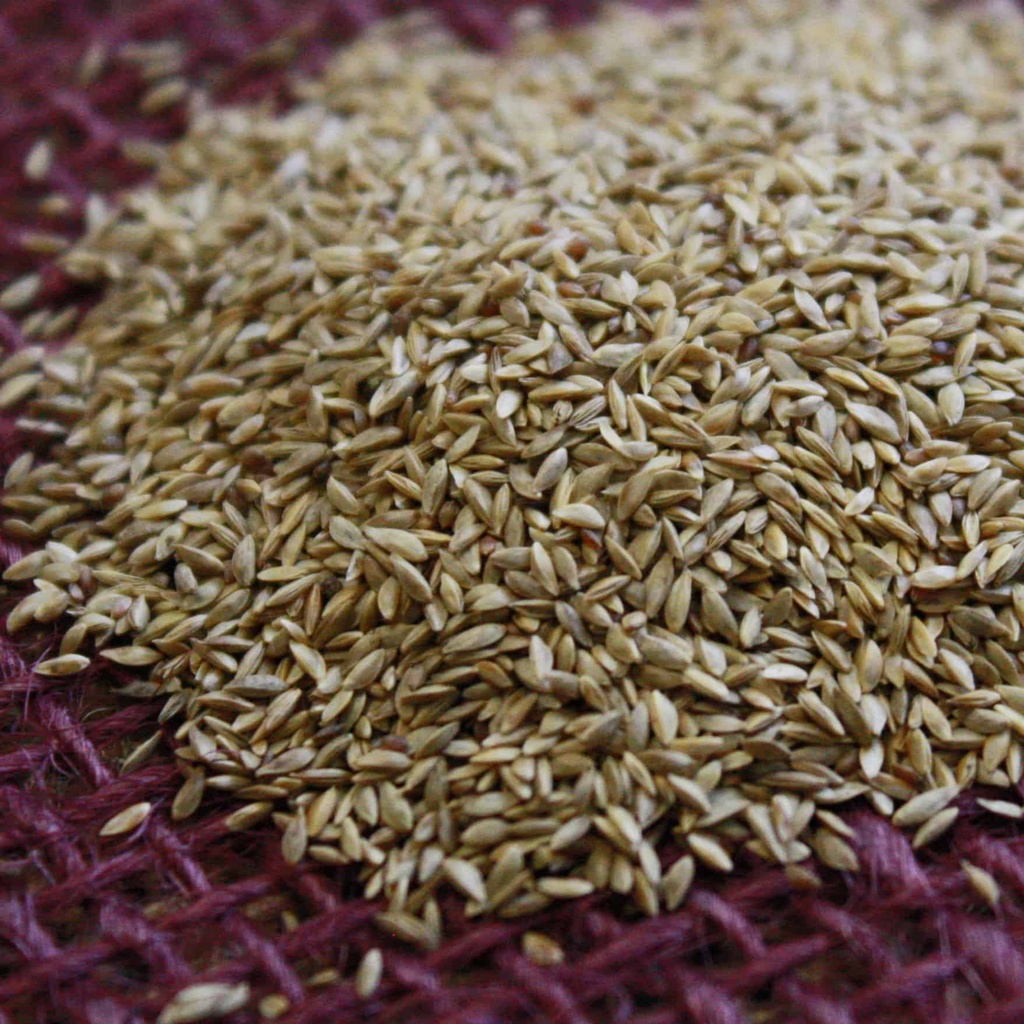
Choose high-quality Bermuda grass seeds for better growth. Check the seed label for purity and germination rate. Seeds with a germination rate above 80% work best. Avoid old or damaged seeds. Fresh seeds grow faster and stronger. Use seeds suited for your climate and soil type.
Seeding Rates
Use the right amount of seed for good coverage. Too few seeds create bare spots. Too many seeds waste money and cause crowding. For Bermuda grass, spread about 1 to 2 pounds of seed per 1,000 square feet. Adjust the rate based on soil quality and lawn use.
Methods For Even Distribution
Spread seeds evenly to avoid patchy growth. Use a broadcast spreader for large areas. Hand spreading works for small lawns or touch-ups. Spread seeds in two directions for full coverage. Lightly rake the soil after spreading to cover seeds. Water gently to keep seeds moist without washing them away.
Watering And Care After Seeding
Watering and care after seeding Bermuda grass are crucial steps. Proper care helps grass seeds grow strong and healthy. Without the right watering routine, seeds may dry out or wash away. Careful attention during this time sets the foundation for a lush lawn.
Initial Watering Schedule
Water the newly seeded area lightly but often. Aim for 2 to 3 times a day. Keep the soil moist, not soaked. Use a fine mist to avoid washing away seeds. Early morning and late afternoon work well for watering. Continue this schedule for the first two weeks.
Maintaining Moisture
After two weeks, reduce watering frequency. Water deeply once daily to encourage roots to grow downward. Check soil moisture regularly. Soil should feel damp but not muddy. Adjust watering during rainy days to prevent overwatering. Proper moisture helps grass establish strong roots.
Avoiding Common Pitfalls
Do not let the soil dry out completely. Avoid heavy watering that causes puddles. Do not walk on the seeded area to prevent seed displacement. Watch for signs of mold or fungus and reduce watering if needed. Follow these tips for a healthy Bermuda grass lawn.

Credit: seedbarn.com
Troubleshooting Growth Issues
Troubleshooting growth issues with Bermuda grass helps ensure a healthy lawn. Early detection of problems saves time and effort. Understanding common challenges makes maintenance easier. This section covers key problems and practical solutions. It guides you to keep your grass green and strong.
Identifying Poor Germination
Poor germination means seeds do not sprout well. Check soil moisture first. Dry soil stops seeds from growing. Also, very cold or hot soil harms seed growth. Look for bare spots or thin grass. These signs show low germination rates. Test soil for proper pH and nutrients. Fixing soil issues improves seed sprouting.
Dealing With Weeds
Weeds compete with Bermuda grass for water and nutrients. Spot weeds early to control them easily. Remove weeds by hand or use a safe herbicide. Avoid overusing chemicals that hurt grass. Keep grass thick to block weed growth. Mowing regularly helps grass stay strong. Healthy lawns resist weeds better.
Pest And Disease Management
Pests and diseases damage Bermuda grass quickly. Watch for brown patches or chewed leaves. Use natural or chemical treatments to stop pests. Proper watering reduces disease risk. Avoid watering at night to prevent fungus. Aerate soil to improve root health. Healthy roots fight pests and diseases well.
Long-term Lawn Maintenance
Long-term lawn maintenance is key to keeping Bermuda grass healthy and green. Regular care helps the grass grow strong and resist weeds, pests, and diseases. Knowing how to maintain your lawn after seeding ensures it stays lush for years.
Proper mowing, fertilization, aeration, and dethatching are crucial steps. These tasks improve soil health and grass growth. Consistent maintenance makes your lawn look its best all season long.
Mowing Practices
Cut Bermuda grass at a height of 1 to 2 inches. Mow often to avoid removing more than one-third of the leaf blade. Use sharp mower blades to prevent tearing the grass. Leave grass clippings on the lawn to add nutrients back into the soil. Mowing too short weakens the grass and invites weeds.
Fertilization Schedule
Feed Bermuda grass regularly during the growing season. Apply fertilizer every 6 to 8 weeks from spring to early fall. Use a balanced fertilizer with nitrogen, phosphorus, and potassium. Follow label instructions to avoid over-fertilizing. Proper feeding boosts growth and color, keeping the lawn thick and healthy.
Aeration And Thatching
Aerate your lawn once or twice a year to improve soil airflow and water absorption. Use a core aerator to remove small plugs of soil. Dethatch if the thatch layer exceeds half an inch. Thatch blocks water and nutrients from reaching roots. Aeration and dethatching help Bermuda grass roots grow deep and strong.
Credit: www.dkseeds.com
Frequently Asked Questions
When Is The Best Time To Seed Bermuda Grass?
The best time to seed Bermuda grass is late spring to early summer. Soil temperatures should be consistently above 65°F for optimal germination. Warm weather promotes fast growth and strong root development, ensuring a healthy lawn establishment.
How Long Does Bermuda Grass Seed Take To Germinate?
Bermuda grass seeds typically germinate within 7 to 14 days. Warm soil and adequate moisture speed up this process. Cooler temperatures or dry conditions can delay germination, so maintaining proper care is essential during this period.
Can I Seed Bermuda Grass In Fall?
Seeding Bermuda grass in fall is not ideal. Cooler temperatures slow seed germination and growth. It’s better to seed in late spring or early summer when conditions support strong establishment and growth before winter dormancy.
How Should I Prepare Soil Before Seeding Bermuda Grass?
Prepare soil by removing debris and loosening it to 2-3 inches deep. Test soil pH and adjust to 5. 8-7. 0 for best results. Adding organic matter improves fertility and drainage, creating a healthy environment for Bermuda grass seeds.
Conclusion
Seeding Bermuda grass at the right time helps it grow strong and green. Spring and early summer offer warm soil that supports quick germination. Avoid cold or dry seasons to prevent poor growth. Preparing the soil well improves seed contact and water absorption.
Water regularly after seeding to keep soil moist but not soggy. Patience is key; Bermuda grass takes time to fill in fully. Follow these steps for a healthy, lush lawn that lasts all year. Care and timing make all the difference in your grass success.
