
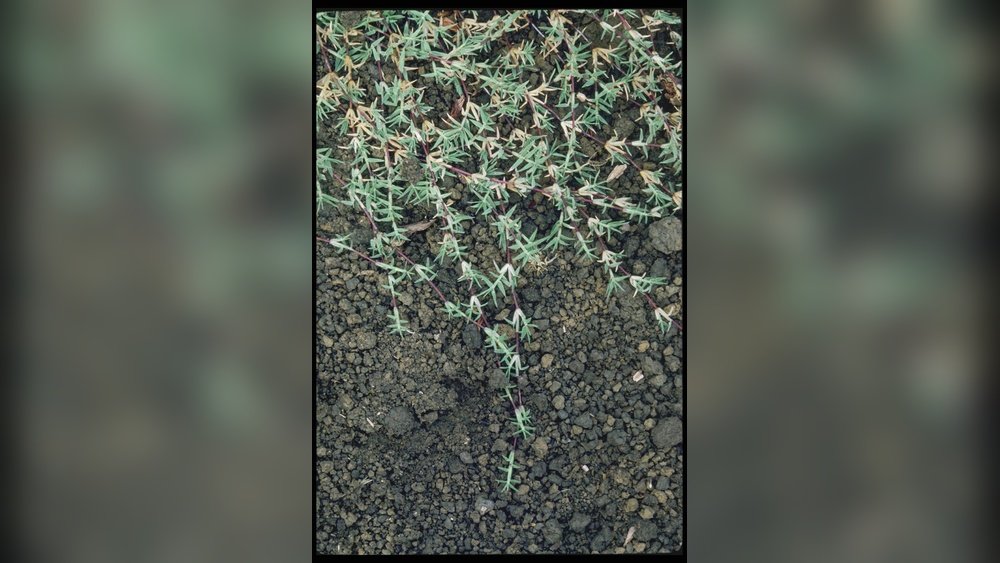
Are you ready to transform your lawn into a lush, green paradise? Knowing exactly when to sow Bermuda grass seed can make all the difference.
Plant too early or too late, and you might struggle with patchy growth or weak grass. But sow at just the right time, and your lawn will thrive, becoming the envy of your neighborhood. You’ll discover the perfect timing to plant Bermuda grass seed so your yard looks its best all season long.
Keep reading to unlock the secrets for a healthy, vibrant lawn you’ll love.

Credit: turf.purdue.edu
Best Season For Sowing
Sowing Bermuda grass seed at the right time helps it grow strong and healthy. Choosing the best season gives the seeds the best chance to sprout and fill your lawn fast. Planting too early or too late can slow growth and cause patchy grass. Knowing the ideal temperature and soil conditions improves results.
Ideal Temperature Range
Bermuda grass grows best in warm weather. The soil temperature should be between 65°F and 75°F for seed germination. Air temperatures from 70°F to 85°F support fast growth. Planting during spring or early summer matches these temperatures well. Cold soil or air can stop seeds from sprouting. High heat above 90°F may dry out young grass quickly.
Soil Conditions To Consider
Well-drained soil helps Bermuda grass seeds grow healthy roots. Avoid heavy clay or waterlogged soil, which can drown seeds. The soil should be loose and crumbly for easy root spread. A slightly acidic to neutral pH, around 6.0 to 7.0, works best. Prepare the soil by removing debris and adding organic matter. Moist soil encourages seed germination but avoid overwatering.
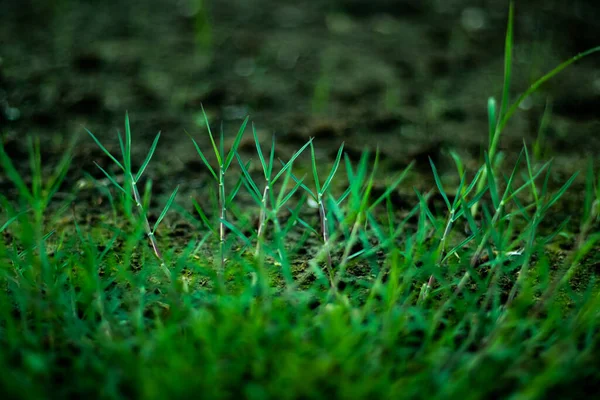
Credit: theturfgrassgroup.com
Preparing The Soil
Preparing the soil is the first and most important step before sowing Bermuda grass seed. Good soil helps the seeds grow strong and healthy. It creates a perfect home for roots to spread and absorb nutrients. Taking time to prepare soil well will lead to a thick, green lawn that lasts.
Clearing Existing Vegetation
Start by removing old grass, weeds, and plants. These can stop Bermuda grass seeds from growing. Use a rake or hoe to clear the area. Make sure no roots or debris remain. This gives the new seeds space and light to grow.
Testing And Amending Soil
Test soil to check its pH and nutrient levels. Bermuda grass grows best in soil with pH between 5.8 and 7.0. Use a simple soil test kit for this. Add lime if soil is too acidic. Add sulfur if soil is too alkaline. Mix in compost or fertilizer to add nutrients and improve soil texture.
Tilling And Leveling
Loosen the soil by tilling it to about 4-6 inches deep. This helps roots grow easily and improves water drainage. Remove any rocks or large clumps while tilling. After tilling, level the soil using a rake. A flat surface ensures even seed spread and good seed-to-soil contact.
Seed Selection Tips
Choosing the right seed is very important for a healthy Bermuda grass lawn. Good seeds grow strong grass that fills the yard well. Bad seeds can lead to patchy, weak grass. Knowing how to pick the best seed helps you save time and money. Here are some tips to select the best Bermuda grass seed for your lawn.
Choosing Quality Bermuda Grass Seed
Look for seeds that are fresh and clean. Old seeds may not sprout well. Check the seed package for a recent harvest date. High-quality seeds have a high germination rate. This means more seeds will grow into grass. Avoid seeds mixed with other plants or weeds. Pure Bermuda grass seed gives the best results.
Certified Vs. Non-certified Seeds
Certified seeds are tested and meet specific standards. They usually cost more but have better quality and purity. Non-certified seeds might be cheaper but can contain weed seeds. Certified seeds also have clearer labeling about their type and germination rate. Choosing certified seeds reduces the risk of poor growth and weed problems. It is a safer choice for a healthy lawn.
Sowing Techniques
Sowing Bermuda grass seed requires the right techniques for strong growth. Proper sowing helps seeds germinate well and spread evenly. Choosing the best method depends on your lawn size and soil type. Here are common techniques to plant Bermuda grass seed effectively.
Broadcasting Seeds
Broadcasting is a simple way to spread Bermuda seeds by hand or machine. Toss seeds evenly over the prepared soil surface. This method works best for small to medium lawns. After spreading, lightly rake the soil to cover seeds. Water gently to keep the soil moist for germination.
Hydroseeding Method
Hydroseeding mixes Bermuda seeds with water and mulch in a spray tank. Spray the mixture evenly over the soil. This method helps hold seeds in place and retain moisture. It suits large areas or slopes where seed washing is a risk. Hydroseeding promotes fast and uniform grass growth.
Seed Depth And Spacing
Plant Bermuda seeds shallow, about 1/4 inch deep. Deep planting can stop seeds from sprouting. Space seeds evenly, about 1 to 2 pounds per 1,000 square feet. Proper spacing avoids overcrowding and ensures healthy turf. Cover seeds lightly with soil or mulch to protect them.
Watering Guidelines
Watering is key to growing healthy Bermuda grass from seed. Proper watering helps seeds sprout and roots grow strong. It also keeps the soil soft and ready for the grass. Follow these watering guidelines to give your Bermuda grass the best start.
Initial Watering Schedule
Right after sowing, water the area lightly but thoroughly. Keep the top inch of soil moist every day. Water twice or three times daily if the weather is hot or dry. Avoid soaking the soil to prevent seed washout. Continue this schedule for the first two weeks.
Maintaining Moisture For Germination
Once seeds begin to sprout, reduce watering to once a day. Water early in the morning to limit evaporation. Keep the soil damp, not wet, for the next two to three weeks. After that, gradually cut back watering as grass grows thicker. Proper moisture helps roots develop deep and strong.
Fertilization Schedule
Fertilizing Bermuda grass seed is key to growing a strong lawn. A good schedule helps the grass grow fast and stay healthy. Proper feeding supports root growth and green leaves. It also protects the grass from diseases and stress.
Pre-sowing Fertilizer Application
Apply fertilizer before planting the seed. Use a balanced fertilizer with nitrogen, phosphorus, and potassium. Phosphorus helps roots develop well. Spread the fertilizer evenly over the soil. Lightly till or rake the soil to mix fertilizer in. This prepares the ground for better seed growth.
Post-germination Feeding
Feed the grass after seeds start to sprout. Use a nitrogen-rich fertilizer to boost leaf growth. Apply fertilizer every 4 to 6 weeks during the growing season. Water the lawn after fertilizing to help nutrients soak into the soil. Avoid over-fertilizing to prevent burning young grass.
Common Challenges
Sowing Bermuda grass seed is a rewarding task but faces several common challenges. These challenges affect seed growth and turf quality. Understanding these issues helps prepare for a healthy lawn.
Proper timing and care reduce problems and improve results. Below are key challenges to watch closely.
Weed Control
Weeds compete with Bermuda grass for nutrients and water. They grow faster and block sunlight from young grass. Removing weeds early helps seedlings thrive. Use safe herbicides made for new grass or pull weeds by hand. Keep the soil clean before sowing to stop weed seeds from spreading.
Pest And Disease Management
Pests like grubs and chinch bugs damage Bermuda grass roots. Diseases such as leaf spot and rust can spread quickly. Watch for signs of pests and disease daily. Treat problems early with insecticides or fungicides. Healthy grass resists pests better, so water and fertilize properly.
When To Avoid Sowing
Knowing when not to sow Bermuda grass seed is just as important as knowing the right time. Planting at the wrong time can cause poor growth and wasted effort. Avoiding bad conditions helps the seed grow strong and healthy.
Cold Weather Risks
Bermuda grass seed does not grow well in cold temperatures. Soil below 65°F slows seed germination. Frost can kill young seedlings easily. Planting too early in spring or late in fall can harm the seed. Wait for warm soil and air before sowing.
Excessive Rainfall Concerns
Too much rain washes away seeds and nutrients. Waterlogged soil stops air from reaching roots. This causes seeds to rot instead of sprout. Heavy rain also leads to soil erosion. Avoid sowing just before or during rainy seasons.
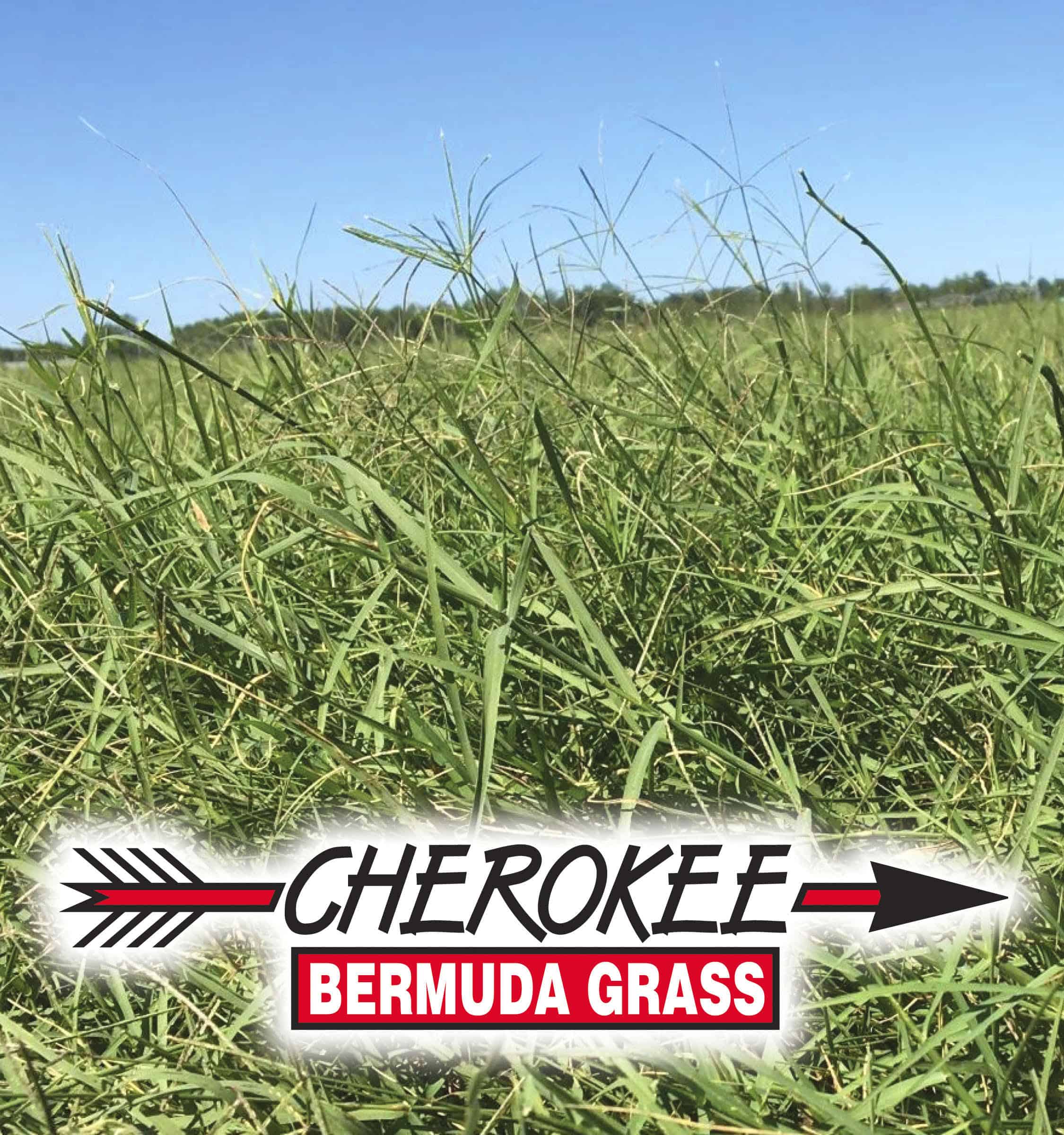
Credit: nixahardware.com
Frequently Asked Questions
When Is The Best Time To Sow Bermuda Grass Seed?
The best time to sow Bermuda grass seed is late spring to early summer. Soil temperatures should be consistently above 65°F for optimal germination. This timing ensures warm conditions that help the seed establish quickly and develop a dense, healthy lawn.
How Long Does Bermuda Grass Seed Take To Germinate?
Bermuda grass seed typically germinates within 7 to 21 days. Warm soil and adequate moisture speed up this process. Cooler temperatures can delay germination, so planting during warm months is ideal for faster growth and establishment.
Can Bermuda Grass Be Sown In Fall Or Winter?
Sowing Bermuda grass in fall or winter is not recommended. Cold soil temperatures slow germination and growth. For best results, plant when the soil is warm, usually late spring through summer, to ensure strong seedling development.
What Soil Conditions Favor Bermuda Grass Seed Growth?
Bermuda grass thrives in well-drained, sandy or loamy soil with a pH between 5. 8 and 7. 0. Proper soil preparation, including aeration and fertilization, improves seed-to-soil contact, promoting healthy germination and root growth.
Conclusion
Bermuda grass grows best in warm weather. Sow the seeds when soil is warm, usually late spring or early summer. This helps the grass sprout quickly and stay healthy. Water the seeds gently and keep the soil moist. Avoid planting too early or too late to prevent poor growth.
With the right timing, your lawn will become lush and green. Remember, patience and care make all the difference. Now, your yard can enjoy fresh, green Bermuda grass all season long.
