

Are you ready to bring your Bermuda grass back to life this spring? Knowing exactly when to start watering your lawn can make all the difference between a lush, green yard and a patchy, struggling one.
If you water too early, you might waste water and risk disease. If you wait too long, your grass could dry out and lose its vibrant color. You’ll discover the perfect time to start watering your Bermuda grass, along with simple tips to keep it healthy and thriving all season long.
Keep reading to give your lawn the care it deserves!
Signs Bermuda Grass Needs Water
Bermuda grass shows clear signs when it needs water. Knowing these signs helps keep your lawn green and healthy. Watch closely in spring as the grass wakes from winter dormancy. Early watering can save your lawn from damage.
Soil Moisture Levels
Check the soil moisture by touching the ground. Dry soil feels hard and crumbly. Moist soil feels cool and soft. Water your Bermuda grass if the soil is dry below the surface. This stops the roots from drying out.
Grass Color Changes
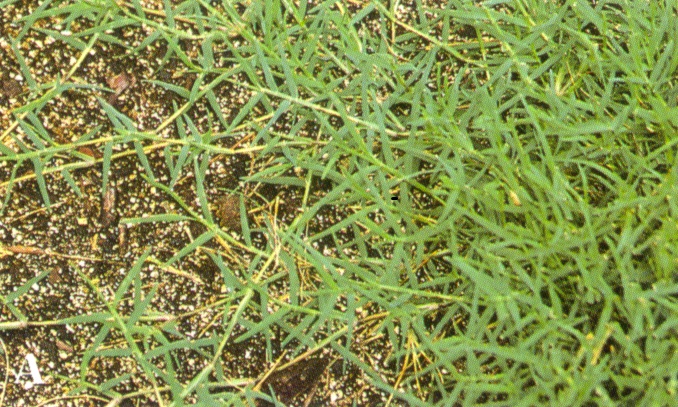
Notice the color of your Bermuda grass blades. Healthy grass is bright green. If the grass turns pale or yellow, it needs water. Brown patches also show dryness. These changes mean the grass is stressed and thirsty.
Growth Patterns
Bermuda grass grows quickly in spring with enough water. Slow or stunted growth signals a need for watering. Watch for blades that lay flat or curl. These signs show the grass is struggling to stay healthy.
Credit: hgic.clemson.edu
Ideal Spring Weather Conditions
Starting to water Bermuda grass in spring depends on the weather. The right weather helps the grass grow strong and green. Watching the temperature and rainfall is very important. These factors tell you when to begin watering your lawn.
Temperature Thresholds
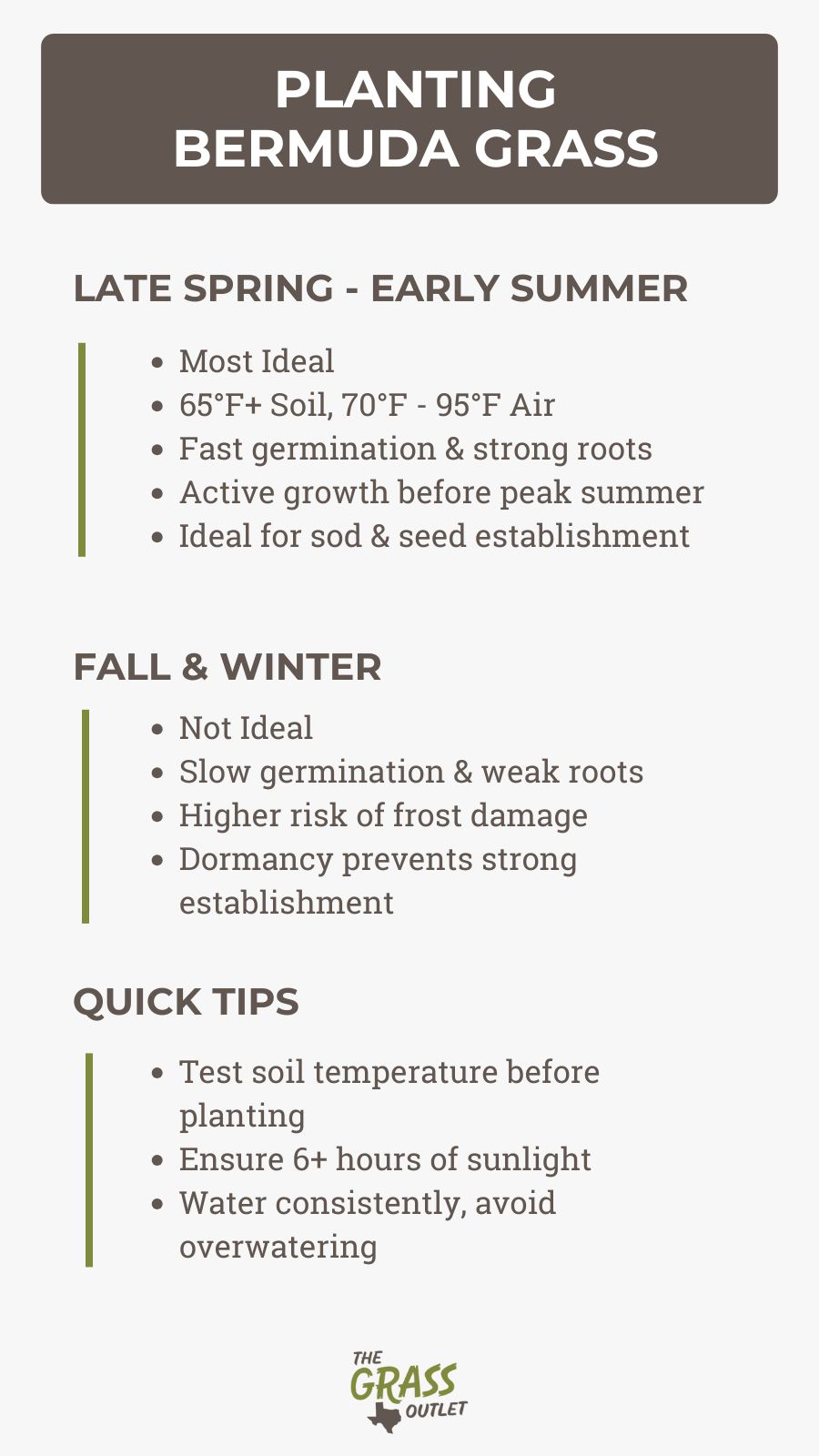
Bermuda grass begins to grow when soil warms up to about 60°F (15°C). Daytime air temperatures should reach at least 70°F (21°C). Night temperatures should not drop below 50°F (10°C). Watering too early wastes water and can harm the grass. Wait until these temperature levels become steady.
Rainfall Considerations
Spring rain can reduce the need for watering. Check the weather forecast for rain patterns. If rain is frequent and steady, delay watering the lawn. Too much water can cause root problems and lawn disease. Use rainfall as a natural way to keep the grass hydrated.
Timing Your First Watering
Timing your first watering of Bermuda grass in spring is very important. The right time helps the grass grow strong and stay healthy. Water too early or too late, and the grass may not get the best start. Knowing when and how to water sets the tone for a lush, green lawn all season long.
Early Morning Vs Evening
Watering early in the morning is best for Bermuda grass. The cool air helps water soak into the soil. The grass dries quickly under the morning sun. This reduces the chance of fungus and disease.
Evening watering leaves grass wet for longer. Wet grass overnight can cause mold and fungus to grow. Avoid watering late in the day to keep the lawn healthy.
Frequency And Duration
Start watering Bermuda grass lightly but often. Water two to three times a week at first. Each session should wet the soil about 1 inch deep.
As the grass grows, reduce watering frequency. Deep, less frequent watering encourages strong roots. Aim for one to two waterings per week once the grass is established.
Watering Techniques For Bermuda Grass
Watering Bermuda grass correctly in spring is key to a healthy lawn. Proper watering helps roots grow strong and keeps grass green. Using the right techniques saves water and avoids problems like disease or weak grass.
Deep Vs Shallow Watering
Deep watering means watering less often but soaking the soil deeply. It helps roots grow deeper and makes the grass stronger. Shallow watering only wets the top layer of soil. This causes roots to stay near the surface and can lead to dry grass quickly.
Water Bermuda grass deeply once or twice a week in spring. This encourages roots to grow down and makes your lawn drought-resistant. Avoid watering every day for a short time. It wastes water and weakens roots.
Using Sprinklers Effectively
Sprinklers work well for watering Bermuda grass if used properly. Choose sprinklers that cover the lawn evenly. Move them often to avoid dry spots or puddles.
Water early in the morning. This reduces evaporation and helps grass absorb water better. Avoid watering at night to stop fungus growth. Check sprinkler timers to prevent overwatering.
Common Mistakes To Avoid
Starting to water Bermuda grass in spring needs care and attention. Many make mistakes that harm their lawn. Knowing what to avoid helps your grass grow healthy and green.
Overwatering Risks
Too much water can hurt Bermuda grass. It causes roots to rot and invites disease. Overwatering also wastes water and raises your bills. Water only when the soil feels dry. Early morning watering helps grass soak water well.
Ignoring Soil Drainage
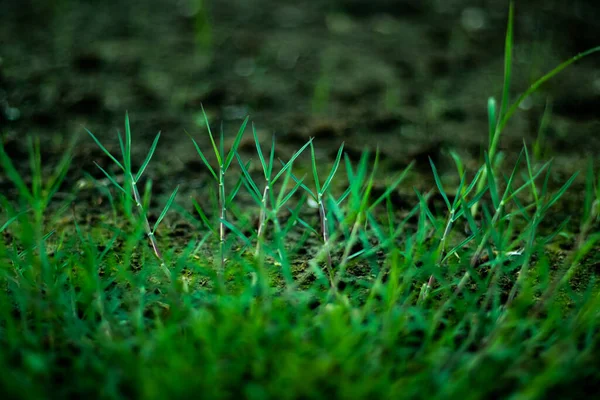
Good soil drainage is key for Bermuda grass health. Water that stays on the surface can drown roots. Check your soil to see if water drains quickly. Poor drainage means watering less often but deeper. Fix drainage problems before starting regular watering.
Credit: theturfgrassgroup.com
Adjusting Watering As Season Progresses
Adjusting watering as spring moves into summer is key for healthy Bermuda grass. The grass needs more water during hot days and less when rain falls. Watching the weather helps keep your lawn green and strong.
Increasing Water During Heat Waves
Heat waves dry out Bermuda grass quickly. Water the lawn deeply in the early morning. This helps the roots grow strong. Shallow watering can hurt the grass during hot spells. Aim to water more often, but avoid overwatering.
Scaling Back With Rainfall
Rain reduces the need for extra watering. Check the soil after rain to see if it is wet. Skip watering if the ground feels moist. Too much water can lead to disease and weak roots. Adjust watering based on natural rain patterns.
Credit: thegrassoutlet.com
Frequently Asked Questions
When Should I Start Watering Bermuda Grass In Spring?
Start watering Bermuda grass when soil temperatures reach 65°F consistently. This usually occurs in early to mid-spring. Proper timing helps grass awaken from dormancy and promotes healthy growth.
How Often Should I Water Bermuda Grass In Spring?
Water Bermuda grass 2-3 times weekly in spring. Ensure deep watering to encourage strong root growth. Adjust frequency based on rainfall and soil moisture levels.
What Is The Best Time Of Day To Water Bermuda Grass?
Water Bermuda grass early in the morning. Morning watering reduces evaporation and allows grass blades to dry, preventing diseases. Avoid watering late evening or night.
How Much Water Does Bermuda Grass Need In Spring?
Bermuda grass needs about 1 inch of water per week in spring. This includes rainfall and irrigation. Deep, infrequent watering promotes drought resistance and healthy roots.
Conclusion
Starting to water Bermuda grass at the right time helps it grow strong. Wait until the soil warms and grass begins to green. Water early in the morning to save moisture. Avoid overwatering to keep roots healthy. Regular care makes your lawn look fresh all spring.
Watch your grass closely and adjust watering as needed. Healthy Bermuda grass means a beautiful yard all season long. Simple steps lead to great results. Keep your lawn happy with proper watering habits.
