
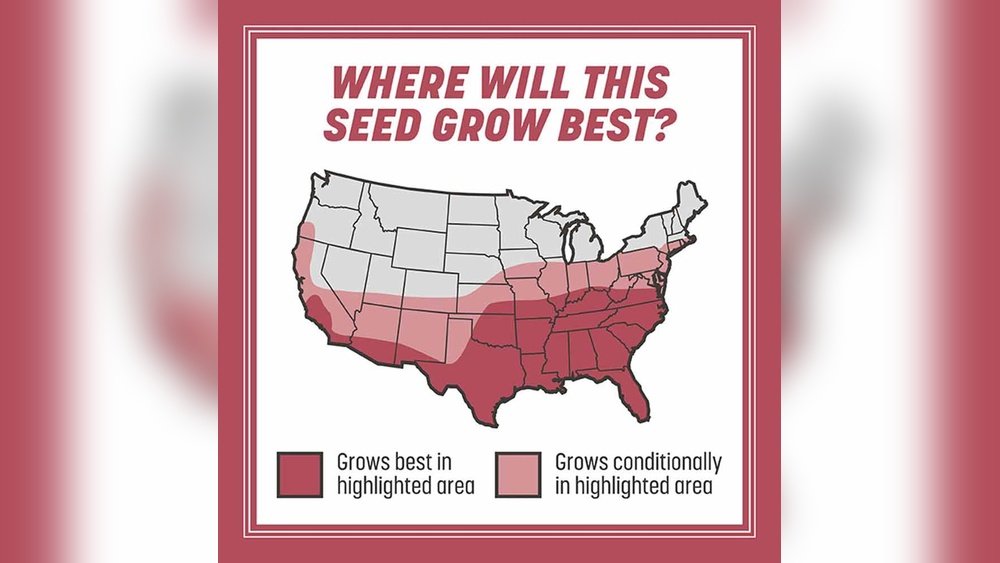
Are you tired of patchy, weak grass that just won’t thrive no matter what you do? If you want a lawn that stays lush, green, and healthy with less effort, understanding where Zoysia grass grows best is key.
This amazing grass type can transform your yard, but only if it’s planted in the right place. Keep reading to discover the perfect conditions for Zoysia grass and how you can create the ideal environment for your lawn to flourish like never before.
Your dream lawn is closer than you think!
Climate Zones For Zoysia
Zoysia grass thrives best in specific climate zones. Understanding these zones helps you choose the right grass for your lawn. Climate affects how well Zoysia grows and stays green. It also influences how much care the grass needs. This section covers the climate zones suitable for Zoysia grass.
Warm Vs. Cool Climates
Zoysia grass prefers warm climates. It grows well in areas with hot summers and mild winters. Cool climates slow down its growth. Frost can damage Zoysia grass, making it less green. Warm climates help the grass stay thick and healthy. Cool zones may require more protection and care.
Ideal Temperature Range
The best temperature for Zoysia grass is between 80°F and 95°F. It can survive short cold spells but not long freezes. Temperatures below 40°F can make the grass go dormant. In warm weather, Zoysia grows fast and recovers quickly from damage. The grass stops growing in cold and needs time to bounce back.
Seasonal Growth Patterns
Zoysia grass grows most in late spring and summer. It starts growing when the soil warms up above 60°F. Growth slows down in fall as temperatures drop. In winter, Zoysia becomes dormant and turns brown. It regrows in spring when the weather warms. Seasonal changes affect how often you water and mow the grass.
Soil Requirements
Zoysia grass thrives best in soils that meet specific conditions. Good soil helps roots grow deep and strong. It also holds water and nutrients well. Knowing the right soil requirements helps you grow healthy Zoysia lawns.
Choosing the right soil type, maintaining proper pH, and improving soil quality all matter. These factors create the perfect home for Zoysia grass.
Soil Types That Support Zoysia
Zoysia grows well in sandy, loamy, and clay soils. Sandy soil drains water quickly but may need more watering. Loamy soil holds water and nutrients well. Clay soil keeps moisture but may need better drainage. Zoysia adapts to different soils but prefers well-drained ground.
Ph Levels And Nutrient Needs
Zoysia grass grows best in soil with a pH of 6.0 to 7.0. This range is slightly acidic to neutral. Nutrients like nitrogen, phosphorus, and potassium help Zoysia grow green and thick. Regular soil tests can show nutrient levels. This helps to add the right fertilizers for strong growth.
Improving Soil For Better Growth
Adding organic matter like compost improves soil texture and nutrition. It helps sandy soils hold water and clay soils drain better. Aerate soil to allow air and water to reach roots. Avoid compacted soil as it stops root growth. Mulching also keeps soil moist and cool for Zoysia grass.
Sunlight And Shade Tolerance
Zoysia grass thrives in sunlight but can handle some shade. Understanding its sunlight and shade tolerance helps in growing a healthy lawn. This grass type needs a good balance of light to grow thick and green.
Optimal Sunlight Exposure
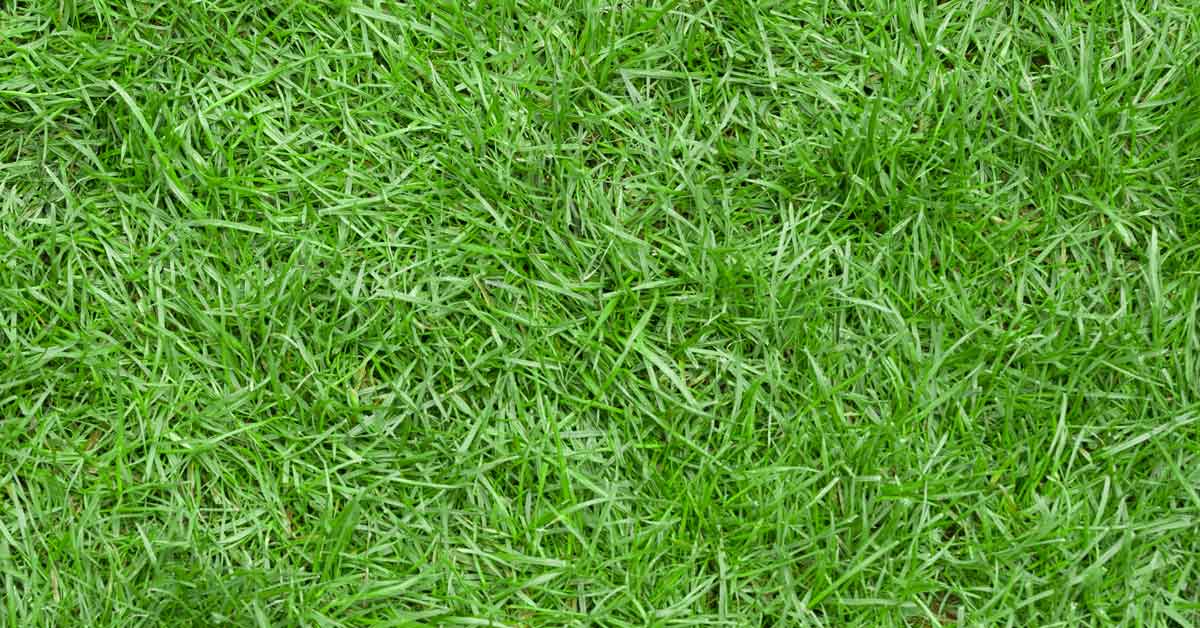
Zoysia grass grows best under full sun. It needs at least six hours of direct sunlight daily. Sunlight helps the grass produce energy and stay strong. Lawns with full sun look lush and dense with this grass.
Managing Partial Shade
Zoysia can survive in areas with partial shade. It tolerates two to four hours of sun each day. In shaded spots, growth slows down, and the grass may thin. Regular mowing and watering help maintain its health here.
Effects Of Excessive Shade
Too much shade harms Zoysia grass. It struggles to grow without enough sunlight. Thin, weak patches often appear in dark areas. Over time, weeds may take over where Zoysia fades away.
Credit: www.pennington.com
Watering And Moisture Needs
Zoysia grass needs the right amount of water to grow healthy and green. Too little or too much water can harm it. Understanding its watering and moisture needs helps keep your lawn strong. Proper care means better growth and less disease.
Irrigation Best Practices
Water Zoysia grass deeply but less often. This encourages roots to grow deeper. Water early in the morning to reduce evaporation. Avoid watering in the afternoon or evening to prevent fungus. Use sprinklers that provide even coverage. Check soil moisture before watering again.
Drought Resistance
Zoysia grass can survive dry spells better than many grasses. It goes dormant in extreme heat or drought, turning brown. This is normal and helps the grass save water. Once rain or watering returns, it will green up again. It needs less water than cool-season grasses.
Drainage Considerations
Good drainage is important for Zoysia grass. Water should not pool on the lawn surface. Standing water can cause root rot and other problems. Make sure your soil drains well or add sand to improve it. Avoid compacted soil to help water move through easily. Proper drainage keeps roots healthy and strong.
Planting And Maintenance Tips
Proper planting and maintenance help Zoysia grass grow thick and green. Follow simple steps to keep your lawn healthy and beautiful. Learn the best times to plant, how to mow, and how to fertilize for strong growth.
Best Planting Seasons
Plant Zoysia grass during warm months. Late spring to early summer works best. Soil temperature should be above 65°F for good root growth. Avoid planting in cold or wet conditions. This helps the grass establish faster and resist weeds.
Mowing Guidelines
Keep the grass height between 1 and 2 inches. Mow regularly to avoid cutting more than one-third of the blade. Use sharp mower blades for clean cuts. Mowing often encourages dense growth and reduces weeds. Stop mowing in late fall when grass growth slows.
Fertilizing For Lush Growth
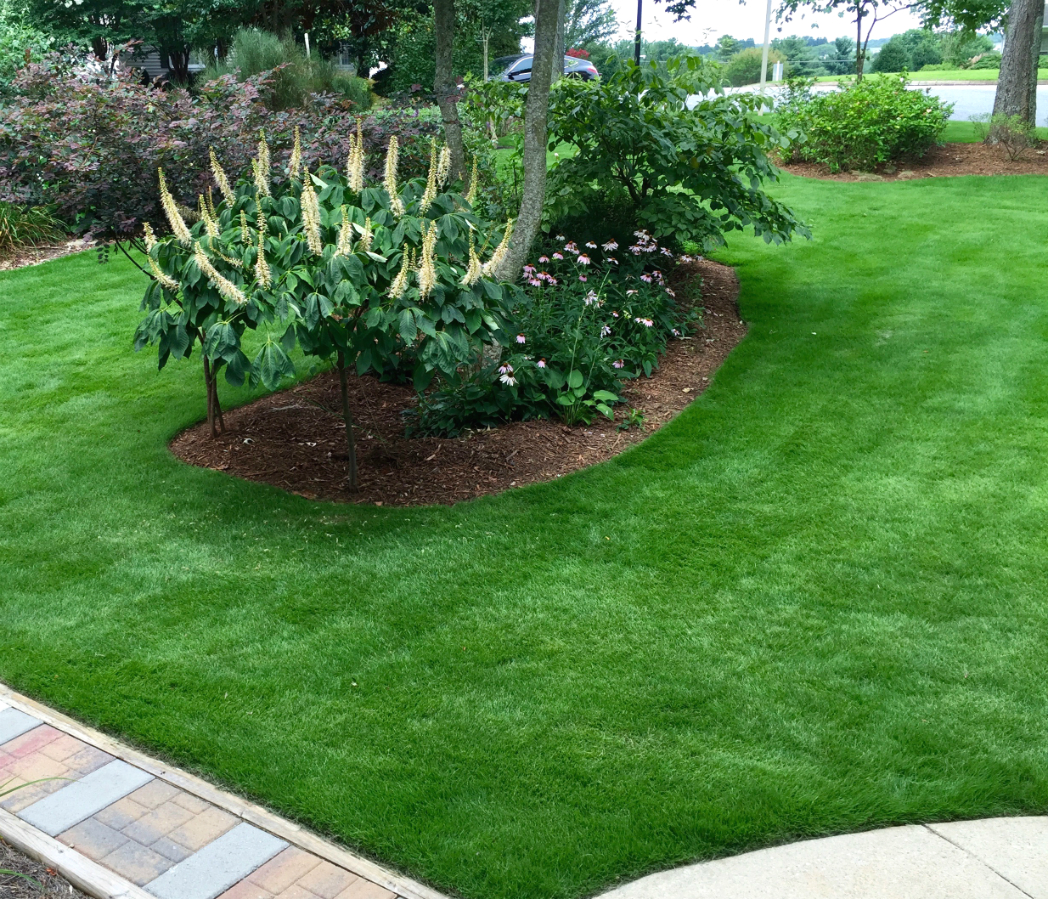
Feed Zoysia grass with a balanced fertilizer in spring and summer. Use nitrogen-rich fertilizer to promote green leaves. Apply fertilizer every 6 to 8 weeks during the growing season. Avoid fertilizing in winter when grass is dormant. Water the lawn after fertilizing to help nutrients soak in.
Credit: hgic.clemson.edu
Common Challenges
Zoysia grass grows well in many places but faces some common challenges. These issues can affect its health and appearance. Knowing about these problems helps in keeping your lawn green and strong. Here are some key challenges you might face with Zoysia grass.
Pests And Diseases
Pests like armyworms and billbugs often attack Zoysia grass. They eat the grass blades and roots, causing brown patches. Diseases such as brown patch and leaf spot also harm Zoysia. These diseases thrive in wet and humid conditions. Early detection and treatment stop damage from spreading. Using pest control products carefully keeps your lawn safe.
Weed Control Strategies
Weeds compete with Zoysia grass for water and nutrients. Common weeds include crabgrass and clover. Controlling weeds early stops them from taking over. Applying pre-emergent herbicides helps prevent weed seeds from growing. Hand pulling small weeds is effective too. Healthy, thick Zoysia grass naturally blocks weed growth.
Dealing With Thatch Build-up
Thatch is a layer of dead grass and roots on the soil surface. Too much thatch stops water and nutrients from reaching roots. It also creates a good place for pests and diseases. Regular dethatching or aeration removes excess thatch. This improves air and water flow to the grass roots. Keeping thatch under control keeps your lawn healthy and green.
Regional Success Stories
Zoysia grass thrives in many parts of the United States. Its adaptability allows it to grow well in diverse climates. Regional success stories highlight where this grass performs best. These stories help homeowners and landscapers make smart choices. Below are examples of Zoysia’s performance in different regions.
Zoysia In Southern States
Southern states offer warm temperatures and plenty of sunlight. Zoysia grass grows thick and green here. It resists heat and drought better than many other grasses. States like Florida, Texas, and Georgia report strong lawns year-round. Zoysia’s deep roots help it survive dry spells easily. This grass handles heavy foot traffic well, perfect for busy yards.
Growth In Coastal Areas
Coastal areas have salty air and sandy soil. Zoysia grass adapts well to these tough conditions. It tolerates salt spray better than many grasses. Coastal lawns in places like California and the Carolinas show healthy growth. Zoysia also controls erosion on sandy slopes. Its dense growth protects soil from wind and water damage.
Performance In Transitional Zones
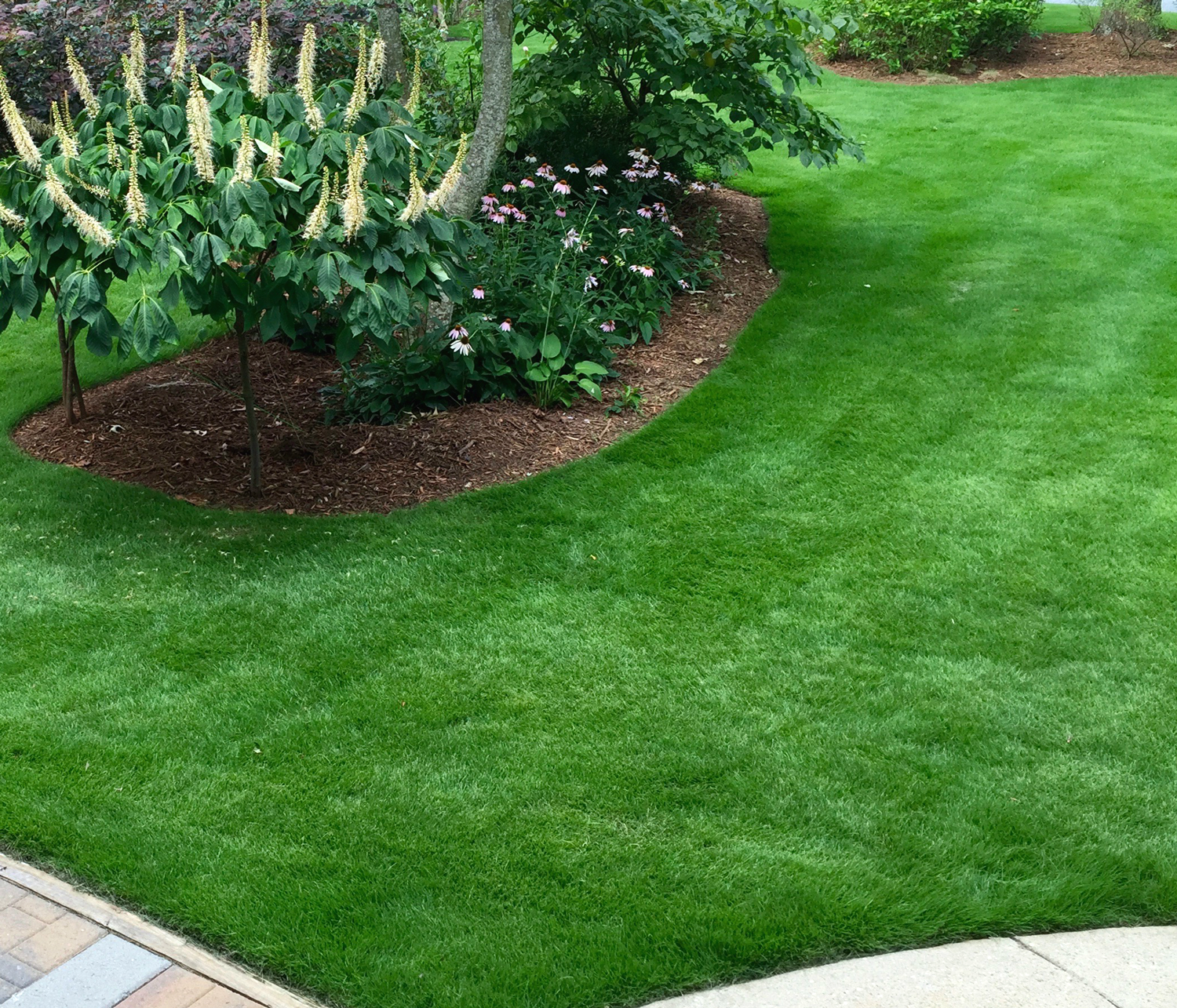
Transitional zones face hot summers and cold winters. Zoysia grass manages these changes with ease. It goes dormant in cold but recovers quickly in spring. States such as Missouri and Kentucky see good results. Zoysia offers a green lawn longer than cool-season grasses here. It resists weeds and pests, reducing lawn care needs.
Credit: hgic.clemson.edu
Frequently Asked Questions
Where Is Zoysia Grass Best Suited To Grow?
Zoysia grass thrives in warm, temperate climates. It grows best in USDA zones 6 to 10. It prefers full sun but tolerates light shade. Well-drained soils with moderate fertility support its healthy growth.
Can Zoysia Grass Grow In Cold Climates?
Zoysia grass can survive mild cold but struggles in severe winters. It goes dormant and turns brown below 20°F. It is better suited for regions with mild winters and warm summers.
What Soil Type Does Zoysia Grass Prefer?
Zoysia grows well in sandy, loamy, and clay soils. It prefers well-drained soils with a pH between 6. 0 and 7. 5. Proper soil drainage is crucial to avoid root rot.
Does Zoysia Grass Require Full Sunlight?
Zoysia grass grows best in full sunlight but tolerates partial shade. It needs at least 4 to 6 hours of direct sun daily. Too much shade can thin the lawn and reduce vigor.
Conclusion
Zoysia grass grows best in warm, sunny places with good soil. It handles heat and drought well. It also tolerates some shade but needs enough sunlight. This grass suits many lawns, parks, and golf courses. Choosing the right spot helps it stay green and healthy.
Take care with watering and mowing for best results. Zoysia grass can make your yard look neat and lush. Simple steps lead to a beautiful, lasting lawn.
