

Is your Bermuda grass looking dull and brown instead of the lush green you expected? You’re not alone.
Many homeowners struggle with this exact problem, wondering why their lawn won’t turn green no matter what they try. The good news is, understanding the reasons behind this can help you bring your grass back to life. You’ll discover the common mistakes that might be holding your Bermuda grass back and simple steps you can take to revive its vibrant green color.
Keep reading—your lawn’s transformation starts here.
Credit: theturfgrassgroup.com
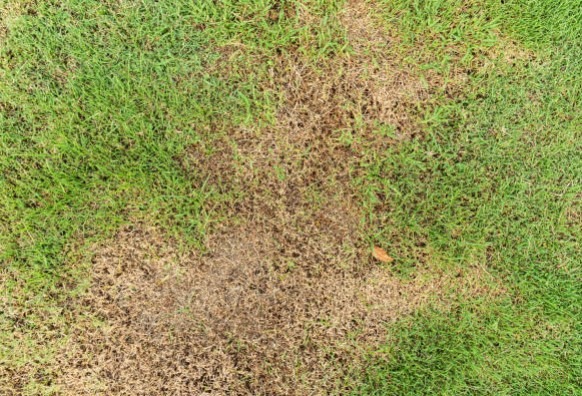
Common Reasons For Bermuda Grass Yellowing
Bermuda grass may turn yellow for several common reasons. Knowing these helps keep your lawn healthy and green. Yellowing shows the grass struggles with something important. Problems might come from soil, water, bugs, or disease. Fixing the cause brings back the green color.
Soil Nutrient Deficiencies
Bermuda grass needs key nutrients to stay green and strong. Nitrogen is the most important nutrient for green color. Low nitrogen makes grass pale and yellow. Other nutrients like iron and potassium also matter. Poor soil or lack of fertilizer causes nutrient problems. Test your soil to find which nutrients are missing. Add fertilizer with the right mix to help grass recover.
Improper Watering Practices
Water affects grass color and growth a lot. Too little water makes grass dry and yellow. Too much water causes root problems and yellow patches. Bermuda grass needs deep, infrequent watering to stay healthy. Water early in the morning to reduce evaporation. Keep soil moist but not soggy. Proper watering keeps the grass green and strong.
Pest Infestations
Insects and pests can damage Bermuda grass quickly. Grubs, chinch bugs, and sod webworms are common pests. They eat grass roots and blades, causing yellow spots. Look for insects or dead grass patches. Treat pests with insecticides or natural controls. Early action stops damage and helps grass green up fast.
Disease Problems
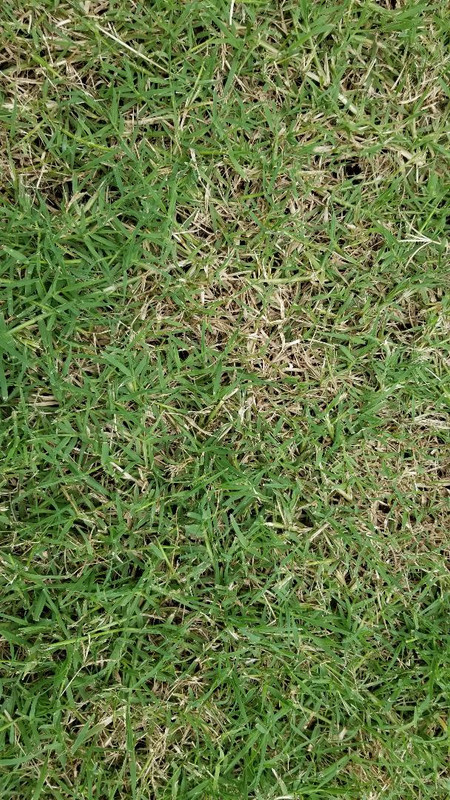
Diseases like dollar spot, rust, and leaf spot affect Bermuda grass. These cause yellow or brown patches on the lawn. Fungal infections spread in warm, wet weather. Good lawn care lowers disease risk. Use fungicides if disease is severe. Removing dead grass and improving air flow helps too.
Credit: www.thelawnforum.com
Soil Testing And Ph Balance
Soil testing and pH balance play a big role in the health of Bermuda grass. The soil needs the right nutrients and pH level to help the grass turn green and grow well. Without proper soil care, the grass can stay yellow or brown. Testing the soil helps you know what it needs. Adjusting the pH creates the best environment for the grass roots to absorb nutrients.
How To Test Soil At Home
Testing soil at home is easy and fast. You can buy a soil test kit from a garden store. Take small soil samples from different parts of your lawn. Mix the samples together for a good result. Follow the kit instructions to test the soil. It usually checks pH and nutrient levels. Write down the results to plan your next steps.
Ideal Ph Range For Bermuda Grass
Bermuda grass grows best in soil with a pH between 5.8 and 7.0. This range allows roots to absorb nutrients well. Soil that is too acidic or too alkaline can block nutrient uptake. If pH is out of this range, the grass may look yellow or weak. Knowing the pH helps you keep the grass healthy and green.
Adjusting Soil Ph Effectively
To raise soil pH, add lime to the soil. Spread lime evenly and water the lawn. To lower pH, use sulfur or peat moss. Apply these materials carefully following instructions. Avoid adding too much at once. Check the soil pH again after a few weeks. Adjust slowly to avoid stressing the grass roots.
Watering Tips For Greener Grass
Watering plays a big role in making Bermuda grass green and healthy. Too little or too much water can cause the grass to turn brown. Understanding the right way to water helps the grass grow thick and lush. Here are some tips to water Bermuda grass properly.
Optimal Watering Frequency
Bermuda grass needs about 1 to 1.25 inches of water per week. Water deeply but less often. This encourages strong roots. Watering 2 to 3 times a week is usually best. Early morning watering reduces water loss from evaporation.
Signs Of Overwatering And Underwatering
Wilting, yellowing, or brown patches can mean underwatering. The soil feels dry to touch. Overwatering causes soggy soil and fungus problems. Grass may look dull and soft. Check soil moisture regularly to avoid these issues.
Irrigation System Maintenance
Check sprinklers for leaks or clogs. Make sure water covers all lawn areas evenly. Adjust timers based on weather changes. Regular maintenance helps save water and keeps grass healthy.

Credit: www.reddit.com
Fertilizing Bermuda Grass
Fertilizing Bermuda grass plays a key role in keeping your lawn green and healthy. Without the right nutrients, the grass may stay yellow or brown. Fertilizers provide essential elements like nitrogen, phosphorus, and potassium. These nutrients help the grass grow strong and recover from stress. Proper fertilizing can make a big difference in the color and thickness of your Bermuda grass.
Best Fertilizers To Use
Choose fertilizers with a high nitrogen content for Bermuda grass. Nitrogen helps the grass turn green quickly. Look for fertilizers labeled as “lawn food” or “turf fertilizer.” These usually have balanced nutrients for grass. Slow-release fertilizers work well to feed the lawn over time. Avoid fertilizers with too much phosphorus unless a soil test shows it is needed.
Timing And Application Methods
Apply fertilizer during the active growing season, usually spring through early fall. Fertilizing too early or too late can harm the grass. Use a spreader to apply fertilizer evenly across the lawn. Water the lawn lightly after fertilizing to help nutrients soak into the soil. Follow the instructions on the fertilizer package for the best results.
Avoiding Fertilizer Burn
Fertilizer burn happens when too much fertilizer is applied at once. It can cause the grass to turn brown and dry out. Use the recommended amount to prevent burn. Avoid fertilizing during hot, dry weather. Water the lawn well after applying fertilizer to reduce risk. Applying fertilizer in smaller doses more often helps protect your grass.
Controlling Pests And Diseases
Controlling pests and diseases is essential for healthy Bermuda grass. Pests and diseases can cause yellowing or brown patches. These problems stop the grass from turning green and lush. Understanding how to manage these issues helps keep your lawn vibrant and strong.
Identifying Common Bermuda Grass Pests
Several pests harm Bermuda grass. Grubs, chinch bugs, and armyworms are common offenders. Grubs eat grass roots, causing wilting and dead spots. Chinch bugs suck sap, leaving yellow or brown patches. Armyworms chew leaves, creating ragged areas. Spotting these pests early helps you act fast.
Natural And Chemical Treatments
Natural treatments include beneficial nematodes and insecticidal soaps. These options target pests without harsh chemicals. Chemical pesticides work quickly but use them carefully. Always follow label instructions for safe application. Choose treatments based on pest type and severity. Combining methods can improve results.
Preventive Measures For Disease
Prevent diseases with good lawn care practices. Water early in the day to reduce moisture. Avoid overwatering or poor drainage, which cause fungal growth. Mow at the right height to keep grass healthy. Remove thatch and debris to stop disease spread. Use fungicides only if needed and as directed.
Mowing Practices For Healthy Growth
Mowing is a key part of keeping Bermuda grass green and healthy. Cutting grass the right way helps roots grow strong. It also stops weeds and disease. Poor mowing can stress grass and make it look brown or patchy. Follow good mowing habits for a lush lawn.
Recommended Mowing Height
Bermuda grass grows best when cut to 1 to 2 inches tall. Cutting too short hurts the grass. It weakens roots and causes brown spots. Cutting too high can let weeds grow and block sunlight. Keep the mower blade sharp and set it to the right height.
Proper Mowing Frequency
Mow Bermuda grass often during the growing season. Cutting about once a week works well. Do not cut more than one-third of the grass blade at once. Cutting too much stresses the grass. Regular mowing keeps grass thick and green.
Equipment Tips
Use a sharp mower blade for clean cuts. Dull blades tear grass and cause damage. Clean the mower deck to stop clumps and disease. Check the mower settings before each use. Properly maintained equipment helps grass stay healthy.
Environmental Factors Affecting Color
Bermuda grass needs the right environment to stay green and healthy. Several environmental factors affect its color. These include light, temperature, and seasonal shifts. Each factor plays a role in how vibrant your lawn looks.
Impact Of Shade And Sunlight
Bermuda grass thrives in full sunlight. It needs at least 6 to 8 hours of direct sun daily. Too much shade can make it thin and pale. Shade blocks sunlight, reducing photosynthesis. Without enough light, the grass struggles to produce chlorophyll. This leads to dull, yellowish patches in your lawn.
Temperature Effects On Growth
Bermuda grass grows best in warm temperatures. Ideal range is 75°F to 95°F. Cooler temperatures slow its growth and green color. Below 60°F, the grass may go dormant and turn brown. High heat can cause stress if the grass lacks water. Both cold and heat affect the grass’s ability to stay green.
Dealing With Seasonal Changes
Seasons impact Bermuda grass color significantly. In winter, the grass often goes dormant and loses its green hue. Spring brings new growth and a return to green. Fall may cause some yellowing as temperatures drop. Understanding these changes helps manage expectations for lawn color throughout the year.
When To Seek Professional Help
Sometimes, Bermuda grass problems need more than basic care. A professional can find hidden issues fast. They offer solutions that save time and effort. Knowing when to get help prevents grass from worsening. Professional advice keeps your lawn healthy and green.
Signs You Need An Expert
Brown patches grow despite watering and feeding. Grass feels dry or thin even after care. Pests or fungus appear and spread quickly. Soil seems hard or compacted, stopping growth. You notice uneven color and texture across the lawn. These signs show your lawn needs expert care.
Choosing The Right Lawn Care Service
Pick a company with good reviews and experience. Ask if they specialize in Bermuda grass. Check if they offer soil testing and pest control. See if they provide a clear treatment plan. Choose a service that explains steps simply. Trust experts who use safe, eco-friendly products.
Frequently Asked Questions
Why Is My Bermuda Grass Not Turning Green In Spring?
Bermuda grass may stay brown in spring due to cold soil temperatures. It needs warmth above 60°F to green up. Delayed greening often happens after harsh winters or late frosts. Patience and proper lawn care can help it recover naturally.
How Does Watering Affect Bermuda Grass Color?
Overwatering or underwatering can stress Bermuda grass. Too much water causes root rot, while too little leads to drought stress. Both conditions prevent grass from turning green. Proper watering promotes healthy roots and vibrant green color.
Can Soil Quality Impact Bermuda Grass Greenness?
Yes, poor soil quality limits nutrient availability. Bermuda grass needs well-drained, fertile soil rich in nitrogen. Testing soil and applying balanced fertilizers improve greening. Amend soil with organic matter for best results.
Does Mowing Height Influence Bermuda Grass Color?
Mowing too short weakens Bermuda grass, causing discoloration. Maintain a mowing height of 1 to 2 inches for optimal health. Proper mowing encourages thick growth and a rich green lawn.
Conclusion
Bermuda grass needs the right care to grow green and healthy. Check your soil, water, and sunlight first. Poor conditions can stop grass from greening up. Regular mowing and feeding help too. Watch out for pests or diseases that harm your lawn.
Simple steps can bring life back to your grass. Stay patient and consistent with your care routine. Soon, your Bermuda grass will look lush and green again.
