
Is your Bermuda grass turning brown and leaving your lawn looking dull? You’re not alone, and it can be frustrating to see your once-green yard start to lose its vibrant color.
But don’t worry—understanding why this happens is the first step to bringing your grass back to life. You’ll discover the common reasons behind brown Bermuda grass and simple solutions you can try right now. Keep reading to learn how to get your lawn healthy and green again.

Credit: www.youtube.com
Common Reasons For Browning
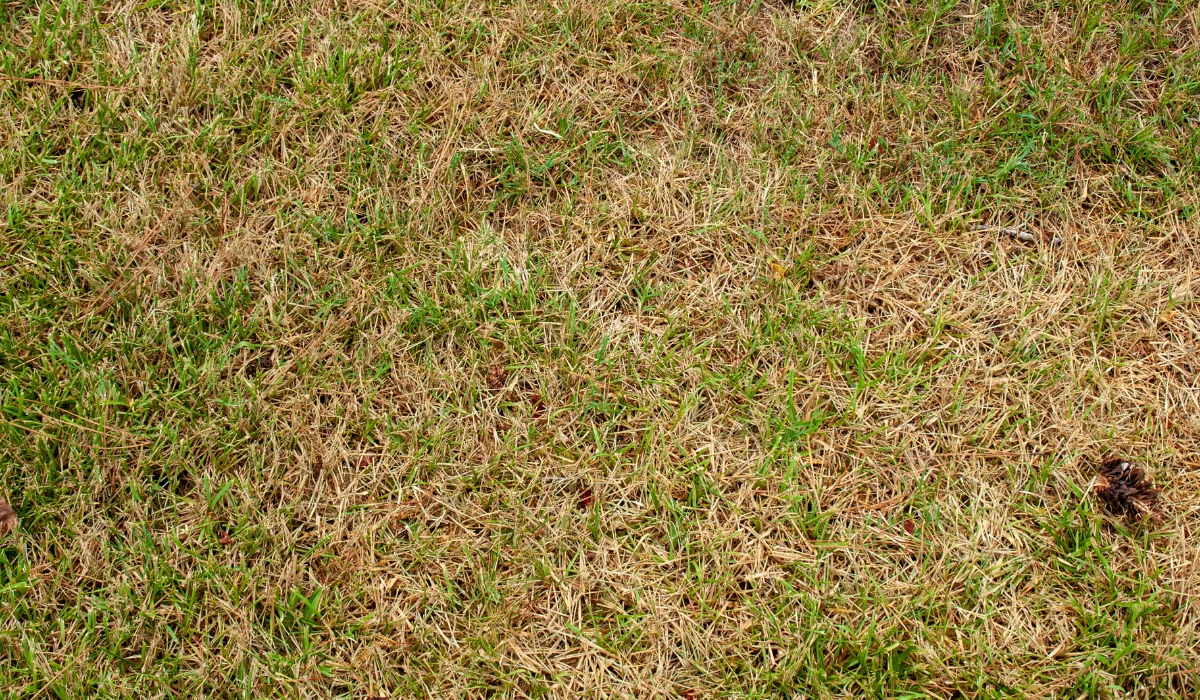
Bermuda grass turning brown can frustrate many homeowners. Understanding the common causes helps you fix the problem faster. Several factors affect the color and health of your grass. These reasons often work together, making your lawn look dry and unhealthy. Identifying the cause is the first step toward a green, vibrant lawn.
Drought Stress
Bermuda grass needs regular water to stay green. Without enough water, the grass dries out and turns brown. Hot, dry weather makes drought stress worse. Water your lawn deeply and less often. This encourages strong roots and reduces browning.
Nutrient Deficiency
Grass needs nutrients like nitrogen, phosphorus, and potassium to grow well. Lack of these nutrients can cause yellow or brown patches. Fertilize your lawn based on soil tests. Proper nutrition keeps Bermuda grass lush and green.
Pest Infestations
Insects like grubs and chinch bugs damage Bermuda grass roots and blades. This damage shows as brown spots or patches. Check your lawn regularly for pests. Treat infestations early to prevent serious harm.
Fungal Diseases
Fungi thrive in warm, wet conditions and attack Bermuda grass. Common diseases include brown patch and dollar spot. These cause brown or dead areas on the lawn. Use fungicides and improve lawn drainage to control diseases.
Improper Mowing
Mowing too short or with dull blades stresses Bermuda grass. This weakens the grass and causes browning. Set your mower to the right height and sharpen the blades. Proper mowing keeps the lawn healthy and green.
Credit: sodlawn.com
Watering Tips For Healthy Grass
Watering is key to keeping Bermuda grass green and healthy. Proper watering prevents brown patches and helps the grass grow strong roots. Too little or too much water can harm your lawn. Follow simple watering tips to keep your Bermuda grass fresh and vibrant all season.
Optimal Watering Frequency
Bermuda grass needs about 1 to 1.25 inches of water each week. Water deeply but less often. This encourages deep root growth. Usually, watering 2 to 3 times per week works well. Adjust based on weather and soil type. During hot, dry days, water more. After rain, reduce watering.
Signs Of Overwatering
Overwatering causes the grass to turn brown and patchy. Look for soft, muddy soil and a musty smell. Grass blades may appear yellow or wilted. Excess water can lead to fungal diseases. If the lawn feels soggy, cut back on watering. Let the soil dry before watering again.
Best Time To Water
Early morning is the best time to water Bermuda grass. Watering between 6 AM and 10 AM reduces evaporation. It also gives leaves time to dry before nightfall. Avoid watering in the heat of the day or late evening. This keeps the grass healthier and prevents disease.
Fertilizing Your Bermuda Grass
Fertilizing your Bermuda grass is key to keeping it green and healthy. Without the right nutrients, the grass can turn brown and weak. Proper fertilizing helps the grass grow thick and strong. It also helps the lawn resist drought and pests.
Knowing what nutrients your Bermuda grass needs and when to feed it can make a big difference. Using the right fertilizer ensures your lawn gets the food it needs without harm.
Essential Nutrients
Bermuda grass needs nitrogen, phosphorus, and potassium. Nitrogen helps the grass grow green and lush. Phosphorus supports root growth. Potassium improves drought and disease resistance. Small amounts of iron and other minerals also help the grass stay healthy.
When To Fertilize
Fertilize Bermuda grass during its growing season. Start in spring when the grass turns green. Apply fertilizer every 6 to 8 weeks until fall. Avoid fertilizing in winter when the grass is dormant. Over-fertilizing can harm the lawn and cause browning.
Choosing The Right Fertilizer
Pick a fertilizer with a balanced mix of nutrients. A common formula is 16-4-8 or 15-5-10. Look for slow-release fertilizers to feed grass over time. Avoid products with too much nitrogen, which can burn the lawn. Always follow the instructions on the package for best results.
Controlling Pests And Diseases
Controlling pests and diseases is key to keeping Bermuda grass green and healthy. Pests and diseases cause the grass to turn brown and weak. Early detection helps stop damage and restores your lawn quickly.
This section explains common pests, how to spot diseases, and effective treatments for Bermuda grass.
Common Bermuda Grass Pests
Several pests harm Bermuda grass. Chinch bugs suck sap, causing yellow or brown patches. Sod webworms eat grass blades at night, leaving brown spots. Grubs feed on roots, making the grass die and loosen. Identifying these pests early prevents serious lawn damage.
Disease Identification
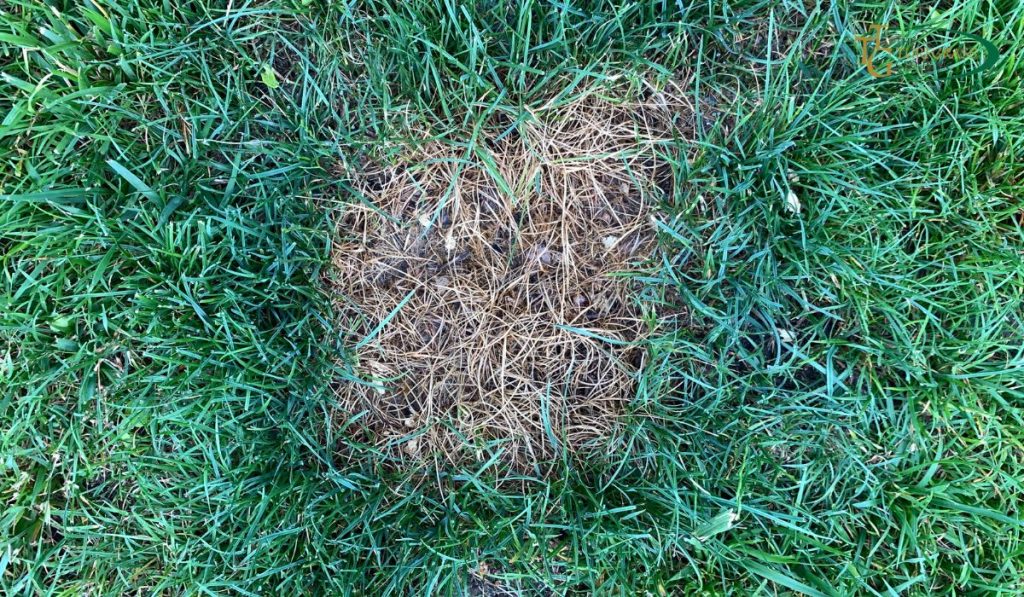
Bermuda grass faces many diseases. Brown patch disease creates circular brown areas with a darker edge. Dollar spot shows small, silver-dollar-size spots that merge. Leaf spot causes small dark spots on blades that grow larger. Spotting these symptoms helps choose the right treatment fast.
Natural And Chemical Treatments
Natural treatments include beneficial nematodes and insecticidal soaps to reduce pests safely. Watering early in the day helps prevent fungal diseases. Chemical treatments like fungicides and insecticides work quickly but must be used carefully. Follow label instructions and avoid overuse to protect your lawn and environment.
Mowing Practices For Lawn Health
Mowing plays a big role in keeping Bermuda grass green and healthy. Cutting the grass at the right height and time helps it grow strong. Poor mowing can stress the grass and cause it to turn brown. Learn the best mowing habits to keep your lawn vibrant and lush.
Ideal Mowing Height
Set your mower to cut Bermuda grass between 1 and 2 inches tall. This height lets the grass hold moisture and grow thick. Cutting too short weakens the grass and exposes roots to sun damage. Taller grass shades the soil and keeps weeds away.
Mowing Frequency
Cut your Bermuda grass about once a week during the growing season. Frequent mowing avoids cutting too much at once. Only trim one-third of the grass blade length each time. This practice helps the grass recover quickly and stay green longer.
Tools And Techniques
Use sharp mower blades to make clean cuts. Dull blades tear grass and cause brown tips. Mow when the grass is dry to avoid clumps. Change your mowing pattern regularly to prevent soil compaction and uneven growth.
Soil Care And Aeration
Soil care and aeration play a key role in keeping Bermuda grass green and healthy. Poor soil conditions can cause the grass to turn brown. Healthy soil helps roots absorb water and nutrients better. Aeration improves soil structure and allows air to reach the roots. Let’s explore how to care for your soil and use aeration to save your lawn.
Testing Soil Health
Testing your soil is the first step to fix brown Bermuda grass. Soil tests check pH levels and nutrient content. Ideal pH for Bermuda grass is between 5.8 and 7.0. Use a soil test kit or send a sample to a lab. Test results guide you to add the right fertilizer or lime. Healthy soil supports strong root growth and green grass.
Aeration Benefits
Aeration makes holes in the soil to improve air and water flow. This helps roots grow deeper and stronger. Compacted soil stops water from reaching roots, causing brown patches. Aeration reduces soil compaction and helps microbes thrive. It also improves nutrient uptake and reduces water runoff. Regular aeration keeps Bermuda grass lush and green.
Diy Aeration Methods
You can aerate your lawn without expensive tools. Use a garden fork to poke holes in the soil. Aerate small areas by removing soil plugs with a manual core aerator. Water your lawn a day before aeration for easier soil penetration. Aerate during the growing season for best results. DIY aeration is simple and helps revive brown Bermuda grass.
Credit: theturfgrassgroup.com
Frequently Asked Questions
Why Is My Bermuda Grass Turning Brown Suddenly?
Bermuda grass often turns brown due to drought stress or insufficient watering. Heat and poor soil nutrients also cause browning. Check your irrigation schedule and soil health to restore its green color.
Can Pests Cause Bermuda Grass To Turn Brown?
Yes, pests like grubs and chinch bugs damage Bermuda grass roots. This leads to brown patches and weakened grass. Inspect your lawn regularly and use appropriate pest control methods.
Does Improper Mowing Affect Bermuda Grass Color?
Mowing too short or with dull blades stresses Bermuda grass, causing brown tips. Maintain a mowing height of 1-2 inches and keep blades sharp for healthy green growth.
How Does Soil Quality Impact Bermuda Grass Health?
Poor soil drainage or low nutrient levels cause Bermuda grass to brown. Test soil pH and nutrient content, then amend with fertilizers or organic matter as needed.
Conclusion
Bermuda grass turns brown for many simple reasons. Lack of water, too much sun, or poor soil can cause this. Pests and diseases also harm the grass. Checking your lawn often helps catch problems early. Watering well and mowing right keeps grass healthy.
Treating pests fast stops damage from spreading. With care and attention, your Bermuda grass will green up again. Small steps make a big difference in lawn health. Keep watching and caring for your grass every week. Healthy grass means a happy, green lawn.
