
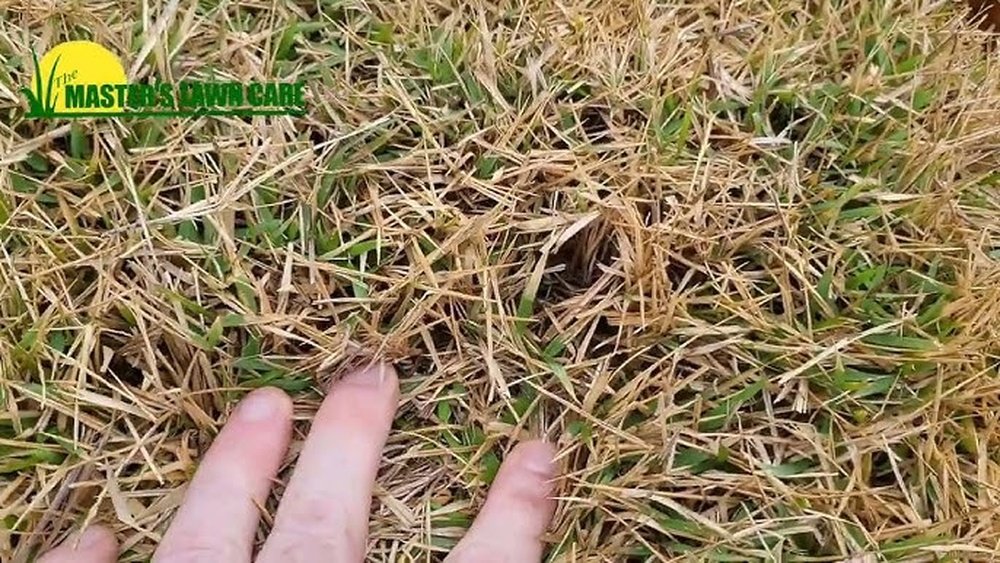
Is your beautiful green lawn suddenly fading to brown? You might be wondering, “Why is my Zoysia grass turning brown?” It’s frustrating to see your yard lose its vibrant color, especially when you’ve put in time and effort to keep it healthy.
But don’t worry—understanding the reasons behind this change can help you bring your lawn back to life. You’ll discover the common causes of browning Zoysia grass and simple steps you can take to restore its lush green look. Keep reading to learn how to save your lawn and enjoy a healthy, green yard again.

Credit: trysodpods.com
Common Causes Of Brown Zoysia Grass
Zoysia grass is popular for its thick, green carpet-like look. Brown patches can spoil its beauty. Understanding common causes helps bring it back to life. Many factors make Zoysia grass turn brown. Some are easy to fix. Others need more care and attention. Knowing these causes saves time and effort.
Drought And Water Stress
Zoysia grass needs steady water to stay green. Lack of rain or watering causes dryness. Grass blades turn brown and crispy. Overwatering also harms roots and leads to browning. Balance is key to healthy Zoysia grass.
Nutrient Deficiencies
Grass needs nutrients like nitrogen, potassium, and phosphorus. Poor soil lacks these nutrients. Grass grows weak and loses its green color. Fertilizing with proper nutrients improves grass health and color fast.
Pest Infestations
Insects like chinch bugs and grubs feed on Zoysia roots and blades. They cause yellow or brown patches. Early pest detection and treatment protect the lawn and keep it green.
Fungal Diseases
Fungi thrive in wet, humid conditions. They infect Zoysia grass and cause brown spots. Diseases like brown patch and dollar spot appear. Fungicide and good lawn care prevent fungal damage.
Improper Mowing Practices
Mowing too short stresses Zoysia grass. It exposes roots and dries the soil. Dull mower blades tear the grass, causing brown tips. Proper mowing height and sharp blades keep grass healthy.
Soil Compaction Issues
Heavy foot traffic compacts soil. Roots cannot get air, water, or nutrients. Grass weakens and turns brown. Aeration loosens soil and helps grass recover.
Excessive Thatch Build-up
Thatch is a layer of dead grass and roots. Too much thatch blocks water and nutrients. Grass suffocates and browns. Removing thatch regularly improves lawn health.
Environmental Stress Factors
Extreme heat, cold, or sudden weather changes stress Zoysia grass. Salt damage from nearby roads or pools harms grass too. Protecting grass from harsh conditions reduces browning risk.
Credit: www.thelawnforum.com
Identifying The Problem
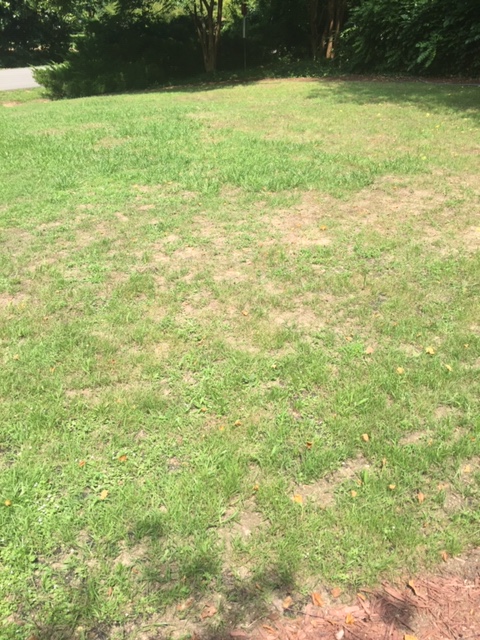
Brown patches on Zoysia grass can be frustrating. Finding the cause helps fix the problem fast. This section shows how to identify why your Zoysia grass turns brown. Simple checks can save your lawn.
Signs Of Water Stress
Water stress often causes browning in Zoysia grass. Check if the soil feels dry. Grass blades may curl or wilt. Brown tips or edges appear first. Overwatering can also harm roots and cause brown spots. Notice if the lawn feels soggy or has puddles.
Detecting Pests And Diseases
Look closely for insects on the grass blades and stems. Small bugs like chinch bugs or grubs damage roots. Diseases show as spots or patches with unusual colors. Fungal infections create rings or moldy areas. Early detection helps control pests and stops spread.
Soil Testing Techniques
Soil quality affects grass health. Test soil pH and nutrient levels. Use a simple soil test kit from stores. Take samples from different lawn areas. Low nutrients or wrong pH cause browning. Adjust soil by adding fertilizer or lime as needed.
Assessing Lawn Maintenance Habits
Check your mowing, watering, and fertilizing routines. Cutting grass too short stresses it. Watering too much or too little affects growth. Poor fertilizing can weaken grass. Review your habits and make small changes. Proper care keeps Zoysia green and healthy.
Simple Remedies For Brown Spots
Brown spots on Zoysia grass can spoil the look of your lawn. These spots often show stress or damage. Fixing them quickly keeps your lawn green and healthy. Simple changes in care help your grass recover fast. Follow these easy tips to treat brown spots effectively.
Proper Watering Tips
Water your Zoysia grass deeply and less often. This helps roots grow stronger and deeper. Avoid frequent shallow watering that leads to weak roots. Water early in the morning to reduce evaporation. Check soil moisture before watering again. Overwatering can cause brown spots too.
Fertilization Guidelines
Use a balanced fertilizer with nitrogen, phosphorus, and potassium. Feed your lawn during the growing season for best results. Avoid too much fertilizer; it can burn the grass. Follow product instructions carefully for safe use. Proper feeding keeps grass green and thick.
Pest Control Methods
Check your lawn regularly for pests like grubs or insects. Treat pests early to prevent damage. Use safe insecticides or natural remedies. Encourage beneficial insects that eat harmful pests. Healthy grass resists pests better and stays green.
Disease Management Strategies
Identify common diseases like fungal infections causing brown patches. Apply fungicides if needed, following label directions. Keep grass dry by watering in the morning. Remove dead grass to stop disease spread. Proper lawn care reduces disease risk.
Correct Mowing Practices
Cut your Zoysia grass at the right height, about 1 to 2 inches. Avoid cutting too short; it stresses the grass. Use sharp mower blades for clean cuts. Mow regularly but not too often. Proper mowing helps grass stay healthy and green.
Aeration And Thatch Removal
Aerate your lawn to improve soil air and water flow. Remove thatch buildup to allow nutrients to reach roots. Do this once or twice a year for best results. Aeration and dethatching reduce brown spots and boost grass health.
Preventing Future Browning
Preventing future browning of Zoysia grass helps keep your lawn green and healthy. Taking the right steps now stops damage later. Focus on care, soil, and grass type for lasting results.
Seasonal Lawn Care Tips
Adjust your care routine with the seasons. Water deeply in hot months to avoid stress. Mow regularly but not too short. Fertilize in spring and fall to feed roots. Rake leaves and debris to let grass breathe.
Choosing The Right Grass Variety
Select Zoysia types suited for your climate. Some varieties handle heat better than others. Choose drought-resistant options if water is scarce. Pick a type that resists common pests and diseases. This reduces browning caused by stress.
Improving Soil Health
Healthy soil supports strong, green grass. Test soil pH and nutrients regularly. Add organic matter like compost to enrich soil. Aerate soil to improve air and water flow. Good soil helps roots grow deep and fight browning.
Regular Lawn Monitoring
Check your lawn often for early signs of trouble. Look for dry patches or discoloration. Spot pests or fungal growth quickly. Early action stops browning from spreading. Keep a simple schedule for inspection and care.

Credit: www.reddit.com
Frequently Asked Questions
Why Is My Zoysia Grass Turning Brown In Summer?
Zoysia grass often turns brown in summer due to heat stress or drought. It needs regular watering and some shade to stay green. High temperatures can cause dormancy, making the grass appear brown until cooler weather returns.
Can Underwatering Cause Zoysia Grass To Brown?
Yes, underwatering is a common cause of browning in Zoysia grass. Without enough water, the grass becomes stressed and loses its green color. Consistent watering, especially during dry periods, helps maintain healthy, green Zoysia turf.
Does Soil Quality Affect Zoysia Grass Color?
Poor soil quality can cause Zoysia grass to turn brown. Nutrient deficiencies or compacted soil limit root growth and water absorption. Regular soil testing and proper fertilization improve soil health and keep Zoysia grass vibrant and green.
How Does Mowing Height Impact Zoysia Grass Health?
Mowing Zoysia grass too short can cause browning by stressing the plant. Maintain a mowing height of 1 to 2 inches to promote healthy growth. Proper mowing helps the grass develop deeper roots and resist drought and heat.
Conclusion
Brown Zoysia grass signals stress or poor care. Check watering habits and soil health first. Avoid overwatering or letting the grass dry out. Watch for pests and diseases that cause browning. Proper mowing keeps your lawn healthy and green. Use fertilizer suited for Zoysia grass to help recovery.
Small changes make a big difference in lawn color. Stay patient and consistent with your lawn care routine. Your grass can bounce back with the right steps. Keep an eye on it to enjoy a lush yard again.
