

Is your lush Zoysia grass suddenly turning brown or thinning out? You’ve worked hard to keep your lawn green and healthy, so seeing it struggle can be frustrating and confusing.
Understanding why your Zoysia grass is dying is the first step to bringing it back to life. You’ll discover the common causes behind its decline and learn easy ways to revive your lawn. Keep reading to save your grass and enjoy a vibrant yard again.
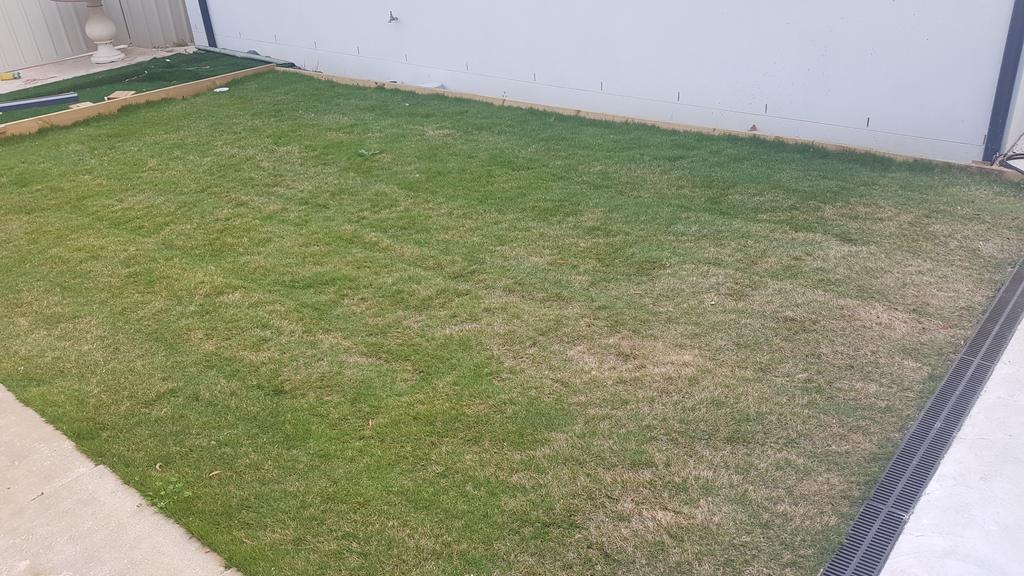
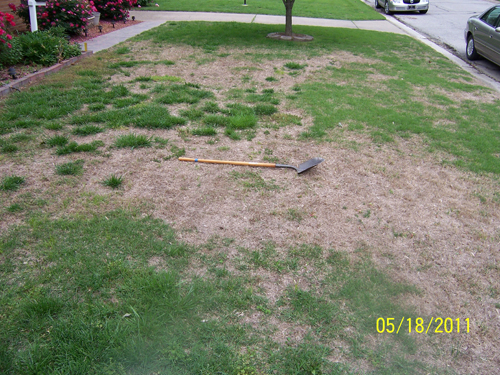
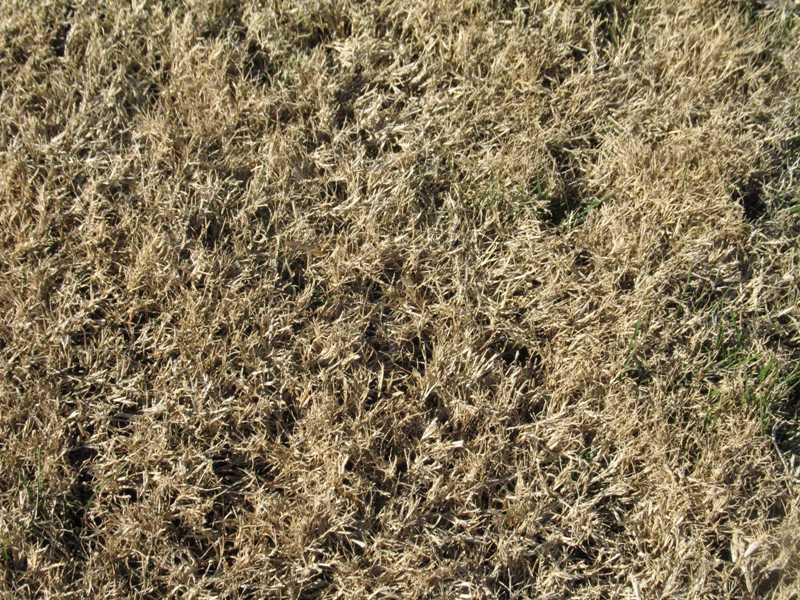
Common Causes Of Zoysia Grass Decline
Zoysia grass is popular for its thick, green appearance and low maintenance needs. Yet, it can start to die back without clear reasons. Understanding the common causes of Zoysia grass decline helps to keep your lawn healthy and vibrant. Many factors can cause this decline, ranging from watering habits to environmental conditions.
Watering Issues
Zoysia grass needs the right amount of water. Too much water causes root rot and weakens the grass. Too little water leads to dry, brown patches. Watering deeply but less often helps roots grow strong. Avoid frequent shallow watering that leaves soil soggy on top.
Soil Problems
Poor soil quality harms Zoysia grass health. Compacted soil stops roots from getting air and water. Clay or sandy soils may lack nutrients or drain poorly. Testing soil pH and structure can reveal hidden problems. Healthy soil supports thick, green grass growth.
Pests And Diseases
Insects like grubs and chinch bugs can damage Zoysia grass roots and blades. Diseases such as brown patch and leaf spot cause yellow or brown patches. Early detection and treatment prevent serious damage. Regular lawn checks keep pests and diseases under control.
Nutrient Deficiencies
Zoysia grass needs nutrients like nitrogen, phosphorus, and potassium. Lack of these nutrients causes slow growth and pale color. Fertilizing with balanced lawn food supports healthy grass. Avoid over-fertilizing, which can burn the grass and waste money.
Environmental Stress
Extreme heat, cold, or drought stress Zoysia grass. Shade from trees reduces sunlight needed for growth. Heavy foot traffic can crush and damage the grass blades. Protect your lawn from harsh conditions to keep it strong and green all year.
Credit: www.thelawnforum.com
Identifying Watering Problems
Watering is a key factor for healthy Zoysia grass. Too much or too little water can cause it to die. Identifying watering problems early helps keep your lawn green and strong. Watch for signs that show if your grass needs more or less water.
Overwatering Effects
Too much water can drown Zoysia grass roots. Roots need air to breathe, but water fills soil spaces. This causes root rot and weak grass. Overwatered lawns may have yellow patches and soft soil. Fungi and pests also grow in wet conditions.
Underwatering Signs
When Zoysia grass gets too little water, it turns brown and dry. The leaves curl and feel brittle. Grass blades lose their green color quickly. Dry soil that cracks or pulls away from roots means not enough water. The lawn looks patchy and thin.
Best Watering Practices
Water Zoysia grass deeply but less often. This encourages strong root growth. Early morning watering reduces evaporation and fungal problems. Check soil moisture before watering again. Aim for about one inch of water per week. Use sprinklers that deliver water evenly.
Soil Conditions Affecting Growth
Soil plays a big role in the health of Zoysia grass. The right soil conditions help grass grow strong and green. Poor soil can make Zoysia grass weak or cause it to die. Understanding soil problems helps fix Zoysia’s growth issues quickly.
Soil Ph Levels
Zoysia grass prefers soil with a pH between 6.0 and 6.5. Soil too acidic or too alkaline stops the grass from absorbing nutrients. This weakens the grass and slows growth. Testing soil pH helps find problems early. Adjusting pH with lime or sulfur can improve soil health.
Compacted Soil
Compacted soil has tightly packed particles with little air space. This makes it hard for roots to grow deep. Water and nutrients cannot reach roots easily. Zoysia grass in compacted soil looks thin and yellow. Aerating the soil helps loosen it. This allows roots to breathe and absorb nutrients better.
Drainage Problems
Poor drainage means water stays too long in the soil. Zoysia grass roots can rot without enough oxygen. Wet soil also attracts pests and diseases. On the other hand, very dry soil can stress the grass. Proper drainage keeps soil moist but not soggy. Fixing drainage issues helps Zoysia grass stay healthy and green.
Pests And Diseases Impacting Zoysia
Zoysia grass can suffer from pests and diseases that cause it to die. These problems weaken the grass and stop it from growing well. Identifying the cause fast helps save the lawn. Knowing common pests and diseases is the first step to protect your zoysia grass.
Common Pests
Chinch bugs are small insects that suck the sap from zoysia leaves. They cause yellow spots that turn brown and dry. Sod webworms eat grass blades, leaving brown patches. Grubs attack roots, making the grass loose and easy to pull up. Ants and other insects can also harm the lawn.
Fungal Infections
Brown patch is a fungal disease that creates large brown rings on the grass. Dollar spot causes small, round dead spots. Leaf spot makes dark spots on grass blades. Rust disease leaves orange powder on the surface. These infections spread quickly in wet and warm conditions.
Treatment Options
Use insecticides to control chinch bugs and webworms. Apply grub killers in early summer to protect roots. Fungicides help stop fungal diseases from spreading. Keep the lawn dry by watering early in the day. Mow regularly and remove dead grass to reduce pests and diseases.
Nutrient Deficiencies And Remedies
Zoysia grass needs the right nutrients to stay green and healthy. Without these, the grass can turn yellow, thin, or even die. Nutrient deficiencies weaken the grass and make it less able to fight pests and drought. Understanding the key nutrients and how to fix shortages helps keep your lawn lush and strong.
Key Nutrients For Zoysia
Zoysia grass mainly needs nitrogen, phosphorus, and potassium. Nitrogen helps the grass grow thick and green. Phosphorus supports root growth. Potassium improves the grass’s strength and resistance to stress. Minor nutrients like iron, magnesium, and calcium also play a role in healthy grass.
Signs Of Deficiency
Yellow or pale grass often signals nitrogen deficiency. Thin or weak roots point to low phosphorus. Grass that browns quickly may lack potassium. Slow growth and poor color might mean missing minor nutrients. Spotting these signs early can save your lawn from damage.
Fertilizing Tips
Use a balanced fertilizer with nitrogen, phosphorus, and potassium. Apply fertilizer during the growing season, usually spring and summer. Avoid over-fertilizing; it can harm the grass. Water the lawn after fertilizing to help nutrients reach the roots. Test your soil every few years to know its nutrient needs.
Credit: turf.purdue.edu
Managing Environmental Stress
Managing environmental stress is key to keeping Zoysia grass healthy. This grass type faces challenges from weather and light conditions. Understanding these stresses helps you care for your lawn better. Stress can cause the grass to turn brown, thin out, or die.
Heat And Drought Stress
Zoysia grass handles heat well but struggles in extreme drought. Lack of water makes the grass dry and brittle. Water deeply but less often to help roots grow strong. Mulch or mow high to keep soil moist longer. Avoid heavy foot traffic during hot, dry days.
Cold Weather Effects
Cold can slow Zoysia growth or cause it to go dormant. Frost may damage grass blades, turning them brown. Avoid heavy fertilizer use in late fall. Let the grass rest and recover in spring. Keep foot traffic low during frost to prevent damage.
Shade And Sunlight Balance
Zoysia grass needs moderate sunlight for healthy growth. Too much shade reduces its strength and color. Trim trees or remove obstacles blocking sunlight. Areas with full sun help grass grow thick and green. Watch for spots that stay wet or dry too long.
Easy Fixes To Revive Zoysia Grass
Zoysia grass can lose its green color and start dying for many reasons. Fixing it does not have to be hard. Simple steps can bring your lawn back to life. These easy fixes focus on water, soil, pests, nutrients, and stress. Follow these tips to help your grass grow strong and healthy again.
Adjusting Watering Habits
Zoysia grass needs the right amount of water. Too much water can cause root rot. Too little water makes the grass dry and brown. Water deeply once or twice a week. Early morning is the best time to water. This helps the grass absorb water well.
Soil Improvement Techniques
Healthy soil means healthy grass. Test your soil to check its pH and nutrients. Aerate the soil to allow air and water inside. Add organic matter like compost to improve soil texture. Good soil helps roots grow deep and strong.
Pest And Disease Control
Pests and diseases can harm Zoysia grass. Look for signs like spots, holes, or thinning grass. Use natural or chemical treatments to control bugs and fungus. Keep the lawn clean by removing dead grass and debris. This stops pests from spreading.
Proper Fertilization
Zoysia grass needs nutrients to stay green. Use a fertilizer made for warm-season grasses. Apply it during the growing season, not in winter. Follow the instructions on the package. Too much fertilizer can burn the grass.
Stress Reduction Strategies
Stress weakens Zoysia grass and makes it die. Avoid mowing the grass too short. Keep lawn tools clean to stop disease spread. Reduce foot traffic on the lawn during hot weather. Give your grass time to recover and grow strong.
Credit: www.missouribotanicalgarden.org
Frequently Asked Questions
Why Is My Zoysia Grass Turning Brown Quickly?
Zoysia grass turns brown due to drought, excessive heat, or poor watering habits. Lack of nutrients or fungal infections also cause browning. Proper watering, fertilizing, and pest control are essential to revive it.
How Do Pests Affect Zoysia Grass Health?
Pests like grubs and chinch bugs damage Zoysia roots and blades. This leads to thinning, discoloration, and dying patches. Early pest detection and treatment help maintain healthy Zoysia grass.
Can Improper Mowing Cause Zoysia Grass To Die?
Yes, mowing Zoysia grass too short stresses it. Cutting below recommended height weakens roots and invites disease. Always mow at the correct height to keep Zoysia grass healthy.
Does Soil Quality Impact Zoysia Grass Survival?
Poor soil quality affects Zoysia grass growth and health. Compacted or nutrient-deficient soil limits root development. Aerating and fertilizing improve soil conditions and support vibrant Zoysia grass.
Conclusion
Zoysia grass can die for many reasons. Poor watering and bad soil often cause problems. Too much shade or pests also harm the grass. Fix these issues to help your lawn grow strong. Watch your grass closely and act fast.
Healthy grass makes your yard look great. Keep care simple and consistent for best results. Your lawn will thank you with green, soft grass.
