
Choosing the right grass for your lawn can make all the difference in how your yard looks and feels. When it comes to warm-season grasses, Zoysia and Centipede are two popular options you’ve probably heard about.
But which one is truly the best fit for your home? This article will help you understand the key differences between Zoysia grass and Centipede grass so you can make a smart choice. By the end, you’ll know exactly which grass will give your lawn the healthy, green appearance you want with less hassle.
Keep reading to find out which grass is perfect for your yard.
Zoysia Grass Basics
Zoysia grass is a popular choice for lawns in many regions. It has a thick, carpet-like texture that looks lush and green. This grass type adapts well to different yard sizes. It grows slowly but creates a dense surface that resists weeds. Understanding Zoysia grass basics helps you decide if it fits your lawn needs.
Growth Patterns
Zoysia grass spreads through runners and stems under the soil. It grows tightly packed blades that form a thick mat. This grass fills in bare spots well. Growth is slow compared to other grasses but steady. It prefers to grow outward rather than tall.
Climate Preferences
Zoysia grass thrives in warm climates and sunny areas. It can handle heat and drought better than some grasses. It also tolerates mild winters but may brown in cold weather. This grass does best in zones with hot summers and mild winters. It needs moderate rainfall or irrigation.
Maintenance Needs
Zoysia grass requires moderate care to stay healthy. It needs mowing once a week during growing season. Water deeply but infrequently to encourage strong roots. Fertilize it lightly in spring and fall. It resists pests and weeds well but can get thatch buildup. Aerate the soil occasionally to keep it healthy.
Centipede Grass Basics
Centipede grass is a popular choice for lawns in many homes. It is known for its low maintenance and unique look. Understanding its basics helps you decide if it fits your yard. This section covers how centipede grass grows, where it thrives, and how to care for it.
Growth Habits
Centipede grass grows slowly and spreads by stolons, which are above-ground runners. It forms a dense, carpet-like lawn that resists weeds well. Its blades are light to medium green and are wider than other grasses. This grass does not tolerate heavy foot traffic as much as some others.
Ideal Climates
Centipede grass grows best in warm, humid climates. It prefers the southeastern United States but can adapt to other mild areas. It thrives in acidic, sandy soils and handles heat and humidity well. It does not do well in very cold or dry regions.
Care Requirements
Centipede grass needs less mowing compared to other grasses. It requires moderate watering, usually about one inch per week. Fertilize lightly in spring and summer with a balanced fertilizer. Avoid heavy fertilizing as it can harm the grass. Regular mowing keeps the lawn tidy but do not cut too short.
Appearance And Texture
The appearance and texture of your lawn greatly affect its overall appeal. Zoysia grass and Centipede grass differ in these traits. Knowing these differences helps you choose the right grass for your yard. Both grasses bring unique looks and feels to outdoor spaces.
Color And Density
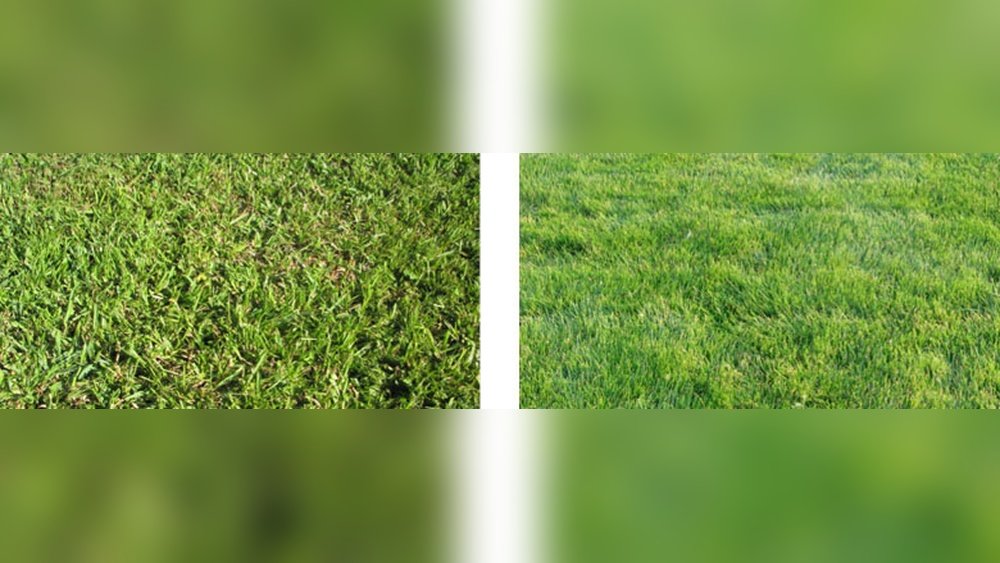
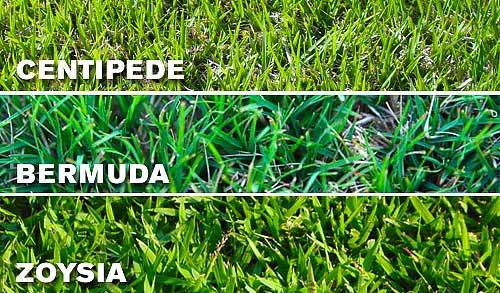
Zoysia grass has a rich, dark green color. It grows densely, creating a thick carpet-like lawn. Centipede grass shows a lighter green shade. It grows less dense, so the soil can be seen more easily. The thickness of Zoysia offers better weed resistance. Centipede’s thinner growth lets more sunlight reach the soil.
Blade Shape
Zoysia grass blades are narrow and stiff. They feel a bit rough underfoot but look neat. Centipede grass blades are wider and softer. This grass feels smoother and more delicate to walk on. The blade shape affects how the lawn feels when barefoot. It also changes how the lawn reacts to foot traffic.
Overall Lawn Aesthetics
Zoysia grass creates a formal, well-manicured look. It suits yards that need a polished appearance. Centipede grass offers a casual, natural look. It fits well in relaxed, low-maintenance gardens. The choice depends on the style you want. Each grass type shapes the lawn’s character differently.

Credit: sodsolutions.com
Durability And Wear Resistance
Durability and wear resistance are key factors in choosing the right grass for your lawn. Both Zoysia and Centipede grass offer unique strengths. Understanding how each handles traffic, drought, pests, and diseases helps you pick the best fit for your needs.
Traffic Tolerance
Zoysia grass stands out with its dense growth and strong roots. It holds up well under heavy foot traffic. This makes it ideal for yards with kids or pets. Centipede grass is softer but less tough. It wears down faster on busy lawns.
Drought Resistance
Zoysia tolerates dry spells better than Centipede. It can survive longer without water. This grass goes dormant but recovers quickly after rain. Centipede needs more regular watering. It struggles in hot, dry conditions.
Pest And Disease Resistance
Zoysia shows strong resistance to many pests and diseases. Its thick blades act as a natural barrier. Centipede is more prone to insect damage and fungal problems. Regular care is needed to keep Centipede healthy.
Soil And Sunlight Needs
Choosing the right grass depends on soil and sunlight needs. These factors affect growth and health. Zoysia grass and Centipede grass have different demands. Knowing these helps pick the best fit for your lawn.
Soil Type Compatibility
Zoysia grass grows well in sandy and clay soils. It prefers well-drained soil but can handle some moisture. Centipede grass thrives in acidic, sandy soils. It struggles in heavy clay or alkaline soils. Testing your soil helps decide which grass suits your yard.
Sunlight Tolerance
Zoysia grass needs full sun to grow thick and green. It can handle some shade but grows slower. Centipede grass also prefers full sun. It cannot tolerate long periods without direct sunlight. Both grasses need at least six hours of sun daily.
Shade Adaptability
Zoysia grass performs better in shaded areas than Centipede. It can survive under light tree cover. Centipede grass is less shade tolerant and thins out quickly. If your lawn has many shaded spots, Zoysia is the better choice.
Watering And Fertilizing
Watering and fertilizing are key for healthy lawns. Both Zoysia grass and Centipede grass need proper care to thrive. Their water and nutrient needs differ. Understanding these differences helps keep your lawn green and strong.
Water Requirements
Zoysia grass needs moderate water. It handles dry spells better than many grasses. Water deeply but less often. This encourages strong roots. Centipede grass needs more regular watering. It prefers moist soil but not soggy. Water early in the day to reduce disease risk.
Fertilizer Frequency
Zoysia grass benefits from regular feeding. Apply fertilizer about three to four times a year. Spread it evenly for best results. Centipede grass grows slowly and needs less fertilizer. Feeding two times a year is enough. Too much fertilizer can harm Centipede.
Nutrient Preferences
Zoysia grass likes nitrogen-rich fertilizer. Balanced nutrients keep it lush and green. Centipede grass prefers low nitrogen but needs some potassium and phosphorus. Use fertilizer designed for acid-loving plants. Check soil pH often to keep nutrients available.
Installation And Establishment
Installing and establishing Zoysia grass or Centipede grass takes careful planning. Both grasses have unique needs for a strong start. Choosing the right method and following proper care steps helps your lawn grow healthy and green. Understanding the differences in installation and establishment can save time and effort.
Seeding Vs. Sodding
Zoysia grass grows well from both seed and sod. Seed is cheaper but slower to cover the ground. Sod gives instant green but costs more. Centipede grass rarely grows from seed. Most people use sod or plugs for Centipede. Sod and plugs give faster lawns with less weed trouble.
Establishment Timeframe
Zoysia grass takes about 2 to 3 months to fully establish. It spreads slowly but builds a thick lawn over time. Centipede grass establishes faster, usually within 6 to 8 weeks. It grows slower after that but fills in well. Warm weather helps both grasses settle quickly.
Initial Care Tips
Water new grass daily but not too much. Keep soil moist but avoid puddles. Mow Zoysia grass after it reaches 2 inches tall. For Centipede, wait until it is 3 inches tall. Avoid heavy foot traffic on new lawns. Fertilize lightly to encourage growth without burning grass.
Credit: www.turfologylawncare.com
Cost Comparison
Cost is a major factor when choosing between Zoysia grass and Centipede grass. Both have different price points for installation and care. Understanding these costs helps you decide which grass fits your budget best.
Initial Investment
Zoysia grass usually costs more to install. It needs more sod or plugs, which increases price. Centipede grass has a lower initial cost. It grows from seed or plugs that are less expensive. Choosing Centipede can save money upfront.
Maintenance Expenses
Zoysia grass requires regular mowing and watering. It also benefits from occasional fertilizing. This adds to yearly expenses. Centipede grass needs less fertilizer and less mowing. It uses less water, cutting down utility bills. Maintenance for Centipede is generally cheaper.
Long-term Value
Zoysia grass is dense and durable. It handles heavy use and recovers fast. This can reduce repair costs over time. Centipede grass grows slower and is less tough. It may need more patching or reseeding. Zoysia offers better value for busy lawns.
Best Uses And Applications
Choosing the right grass depends on how and where you use it. Zoysia grass and Centipede grass both have unique strengths. Knowing their best uses helps in picking the right one for your needs. Each type suits different spaces and purposes.
Residential Lawns
Zoysia grass works well for homes with lots of sun. It creates a thick, green carpet that looks good all year. It handles foot traffic and drought better than many grasses. Centipede grass fits homes with less sun and lower care. It grows slowly but needs less fertilizer and water. It’s ideal for easy-care lawns in warm climates.
Sports Fields
Zoysia grass is strong and recovers fast from wear. It suits sports fields that see heavy use. Its dense growth helps prevent soil erosion and injuries. Centipede grass is softer but slower to repair. It is not best for busy sports fields but can work for low-impact areas. It stays green longer in shady spots on fields.
Commercial Properties
Zoysia grass offers a neat, professional look for business areas. It stands up well to traffic and stress. It needs more care but gives a polished finish. Centipede grass is good for low-maintenance commercial spaces. It grows slowly and stays tidy with less work. It suits places where low cost and ease matter most.
Common Challenges
Both Zoysia and Centipede grasses face challenges that affect their health and appearance. Knowing these problems helps keep your lawn green and strong. Each type has unique issues that need attention.
Weed Invasion
Weeds often compete with Zoysia and Centipede for nutrients. Zoysia’s dense growth blocks many weeds better than Centipede. Centipede lawns may need more frequent weed control. Regular mowing and proper fertilizing reduce weed problems. Pulling weeds early stops them from spreading fast.
Thatch Management
Thatch is a layer of dead grass between soil and blades. Zoysia tends to build thick thatch faster than Centipede. Too much thatch blocks water and air from roots. Dethatching or aerating helps remove this layer. Centipede needs less dethatching but still benefits from it now and then.
Climate Stressors
Zoysia handles heat and drought well but grows slowly in cold. Centipede prefers warm, humid climates but suffers in dry spells. Both grasses can brown under extreme weather. Watering deeply and at the right time helps reduce stress. Choosing the right grass for your climate avoids many problems.
Expert Tips For Choosing
Choosing the right grass for your lawn is important. It affects how your yard looks and how much work you need to do. Zoysia grass and Centipede grass are popular choices. Each has its strengths and needs. Here are expert tips to help you decide which grass fits best.
Assessing Lawn Goals
Think about what you want from your lawn. Do you want a thick, green carpet? Zoysia grass grows dense and looks lush. Prefer a low-maintenance lawn? Centipede grass needs less mowing and fertilizer. Also, consider how you use your yard. Zoysia handles heavy foot traffic well. Centipede suits quiet, relaxed spaces better.
Evaluating Local Conditions
Check your local climate and soil type. Zoysia grass thrives in warm areas with good sun. It tolerates drought better than Centipede. Centipede grass prefers acidic, sandy soils and does well in hot, humid climates. Shade tolerance differs too. Zoysia can handle partial shade, while Centipede needs more sunlight.
Balancing Cost And Care
Zoysia grass costs more upfront but lasts longer. It requires regular watering and mowing. Centipede grass is cheaper to plant and grows slowly. It needs less fertilizer and fewer cuts. Think about your budget and time for lawn care. Choose the grass that matches your wallet and schedule.

Credit: andysgardencenter.com
Frequently Asked Questions
What Are The Main Differences Between Zoysia And Centipede Grass?
Zoysia grass grows denser and is more drought-tolerant. Centipede grass prefers acidic, sandy soils and requires less mowing. Zoysia is slower to establish but more wear-resistant, while Centipede grows faster but is less durable under heavy traffic.
Which Grass Type Is Better For Shade Tolerance?
Zoysia grass tolerates shade better than Centipede. It thrives in partial shade with minimal thinning. Centipede requires more sunlight and struggles in shaded areas, making Zoysia ideal for lawns with trees or structures causing shade.
How Do Maintenance Needs Differ For Zoysia And Centipede?
Zoysia requires regular mowing, fertilizing, and watering to maintain density. Centipede is low-maintenance, needing less fertilizer and mowing but more frequent weed control. Both need occasional dethatching to stay healthy.
Which Grass Is More Drought-resistant, Zoysia Or Centipede?
Zoysia grass is more drought-resistant due to its deep root system. Centipede grass is moderately drought-tolerant but suffers quicker under prolonged dry conditions. Zoysia recovers faster after drought stress.
Conclusion
Choosing between Zoysia grass and Centipede depends on your yard’s needs. Zoysia grows thick and handles heavy foot traffic well. Centipede needs less care and suits low-maintenance lawns. Both types thrive in warm climates but differ in water and sunlight needs.
Think about your soil, climate, and time for lawn care. The right choice will keep your yard green and healthy. Simple care and the right grass type make all the difference. Your lawn will thank you for choosing wisely.
