
Is your Zoysia grass looking less than perfect? You’re not alone.
Many homeowners love the lush, green look of Zoysia but struggle with common problems that can turn your beautiful lawn into a frustrating mess. The good news? Most issues are easy to fix once you know what to look for.
You’ll discover the top problems with Zoysia grass and simple steps you can take to bring your lawn back to life. Keep reading to make your grass the envy of the neighborhood.
Credit: www.gardeningknowhow.com
Zoysia Grass Basics
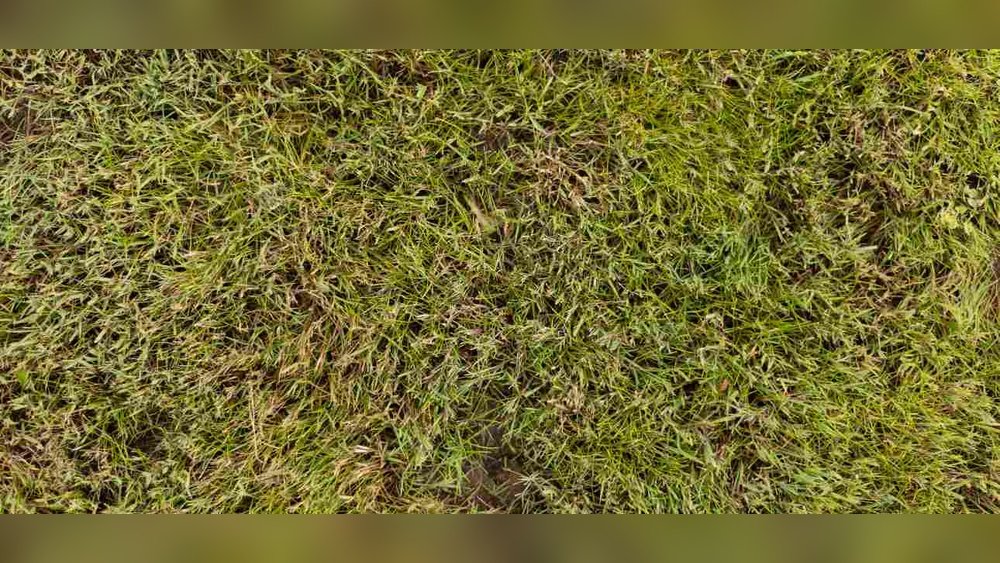
Zoysia grass is a popular choice for lawns because it is tough and looks good. It grows slowly but creates a thick, green carpet that many people like. Understanding the basics helps keep your lawn healthy and beautiful. Knowing its traits and needs makes it easier to fix common problems.
Characteristics And Growth
Zoysia grass has fine blades and grows densely. It spreads through underground stems called rhizomes. This helps it fill in bare spots fast. The grass turns brown in winter but grows back in spring. It is slow to start but lasts many years once established.
Ideal Growing Conditions
Zoysia grass grows best in warm climates with full sun. It can handle some shade but grows slower without enough light. It prefers well-drained soil with a pH between 6 and 7. Watering deeply but less often encourages strong roots. Too much water or poor soil leads to weak grass and diseases.
Credit: atlantasodfarms.com
Brown Patches And Discoloration
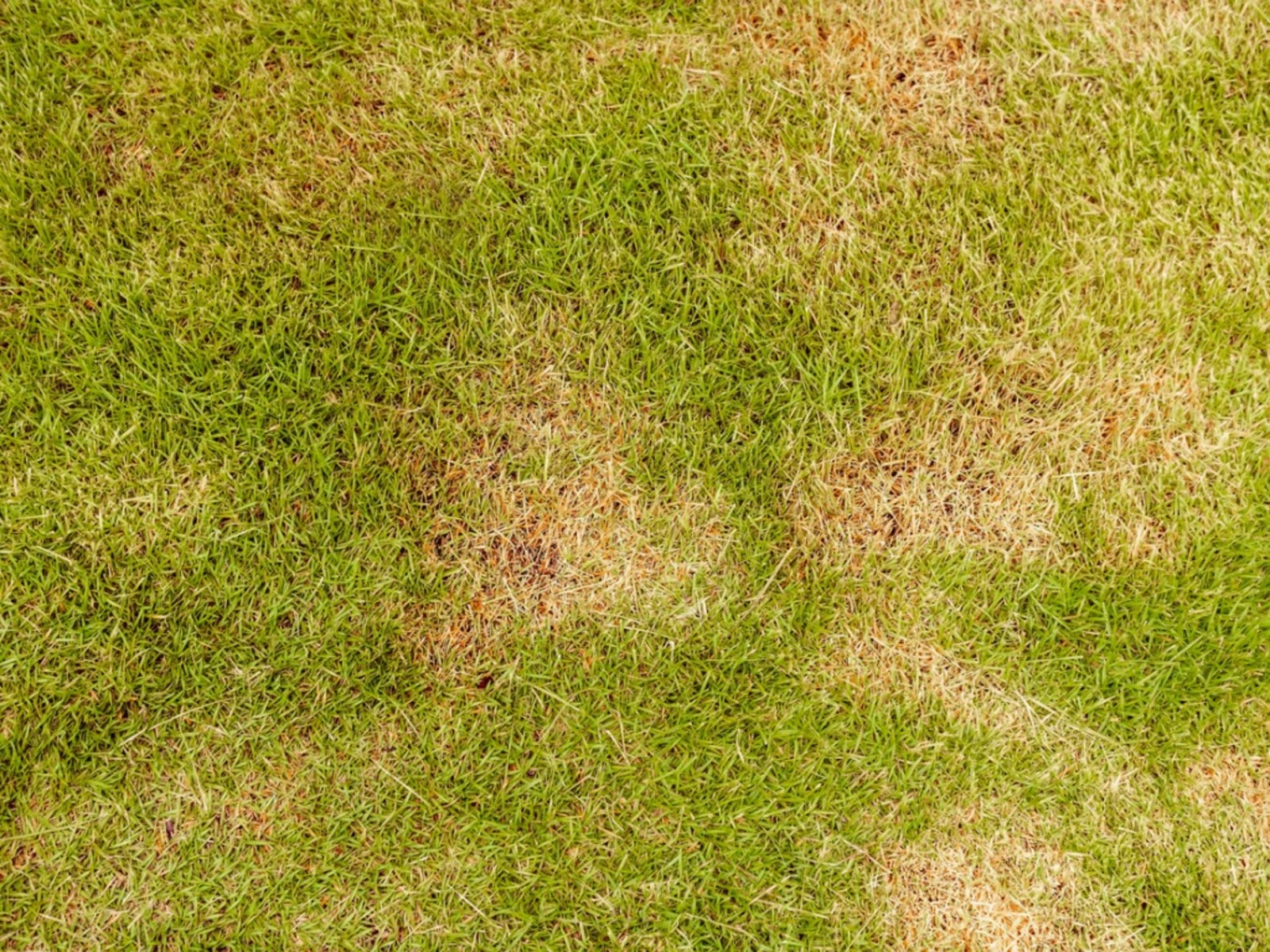
Brown patches and discoloration are common problems with zoysia grass. These issues make your lawn look unhealthy and dull. Understanding why your grass turns brown helps you fix it fast. Proper care brings back the green color and keeps your lawn vibrant.
Causes Of Browning
Brown patches happen due to many reasons. Lack of water dries out the grass. Too much sunlight can burn the blades. Poor soil quality stops grass from getting nutrients. Pests like grubs eat the roots and cause damage. Fungal diseases also create brown spots. Heavy foot traffic compacts soil and stresses grass.
Steps To Restore Green Color
Start by watering your lawn deeply but less often. Check soil health and add fertilizer if needed. Mow grass at the right height to keep it strong. Remove pests using safe treatments. Aerate the soil to improve air and water flow. Treat fungal infections with fungicides. Avoid walking on wet grass to prevent damage.
Thatch Buildup Issues
Thatch buildup is a common problem for Zoysia grass owners. It happens when dead grass and roots form a thick layer on the soil surface. This layer stops water, air, and nutrients from reaching the roots. It also creates a perfect home for pests and diseases. Managing thatch keeps your lawn healthy and green.
Identifying Excess Thatch
Check your lawn for a spongy feel underfoot. Press your finger into the grass near the soil. If the layer between grass blades and soil is more than half an inch, thatch is too thick. Brown patches or weak grass growth can also signal excess thatch. Look closely in shady or high-traffic areas, where thatch often builds up faster.
Effective Thatch Removal Techniques
Use a dethatcher or rake to remove thick thatch layers. For small lawns, a manual rake works well. Larger areas may need a power dethatcher. Aerate the soil after dethatching to improve air and water flow. Regular mowing and watering help prevent new thatch buildup. Avoid over-fertilizing because it can increase thatch growth.

Credit: trysodpods.com
Weed Invasion Control
Weeds can quickly take over Zoysia grass lawns and cause many problems. They compete for water, sunlight, and nutrients. This weakens the grass and makes the lawn look unhealthy. Controlling weeds is important to keep Zoysia grass thick and green.
Common Weeds In Zoysia Lawns
Many types of weeds grow in Zoysia lawns. Crabgrass is a fast-growing weed that spreads easily. Dandelions have bright yellow flowers and deep roots. Clover is a low-growing weed that spreads quickly. Nutsedge looks like grass but grows faster and taller. These weeds take space and nutrients from Zoysia grass.
Preventive And Treatment Methods
Start by keeping the lawn healthy and dense. Mow regularly to prevent weeds from flowering. Water deeply but less often to encourage strong grass roots. Use pre-emergent herbicides in early spring to stop weed seeds from sprouting. Apply post-emergent herbicides to kill visible weeds. Pull out weeds by hand if there are only a few. Always follow the instructions on herbicide labels for safe use.
Pest Infestations
Pest infestations can harm your Zoysia grass quickly. These pests feed on the grass blades and roots. This damage makes the lawn look unhealthy and patchy. Early detection helps save your grass from severe harm. Understanding the pests and their habits is key to effective control.
Typical Pests Affecting Zoysia
Common pests include chinch bugs, sod webworms, and grubs. Chinch bugs suck sap from the grass blades. This causes yellowing and dead spots. Sod webworms eat grass leaves mostly at night. Grubs feed on roots, making the grass weak. Ants and armyworms can also cause damage. Each pest affects the grass in a unique way.
Natural And Chemical Pest Solutions
Natural options include beneficial insects like ladybugs and nematodes. These predators eat harmful pests without chemicals. You can also use neem oil or insecticidal soap. These treatments are gentle on the lawn and environment. Chemical pesticides work faster but use them carefully. Follow instructions to avoid harming beneficial insects. Regular lawn maintenance reduces pest problems. Mow, water, and fertilize properly for a healthy lawn.
Soil And Nutrient Problems
Zoysia grass needs healthy soil to grow thick and green. Poor soil and lack of nutrients cause many problems. These problems make your lawn look weak and patchy. Understanding soil and nutrient issues helps you fix your grass fast.
Soil problems often stop grass roots from getting water and food. Nutrient shortages cause yellowing, slow growth, and thin spots. Testing soil and adding the right nutrients keeps Zoysia strong. Good soil means healthy grass that resists pests and drought.
Signs Of Nutrient Deficiency
Yellow or pale green grass shows nitrogen loss. Thin or patchy areas mean less potassium. Slow growth and weak blades signal phosphorus lack. Brown or dry leaf tips can mean nutrient imbalance. Watch for uneven color or poor recovery after stress. Early signs help you treat problems before damage spreads.
Fertilizing Tips For Healthy Growth
Use fertilizer designed for Zoysia grass. Apply nitrogen in spring and summer for green color. Add potassium in fall to prepare for winter. Avoid over-fertilizing; it harms roots and wastes money. Water after fertilizing to help nutrients soak in. Test soil yearly to adjust fertilizer types and amounts. Balanced feeding keeps grass thick and vibrant all year.
Watering Challenges
Watering Zoysia grass can be tricky. Too much or too little water can cause problems. Understanding the right watering approach helps keep the lawn green and healthy. This section explains the common watering challenges and how to fix them.
Overwatering Effects
Overwatering Zoysia grass leads to weak roots. The soil stays wet for too long. This causes root rot and fungal diseases. The grass may turn yellow or brown. Overwatering also wastes water and raises your bills. Puddles and muddy spots might form on your lawn. This makes the grass more vulnerable to pests.
Proper Irrigation Practices
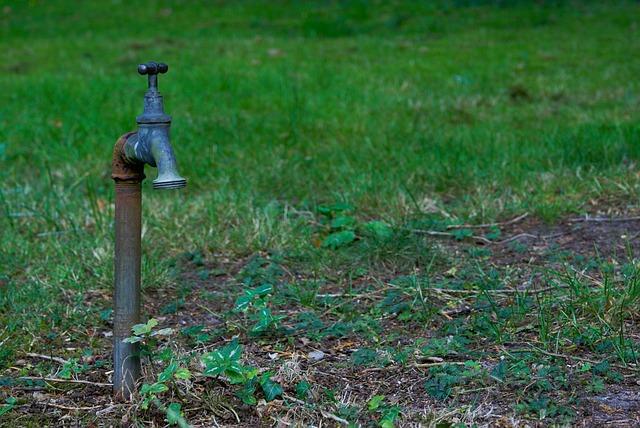
Water Zoysia grass deeply but less often. This encourages strong root growth. Early morning watering reduces evaporation. Aim for about one inch of water weekly. Use a rain gauge to measure rainfall and irrigation. Adjust watering based on weather and soil type. Avoid watering in the evening to prevent disease. Choose irrigation systems that deliver water evenly.
Mowing Mistakes
Mowing Zoysia grass the wrong way causes many problems. It can stress the grass and make it weak. This leads to brown patches and weeds. Mowing mistakes slow down the growth and make the lawn look bad. Knowing the right mowing height and avoiding common errors helps keep the grass healthy and green.
Ideal Mowing Height
Zoysia grass grows best when cut to the right height. Keep the grass between 1 and 2 inches tall. Cutting too short stresses the roots and dries the soil. Too tall makes the lawn look messy and invites pests. Mow regularly to keep the height steady. Use sharp mower blades for a clean cut. This helps the grass heal faster and stay strong.
Common Mowing Errors To Avoid
Cutting more than one-third of the grass blade at once is a big mistake. This shocks the grass and slows growth. Mowing too often or not often enough harms the lawn. Avoid mowing wet grass because it clumps and damages the mower. Do not use dull blades; they tear the grass instead of cutting. Always change mowing patterns to prevent soil compaction. These steps help your Zoysia grass stay thick and healthy.
Frequently Asked Questions
What Causes Brown Patches In Zoysia Grass?
Brown patches often result from fungal diseases or drought stress. Proper watering and fungicide use can restore health. Regular mowing and aeration also help prevent these issues.
How Do I Control Weeds In Zoysia Lawns?
Use pre-emergent herbicides early in spring to stop weeds. Post-emergent herbicides target existing weeds without harming Zoysia. Maintain dense grass to naturally reduce weed growth.
Why Is My Zoysia Grass Thinning Out?
Thinning can be due to poor soil, pests, or insufficient sunlight. Improve soil with nutrients, control insects, and ensure at least 6 hours of sunlight daily for thick growth.
How Often Should I Water Zoysia Grass?
Water Zoysia deeply once or twice a week. Avoid frequent shallow watering to encourage deep root growth. Adjust frequency based on rainfall and temperature.
Conclusion
Zoysia grass can face many common problems. Pests, diseases, and poor soil cause most issues. Regular care helps keep your lawn healthy. Water deeply but not too often. Mow at the right height for thick growth. Use the right fertilizer at the right time.
Treat pests and diseases early to stop damage. With simple steps, your Zoysia lawn will thrive and look great all year. Small efforts lead to a lush, green yard you can enjoy.
