
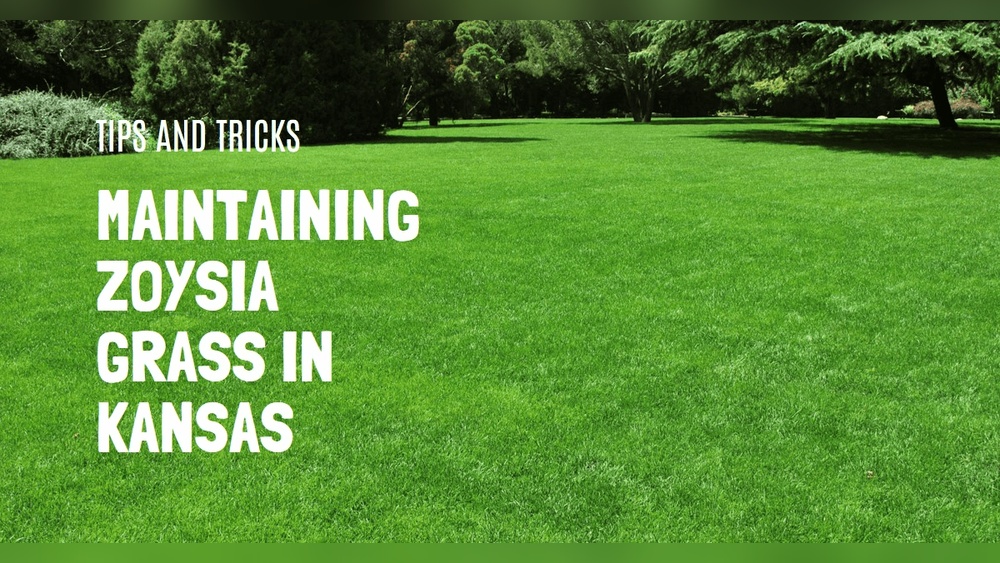
If you’re looking for a lawn that stays green and healthy through Kansas’ hot summers and cold winters, Zoysia grass might be exactly what you need. This tough, low-maintenance grass can handle the unique climate challenges you face, saving you time and effort.
Imagine stepping onto a soft, lush lawn that looks great all year round without constant watering or mowing. Keep reading to discover why Zoysia grass could be your best choice for a beautiful Kansas yard.
Benefits Of Zoysia Grass
Zoysia grass offers many benefits for lawns in Kansas. It grows well in different conditions and stays green most of the year. This grass type saves water and reduces the time spent on yard work. It also fights pests and weeds naturally, keeping lawns healthy and clean.
Drought Tolerance
Zoysia grass can survive long dry periods. Its deep roots reach water far below the surface. This means less watering is needed. It stays green even during hot Kansas summers. Great for saving water and lowering bills.
Low Maintenance Needs
Zoysia grass grows slowly, so it needs less mowing. It does not need much fertilizer or care. It creates a thick lawn that stays neat with little work. Ideal for busy homeowners wanting a nice yard without much effort.
Pest And Weed Resistance
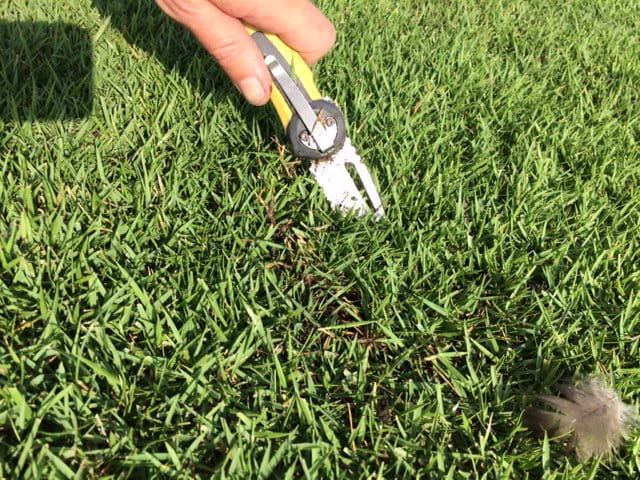
Zoysia grass naturally resists many common lawn pests. Its dense growth blocks weeds from growing. This means fewer chemicals and less lawn damage. A strong, healthy lawn that looks good all season.
Credit: blogs.k-state.edu
Choosing The Right Zoysia Variety
Choosing the right Zoysia variety is key for a healthy lawn in Kansas. Zoysia grass adapts well to the state’s climate, but some types suit the area better. Knowing which variety fits your soil, sun exposure, and lawn use helps you get great results.
Popular Varieties For Kansas
Several Zoysia types thrive in Kansas. Meyer Zoysia is common for its cold tolerance and dense growth. It handles drought and recovers well from wear. Emerald Zoysia offers a fine texture and bright green color. It prefers well-drained soil and moderate shade. Then there is Zenith, known for fast establishment and strong resistance to pests. Each variety suits different lawn needs and care levels.
Differences In Growth And Texture
Zoysia grasses differ in how fast they spread and their leaf feel. Meyer grows slower but creates a thick carpet that crowds out weeds. Emerald has finer blades, giving a soft, smooth lawn look. Zenith grows quickly, ideal for new lawns or repairs. Texture affects comfort and appearance, so choose based on your lawn’s use. Growth speed influences how often you need to mow and care for the grass.
Preparing Your Lawn For Zoysia
Preparing your lawn for Zoysia grass in Kansas is important for a healthy, green yard. Zoysia grows best in well-prepared soil with few weeds. Taking time to prepare the area helps the grass take root and spread evenly. This section guides you through key steps to get your lawn ready.
Soil Testing And Improvement
Start with a soil test to check pH and nutrient levels. Zoysia prefers soil with a pH between 6.0 and 7.0. Testing shows what nutrients the soil lacks. Add lime if the soil is too acidic. Use fertilizer based on test results to improve soil quality. Good soil helps Zoysia grass grow strong and green.
Clearing Existing Grass And Weeds
Remove old grass and weeds before planting Zoysia. Use a sod cutter or shovel to clear the area. Pull out weed roots to stop them from growing back. Clear soil lets Zoysia roots spread without competition. Rake the area smooth after clearing. This step gives Zoysia the best start possible.
Planting Methods
Zoysia grass is popular in Kansas for its durability and beauty. Choosing the right planting method helps the grass grow healthy and strong. Each method has its benefits and suits different needs and budgets. Understanding these methods helps you decide the best way to start your lawn.
Sodding
Sodding offers an instant green lawn. It involves laying strips of pre-grown grass on prepared soil. This method works well for quick results and erosion control. Sod establishes fast and reduces weed growth. It needs regular watering for the first few weeks to root well.
Seeding
Seeding is the most affordable way to plant Zoysia grass. Spread seeds evenly over the soil and cover lightly with soil or straw. Seeds take longer to grow and need more care at first. Water the area gently and often to keep seeds moist. Patience is key with seeding, as it can take months to fill in.
Plugging
Plugging uses small pieces of Zoysia grass planted in rows. Plugs spread slowly, filling bare spots over time. This method costs less than sodding but grows faster than seeding. Regular watering helps plugs root and expand. Plugging suits those with some time to wait for a full lawn.
Watering Guidelines
Zoysia grass is a popular choice for Kansas lawns. Proper watering helps it grow strong and healthy. Watering needs change from the start to the long-term care. Follow the right guidelines for best results.
Establishment Phase
Newly planted Zoysia grass needs more water. Water daily to keep the soil moist but not soggy. Water early in the morning to reduce evaporation. After about two to three weeks, reduce watering to every other day. This helps roots grow deeper and stronger.
Long-term Watering Schedule
Once Zoysia grass is established, it needs less water. Water deeply but less often, about one inch per week. Split watering into two sessions to soak the soil well. Avoid watering late in the day to prevent disease. During hot, dry spells, increase watering slightly to keep grass green.
Mowing Tips
Mowing Zoysia grass correctly keeps your lawn healthy and green. Proper mowing helps the grass grow thick and reduces weeds. It also prevents damage during Kansas’s hot summer months. Follow these simple mowing tips for the best lawn results.
Optimal Height
Keep Zoysia grass between 1 and 2 inches tall. Cutting below 1 inch stresses the grass. Letting it grow taller than 2 inches invites pests and disease. Adjust mower height to maintain this range. This height helps the grass stay strong and healthy.
Frequency And Equipment
Mow Zoysia grass once a week during growing season. More frequent mowing can harm the grass. Less often mowing lets the grass get too long. Use a sharp blade for a clean cut. Dull blades tear grass, causing brown tips. A reel mower or rotary mower works well for Zoysia.
Fertilizing Zoysia
Fertilizing Zoysia grass in Kansas helps keep it green and healthy. This grass needs the right nutrients to grow strong. Proper feeding improves its color and thickness. It also helps the grass resist drought and pests. Knowing what to feed and when is key to a great lawn.
Recommended Nutrients
Zoysia grass needs nitrogen, phosphorus, and potassium. Nitrogen helps the grass grow green and fast. Phosphorus supports root growth, especially in new lawns. Potassium makes the grass strong and healthy. A fertilizer with a ratio like 3-1-2 works well. Use products made for warm-season grasses. Avoid too much nitrogen; it can stress the grass.
Seasonal Fertilization Plan
Start feeding Zoysia grass in spring. Apply fertilizer after the grass begins to green up. Use a slow-release fertilizer for steady growth. Feed again in early summer to keep it lush. Avoid fertilizing in late fall or winter. The grass goes dormant and won’t use nutrients then. Stick to 2 to 3 feedings per year for best results.

Credit: www.ksre.k-state.edu
Managing Weeds And Pests
Managing weeds and pests is crucial for maintaining a healthy Zoysia grass lawn in Kansas. Weeds can choke out the grass and reduce its growth. Pests can cause damage by eating the blades and roots. Early action helps keep your lawn green and strong. Understanding the common problems and treatment options makes lawn care easier.
Common Issues In Kansas
Kansas lawns face several weed and pest challenges. Crabgrass and dandelions are common weeds that grow fast. They compete with Zoysia for nutrients and water. Grubs and armyworms are typical pests. These insects feed on the grass roots and leaves. Hot summers and humid conditions can increase pest problems. Regular lawn checks help spot issues early.
Organic And Chemical Control Options
Organic methods include hand-pulling weeds and using natural sprays. Corn gluten meal can prevent weed seeds from sprouting. Beneficial nematodes control grubs without chemicals. For pests, insecticidal soaps and neem oil work well. Chemical herbicides and insecticides offer quick results. Choose products labeled safe for Zoysia grass. Always follow instructions to protect your lawn and the environment.
Overwintering Zoysia Grass
Zoysia grass is popular in Kansas for its thick, green cover and drought resistance. But winter brings challenges. Cold weather can make Zoysia go dormant and brown. Proper care helps it survive and thrive again in spring.
Overwintering Zoysia grass means preparing it to handle freezing temperatures. It also means helping the grass bounce back once warm weather returns. This process needs simple steps before and after winter.
Preparing For Cold Months
Start by mowing the grass a bit shorter than usual. This lowers the chance of fungal diseases. Remove leaves and debris to keep the lawn clean. Stop fertilizing by late summer. This stops new growth that cold can kill. Water the lawn well before the first frost. Moist soil helps the roots stay healthy during winter.
Spring Recovery Tips
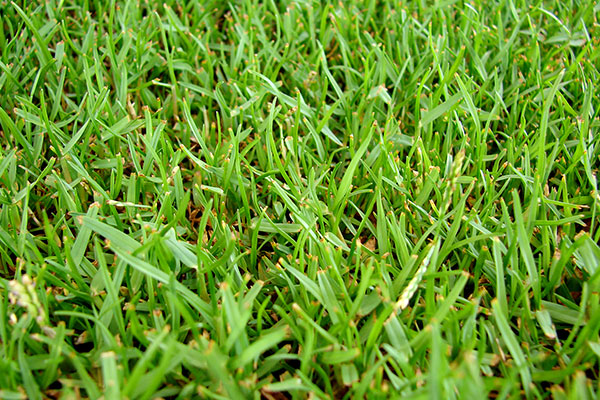
Check the lawn for dead patches as it warms up. Rake gently to clear dead grass and allow air in. Aerate the soil to help roots get oxygen and water. Apply a light fertilizer to support new growth. Avoid heavy foot traffic until the grass grows thick again. Regular watering helps the grass green up fast.
Credit: reddilawnmaintenance.com
Frequently Asked Questions
What Is Zoysia Grass Best For In Kansas?
Zoysia grass thrives in Kansas due to its drought tolerance and heat resistance. It provides a dense, lush lawn that handles foot traffic well. Its slow growth means less mowing. It also resists weeds and requires moderate watering, making it ideal for Kansas homeowners.
How Do I Care For Zoysia Grass In Kansas?
Water Zoysia grass deeply but infrequently to encourage strong roots. Mow at 1 to 2 inches height regularly. Fertilize in late spring using a balanced fertilizer. Aerate the soil annually to improve oxygen flow. Control weeds early with appropriate herbicides.
When Is The Best Time To Plant Zoysia Grass In Kansas?
The ideal time to plant Zoysia grass in Kansas is late spring to early summer. This period offers warm soil temperatures for optimal root development. Planting during this time ensures faster establishment and better resistance to Kansas’s hot summers.
Does Zoysia Grass Survive Kansas Winters?
Yes, Zoysia grass can survive Kansas winters. It goes dormant and turns brown but revives in spring. Winter survival depends on proper fall care like fertilization and watering. Mulching can also protect roots from extreme cold.
Conclusion
Zoysia grass grows well in Kansas’ climate and soil. It stays green longer and needs less water. This grass handles heat and cold better than many types. It also resists weeds and foot traffic nicely. Choosing Zoysia can save time and money on lawn care.
A healthy, green lawn feels great and adds value to your home. Give Zoysia grass a try for a strong, beautiful yard. Simple care makes a big difference with this grass type.
