

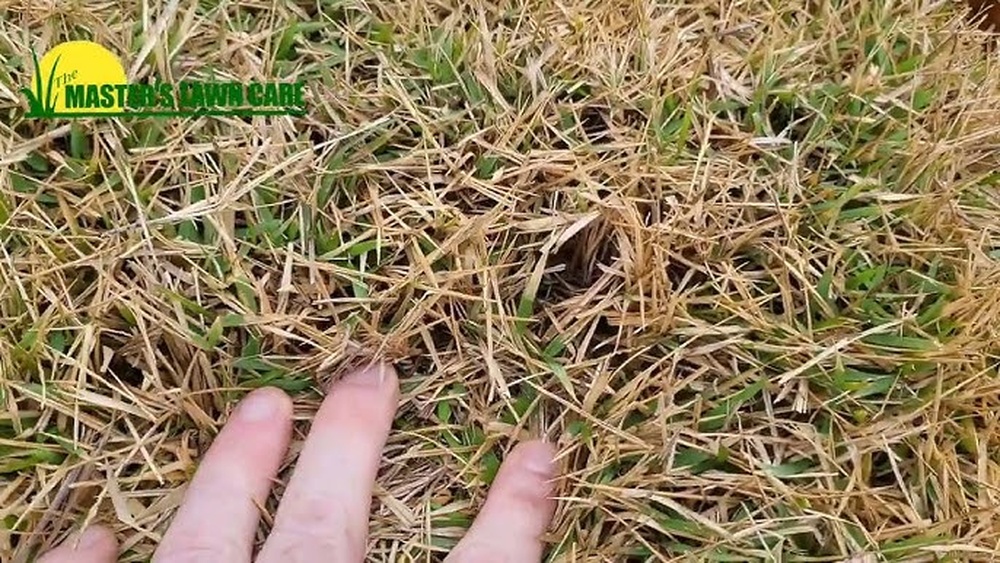
Zoysia grass turns brown mainly due to stress from water issues, pests, diseases, or nutrient shortages. It could be drought, overwatering, fungal infections, or even seasonal dormancy. Identifying the exact cause by examining soil, watering habits, and lawn conditions helps you apply the right fix quickly.
Are you noticing patches of your lush Zoysia grass turning brown and wondering what’s going wrong? It’s frustrating to see your beautiful lawn lose its vibrant green color, especially when you’ve put in so much effort to care for it.
Zoysia grass usually turns brown due to drought stress, overwatering, fungal disease, nutrient deficiency, or seasonal dormancy. Check soil moisture, inspect for pests, and review recent weather changes first. In many cases, adjusting watering and improving soil health can restore green growth within a few weeks.
But don’t worry—understanding why your Zoysia grass is browning is the first step to bringing it back to life. You’ll discover the common reasons behind those brown spots and learn simple, effective ways to revive your lawn. Keep reading to find out how to make your grass healthy and green again.
Quick Signs to Identify the Problem
- Dry, crispy grass → drought stress
- Soft, wet soil → overwatering
- Circular patches → fungal disease
- Grass lifts easily → grub damage
- Uniform browning in winter → dormancy
Common Causes Of Brown Zoysia Grass
Zoysia grass is popular for its dense, green appearance. Brown patches can spoil its beauty. Several common problems cause Zoysia grass to turn brown. Understanding these helps keep your lawn healthy and green.
Drought Stress And Watering Issues
Zoysia grass needs regular watering to stay green. Too little water causes drought stress and browning. Overwatering can drown roots and cause damage. Water deeply but less often for best results.
Nutrient Deficiencies
Grass needs nutrients like nitrogen, phosphorus, and potassium. Lack of these nutrients makes grass weak and brown. Fertilize your lawn with balanced nutrients to restore health.
Pest Infestations
Insects like grubs and chinch bugs feed on grass roots. This feeding causes patches of brown, dying grass. Inspect your lawn regularly and treat pests early.
Fungal Diseases
Fungi can infect Zoysia grass, causing brown spots. Diseases like brown patch and dollar spot are common. Proper lawn care and fungicides help control these diseases.
Improper Mowing Practices
Mowing too short stresses grass and leads to browning. Cutting grass blades too low weakens the plant. Keep mower blades sharp and mow at recommended heights.
Soil Compaction And Drainage Problems
Compacted soil stops air and water from reaching roots. Poor drainage causes water to pool and roots to rot. Aerate soil and improve drainage to keep grass healthy.
Extreme Weather Conditions
Heat waves and cold snaps stress Zoysia grass. Sudden temperature changes can cause browning. Protect your lawn during extreme weather for better recovery.

Credit: trysodpods.com
How To Diagnose Brown Patches
Brown patches on Zoysia grass can be frustrating. Finding the cause helps save your lawn. Start by carefully diagnosing the brown areas. This process involves checking patterns, soil moisture, pests, and soil nutrients. Each step gives clues to the problem. Follow these simple checks to understand why your grass is turning brown.
Identifying Patterns And Spread
Look closely at where brown patches appear. Are they in circles, spots, or random shapes? Circular patches often mean fungal infections. Random brown spots might show insect damage. Note if patches grow bigger over time. Fast spreading suggests disease or pests. Slow growth points to water or nutrient issues. Mapping the pattern helps narrow down the cause.
Checking Soil Moisture Levels
Feel the soil under brown patches. Dry soil can cause grass to turn brown. Overwatering also harms roots and leads to brown spots. Use a moisture meter or dig a small hole. Soil should be slightly damp, not soggy or bone dry. Adjust your watering schedule based on these checks. Proper moisture keeps Zoysia grass healthy and green.
Inspecting For Pests And Diseases
Look for tiny insects or bugs on grass blades and soil. Common pests include grubs and chinch bugs. Check for signs like chewed grass or sticky residue. Fungal diseases cause spots, mold, or powdery growth. Use a magnifying glass if needed. Early pest or disease detection helps stop damage fast. Treat affected areas with suitable methods.
Soil Testing For Nutrients
Brown patches can signal nutrient shortages. Test soil for nitrogen, phosphorus, and potassium. Home kits or professional labs can do this. Low nitrogen often causes yellowing or browning grass. Balanced nutrients support strong root growth and green color. Follow soil test results to apply the right fertilizer. Healthy soil means healthier Zoysia grass.
Effective Fixes For Brown Zoysia Grass
Brown patches on Zoysia grass can spoil your lawn’s beauty. Fixing the problem quickly keeps your yard green and healthy. These steps help restore your grass and stop browning.
Proper Watering Techniques
Water Zoysia deeply but less often. This encourages strong roots. Early morning watering reduces evaporation. Avoid overwatering to prevent root rot and fungus.
Fertilizing For Healthy Growth
Use a balanced fertilizer suited for Zoysia grass. Feed during the growing season to boost green color. Avoid too much nitrogen to prevent burning. Follow package instructions carefully.
Pest Control Methods
Check for insects like grubs or chinch bugs. Use insecticides designed for lawns if pests appear. Natural remedies like beneficial nematodes can help. Keep your lawn healthy to resist pests.
Treating Fungal Infections
Brown spots may come from fungi. Apply fungicides recommended for Zoysia grass. Remove dead grass and debris to stop spread. Improve air circulation by trimming thick areas.
Correct Mowing Tips
Keep mower blades sharp for clean cuts. Mow at the right height, about 1 to 2 inches. Avoid cutting more than one-third of the grass height. Mowing too short stresses your lawn.
Improving Soil Health
Test soil to check pH and nutrients. Amend soil with lime or sulfur as needed. Add organic matter to improve texture and drainage. Healthy soil supports strong, green grass.
Lawn Aeration And Overseeding
Aerate soil to reduce compaction and improve root growth. Overseed thin or bare areas to thicken your lawn. Use Zoysia seed for best results. Regular aeration and overseeding keep grass healthy.

Credit: www.reddit.com
Preventing Future Browning
Preventing future browning of your Zoysia grass starts with smart care habits. Consistent attention keeps the lawn healthy and green. Knowing what to do throughout the year helps protect your grass from stress and damage. Small changes in routine can make a big difference in preventing brown patches.
Regular Lawn Maintenance
Mow your Zoysia grass at the right height, about 1 to 2 inches. Avoid cutting too short, which stresses the grass. Water deeply but less often to encourage strong roots. Remove weeds quickly to stop them from taking nutrients. Aerate the soil yearly to improve air and water flow.
Seasonal Care Tips
Adjust your lawn care as the seasons change. In spring, start fertilizing with a balanced product to boost growth. During summer, increase watering to prevent drought stress. In fall, reduce watering and mow less often to prepare for dormancy. Winter requires little care, but keep the lawn clear of debris.
Selecting Disease-resistant Varieties
Choose Zoysia grass types known for disease resistance. These varieties handle pests and fungi better than others. Using resistant grass reduces the chance of brown spots. Ask local experts about the best Zoysia types for your area. Healthy grass types need fewer treatments and last longer.
Adjusting Care Based On Climate
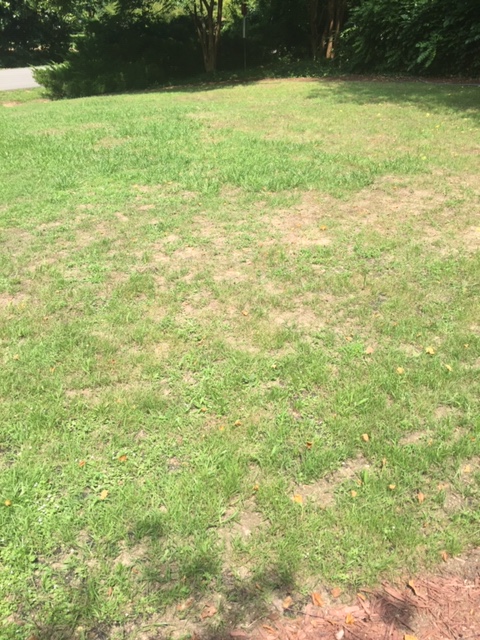
Match your lawn care to the local weather and soil. In hot, dry climates, increase watering and mulch to keep moisture. Cooler areas may need less water but more fertilizing. Watch for signs of stress from heat or cold and act fast. Tailoring care helps your Zoysia grass stay green year-round.
Credit: www.thelawnforum.com
Frequently Asked Questions
Is Your Zoysia Grass Dormant or Dead?
Zoysia grass naturally goes dormant during cooler temperatures or extended drought. Dormant grass turns brown but usually recovers once conditions improve. Dead grass, however, pulls out easily from the soil and does not regrow. Check the roots and crown area before assuming your lawn is dead.
Why Is My Zoysia Grass Turning Brown In Summer?
Zoysia grass may brown in summer due to heat stress and drought. Lack of water and high temperatures cause dormancy. Regular watering and proper mowing can reduce browning. Applying mulch helps retain soil moisture.
Can Poor Soil Cause Zoysia Grass Browning?
Yes, poor soil lacking nutrients leads to weak Zoysia grass. Deficient nitrogen and compacted soil reduce growth and color. Soil testing and proper fertilization restore health and green color.
Does Improper Watering Make Zoysia Grass Brown?
Improper watering, either over or under watering, causes browning. Too much water leads to root rot; too little causes drought stress. Water deeply but infrequently for healthy Zoysia grass.
Could Pests Or Diseases Turn Zoysia Grass Brown?
Yes, pests like grubs or diseases like fungal infections cause browning. Inspect grass regularly for damage or discoloration. Use appropriate treatments to control pests and diseases promptly.
Conclusion
Brown Zoysia grass signals a need for care. Check watering habits and soil health first. Avoid overwatering or drought stress to keep grass green. Watch for pests or diseases that cause browning. Regular mowing and fertilizing help grass stay strong.
Act quickly to fix problems and restore your lawn. Healthy Zoysia makes your yard look fresh and inviting. Taking simple steps can save your grass from browning. Keep an eye on changes and adjust care as needed. Your lawn will thank you with vibrant green color.
