
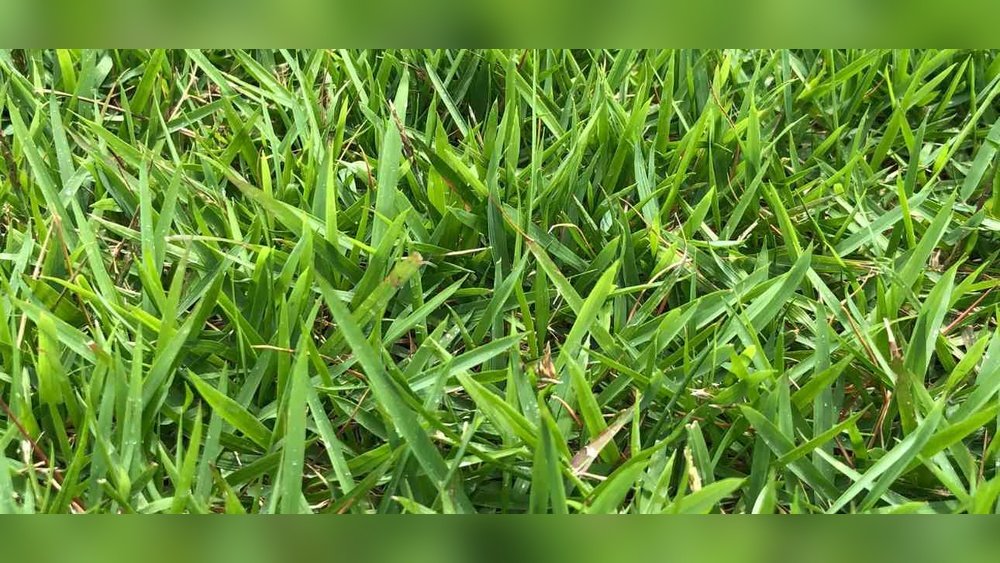
Have you noticed your beautiful Zoysia grass turning brown and wondered why this is happening? It can be frustrating to see your lush lawn lose its vibrant green color.
You might be asking yourself if it’s a sign of a bigger problem or just a seasonal change. Understanding why your Zoysia grass turns brown is the first step to bringing it back to life. Keep reading, and you’ll discover simple reasons behind this common issue and easy ways to restore your lawn’s healthy glow.
Don’t let brown patches take over your yard—your perfect lawn is closer than you think!

Credit: www.youtube.com
Common Reasons For Browning
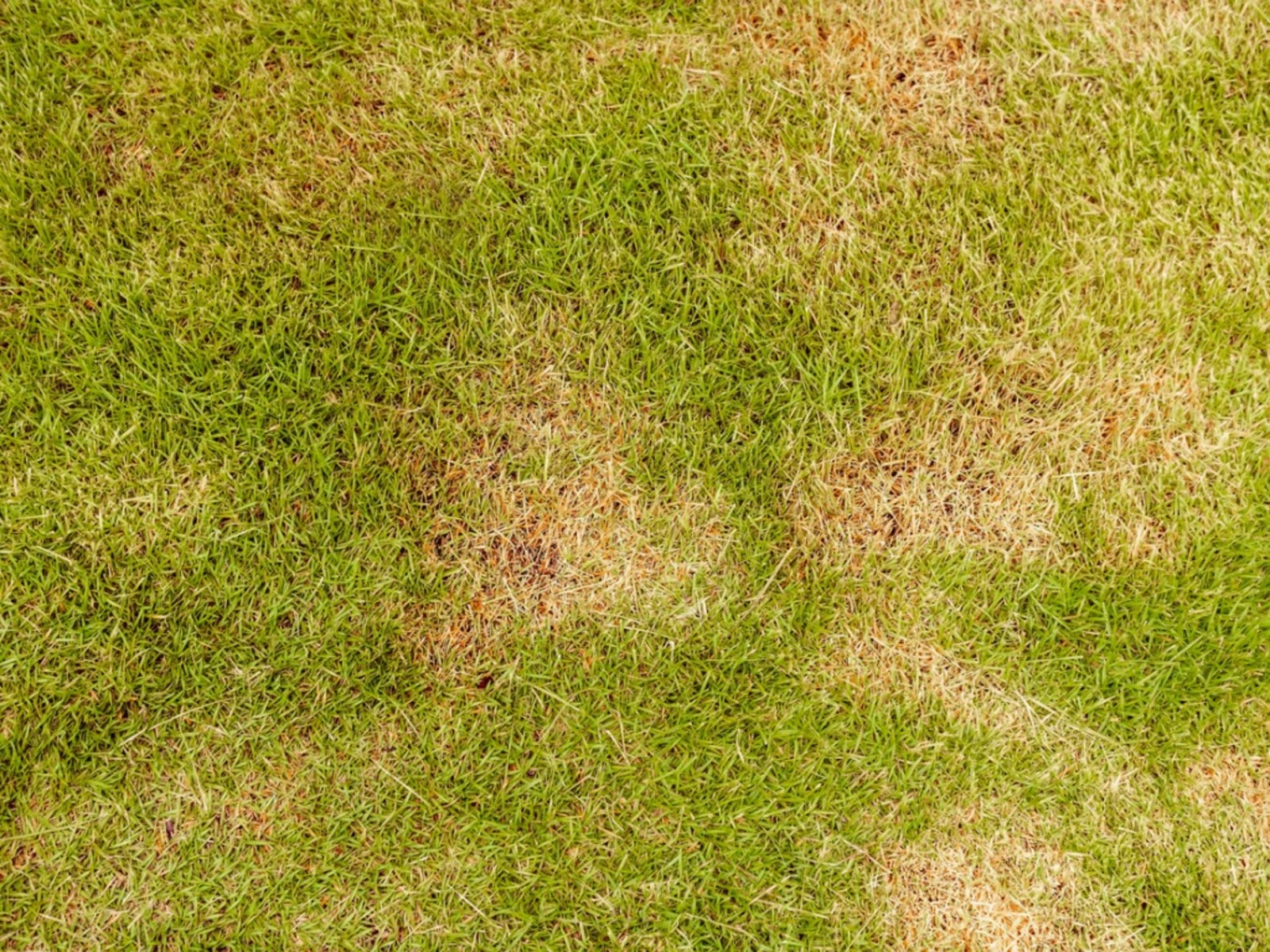
Zoysia grass is popular for its thick, green appearance. Browning spots can appear and cause concern. Several common reasons cause Zoysia grass to turn brown. Understanding these helps keep your lawn healthy and green. Each reason affects the grass in a different way.
Drought And Water Stress
Zoysia grass needs regular water to stay green. Lack of water causes the grass to dry out. Brown patches appear when the soil becomes too dry. Water stress weakens the grass, making it more vulnerable.
Nutrient Deficiencies
Grass needs nutrients like nitrogen to grow well. Without enough nutrients, Zoysia turns yellow or brown. Poor soil or lack of fertilization often causes this. Nutrient problems slow growth and reduce the grass’s color.
Pest Infestations
Insects and pests can damage Zoysia grass. They feed on the roots and blades, causing brown spots. Common pests include grubs and chinch bugs. Pest damage weakens grass and leads to browning.
Fungal Diseases
Fungi thrive in wet, humid conditions. They attack Zoysia grass and cause brown patches. Common diseases include brown patch and dollar spot. Fungus makes the grass blades die and turn brown.
Improper Mowing Practices
Mowing too short stresses Zoysia grass. Cutting too low cuts roots and blades. This causes brown spots and slow recovery. Using dull mower blades also harms the grass.
Soil Compaction Issues
Compacted soil stops water and air from reaching roots. Zoysia grass struggles to grow in hard soil. Brown patches appear where the soil is too dense. Aerating helps improve soil and grass health.
Seasonal Dormancy
Zoysia grass naturally turns brown in cold weather. Dormancy helps it survive winter by slowing growth. Grass returns green when warmer weather arrives. This browning is normal and not a problem.
Environmental Factors Affecting Color
Zoysia grass changes color mainly due to environmental factors. These factors affect how green or brown the grass appears. Understanding these helps in keeping your lawn healthy and vibrant.
Temperature Extremes
Zoysia grass struggles in very hot or very cold weather. High heat can dry out the grass quickly. Cold temperatures can cause the grass to go dormant and turn brown. Sudden temperature changes also stress the grass, affecting its color.
Shade And Sunlight Exposure
Zoysia grass needs sunlight to stay green. Grass in deep shade often turns brown or thin. Too much shade limits photosynthesis. Areas with full sun usually have the best color and growth for Zoysia grass.
Soil Ph Levels
The soil’s pH affects nutrient availability for Zoysia grass. If the soil is too acidic or too alkaline, the grass struggles. Ideal pH helps the grass absorb nutrients easily. Poor soil pH can cause yellowing or browning of the grass.
Excessive Thatch Build-up
Thatch is a layer of dead grass and roots on the soil surface. Too much thatch stops water and nutrients from reaching roots. This weakens Zoysia grass and causes brown patches. Regular dethatching keeps the grass healthy and green.
Watering Techniques For Recovery
Proper watering is key to helping Zoysia grass recover from browning. The right techniques can bring your lawn back to life. Watering too little or too much harms the grass. Understanding how to water correctly supports healthy growth and a green lawn.
Optimal Watering Schedule
Water Zoysia grass early in the morning. This reduces evaporation and helps roots absorb moisture. Aim for two to three times per week. Each session should provide about one inch of water. Avoid watering every day. Overwatering wastes water and weakens roots.
Deep Vs. Shallow Watering
Deep watering encourages roots to grow deeper. This makes the grass stronger and drought-resistant. Water slowly and allow moisture to soak into the soil. Shallow watering only wets the surface. It causes roots to stay near the top and dry out quickly.
Signs Of Overwatering
Yellowing or wilting grass can mean too much water. Soft or muddy soil is another sign. Overwatering invites pests and fungus. Cut back on watering if you notice these signs. Let the soil dry out before watering again.

Credit: www.zoysiaplug.com
Fertilization Tips
Fertilization plays a key role in keeping Zoysia grass green and healthy. Proper nutrients help the grass grow strong and resist browning. Too little or too much fertilizer can cause color problems. Follow these tips to feed your lawn the right way.
Choosing The Right Fertilizer
Pick a fertilizer made for warm-season grasses like Zoysia. Look for balanced formulas with nitrogen, phosphorus, and potassium. Nitrogen helps with green color and growth. Avoid fertilizers with high nitrogen in late fall. It can harm the grass before winter.
Application Timing And Frequency
Apply fertilizer in spring after the grass starts growing. This boosts early growth and color. Repeat every 6 to 8 weeks during the growing season. Stop fertilizing by late summer to let the grass prepare for dormancy. Too much fertilizer can burn the grass and cause browning.
Balancing Nutrient Levels
Keep soil nutrient levels balanced for best results. Test your soil every 2 years. Add nutrients only as needed. Excess phosphorus or potassium can block nitrogen uptake. Balanced feeding helps Zoysia stay green and avoid brown patches.
Pest And Disease Management
Pests and diseases can cause Zoysia grass to turn brown. Managing these issues helps keep your lawn healthy and green. Early detection and proper care reduce damage and restore your grass’s color.
Identifying Common Pests
Watch for signs of insects like chinch bugs and grubs. They feed on grass roots and blades, causing brown patches. Look for small holes in the soil or thinning grass. These signs show pest presence and damage.
Preventive Measures
Keep your lawn healthy to avoid pests and diseases. Water deeply but not too often. Mow at the right height to strengthen grass roots. Remove dead leaves and debris to stop pests from hiding. Healthy grass resists pests better.
Natural And Chemical Treatments
Use natural solutions like neem oil or insecticidal soap for mild infestations. These options are safer for pets and children. For severe pest problems, consider chemical insecticides. Always follow label instructions carefully. Treat diseases with fungicides if needed, but correct diagnosis is important.
Lawn Care Best Practices
Proper lawn care helps keep Zoysia grass green and healthy. Following good practices reduces browning and stress. Simple steps improve your lawn’s strength and color. Focus on mowing, aeration, and thatch removal for best results.
Proper Mowing Heights
Cut Zoysia grass at the right height to stay green. Keep the blade around 1 to 2 inches tall. Cutting too short stresses the grass. Tall grass shades roots and holds moisture better. Change mower blades often for clean cuts. Avoid removing more than one-third of the grass blade at once.
Aeration Benefits
Aerate soil to let air and water reach roots. Compacted soil blocks nutrients and causes browning. Aeration creates small holes in the ground. This helps roots grow deeper and stronger. Aerate during the growing season for best effects. Use a core aerator for best results.
Thatch Removal Techniques
Thatch is a layer of dead grass between soil and green blades. Too much thatch stops water and air from reaching roots. Remove thatch by raking or using a dethatcher tool. Thatch removal should be gentle to avoid damaging grass. Do this once a year to keep lawn healthy and green.
When To Seek Professional Help
Zoysia grass turning brown can sometimes be a sign of a deeper problem. Knowing when to seek professional help can save your lawn from lasting damage. Early action is important to keep your grass healthy and green. Professionals can spot issues that are hard to see with the naked eye.
Signs Of Severe Lawn Damage
Large brown patches that do not improve are a clear warning. Patches that spread quickly suggest serious disease or pest problems. A lawn that feels dry even after watering needs expert care. If your grass looks thin and weak for weeks, it may be too damaged. Roots that are soft or rotten mean urgent help is needed.
Choosing Lawn Care Experts
Pick experts with experience in Zoysia grass care. Check their reviews and ask about their methods. Choose companies that use safe and eco-friendly treatments. Find professionals who offer clear advice and follow-up support. Good experts explain problems in simple language for easy understanding.
Credit: www.gardeningknowhow.com
Frequently Asked Questions
Why Does Zoysia Grass Turn Brown In Summer?
Zoysia grass may turn brown in summer due to heat stress or drought. Lack of water causes the grass to go dormant and lose its green color. Proper watering and occasional fertilization help maintain its lush green look during hot months.
Can Overwatering Cause Zoysia Grass To Brown?
Yes, overwatering can lead to brown patches in Zoysia grass. Excess moisture creates root rot and fungal diseases, damaging the grass blades. Ensuring proper drainage and watering only when the soil is dry prevents browning caused by overwatering.
How Does Soil Quality Affect Zoysia Grass Color?
Poor soil quality can cause Zoysia grass to turn brown. Nutrient deficiencies, especially nitrogen, reduce chlorophyll production, leading to dull, brown grass. Regular soil testing and balanced fertilization improve soil health and promote vibrant green growth.
Is Zoysia Grass Brown During Winter Normal?
Yes, Zoysia grass naturally turns brown in winter. It enters dormancy to survive cold temperatures, temporarily losing its green color. This browning is normal and reversible when warmer weather returns, allowing the grass to green up again.
Conclusion
Zoysia grass turns brown for several common reasons. Lack of water, extreme heat, or poor soil can cause this. You can help by watering regularly and improving soil health. Proper care keeps your lawn green and healthy. Watch your grass closely during hot months.
Act fast to fix problems before grass dies. A healthy lawn brings beauty and comfort to your home. Keep learning about your grass needs for best results. Simple steps make a big difference in lawn care.
