
Are you wondering if your Zoysia grass will turn brown and stop growing at certain times of the year? Understanding whether Zoysia grass goes dormant is key to keeping your lawn healthy and beautiful all year round.
You’ll discover what dormancy means for your Zoysia lawn, how to recognize it, and what you can do to care for your grass during this period. Keep reading to learn the simple steps that will help you maintain a lush, green yard no matter the season.
Zoysia Grass Growth Cycle
Zoysia grass has a unique growth cycle that affects its appearance throughout the year. Understanding this cycle helps in proper lawn care and maintenance. The grass changes its activity based on the season and temperature. This natural rhythm includes phases of growth and rest.
Active Growing Season
Zoysia grass grows actively during warm months. It starts to green up as temperatures rise in spring. The grass spreads quickly, filling bare spots in the lawn. This period lasts until the weather cools down. During this time, Zoysia needs regular watering and mowing. Fertilizer use also helps boost growth and color.
Dormancy Period
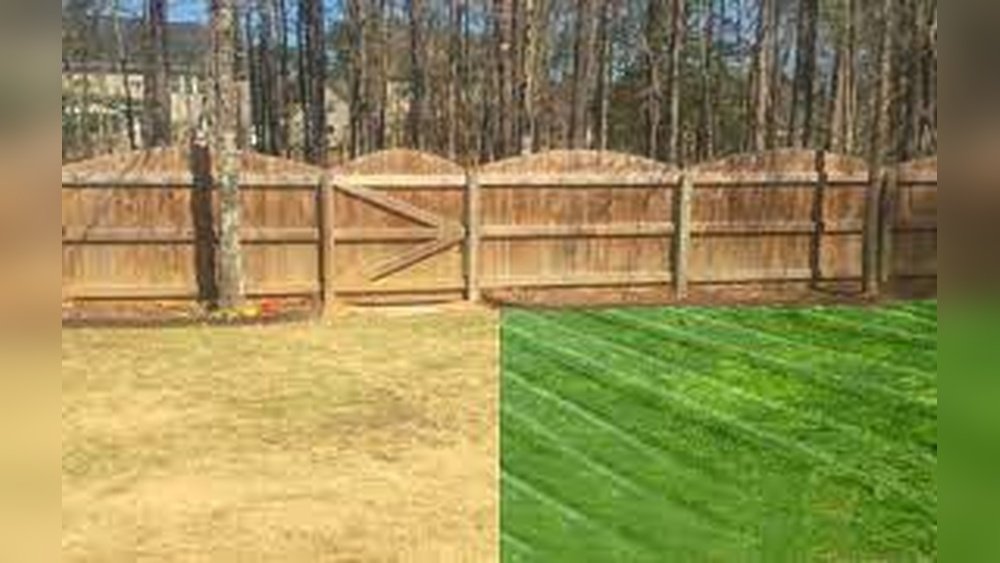
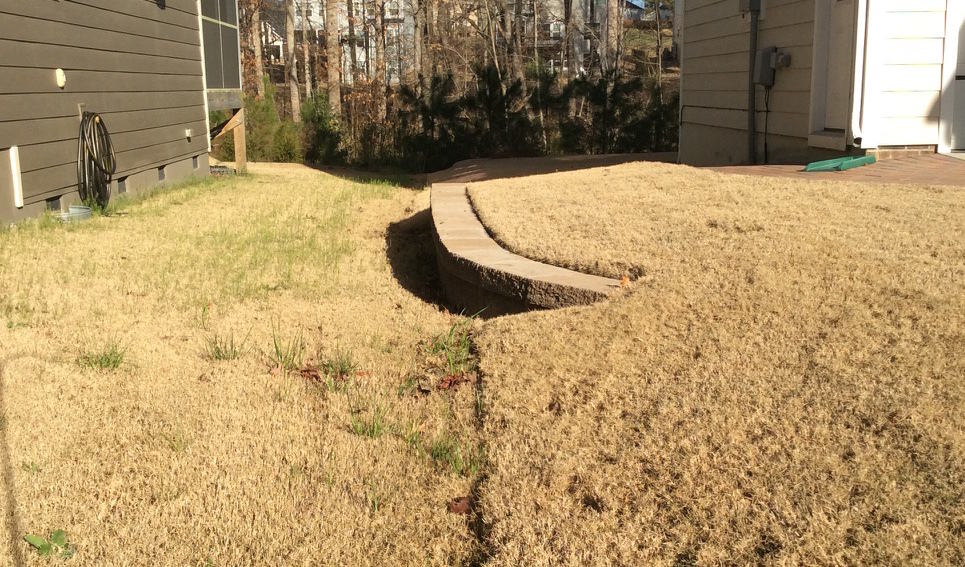
In cold months, Zoysia grass goes dormant. It turns brown and stops growing. This phase protects the grass from frost and cold damage. Dormancy begins in late fall and ends in early spring. Watering and mowing can be reduced during dormancy. The grass will green up again once temperatures rise.
Credit: turfmasterslawncare.com
Signs Of Dormancy In Zoysia
Zoysia grass is known for its thick, lush growth during warm months. But it changes during colder times. The grass enters dormancy to survive low temperatures. Recognizing signs of dormancy helps you care for your lawn better. These signs are mostly about how the grass looks and feels. Understanding these changes can keep your lawn healthy year-round.
Color Changes
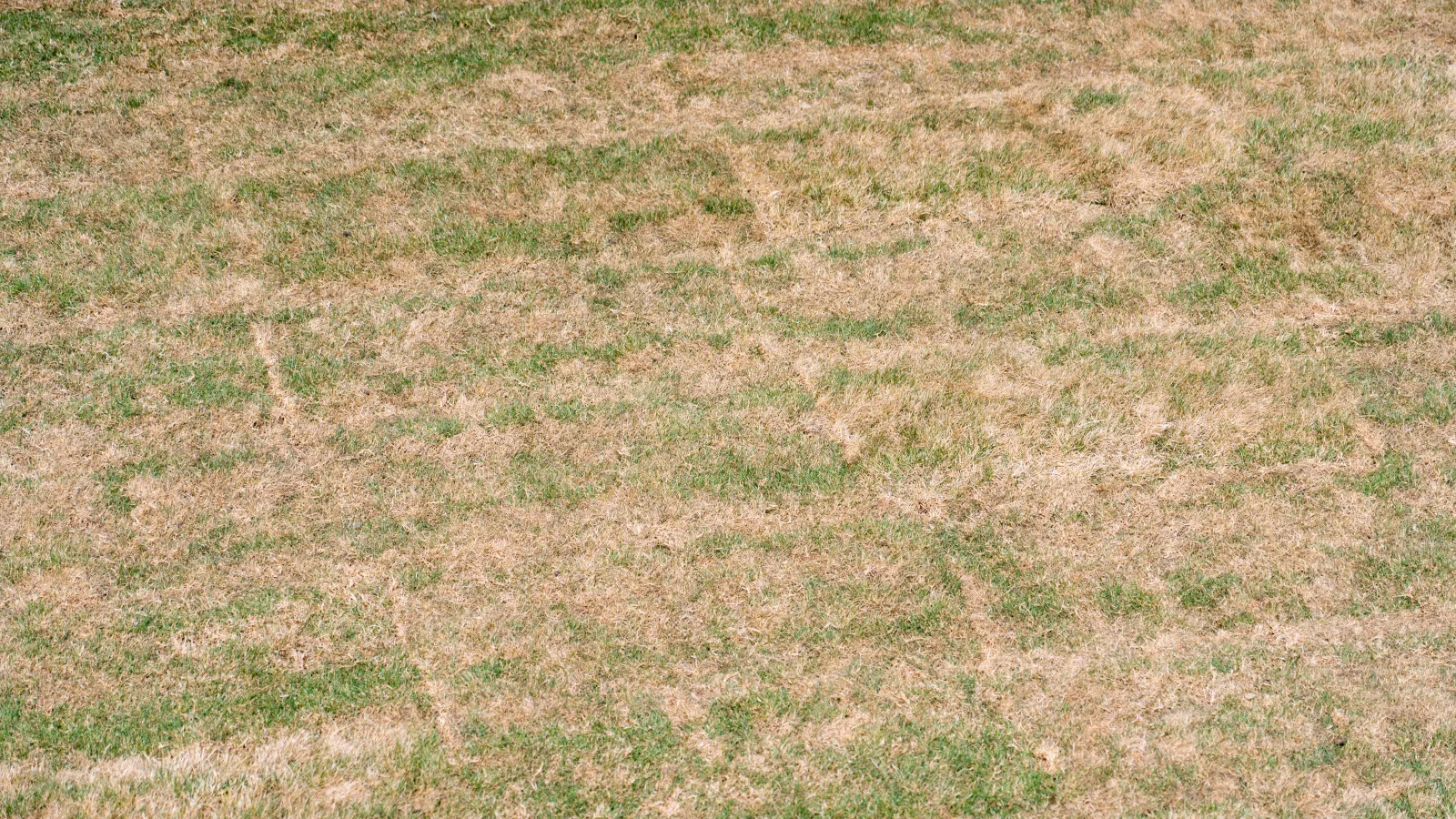
Zoysia grass turns from green to brown or tan in dormancy. This color shift happens because the grass stops producing chlorophyll. The change is gradual but clear. The lawn may look dry or dull instead of vibrant. This brown color does not mean the grass is dead. It is a natural way for Zoysia to save energy during cold months.
Texture And Appearance
The texture of Zoysia grass changes during dormancy. The blades become dry and stiff. The grass may feel rough or brittle to touch. It loses its soft and thick feel seen in spring and summer. The grass stops growing, so it looks thinner and less full. These changes show the grass is resting, not unhealthy.
Factors Triggering Dormancy
Zoysia grass is known for its tough nature and beautiful green color. Yet, it does go dormant during certain times. Dormancy means the grass stops growing and turns brown. Several factors trigger this natural process. Understanding these helps in better lawn care and maintenance.
Temperature Influence
Temperature plays a key role in Zoysia grass dormancy. When the weather gets cold, the grass senses the drop. It slows down its growth to protect itself from frost. Usually, temperatures below 50°F (10°C) cause dormancy. The grass stays brown until warmer days return.
Daylight And Seasonal Changes
Daylight length affects Zoysia grass activity. Shorter days signal the grass to rest. This happens during fall and winter. As daylight decreases, the grass prepares for dormancy. It saves energy by pausing growth. Longer days in spring wake it up again.
Water Availability
Water supply impacts dormancy too. Lack of water stresses the grass. To survive, it stops growing and goes dormant. Dry soil and drought conditions speed this process. Proper watering can delay dormancy and keep the grass green longer.
Credit: www.zoysiaplug.com
Dormancy Impact On Lawn Care
Zoysia grass changes with the seasons. It goes dormant in colder months. This affects how you care for your lawn. Understanding dormancy helps keep your lawn healthy all year.
Adjusting care routines prevents damage and supports grass recovery. Changes in watering, mowing, and fertilizing are needed. These help your lawn survive dormancy and grow strong again.
Watering Adjustments
Zoysia grass needs less water during dormancy. The grass is not actively growing. Overwatering can cause root problems and disease. Water only if the soil is dry. Deep watering is better than frequent shallow watering.
Mowing Practices
Stop mowing when Zoysia grass turns brown. Cutting dormant grass can stress it. Keep mower blades sharp if you mow late in the season. Set the mower higher to avoid cutting too low. Resume mowing when green shoots appear.
Fertilization Timing
Avoid fertilizing during dormancy. Fertilizer encourages growth the grass cannot support. Apply fertilizer in spring and summer only. Use a slow-release formula for steady nutrition. Proper timing helps the grass green up faster after dormancy.
Waking Zoysia From Dormancy
Zoysia grass rests during colder months to protect itself. This period is called dormancy. The grass turns brown and stops growing. As temperatures rise, it wakes up slowly. Proper care helps Zoysia regain its green, healthy look. Knowing how to wake it from dormancy ensures a lush lawn.
Best Practices For Revival
Start by removing dead grass and debris. This clears the way for new shoots. Mow the lawn at a higher setting to avoid stress. Water the grass deeply but less often. This encourages strong roots. Apply a balanced fertilizer to boost growth. Use one designed for springtime use. Aerate the soil to improve air and water flow. These steps help Zoysia recover faster and greener.
Common Mistakes To Avoid
Do not overwater the lawn; it can cause root rot. Avoid mowing too short, which stresses the grass. Do not apply fertilizer too early or too late. Wrong timing can harm the grass instead of helping it. Avoid walking on the lawn when it is wet or fragile. This can damage new growth. Skipping soil aeration slows down recovery. Careful, consistent steps bring the best results.

Credit: www.reddit.com
Comparing Zoysia Dormancy To Other Grasses
Zoysia grass has a unique dormancy pattern compared to other grass types. Understanding how it behaves helps in lawn care and maintenance. This section compares Zoysia’s dormancy to other common grasses. It explains key differences and what makes Zoysia special.
Warm-season Vs Cool-season Grasses
Grasses fall into two main groups: warm-season and cool-season. Warm-season grasses grow best in hot weather. They go dormant in cold months, turning brown. Cool-season grasses thrive in cooler temperatures. They stay green longer but slow down in summer heat.
Zoysia is a warm-season grass. It becomes dormant in late fall or early winter. This is normal and helps the grass survive cold weather. Cool-season grasses, like fescue or bluegrass, stay green in winter but may struggle in heat.
Unique Traits Of Zoysia
Zoysia has slow growth compared to other grasses. It spreads through runners and forms a dense carpet. This makes it resistant to weeds. Zoysia’s dormancy is deeper and longer than many warm-season grasses. It recovers slowly but stays healthy underground.
This grass also tolerates drought well. During dormancy, it uses less water. Zoysia’s thick blades help protect roots from cold. Other grasses may lose more moisture and die back faster. These traits make Zoysia a strong choice for certain climates.
Frequently Asked Questions
Does Zoysia Grass Go Dormant In Winter?
Yes, Zoysia grass goes dormant during cold winter months. It turns brown and stops growing to survive low temperatures. Dormancy helps the grass conserve energy until warmer weather returns.
How Long Does Zoysia Grass Stay Dormant?
Zoysia grass typically stays dormant for 2 to 4 months. The exact duration depends on local climate and temperature fluctuations. It resumes growth when soil temperatures rise above 55°F (13°C).
Can Zoysia Grass Recover After Dormancy?
Yes, Zoysia grass recovers fully after dormancy. With proper watering and fertilization in spring, it regains its green color and lush growth quickly. Dormancy is a natural survival mechanism.
What Causes Zoysia Grass To Go Dormant?
Zoysia grass goes dormant mainly due to cold temperatures and shorter daylight. These conditions signal the grass to slow growth and conserve nutrients until favorable conditions return.
Conclusion
Zoysia grass does go dormant in colder months. It turns brown and stops growing. This is a natural way to save energy. Dormancy helps the grass survive winter better. You will see green again when warm weather returns. Proper care before dormancy keeps your lawn healthy.
Water and mow as needed until grass slows down. Understanding dormancy helps you care for Zoysia grass well. Your lawn will look great after winter rest. Patience pays off with this tough grass type.
