
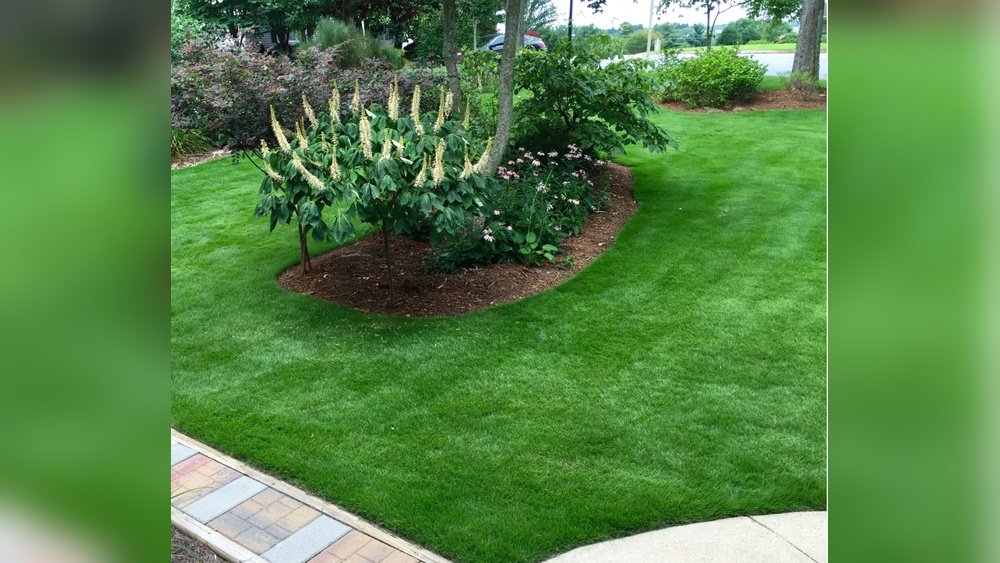
Are you looking for a grass that stays green, feels soft under your feet, and stands up well to heavy use? Zoysia grass might be exactly what you need.
Whether you want a lush lawn, a durable sports field, or a low-maintenance garden, Zoysia grass offers unique benefits that can transform your outdoor space. Keep reading to discover how this versatile grass can work for you and why it’s becoming a top choice for homeowners and landscapers alike.
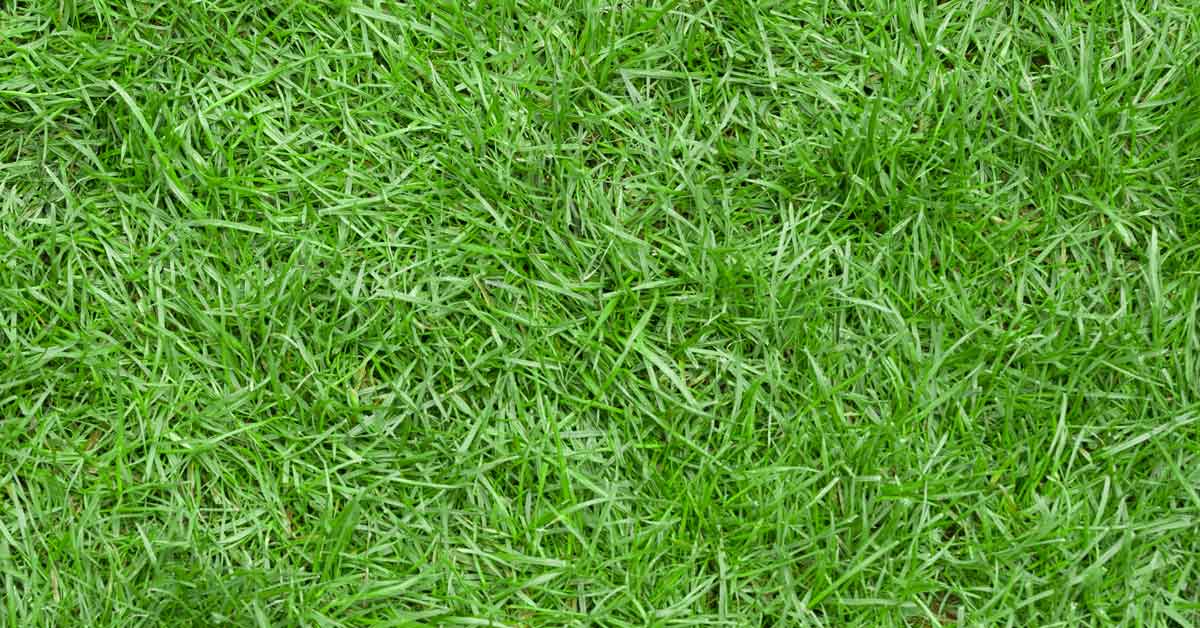
Credit: www.pennington.com
Zoysia Grass Basics
Zoysia grass is a popular choice for lawns and landscapes worldwide. It offers a dense, green carpet that stays lush through many seasons. Understanding its basics helps in using it wisely for different purposes.
This section covers the origins and types of Zoysia grass. It also explains its growth features that make it unique.
Origins And Types
Zoysia grass comes from Asia, mainly Japan and Korea. It has adapted well to warm and temperate climates. Several types exist, each with unique traits. Common types include Zoysia japonica, Zoysia matrella, and Zoysia tenuifolia. Zoysia japonica is the most widely used. It grows quickly and tolerates cold better than others. Zoysia matrella has a finer texture and softer feel. Zoysia tenuifolia is known for its slow growth and dense appearance. These types fit different soil and climate conditions.
Growth Characteristics
Zoysia grass spreads through both seeds and underground stems. It forms a thick, carpet-like turf that resists weeds. The grass grows slowly but is very durable. It handles heat and drought better than many other grasses. It also recovers well from heavy foot traffic. Zoysia grass turns brown during very cold weather but green again in spring. Its dense growth helps reduce soil erosion. The grass needs moderate watering and low fertilizer use. It thrives in full sun but can tolerate some shade.
Ideal Lawn Uses
Zoysia grass is perfect for many lawn uses. It grows thick and stays green for a long time. It handles wear well and needs less water. These qualities make it a great choice for various outdoor spaces.
Its dense growth helps stop weeds. It also stands up to heat and drought better than many grasses. These features make Zoysia a smart pick for places that get a lot of use and need a strong, healthy lawn.
Residential Lawns
Zoysia grass creates soft, green lawns for homes. It forms a thick carpet that feels nice underfoot. It tolerates foot traffic from children and pets. Zoysia needs less mowing and watering than other grasses. Homeowners enjoy its neat look and easy care.
Golf Courses
Golf courses use Zoysia for fairways and tees. It grows evenly, making smooth playing surfaces. The grass recovers well from damage by golf shoes. Its deep green color looks good on the course. Maintenance is simpler because it resists weeds and drought.
Sports Fields
Sports fields benefit from Zoysia’s durability. It handles heavy use from players and equipment. The grass stays thick and protects the soil below. It reduces mud and bare spots after games. This makes fields safer and more enjoyable for athletes.
Landscape Advantages
Zoysia grass offers many benefits for landscaping. It creates a lush, green lawn that stays healthy with less care. Its unique features help it survive tough conditions. This grass is a smart choice for many outdoor spaces.
Drought Tolerance
Zoysia grass handles dry weather well. It uses water efficiently and stays green longer. This grass needs less watering than other types. It saves water and keeps your lawn healthy during droughts.
Shade Resistance
Zoysia grass grows well in shaded areas. It can thrive under trees and near buildings. This makes it perfect for yards with mixed sun and shade. It stays thick and green even with less sunlight.
Weed Control
Zoysia grass grows densely and blocks weeds from spreading. Its thick blades crowd out unwanted plants. This lowers the need for chemical weed killers. A Zoysia lawn means fewer weeds and less work.
Maintenance Tips
Maintaining Zoysia grass requires regular care to keep it healthy and green. This grass type grows slowly but thickly, so proper maintenance helps it stay dense and beautiful. Simple steps like mowing, watering, and fertilizing make a big difference.
Mowing Practices
Cut Zoysia grass to about 1 to 2 inches tall. Mow often during the growing season. Use sharp mower blades to avoid tearing the grass. Remove clippings to prevent thatch buildup. Avoid cutting more than one-third of the grass height at once.
Watering Needs
Zoysia grass needs about one inch of water per week. Water deeply but less often to encourage strong roots. Early morning watering reduces disease risk. During hot months, increase watering frequency slightly. Avoid overwatering, which can cause root rot.
Fertilizing Schedule
Feed Zoysia grass with a balanced fertilizer in spring and summer. Use nitrogen-rich fertilizer for best growth. Avoid fertilizing in fall to help grass prepare for winter. Follow product instructions for proper amounts. Regular feeding keeps the lawn lush and green.
Environmental Benefits
Zoysia grass offers many environmental benefits that help protect nature. Its thick growth and strong roots make it a smart choice for green spaces. This grass supports soil health, captures carbon, and provides homes for small animals and insects.
These benefits make Zoysia grass more than just a pretty lawn. It plays an active role in keeping the environment balanced and healthy.
Soil Erosion Prevention
Zoysia grass has dense roots that hold soil tightly. This stops soil from washing away during rain or wind. It keeps the ground stable and prevents damage to land. Using Zoysia grass helps keep soil in place around homes and parks.
Carbon Sequestration
Zoysia grass absorbs carbon dioxide from the air. It stores this carbon in its roots and soil. This process reduces harmful gases and helps fight climate change. Growing Zoysia grass contributes to cleaner air and a cooler planet.
Wildlife Habitat
Many small animals and insects find shelter in Zoysia grass. It offers food and protection for birds, bees, and butterflies. This grass supports local wildlife and helps keep ecosystems healthy. A lawn of Zoysia grass invites nature closer to your home.
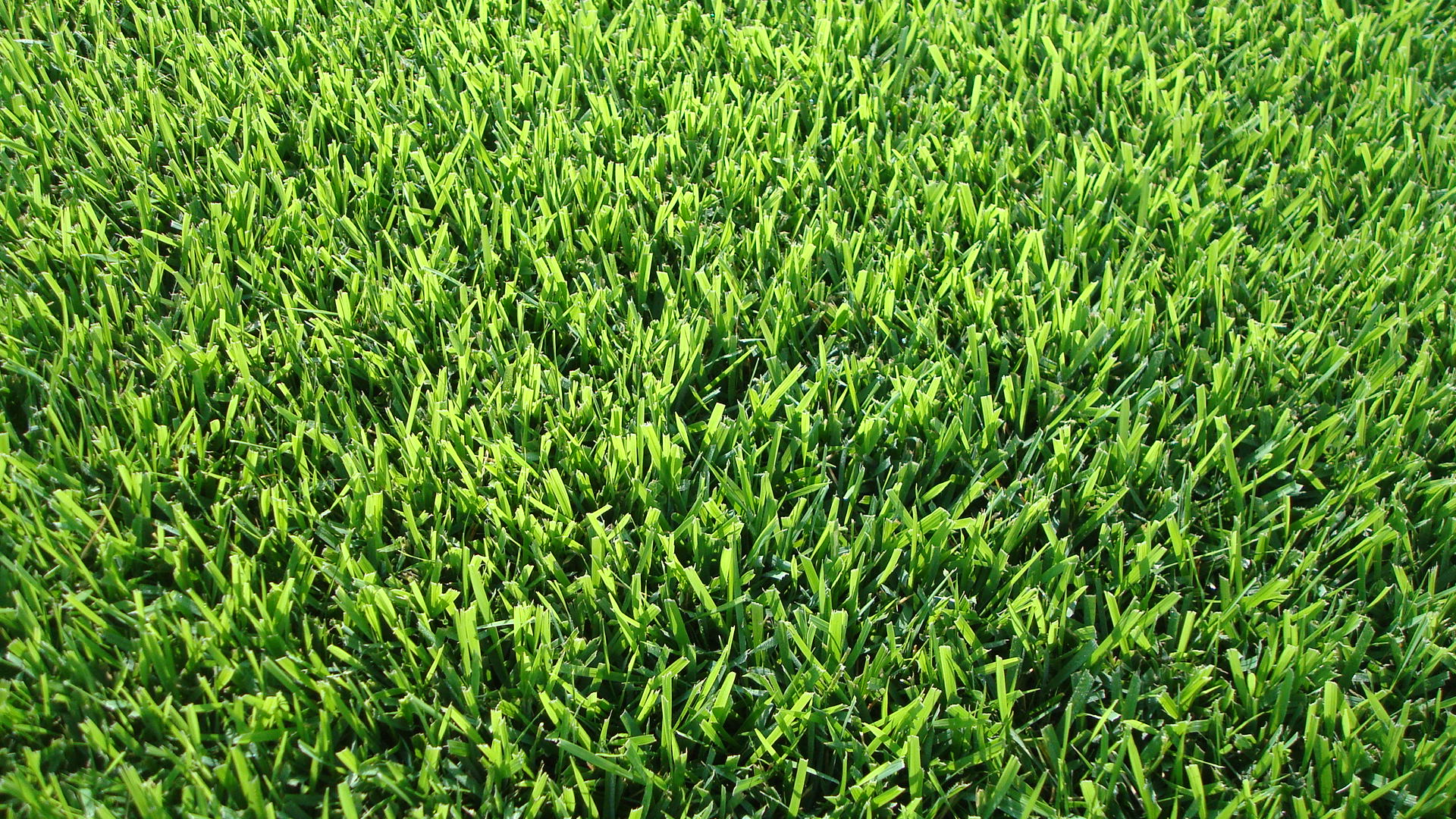
Credit: dickersonlandscaping.com
Common Challenges
Zoysia grass is popular for lawns and sports fields due to its durability and beauty. Still, it faces some common challenges. These issues can affect its health and appearance. Understanding these problems helps maintain a lush, green lawn year-round.
Pest Issues
Zoysia grass can attract pests like chinch bugs and sod webworms. These insects feed on the grass blades and roots. This causes yellow spots and thinning areas. Early detection is key to controlling pest damage. Use natural predators or approved insecticides to manage pests safely.
Thatch Management
Thatch is a layer of dead grass and roots between soil and green grass. Zoysia grass tends to build up thatch quickly. Too much thatch blocks water and nutrients from reaching roots. Regular dethatching or aerating helps keep the lawn healthy. Remove excess thatch to improve air and water flow.
Winter Dormancy
Zoysia grass goes dormant in cold weather. It turns brown and stops growing during winter. This dormancy is normal and protects the grass from freezing. The lawn may look dead but will green up in spring. Avoid heavy foot traffic on dormant grass to prevent damage.

Credit: lakecharlessod.com
Frequently Asked Questions
What Are The Common Uses Of Zoysia Grass?
Zoysia grass is commonly used for lawns, golf courses, and sports fields. It provides a dense, green turf that resists wear and drought, making it ideal for high-traffic areas and aesthetic landscaping.
Is Zoysia Grass Good For Residential Lawns?
Yes, Zoysia grass is excellent for residential lawns. It grows thick and soft, tolerates heat well, and requires less water than many grasses, making it a popular choice for homeowners.
Can Zoysia Grass Be Used In Commercial Landscaping?
Absolutely. Zoysia grass is favored in commercial landscaping due to its durability, low maintenance, and ability to stay green in various climates, enhancing curb appeal and reducing upkeep costs.
How Does Zoysia Grass Perform In Sports Fields?
Zoysia grass performs well on sports fields. Its dense growth reduces soil erosion, withstands heavy foot traffic, and recovers quickly, providing a safe, durable playing surface.
Conclusion
Zoysia grass works well for lawns, parks, and sports fields. It stays green longer and handles foot traffic nicely. This grass also needs less water than many types. It grows thick and helps keep weeds away. Many people choose Zoysia for its beauty and strength.
Its slow growth means less mowing is needed. Overall, Zoysia grass suits places where a strong, green lawn is wanted. A smart choice for many outdoor spaces.
