
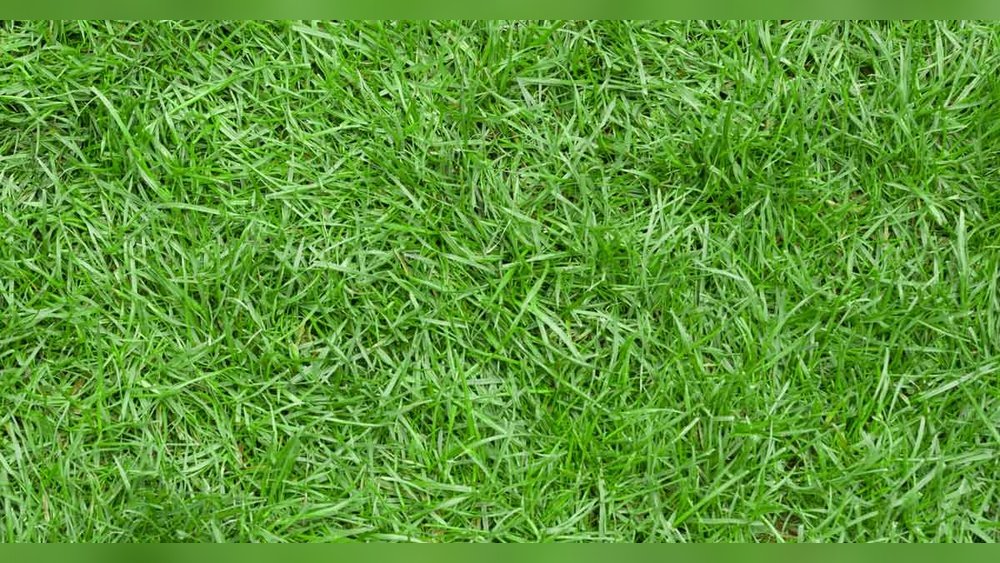
Are you eager to see your Zoysia grass come to life but unsure when it will start growing? Knowing the right time your lawn begins to green up can help you plan watering, fertilizing, and mowing perfectly.
Imagine having a lush, thick lawn just when you need it most. You’ll discover exactly when Zoysia grass wakes up from dormancy and how to give it the best start. Keep reading to unlock the secrets to a healthy, vibrant lawn that turns heads all season long.
Zoysia Grass Growth Cycle
Zoysia grass follows a clear growth cycle through the year. Understanding this cycle helps with lawn care. It shows when the grass grows fast and when it rests. This knowledge helps keep your lawn healthy and green.
The growth cycle has four main phases. Each phase affects the grass differently. Knowing these phases helps with watering, mowing, and fertilizing at the right time.
Dormant Phase
Zoysia grass enters dormancy in late fall. The grass stops growing and turns brown. It saves energy during cold months. Growth slows down because the temperature drops. The grass looks dry but is still alive.
Spring Awakening
As temperatures rise in early spring, Zoysia wakes up. It starts to green up and grow slowly. New shoots appear from underground stems. This phase sets the stage for the growing season. Water and nutrients become important now.
Peak Growing Season
Summer is the peak growing time for Zoysia grass. Warm weather and long days speed up growth. The grass grows thick and green quickly. Regular mowing and watering keep it healthy. Fertilizing during this time boosts growth even more.
Dormancy Return
As fall arrives, growth slows down again. Zoysia grass prepares for dormancy by storing energy. The green color fades, and leaves brown. Growth nearly stops as cold weather sets in. The cycle then repeats with the next spring.
Factors Influencing Growth
Zoysia grass growth depends on several key factors. These factors influence how quickly the grass starts to grow in spring. Understanding these helps you care for your lawn better. Here are the main elements that affect Zoysia grass growth.
Temperature Effects
Zoysia grass grows best in warm temperatures. It starts growing when soil temperature reaches about 60°F. Cool weather slows down its growth. Hot summer heat can also stress the grass. Ideal growth happens in spring and early summer.
Soil Conditions
Well-drained soil helps Zoysia grass grow fast. The soil should be loose and rich in nutrients. Heavy clay or sandy soils slow growth. Adding compost or fertilizer improves soil quality. Healthy soil supports strong roots and green grass.
Watering Impact
Zoysia grass needs regular watering to grow well. Too little water causes slow growth and dry patches. Too much water can lead to root rot. Water deeply but less often. Morning watering helps the grass absorb water better.
Sunlight Requirements
Zoysia grass prefers full sun to partial shade. It grows fastest with at least six hours of sunlight daily. Too much shade slows growth and causes thin grass. Plant in areas with good sun exposure for best results.
Signs Of Early Growth
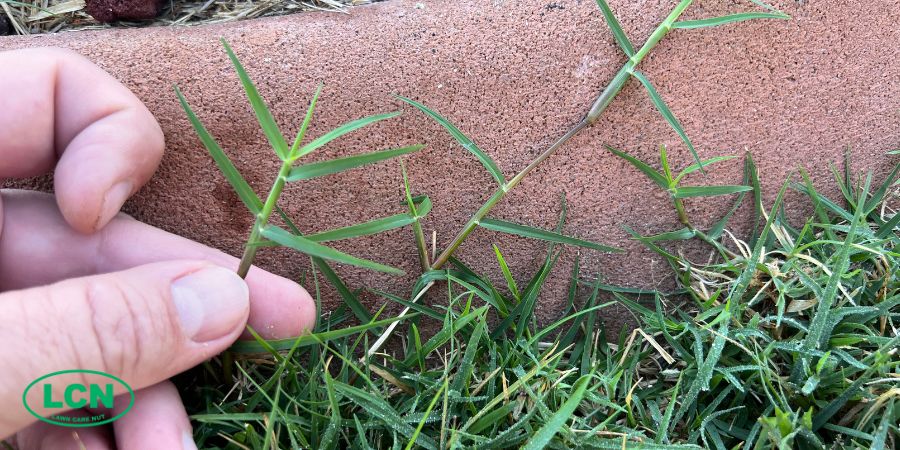
Early signs of zoysia grass growth show that your lawn is waking up from dormancy. These signs help you know if the grass is ready to grow. Spotting these changes early lets you care for your lawn properly. Watch for subtle shifts in color and new shoots pushing through the soil. Roots also start growing deep, preparing the grass for strong growth.
Color Changes
The first sign is a color shift in your lawn. Zoysia grass slowly changes from brown or tan to light green. This happens as the grass cells start to make chlorophyll again. The green color spreads in patches at first. These patches grow bigger as the grass wakes up. Bright green spots mean your grass is starting to grow.
New Shoot Appearance
New shoots begin to appear near the soil surface. These shoots look like tiny grass blades pushing up. They are soft and pale green at first. Over days, shoots get thicker and darker. Seeing many shoots means the grass is actively growing. These shoots will fill in bare spots on your lawn.
Root Development
Roots start growing deeper and stronger under the soil. Healthy roots help the grass absorb water and nutrients. You can check root growth by gently lifting a small patch. Look for white, firm roots spreading below. Strong root growth means the grass will thrive in warm weather.
Credit: www.milorganite.com
Regional Growth Variations
Zoysia grass grows at different times depending on the region. Climate and environment change its growth speed. Knowing these differences helps in lawn care and planning. Let’s explore how Zoysia grass grows in various areas.
Warm Climates
In warm climates, Zoysia grass starts growing early in spring. The soil warms quickly, triggering growth. Grass may stay green longer into fall. These areas often see faster recovery from damage.
Cooler Regions
Cooler regions delay Zoysia grass growth until late spring. Cold soil slows down root and shoot development. Grass may stay dormant during early spring. Growth speeds up only when temperatures rise steadily.
Urban Vs Rural Growth
Urban areas heat up more due to buildings and pavement. This can make Zoysia grass grow sooner than rural areas. Rural zones may have cooler nights, delaying growth. Soil quality and water availability also affect growth rates.
Tips To Promote Healthy Growth
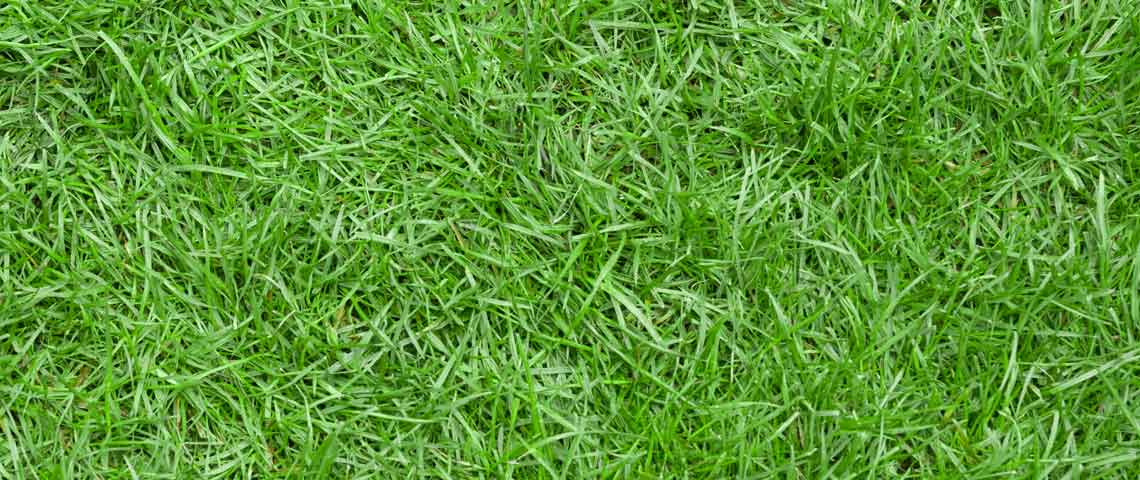
Promoting healthy growth for Zoysia grass takes careful attention and simple care steps. Good habits help the grass grow thick and green. Follow these tips to keep your lawn strong and beautiful all season.
Proper Mowing Practices
Cut Zoysia grass at the right height to avoid stress. Keep mower blades sharp for clean cuts. Mow frequently, but never remove more than one-third of the grass blade at once. This helps the grass stay healthy and recover quickly.
Fertilization Timing
Apply fertilizer when Zoysia grass begins growing in spring. Use a balanced fertilizer with nitrogen for best results. Avoid fertilizing late in the season to prevent weak growth. Proper timing gives the grass the nutrients it needs to thrive.
Pest And Weed Control
Watch for pests that damage Zoysia grass, like armyworms and grubs. Treat problems early with safe pesticides or natural methods. Control weeds by pulling them out or using targeted herbicides. Healthy grass resists pests and weeds better.
Credit: www.pennington.com
Credit: info.supersod.com
Frequently Asked Questions
When Does Zoysia Grass Typically Start Growing?
Zoysia grass usually begins growing in late spring when soil temperatures reach about 60°F. Growth accelerates through summer as temperatures rise, making warm weather essential for its development.
How Long Does Zoysia Grass Take To Grow Fully?
Zoysia grass can take 2 to 3 growing seasons to establish fully. Its slow growth rate requires patience for a dense, lush lawn.
What Soil Temperature Triggers Zoysia Grass Growth?
Zoysia grass starts growing when soil temperatures consistently hit 60°F or higher. Warm soil activates its roots and shoots, promoting healthy growth.
Can Zoysia Grass Grow In Cooler Climates?
Zoysia grass grows best in warm climates but can survive cooler areas with proper care. Growth slows significantly below 60°F soil temperature, entering dormancy in cold seasons.
Conclusion
Zoysia grass begins growing as the soil warms in spring. You will see green shoots appear when temperatures reach around 60°F. This grass grows slowly but spreads well during warm months. Keep your lawn watered and avoid heavy foot traffic early on.
Patience is key for a healthy, green Zoysia lawn. Watch for steady growth through summer to enjoy a lush yard. Knowing when Zoysia starts helps you care for it better. Your lawn will thank you with thick, green grass in time.
