

Are you thinking about planting Zoysia grass in your yard but worried it might take over everything? You’re not alone.
Many homeowners ask, “Is Zoysia grass invasive? ” Understanding how this grass spreads and behaves is key to keeping your lawn healthy and under control. You’ll discover the truth about Zoysia grass’s growth habits, what makes it different from other grasses, and simple tips to manage it effectively.
Keep reading to make the best choice for your lawn and avoid unwanted surprises.

Credit: mikesbackyardnursery.com
Zoysia Grass Basics
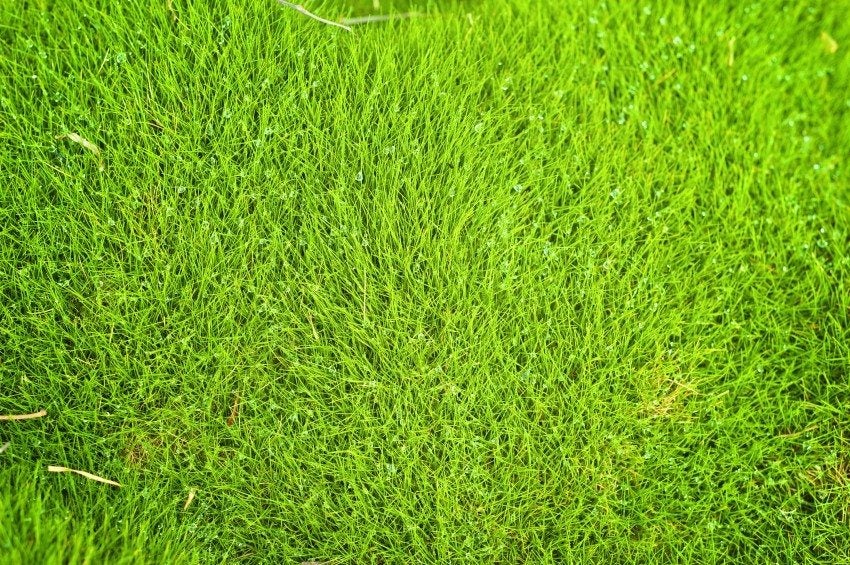
Zoysia grass is a popular choice for lawns and landscapes. It is known for its dense growth and soft texture. Understanding the basics of Zoysia grass helps in managing it properly. This knowledge is important to know if it can become invasive.
Below are the key details about Zoysia grass, including its origins, types, and growth habits. This information helps you decide if it fits your garden needs.
Origins And Types
Zoysia grass comes from Asia, mainly Japan, Korea, and China. It has been used for centuries in these regions. There are several types of Zoysia grass. Each type varies in color, texture, and growth rate.
Common types include Zoysia japonica, Zoysia matrella, and Zoysia tenuifolia. Zoysia japonica is the most widely used. It tolerates cold weather and heavy foot traffic well.
Growth Characteristics
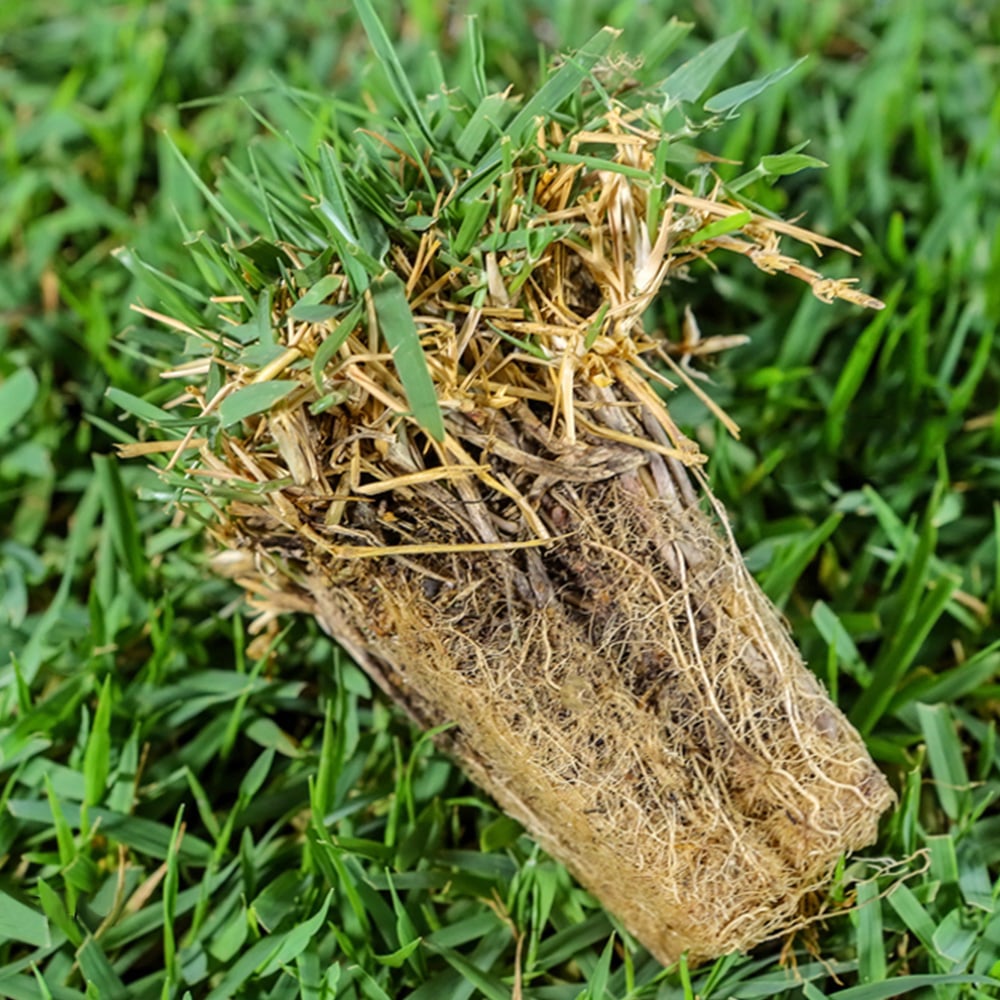
Zoysia grass spreads slowly but firmly. It grows through underground stems called rhizomes and above-ground stems called stolons. This growth helps it form a thick, carpet-like lawn.
The grass is drought-resistant and recovers quickly from damage. It grows best in warm climates but can survive cold winters. Zoysia grass requires less mowing than many other grasses. Its dense growth helps block weeds effectively.
Credit: www.whygoodnature.com
Invasive Traits Of Zoysia
Zoysia grass is known for its thick, lush growth and ability to cover large areas quickly. These features make it popular for lawns and golf courses. Yet, its fast growth can cause problems. Zoysia can spread beyond intended areas, crowding out other plants. This section explores the invasive traits of Zoysia grass and what makes it spread so easily.
Spreading Mechanisms
Zoysia spreads through both above-ground and underground methods. It grows stolons, which are horizontal stems that run along the soil surface. These stolons root at nodes, creating new grass plants. It also produces rhizomes, underground stems that grow sideways and sprout new shoots. This dual system helps Zoysia cover ground fast and fill in gaps. Its dense growth can choke out other plants, reducing biodiversity.
Comparison With Other Grasses
Compared to other grasses, Zoysia spreads more aggressively. Bermuda grass also spreads quickly but mainly through rhizomes. Kentucky bluegrass spreads through rhizomes and seeds but is slower than Zoysia. Tall fescue grows mostly in clumps and does not spread as much. Zoysia’s thick mats form faster and last longer. This makes it harder to control once it escapes a lawn or garden bed.
Impact On Home Lawns
Zoysia grass affects home lawns in many ways. Its growth and spread can shape the look and health of your yard. Understanding this grass’s impact helps homeowners decide if it suits their lawn needs. It has both good and bad sides worth exploring.
Benefits Of Zoysia
Zoysia grass grows thick and dense. This helps stop weeds from taking over your lawn. It handles heavy foot traffic well, making it great for play areas. The grass uses water efficiently, saving you money on watering. It also stays green longer in warm weather. Zoysia creates a soft, comfortable lawn surface.
Potential Problems
Zoysia spreads quickly, which can cause issues near garden beds. It may invade flower beds or vegetable gardens. This can make maintenance harder and affect other plants. Removing Zoysia from unwanted areas is tough and time-consuming. The grass grows slowly in shaded spots, leading to patchy lawns. It can also be expensive to install and maintain properly.
Controlling Zoysia Spread
Controlling the spread of Zoysia grass is important for keeping your lawn tidy and healthy. This grass grows fast and can take over areas if not managed well. Proper control helps keep it from invading flower beds, walkways, or neighbors’ yards. Careful steps can stop Zoysia from spreading beyond where you want it.
Preventive Measures
Start by setting clear borders around your lawn. Use edging materials like plastic or metal strips to block runners. Plant Zoysia only where you want it to grow. Avoid planting near garden beds or paths. Check the grass edges regularly. Remove any runners that cross boundaries quickly. This stops the grass from spreading too far.
Maintenance Tips
Cut your Zoysia grass often to keep it healthy. Mow at the right height, usually about 1 to 2 inches. Water the lawn deeply but less often. This encourages deep roots and limits surface spread. Remove dead grass and debris to reduce thick mats. Aerate the soil to improve air and water flow. These steps help control growth and keep the grass from spreading too fast.
Environmental Considerations
Zoysia grass is popular for lawns and sports fields. Yet, its impact on nature needs careful thought. Understanding environmental factors helps make smart choices about planting it.
Effects On Local Ecosystems
Zoysia grass spreads quickly and forms thick mats. This can crowd out native plants that local animals depend on. Reduced plant diversity may harm insects and birds. Some areas report that Zoysia changes the soil’s moisture and nutrients. These changes affect other plants and soil creatures. Careful monitoring is important to avoid upsetting the natural balance.
Sustainability Factors
Zoysia grass uses less water than many other grasses. It also grows slowly, so it needs less mowing. This lowers energy and fuel use. It tolerates heat and drought well, fitting dry climates. Still, its spreading habit can lead to extra maintenance. Choosing the right grass for your region supports long-term environmental health.
Credit: www.gardeningknowhow.com
Choosing The Right Grass
Choosing the right grass is important for a healthy lawn and garden. The grass type affects how your yard looks and grows. Some grasses spread fast and may take over other plants. Others stay in one place and need less care.
Zoysia grass is popular for its thick, green look. But it can spread quickly and may crowd out other plants. This can be a problem for some gardeners. Knowing your options helps you pick grass that fits your needs.
Alternatives To Zoysia
Bermuda grass grows well in warm climates and stays low. It spreads, but less aggressively than Zoysia. Fescue grass works better in cooler places and needs less water. It grows slower and stays put. Kentucky bluegrass is soft and green but needs more care. It does not spread as fast and is less likely to invade other areas.
Factors To Consider
Think about your climate and soil type. Some grasses need more water or sun than others. Consider how much time you can spend on lawn care. Fast-growing grasses may need more mowing. Also, check if the grass can spread and become invasive. Choose a type that fits your lifestyle and garden space.
Frequently Asked Questions
Is Zoysia Grass Considered Invasive In Lawns?
Zoysia grass spreads slowly through rhizomes and stolons. It is not highly invasive but can encroach on nearby plants if unmanaged. Proper maintenance controls its growth effectively.
How Does Zoysia Grass Spread In Gardens?
Zoysia grass spreads via underground rhizomes and above-ground stolons. This growth helps it form dense mats, but it rarely invades aggressively beyond garden boundaries.
Can Zoysia Grass Overtake Other Plants?
Zoysia grass can outcompete weaker plants due to its dense growth. However, it is not aggressively invasive and usually stays contained with regular care.
What Makes Zoysia Grass Less Invasive Than Other Grasses?
Its slow growth rate and dense mat formation limit Zoysia’s spread. Unlike aggressive invasive species, it requires space and time to expand significantly.
Conclusion
Zoysia grass spreads slowly but can cover large areas over time. It is not highly invasive like some other grasses. With proper care, you can control its growth easily. Many homeowners enjoy its thick, green look without worry. Knowing its traits helps you manage your lawn well.
Choose Zoysia if you want a durable, low-maintenance grass. Keep an eye on its edges to prevent unwanted spread. Overall, Zoysia grass offers beauty without major invasive problems. Easy to grow, easy to manage. A good choice for many yards.
