
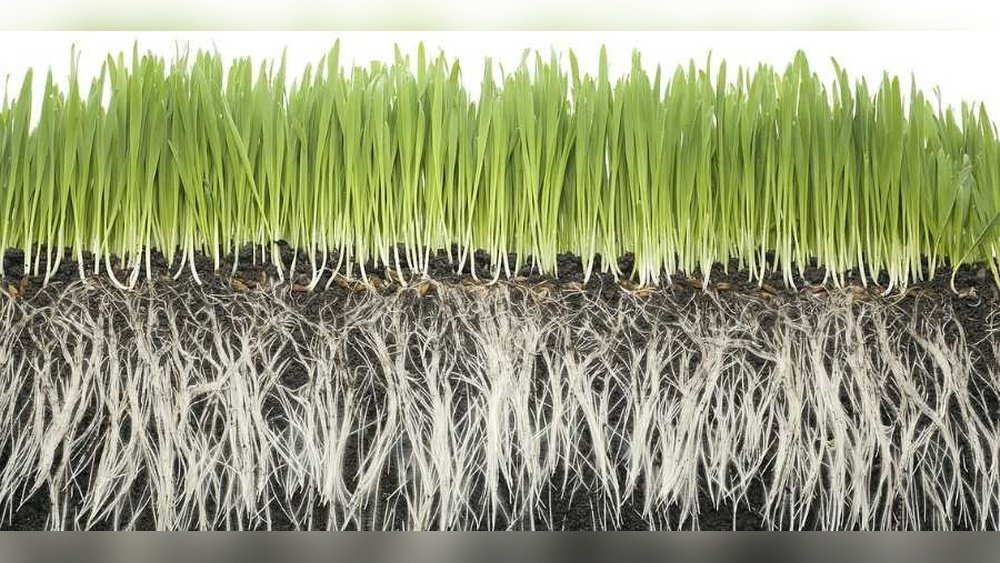
Bermuda grass roots typically grow between 6 and 12 inches deep, with some reaching up to 18 inches in ideal conditions. This depth allows the grass to access water and nutrients efficiently, making it resilient to drought and heavy use. Proper care helps maintain strong, healthy roots for a thriving lawn.
Have you ever wondered how deep Bermuda grass roots actually grow beneath your lawn? Understanding this can change the way you care for your grass and help you keep your yard healthy and green all year round.
Knowing the root depth gives you an edge when watering, fertilizing, or dealing with pests. You’ll discover exactly how far those roots reach and why it matters to your lawn’s strength and survival. Keep reading to unlock the secrets beneath your feet and take your lawn care skills to the next level.
Credit: alamedabackyardgrowers.org
Bermuda Grass Basics
Bermuda grass is a popular choice for warm climates. It grows quickly and spreads easily. This grass stays green in summer and handles heat well.
It has a strong root system. These roots help it survive drought and heavy use. Understanding Bermuda grass helps in caring for it properly.
Characteristics Of Bermuda Grass
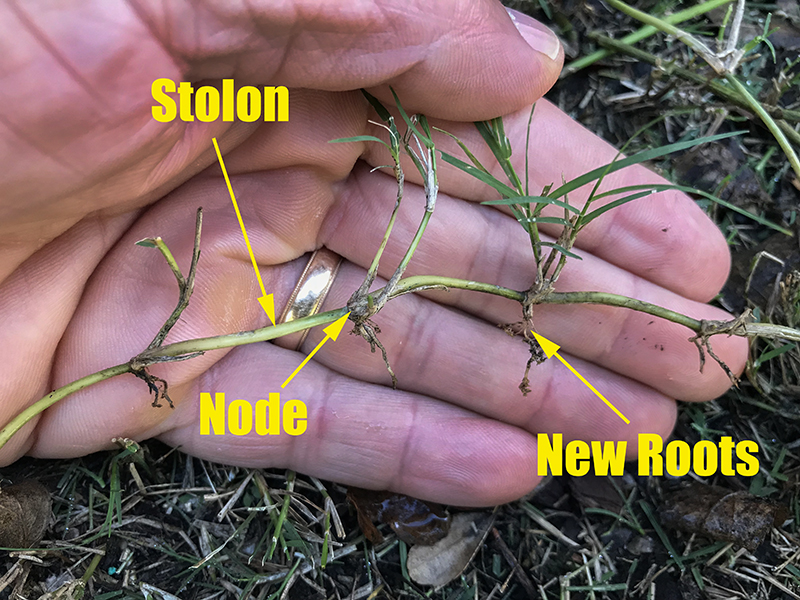
Bermuda grass has fine, soft leaves. It grows close to the ground. The grass spreads through stems called stolons and underground roots called rhizomes.
Its roots can grow deep, which helps the grass find water. The grass is tough and recovers fast from damage. It also resists many pests and diseases.
Common Uses In Lawns And Sports Fields
Bermuda grass is widely used in home lawns. It creates a thick, green carpet that looks nice. The grass can handle heavy foot traffic.
Sports fields often use Bermuda grass for its durability. It provides a safe, even surface for players. The deep roots help keep the field firm and healthy.
Root Growth Factors
Bermuda grass roots grow differently depending on several key factors. These factors affect how deep and strong the roots become. Understanding them helps in proper lawn care and maintenance. Soil, water, and climate all play important roles in root development.
Soil Type And Composition
The type of soil affects Bermuda grass roots greatly. Sandy soils drain quickly but do not hold nutrients well. Clay soils hold water longer but may cause poor root growth. Loamy soils provide a good balance of drainage and nutrients. Roots grow deeper in loose, well-aerated soil. Compact or heavy soils limit root depth and health.
Water Availability
Bermuda grass roots grow deeper when water is scarce. Limited watering encourages roots to seek moisture deep underground. Overwatering keeps roots shallow and weak. Consistent, moderate watering promotes healthy root systems. Deep roots help the grass survive dry periods better.
Climate Influence
Warm climates support faster root growth in Bermuda grass. Hot temperatures and sunlight increase root activity. Cold or wet climates slow root development. Dry, sunny areas encourage deeper roots as the grass adapts. Seasonal changes also affect root depth and strength.
Typical Root Depth
Bermuda grass roots grow deep to help the grass survive dry times. The depth of these roots varies with soil, water, and care. Knowing the usual root depth helps with lawn care and watering. This knowledge can keep your Bermuda grass healthy and green.
The roots spread underground, searching for water and nutrients. Their depth affects how much water the grass needs. Deeper roots mean the grass can handle drought better. Shallow roots need more frequent watering.
Average Root Length In Ideal Conditions
In good soil with enough water and nutrients, Bermuda grass roots grow about 6 to 12 inches deep. Sometimes, roots can reach up to 18 inches. These lengths allow the grass to absorb enough water and nutrients. Healthy roots create a strong lawn that recovers fast from damage.
Good care means regular watering, fertilizing, and mowing. These help roots grow deep and thick. Deep roots make the grass more drought-resistant and less likely to get sick.
Variations By Season And Environment
Root depth changes with the season. In warm months, roots grow deeper to use more water. During cooler months, root growth slows down. Shallow roots appear in dry or compacted soil.
Environmental factors like soil type and moisture affect root depth. Sandy soil allows roots to go deeper. Clay soil can limit root growth. Dry areas force roots to dig deeper for water. Wet areas may cause roots to stay shallow.
Adjust your lawn care based on these changes. This keeps Bermuda grass strong all year.
Surprising Root Depths
Bermuda grass is famous for its tough nature and bright green color. Its roots often grow deeper than many expect. This deep root system helps it survive tough conditions. The roots can reach far into the soil, making the grass strong and steady.
Deep roots also help Bermuda grass find water and nutrients. This means it can stay healthy even when rain is scarce. The surprising depth of these roots is a key reason for Bermuda grass’s hardiness.
Instances Of Deeper Growth
In some cases, Bermuda grass roots grow deeper than 12 inches. This usually happens in loose, well-drained soils. The grass sends roots down to find water and space to spread. Gardeners often find roots even deeper than 18 inches in ideal conditions.
Roots grow deeper to support strong growth above ground. This allows the grass to handle heavy use and recover quickly. Deep roots also anchor the grass, preventing it from washing away during rain.
Impact Of Drought And Stress
Drought forces Bermuda grass roots to grow deeper. The grass searches for moisture below dry soil layers. Stress from heat or poor soil also pushes roots down. Deep roots help the grass survive until rain returns.
Stress makes the root system stronger and more extensive. This natural response improves the grass’s chances in tough weather. Deeper roots mean the grass needs less watering and care during dry times.
Benefits Of Deep Roots
Deep roots in Bermuda grass offer several important benefits. They help the grass survive tough conditions. Strong roots also support healthy growth. Understanding these benefits helps in better lawn care.
Improved Drought Resistance
Deep roots reach water far below the soil. This helps Bermuda grass stay green during dry spells. Grass with shallow roots often dries out quickly. Deep roots keep the plant hydrated longer. It reduces the need for frequent watering.
Enhanced Nutrient Uptake
Roots that grow deep can absorb more nutrients. They reach minerals and elements beyond the surface soil. This makes Bermuda grass healthier and stronger. Good nutrient uptake leads to lush, thick lawns. Plants resist diseases better with strong nutrition.
Credit: www.gardeningblog.net
Encouraging Deeper Roots
Encouraging deeper roots in Bermuda grass helps the lawn stay healthy and strong. Deep roots allow the grass to access water and nutrients better. This makes the grass more resistant to drought and heat. Strong roots also improve the lawn’s overall growth and color. Here are simple ways to help Bermuda grass develop deeper roots.
Best Watering Practices
Water deeply but less often. This encourages roots to grow downward. Watering too often keeps roots near the surface. Early morning is the best time to water. It reduces evaporation and helps water soak into the soil. Avoid watering in the afternoon or evening. This prevents disease and water waste.
Soil Aeration Techniques
Aerating the soil improves air and water flow to roots. Use a lawn aerator to make small holes in the soil. This reduces soil compaction and promotes root growth. Aerate at least once a year. It helps roots grow deeper and stronger. Good aeration leads to a healthier lawn overall.
Fertilization Tips
Use fertilizers with the right nutrients for Bermuda grass. Nitrogen helps grass grow thick and green. Apply fertilizer in early spring and late summer. Avoid over-fertilizing, which can harm roots. Choose slow-release fertilizers for steady nutrient supply. Proper fertilization supports deep root development.
Common Root Problems
Bermuda grass roots usually grow deep and strong. But some common problems can stop roots from growing well. These issues hurt the grass health and make the lawn weak. Knowing these problems helps to keep your Bermuda grass healthy and green.
Shallow Root Issues
Shallow roots do not hold the grass firmly in the soil. They cause the grass to dry out quickly. This happens when the soil is hard or compacted. Water and air cannot reach deep roots easily. Shallow roots also grow when you water the grass too often but for a short time. The roots stay near the surface to get water. This makes the grass less strong during dry weather.
Root Diseases And Pests
Diseases and pests attack Bermuda grass roots often. Fungal infections cause the roots to rot and die. This weakens the grass and makes brown patches appear. Some insects eat the roots or tunnel in the soil. These pests damage the root system and reduce nutrient uptake. Keeping the soil healthy and clean helps prevent root diseases and pests.
Credit: www.bermudalawnguide.com
Frequently Asked Questions
How Deep Do Bermuda Grass Roots Typically Grow?
Bermuda grass roots usually grow 6 to 12 inches deep. In optimal conditions, they can reach depths up to 18 inches, helping the grass survive droughts.
Why Is Bermuda Grass Root Depth Important?
Root depth determines Bermuda grass’s drought resistance and nutrient absorption. Deeper roots improve lawn health and reduce watering needs, making maintenance easier.
How Can I Encourage Deeper Bermuda Grass Roots?
To promote deep roots, water deeply but less frequently. Aerate soil regularly and avoid over-fertilizing to strengthen root growth naturally.
Does Soil Type Affect Bermuda Grass Root Depth?
Yes, sandy soils allow roots to grow deeper, while compacted clay restricts root penetration. Proper soil management enhances root depth and lawn vigor.
Conclusion
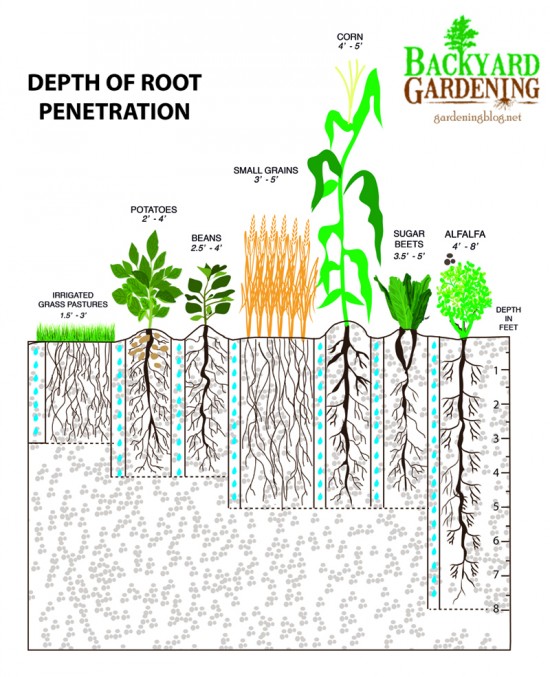
Bermuda grass roots grow deep to help the plant stay strong. These roots reach about 2 to 3 feet underground. Deep roots allow Bermuda grass to find water and nutrients easily. This helps the grass survive dry weather and heavy use.
Knowing root depth helps you water and care for your lawn better. Strong roots mean a healthy, green lawn for a long time. Keep your Bermuda grass well-fed and watered for best results. Deep roots make all the difference in lawn health and growth.
