

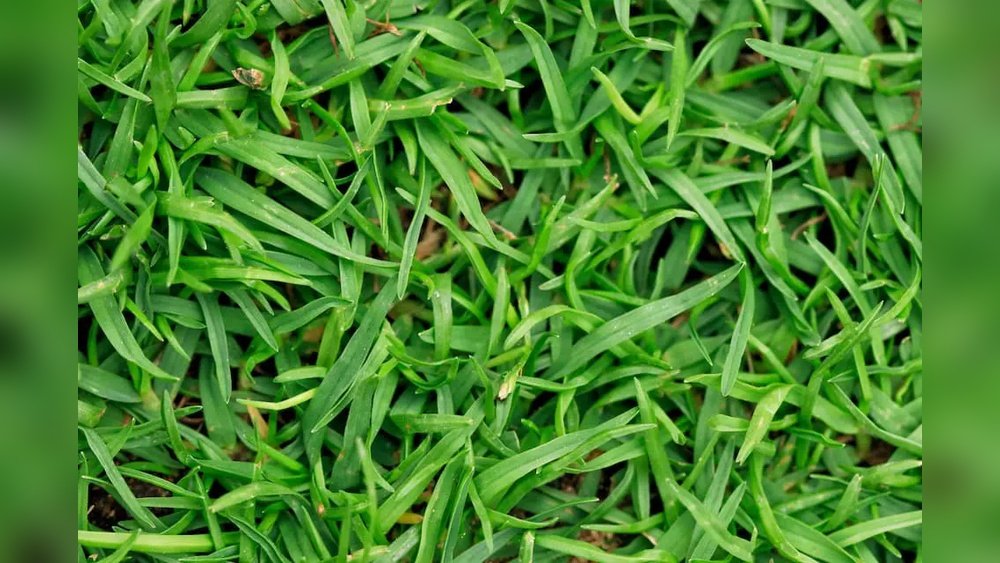
Fertilize Bermuda grass about three to four times during the growing season for the best results. Start in early spring when the grass begins to green, continue every 6 to 8 weeks through summer, and apply once more in early fall. This schedule supports strong growth and helps maintain a healthy, vibrant lawn.
Are you wondering how often to fertilize your Bermuda grass to keep it lush and green? Getting the timing right can make all the difference between a healthy lawn and one that struggles to grow.
Too little fertilizer, and your grass might look thin and weak. Too much, and you could waste money or even harm your lawn. You’ll discover the perfect fertilizing schedule that fits your lawn’s needs. Keep reading to find out how to give your Bermuda grass the care it deserves and enjoy a vibrant yard all season long.

Credit: blog.evergreenturf.com
Fertilizing Basics For Bermuda Grass
Bermuda grass needs the right care to stay green and healthy. Fertilizing is one key step. It helps the grass grow strong and resist weeds and pests. Understanding the basics of fertilizing Bermuda grass helps keep your lawn looking its best.
Knowing why to fertilize and which nutrients your grass needs makes a big difference. Let’s explore these important points.
Why Fertilize Bermuda Grass
Fertilizing gives Bermuda grass the nutrients it cannot get from soil alone. It supports fast growth and bright green color. Without fertilizer, the grass may become thin and weak. Fertilizer helps the grass recover from heat and drought stress. It also improves the lawn’s overall health and appearance.
Essential Nutrients Needed
Bermuda grass needs three main nutrients: nitrogen, phosphorus, and potassium. Nitrogen helps the grass grow quickly and look green. Phosphorus supports strong roots and new growth. Potassium boosts the grass’s ability to fight disease and survive tough conditions. Other minerals like iron and magnesium also help but in smaller amounts. Balanced fertilizer with these nutrients keeps Bermuda grass healthy.
Optimal Fertilizing Schedule
Establishing the right fertilizing schedule for Bermuda grass is key to a lush, green lawn. Proper timing helps the grass absorb nutrients effectively. It encourages strong growth and resists weeds and drought. Fertilizing too often or too little can harm the grass. This guide shows the best times to fertilize during spring, summer, and fall for healthy Bermuda grass all year.
Spring Fertilization Timing
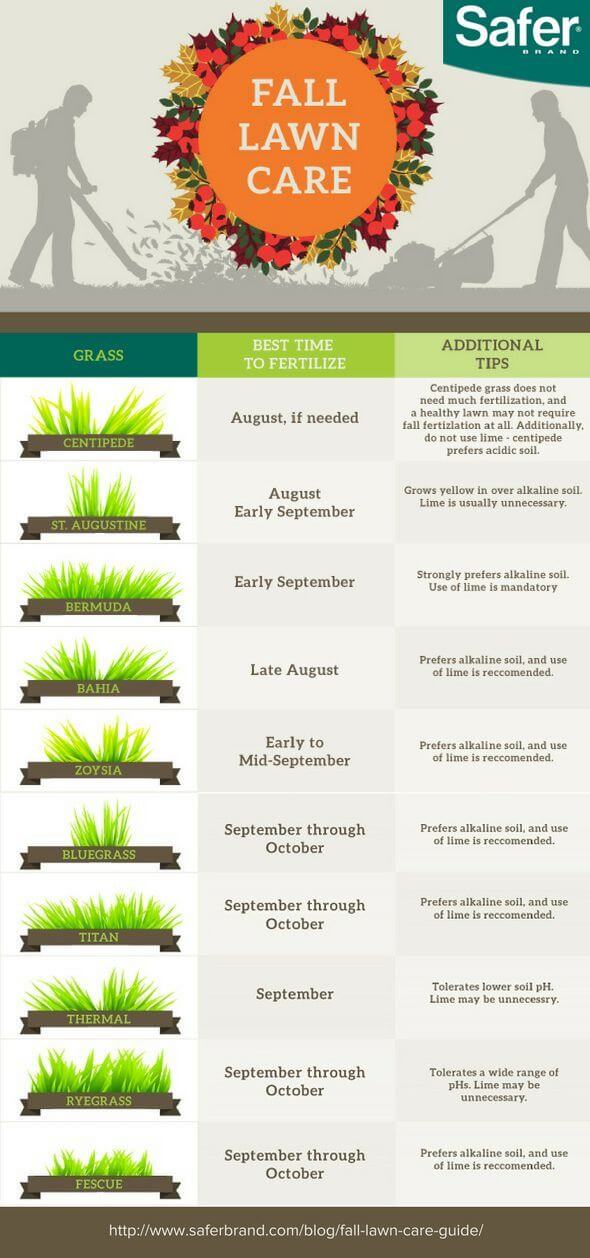
Apply fertilizer when Bermuda grass begins to green up. This usually happens as soil temperatures reach 65°F. Early spring fertilizing jumpstarts growth and repairs winter damage. Use a fertilizer high in nitrogen to boost leaf growth. Avoid fertilizing too early to prevent weak growth and disease.
Summer Feeding Tips
Fertilize Bermuda grass every 6 to 8 weeks in summer. Warm weather speeds up nutrient use. Choose a balanced fertilizer with nitrogen, phosphorus, and potassium. Apply fertilizer during early morning or late evening to reduce burn risk. Water the lawn after fertilizing to help nutrients soak in.
Fall Fertilizing Guidelines
Fertilize once more in early fall before cooler weather arrives. This helps grass store energy for winter. Use a fertilizer with lower nitrogen and higher potassium. Potassium improves root strength and stress tolerance. Stop fertilizing about six weeks before the first frost to avoid new growth that could freeze.
Choosing The Right Fertilizer
Choosing the right fertilizer is key for healthy Bermuda grass. It feeds the grass and helps it grow thick and green. The right fertilizer keeps the lawn strong through hot summers and cooler months. Knowing what nutrients your lawn needs saves you time and money. It also prevents over-fertilizing, which can harm the grass.
N-p-k Ratios For Bermuda Grass
N-P-K stands for nitrogen, phosphorus, and potassium. These are the main nutrients plants need. Bermuda grass needs more nitrogen than the other two. Nitrogen helps grass grow fast and stay green. Phosphorus supports root growth, but most soils already have enough. Potassium strengthens grass to resist disease and drought.
A common N-P-K ratio for Bermuda grass is 3-1-2 or 4-1-2. This means more nitrogen, some phosphorus, and moderate potassium. Check your soil test to know which ratio fits your lawn best. Avoid too much phosphorus unless a soil test shows a need.
Organic Vs. Synthetic Fertilizers
Organic fertilizers come from natural sources like compost or manure. They release nutrients slowly, improving soil health over time. Organic options are safer for pets and children. They can cost more and may work slower.
Synthetic fertilizers are man-made and give nutrients quickly. They are easy to apply and usually less expensive. These fertilizers can burn grass if overused. They do not improve soil structure like organic types.
Choose based on your lawn’s needs and your budget. Some gardeners use both types to get quick results and long-term soil health.
Application Techniques
Applying fertilizer to Bermuda grass requires care and the right techniques. Proper application helps the grass absorb nutrients well. It also prevents waste and damage to the lawn. Follow these methods to get the best results from your fertilizer.
Proper Spreading Methods
Use a spreader for even fertilizer distribution. Choose between a drop spreader or a broadcast spreader. A drop spreader releases fertilizer in a straight line. It offers more control but covers less area fast. A broadcast spreader throws fertilizer wider and faster. Walk at a steady pace to avoid clumps. Overlapping slightly helps cover every spot. Avoid spreading fertilizer on sidewalks or driveways. It wastes product and can cause stains.
Watering After Fertilizing
Water the lawn right after applying fertilizer. This helps the nutrients soak into the soil. Use a gentle spray to avoid washing away fertilizer. Watering also prevents fertilizer burn on grass blades. Aim for about half an inch of water. Keep the soil moist for a few days. Do not flood the lawn with too much water. Proper watering boosts fertilizer effectiveness and lawn health.
Signs Your Lawn Needs Fertilizer
Knowing when your Bermuda grass needs fertilizer is key to a healthy lawn. Signs are often clear and easy to spot. Early detection helps keep your grass green and strong. Watch your lawn closely for these clues.
Color And Growth Indicators
Dull or yellow grass shows nutrient problems. Healthy Bermuda grass is bright green. Slow or thin growth means the grass lacks food. Patchy spots can also signal fertilizer needs. Pay attention to changes in color and size.
Soil Testing For Nutrient Deficiency
Soil tests reveal what nutrients your lawn lacks. Testing is simple and provides accurate results. It helps avoid over-fertilizing or missing key nutrients. Use a soil test kit or send samples to a lab. This step ensures your fertilizer fits your lawn’s needs.
Credit: www.yourgreenpal.com
Common Mistakes To Avoid
Fertilizing Bermuda grass needs care to keep the lawn healthy. Many people make mistakes that harm the grass instead of helping it. Knowing what to avoid can save time and money. It can also keep your lawn looking green and strong.
Overfertilization Risks
Applying too much fertilizer can burn the grass roots. It causes brown spots and weak growth. Overfertilized grass can attract pests and diseases. The extra nutrients can also wash away, polluting nearby water. Use the right amount to keep Bermuda grass healthy.
Fertilizing During Dormancy
Bermuda grass goes dormant in cold months. Fertilizing during dormancy does not help growth. It can stress the grass and waste fertilizer. Wait until the grass starts growing again in spring. Fertilize at the right time for best results.
Maintaining A Healthy Bermuda Lawn Year-round
A healthy Bermuda lawn needs care throughout the year. Fertilizing is key to keep the grass green and strong. Proper feeding helps the grass grow thick and resist stress from heat and drought. Understanding how to care for your lawn each season is important.
Other lawn care tasks support fertilizing. Mowing correctly and watching for pests or diseases keep the Bermuda grass healthy. These steps work together to create a lawn that looks great all year long.
Combining Fertilizing With Mowing
Mowing your Bermuda grass regularly helps it grow better. Keep the blades sharp to avoid tearing the grass. Mow at the right height, usually between 1 to 2 inches. Cutting too short can stress the grass.
Fertilize right after mowing to help the lawn absorb nutrients. This timing lets the grass use the fertilizer efficiently. Avoid mowing immediately after fertilizing to prevent nutrient loss.
Stick to a mowing schedule during the growing season. This practice keeps the lawn healthy and thick. A strong lawn needs both proper mowing and feeding.
Dealing With Pests And Diseases
Pests like grubs and insects can damage Bermuda grass quickly. Watch for brown patches or thinning areas. Early detection helps control problems before they spread.
Diseases such as dollar spot or leaf spot also harm the lawn. Keep the grass dry and avoid overwatering. Good air circulation helps prevent fungal growth.
Using proper fertilization strengthens the grass against pests and diseases. Healthy grass recovers faster and stays green longer. Check your lawn often and take action when needed.

Credit: lawnlove.com
Frequently Asked Questions
How Often Should I Fertilize Bermuda Grass Yearly?
Fertilize Bermuda grass every 6 to 8 weeks during its growing season. This typically means 4 to 6 times yearly for optimal growth and color.
What Is The Best Fertilizer For Bermuda Grass?
Use a nitrogen-rich fertilizer with a ratio like 3-1-2 or 4-1-2. This supports healthy green growth and strong roots in Bermuda grass.
When Is The Best Time To Fertilize Bermuda Grass?
Apply fertilizer in late spring after the grass fully greens up. Avoid fertilizing during dormancy in winter to prevent nutrient waste.
Can Over-fertilizing Harm Bermuda Grass?
Yes, too much fertilizer causes excessive growth and weak roots. It can also increase disease risk and waste money. Follow recommended rates.
Conclusion
Fertilizing Bermuda grass regularly keeps it healthy and green. Apply fertilizer every 6 to 8 weeks during the growing season. Avoid over-fertilizing to prevent damage. Use the right type of fertilizer for best results. Water the lawn well after each feeding.
Watch your grass closely to adjust the schedule if needed. A good fertilizing routine helps your lawn stay strong and beautiful all year. Simple care makes a big difference in your Bermuda grass health. Keep it balanced, and your lawn will thrive.
