
Have you ever wondered what Zoysia grass looks like and why so many people are choosing it for their lawns? If you want a lawn that stays green, feels soft under your feet, and stands up well to wear and tear, Zoysia grass might be the perfect fit for you.
But before you decide, it’s important to know exactly how this grass looks and what makes it special. Keep reading to discover the unique features of Zoysia grass and find out if it’s the right choice for your outdoor space.
Zoysia Grass Appearance
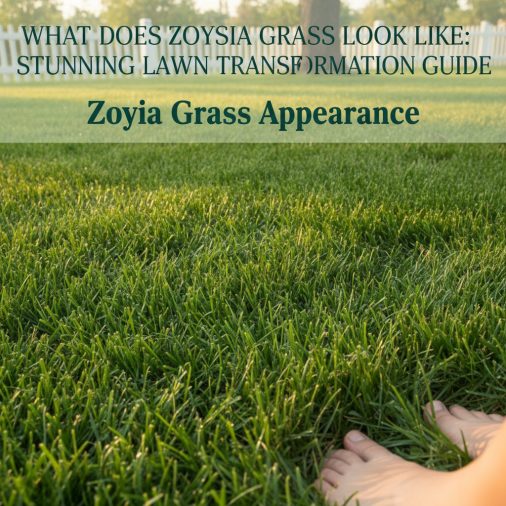
Zoysia grass has a unique appearance that makes it popular for lawns and landscapes. It shows a dense, lush look that feels soft underfoot. This grass type stands out with its fine texture and rich colors. Understanding its look helps you decide if it fits your outdoor space.
Blade Texture And Color
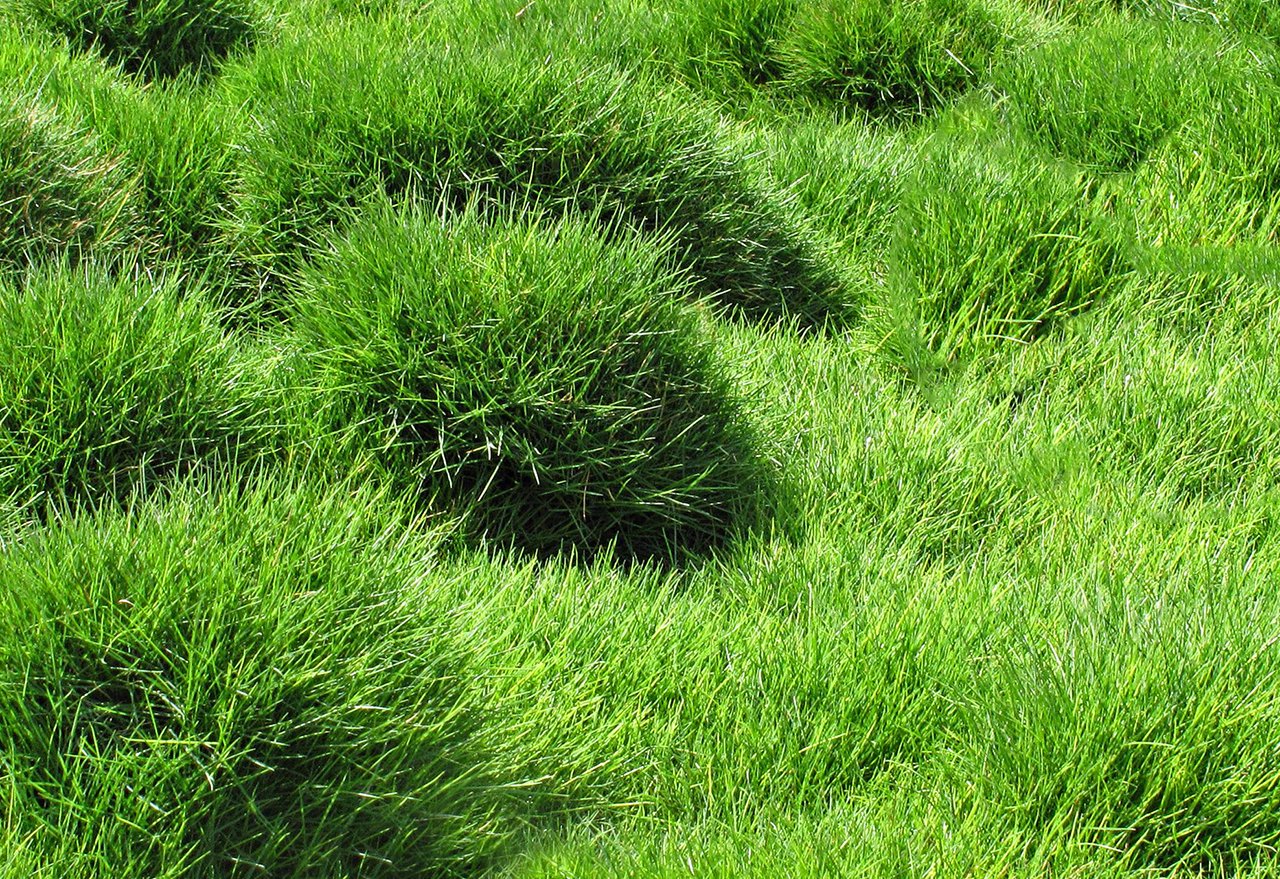
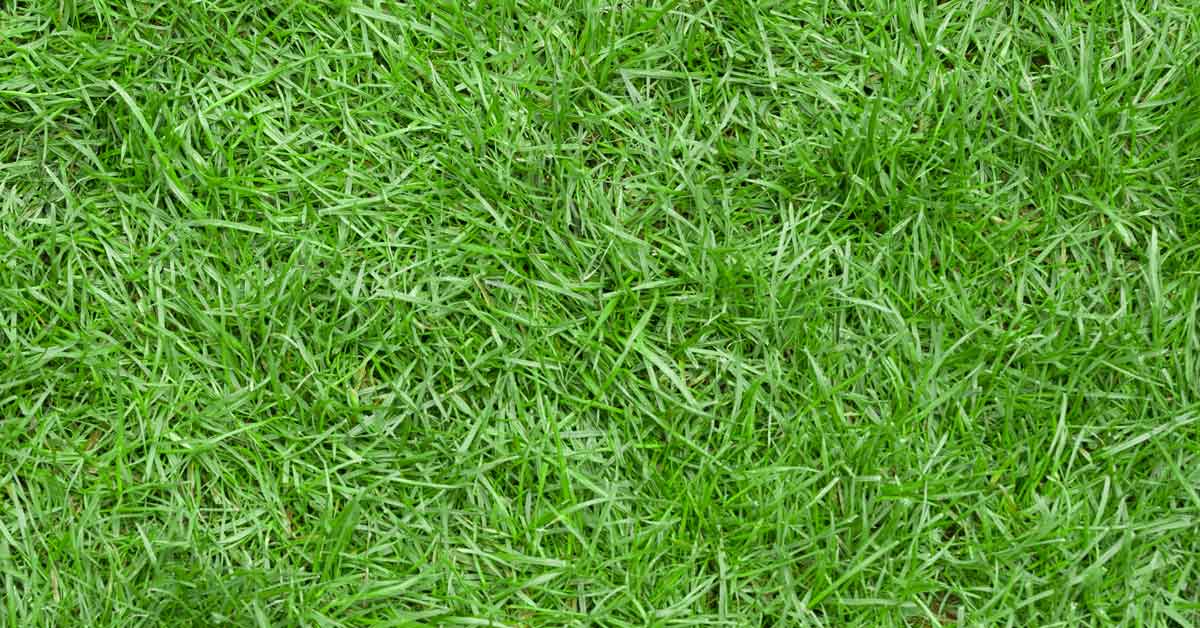
Zoysia grass blades are thin and soft. They feel smooth and gentle to touch. The color ranges from light green to deep green. Some varieties have a slight yellow tint. This mix of shades creates a natural, attractive lawn.
Growth Pattern
Zoysia grows in thick mats. It spreads slowly but fills gaps well. The grass forms a dense carpet that resists weeds. Its growth is steady and even across the lawn. This pattern helps keep the soil cool and moist.
Seasonal Changes
Zoysia grass changes with the seasons. It stays green during warm months. In cooler weather, it can turn brown or dormant. The grass recovers quickly once temperatures rise. This cycle adds natural rhythm to your yard.
Credit: www.whygoodnature.com
Benefits Of Zoysia Grass
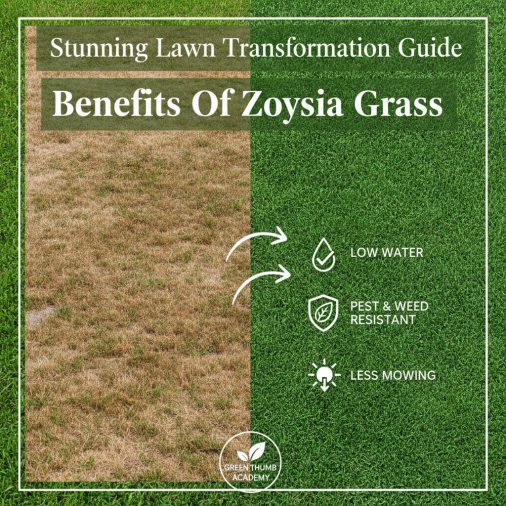
Zoysia grass offers many benefits that make it a popular choice for lawns. Its unique features help it thrive in various conditions. This grass is perfect for people who want a healthy, green lawn with less effort.
Below are some key benefits of Zoysia grass that show why it stands out.
Drought Tolerance
Zoysia grass can survive long dry periods. It uses water very efficiently. This grass goes dormant in extreme drought but recovers quickly after rain. It saves you money on watering and keeps your lawn looking good.
Wear Resistance
Zoysia grass handles heavy foot traffic well. It grows thick and dense, creating a strong surface. This grass is ideal for yards with kids and pets. It recovers fast from damage and stays lush even with constant use.
Low Maintenance Needs
Zoysia grass needs less mowing and fertilizing than other grasses. It grows slowly, so you don’t have to cut it often. It also resists many weeds, reducing the need for chemicals. This grass saves time and effort for homeowners.
Preparing Your Lawn For Zoysia
Preparing your lawn for Zoysia grass ensures strong growth and a healthy yard. This grass needs a good base to spread well. Taking the right steps before planting saves time and effort later.
Soil Requirements
Zoysia grass grows best in soil with good drainage. It prefers soil that is sandy or loamy. The pH level should be between 6.0 and 7.0 for healthy roots. Testing soil helps know its condition. Add lime or sulfur to fix pH if needed. Fertile soil boosts grass growth and color.
Clearing Existing Grass
Remove old grass completely before planting Zoysia. Kill weeds and grass using a herbicide or by digging. Clearing stops competition for water and nutrients. Make sure to remove roots and debris. A clean area helps Zoysia grass spread fast and evenly.
Leveling The Surface
A flat lawn surface helps Zoysia grow evenly. Fill holes and low spots with soil or sand. Smooth out bumps to avoid water pooling. Use a rake or lawn roller to level the ground. Proper leveling prevents patchy growth and lawn damage.
Planting Methods
Planting Zoysia grass requires choosing the right method for your lawn. Each method has its own steps and benefits. Understanding these methods helps you grow a healthy, green lawn faster. Below are the three common ways to plant Zoysia grass.
Sodding
Sodding means laying down strips of grass that are already grown. It gives an instant green lawn look. The sod pieces are placed tightly together on prepared soil. Water the sod well to help roots settle into the ground. Sod is best for quick lawn results and prevents soil erosion. It can be more expensive than other methods.
Seeding
Seeding involves spreading Zoysia grass seeds on prepared soil. It is the cheapest way to plant Zoysia grass. Seeds need warmth and moisture to grow well. This method takes longer for the lawn to fill in. You must water the seeded area regularly to keep it moist. Seeding works well for large areas with time to grow.
Sprigging And Plugging
Sprigging uses small pieces of grass stems planted into the soil. Plugging means planting small patches of Zoysia grass spaced apart. Both methods take more time to cover the lawn fully. Roots grow from these pieces and spread to fill the space. These methods cost less than sodding but more than seeding. They work well on uneven or hard-to-reach spots.
Caring For Zoysia Lawns
Caring for Zoysia lawns requires attention to a few key tasks. These help keep the grass healthy and lush. Zoysia grass is tough but benefits from proper care. Regular watering, mowing, and fertilization make a big difference. Follow simple steps to enjoy a beautiful lawn all year.
Watering Schedule
Zoysia grass needs deep watering to grow strong roots. Water the lawn once or twice a week. Give about 1 inch of water each time. Early morning is the best time to water. Avoid watering in the evening to stop disease. Let the soil dry slightly between waterings.
Mowing Tips
Keep the mower blade sharp for clean cuts. Set the mower height between 1 and 2 inches. Cut no more than one-third of the grass height. Mow frequently during the growing season. Leave grass clippings on the lawn to add nutrients.
Fertilization
Feed Zoysia grass in spring and summer. Use a balanced fertilizer with nitrogen, phosphorus, and potassium. Follow package instructions for application amounts. Avoid over-fertilizing to prevent burning the grass. Fertilize again in late summer for best results.
Credit: www.pennington.com
Troubleshooting Common Issues
Zoysia grass is hardy but not immune to problems. Homeowners may face issues that affect its health and appearance. Understanding common problems helps keep the lawn green and healthy. Below are key tips for troubleshooting common Zoysia grass issues.
Pest Control
Pests like chinch bugs and grubs can damage Zoysia grass quickly. Watch for brown patches or thinning areas. Use insecticides labeled for Zoysia grass to control pests. Natural predators like birds can help reduce pest numbers. Regular lawn mowing and watering keep pests away.
Disease Management
Diseases such as brown patch or dollar spot may appear on Zoysia grass. These cause yellow or brown spots on the lawn. Avoid overwatering and improve air circulation to prevent disease. Fungicides can treat severe infections. Remove infected grass to stop spread.
Dealing With Thatch
Thatch is a layer of dead grass between soil and live grass. Too much thatch blocks water and nutrients. Use a dethatcher or rake to remove excess thatch. Aerate the lawn to improve soil health. Regular maintenance prevents thick thatch buildup.
Zoysia Grass Lawn Transformation
Zoysia grass can transform any dull lawn into a lush green space. Its thick, dense blades create a soft carpet that feels great underfoot. This transformation is not just about looks but also about improving lawn health and durability.
Many homeowners choose Zoysia grass because it fills in bare spots quickly. It also resists weeds better than many other grasses. The overall effect is a clean, polished lawn that enhances any home’s appearance.
Before And After Results
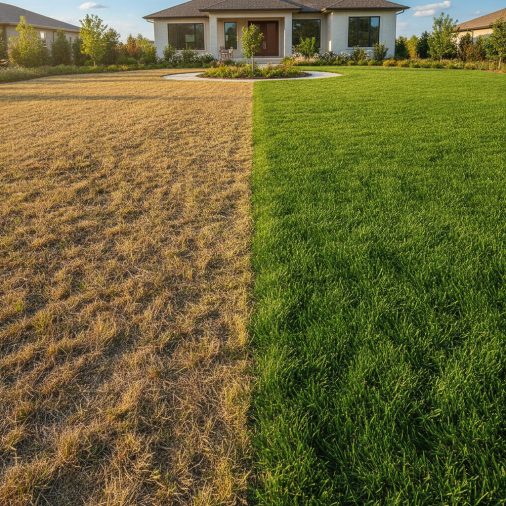
Before Zoysia grass, lawns often appear patchy and dry. Bare soil and weeds are common problems. After planting, the grass grows thick and covers the ground evenly.
Over time, the lawn looks greener and healthier. The dense grass blocks weeds from growing. The result is a smooth, green surface that stays beautiful all season.
Timeframe For Growth
Zoysia grass grows slowly but steadily. It usually takes several months to cover a lawn fully. You can expect noticeable growth within the first two to three months.
Full lawn coverage may take up to one growing season. Regular watering and proper care help speed up growth. Patience is key to achieving a perfect Zoysia lawn.
Enhancing Curb Appeal
A Zoysia lawn instantly improves a home’s curb appeal. The rich green color creates a welcoming look. Well-maintained grass shows pride in home care.
Thick grass also adds value to your property. It creates a neat, attractive yard for guests and passersby. A Zoysia lawn stands out in any neighborhood.

Credit: www.willislawnservices.com
Frequently Asked Questions
What Does Zoysia Grass Look Like?
Zoysia grass features dense, fine-textured blades with a rich green color. Its thick growth forms a lush, carpet-like lawn that feels soft underfoot and resists weeds effectively.
How Can I Identify Zoysia Grass Blades?
Zoysia blades are narrow, flat, and dark green. They grow densely, creating a uniform surface. The grass often has a slightly coarse texture compared to other turf grasses.
Does Zoysia Grass Change Color Seasonally?
Yes, Zoysia grass turns brown in winter due to dormancy. It regains its vibrant green color in spring and summer with warmer temperatures and sunlight.
How Thick Is Zoysia Grass Growth?
Zoysia grass grows thick and dense, forming a tight turf. This density helps it crowd out weeds and withstand foot traffic well.
Conclusion
Zoysia grass has a thick, soft texture and green color. It grows slowly but forms a dense lawn. This grass stays green in warm weather and resists weeds well. It needs moderate water and sunlight to thrive. Zoysia grass suits many yard types and climates.
Choose it for a low-maintenance, attractive lawn. Understanding its look helps you decide if it fits your garden. A healthy Zoysia lawn adds beauty and comfort to outdoor spaces. Simple care keeps it lush and strong all year.
