
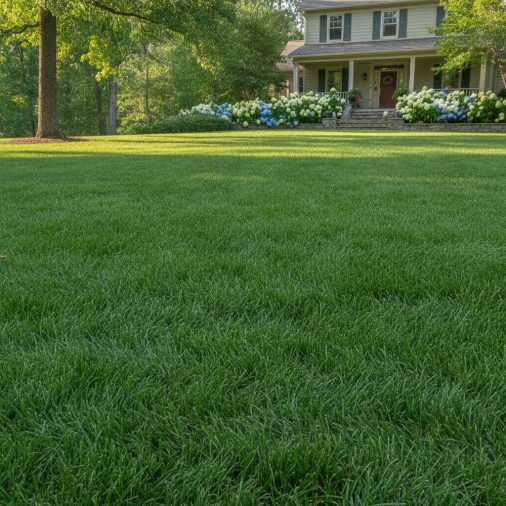
Choosing the right type of Zoysia grass can make all the difference for your lawn’s health and beauty. You want a grass that looks great, feels soft under your feet, and stands strong through heat and wear.
But with several varieties available, how do you know which one fits your yard best? This guide will help you discover the perfect Zoysia grass for your needs, so your lawn becomes the envy of the neighborhood. Keep reading, and you’ll find the key to a lush, green lawn that thrives year-round.

Credit: thegrassstore.com
Zoysia Grass Varieties
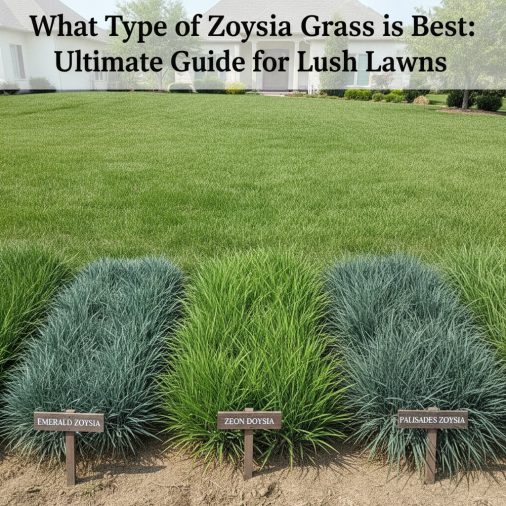
Zoysia grass offers several varieties, each with unique traits. Choosing the right type depends on your climate, soil, and lawn needs. Some varieties are soft and dense, while others are tougher and more drought-resistant.
Understanding each variety helps you pick the best grass for your yard. Below are popular Zoysia grass types and their features.
Common Zoysia
Common Zoysia is the original type, known for its thick growth. It handles foot traffic well and stays green in warm weather. It grows slowly, which means less mowing. It is also drought tolerant but may thin out in cold winters.
Emerald Zoysia
Emerald Zoysia is soft and fine-textured. It creates a lush, carpet-like lawn. It grows faster than Common Zoysia, so it needs more mowing. It prefers sunny areas and well-drained soil. This variety is popular for its deep green color.
Zenith Zoysia
Zenith Zoysia is a hybrid variety, combining toughness and beauty. It resists heat, drought, and cold better than others. It recovers quickly from damage and tolerates shade well. It has medium blade width and a rich green color.
Meyer Zoysia
Meyer Zoysia is very cold hardy. It grows well in northern climates. It forms a dense turf that resists weeds. It has medium texture and stays green longer in cool weather. Meyer requires moderate watering and mowing.

Credit: zoysiasod.com
Growth Patterns And Appearance
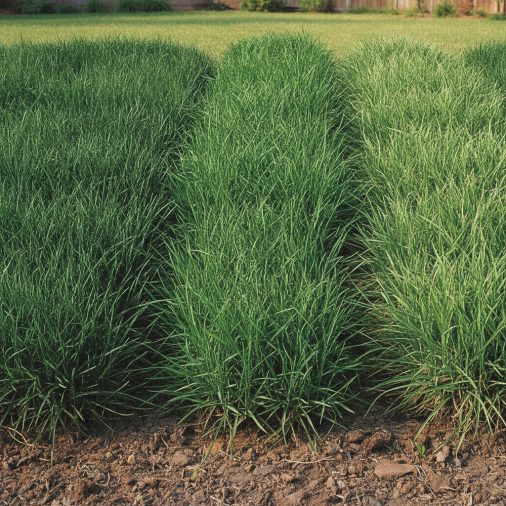
The growth patterns and appearance of Zoysia grass play a key role in choosing the best type for your lawn. Each variety shows unique traits in texture, color, and how fast it grows. These features affect the lawn’s look and how it handles different environments. Understanding these details helps you pick the right Zoysia grass.
Texture And Color Differences
Zoysia grass types vary in leaf texture. Some have fine, soft blades that feel smooth underfoot. Others have thicker, coarser leaves. Color also changes from light to dark green shades. Fine-textured types usually have a rich, deep green color. Coarser types tend to be lighter green. Your choice depends on the lawn’s style and feel you prefer.
Growth Rate And Density
The speed at which Zoysia grass spreads differs by type. Some grow quickly, filling bare spots fast. Others spread slowly but create a dense, thick lawn. Dense growth helps keep weeds out and protects soil. Fast growers need more frequent mowing. Slow growers require less maintenance but take time to establish.
Shade And Sun Tolerance
Zoysia grass also varies in sun and shade tolerance. Some types thrive under full sun, needing at least six hours daily. Others handle partial shade well, growing in spots with less light. Knowing the light in your lawn area guides the best grass choice. Shade-tolerant types keep green color even in low light.
Climate Adaptability
Zoysia grass is popular for many lawns. Its ability to adjust to different climates matters a lot. Choosing the right type depends on how well it handles heat, cold, and local weather. This helps your grass stay green and healthy.
Warm Season Performance
Zoysia grass grows best in warm weather. It thrives in hot summer months and resists drought well. Some types, like Zoysia japonica, handle heat very well. They keep their color and stay thick under strong sun. Warm season growth means less watering and care.
Cold Tolerance Levels
Cold weather affects Zoysia grass differently. Some types survive frost and light freezes better. Zoysia japonica is more cold-tolerant than Zoysia matrella. Grass that handles cold stays green longer in winter. Knowing cold tolerance helps pick the right grass for your area.
Regional Suitability
Different Zoysia types suit different regions. Zoysia japonica fits northern and cooler southern areas. Zoysia matrella grows well in warmer southern states. Coastal areas may prefer fine-textured Zoysia types. Choosing regional types reduces grass problems and boosts growth.
Maintenance Needs
Zoysia grass types differ in how much care they need. Understanding maintenance helps choose the best type for your yard.
Some varieties need less water and mowing. Others resist pests better. This affects your time and cost for lawn care.
Watering Requirements
Zoysia grass is drought-tolerant but needs regular watering at first. Once settled, it needs less water than many grasses.
Some types, like Zoysia matrella, handle dry spells better. They stay green with less frequent watering.
Heavy watering can cause shallow roots and disease. Water deeply but less often for best results.
Mowing And Fertilizing
Zoysia grows slowly, so it needs less mowing. Set mower blade high to avoid stress on grass.
Fertilize lightly but often during growing season. Over-fertilizing can burn the grass or cause thatch build-up.
Emerald Zoysia requires less fertilizer than other types. It keeps a dense, green lawn with moderate care.
Pest And Disease Resistance
Most Zoysia types resist pests well. They have thick blades that keep insects away.
Watch for fungal diseases in wet conditions. Proper watering and mowing reduce these risks.
Some varieties, like Zoysia japonica, show stronger disease resistance. This lowers the need for chemical treatments.
Choosing Based On Lawn Use
Choosing the right type of Zoysia grass depends on how you use your lawn. Different types of Zoysia handle wear, look, and weather differently. Picking the right one makes your lawn healthy and beautiful. Consider your lawn’s main purpose before deciding.
High Traffic Areas
For lawns with heavy foot traffic, select a tough Zoysia type. This grass recovers fast from damage. It stays green and thick despite constant use. Choose varieties like Zenith or Empire. These types resist wear and keep their color well.
Ornamental Lawns
Ornamental lawns need a fine, soft grass that looks neat. Zoysia types like Meyer or Emerald have a fine texture. They create a lush, carpet-like surface. These grasses grow evenly and have rich green color. Perfect for gardens and show lawns.
Drought-prone Zones
In dry areas, choose drought-tolerant Zoysia types. These grasses use water efficiently and survive dry spells. Varieties such as Zoysia japonica handle drought well. They stay green longer without much watering. Ideal for saving water and reducing lawn care.
Credit: a1grass.com
Establishment Methods
Choosing the right way to plant Zoysia grass affects how fast it grows and how strong it becomes. Different methods work better for different lawns and budgets. Knowing these can help you pick the best start for your grass.
Each method has its own steps and results. Some are quick but cost more. Others take longer but save money. Let’s explore the main ways to establish Zoysia grass.
Seeding Vs. Sodding
Seeding means planting grass seeds directly on the soil. It is cheaper but slower. Seeds take weeks to sprout and fill in. You must water often to keep seeds alive.
Sodding uses ready-made grass sheets. This method shows instant green color. It costs more but gives fast results. Sod roots quickly and controls soil erosion well.
Plugging And Sprigging
Plugging plants small grass pieces spaced apart. These plugs grow and spread over time. It is less costly than sod but slower to fill in.
Sprigging spreads grass stems without soil. It needs good care and watering. Sprigs take longer to root but use less material than plugs.
Cost And Time Considerations
Sodding costs the most but saves time. You get a full lawn in days. Seeding is the cheapest but slowest. It takes months to see full coverage.
Plugging and sprigging fall between seeding and sodding. They need more patience and work. Choose based on your budget and how soon you want green grass.
Common Challenges With Zoysia
Zoysia grass is popular for its thick, lush green look. It grows slowly and spreads well, making it a favorite for many lawns. Yet, it has some common problems that can affect its health and appearance. Knowing these challenges helps keep your lawn healthy and green.
Thatch Build-up
Zoysia grass tends to develop thatch quickly. Thatch is a layer of dead grass and roots. It blocks water and nutrients from reaching the soil. This can make the grass weak and dry. Regular raking or dethatching helps control this problem. Removing thatch allows the grass to breathe and grow well.
Weed Control
Zoysia is dense but still can have weed problems. Weeds compete for water and nutrients. They make the lawn look messy and unhealthy. Use a selective herbicide made for Zoysia grass. Pull out weeds by hand if you see them early. Keeping the lawn thick helps stop weeds from growing.
Recovery From Damage
Zoysia grass recovers slowly from damage. Heavy foot traffic, pets, or mowing mistakes can harm it. The grass fills bare spots but takes time. Avoid walking on wet grass to reduce damage. Water and fertilize the lawn to help it heal faster. Patience is key for a strong Zoysia lawn.
Expert Tips For Lush Zoysia Lawns
Creating a lush Zoysia lawn takes care and attention. Small steps make a big difference. Experts share key tips to keep your grass green and thick. Follow these simple methods to enjoy a healthy yard all year.
Soil Preparation
Good soil is the base for strong Zoysia grass. Start by testing the soil pH. Zoysia prefers a pH between 6.0 and 7.0. Remove rocks, weeds, and debris from the area. Add organic matter like compost to improve soil texture. Loosen the soil to help roots grow deep. Level the ground to avoid water pooling.
Seasonal Care
Zoysia grass grows best in warm seasons. Water deeply but less often to encourage strong roots. Mow regularly to keep the grass at 1 to 2 inches. Fertilize in spring and summer with a balanced fertilizer. Reduce watering in cooler months. Watch for pests and diseases, and treat them early.
Long-term Maintenance Strategies
Keep your Zoysia lawn thick to stop weeds. Aerate the soil once a year to improve air flow. Overseed bare spots in late spring or early summer. Avoid heavy foot traffic during hot weather. Use sharp mower blades to prevent damage. Regular care helps your lawn stay lush for years.
Frequently Asked Questions
What Are The Different Types Of Zoysia Grass?
Zoysia grass types include Meyer, Emerald, and Zenith. Each type varies in texture, color, and cold tolerance, fitting different climates and lawn needs.
Which Zoysia Grass Grows Best In Shady Areas?
Emerald Zoysia thrives best in partial shade. It tolerates shade better than Meyer and Zenith, making it ideal for lawns with limited sunlight.
How Do I Choose The Best Zoysia Grass For My Lawn?
Consider climate, soil type, and sun exposure. Meyer suits cooler regions, Emerald prefers warm climates, and Zenith offers a balance for moderate zones.
Is Zoysia Grass Drought-resistant?
Yes, Zoysia grass is drought-tolerant. It requires less water than many grasses, making it suitable for areas with water restrictions or dry climates.
Conclusion
Choosing the right Zoysia grass depends on your lawn needs. Each type offers unique benefits for different climates and soils. Think about how much care you can give and your budget. Some types grow slower but need less water. Others spread fast but may need more mowing.
Pick the type that fits your lifestyle and environment best. A healthy lawn starts with the right grass choice. Enjoy a green, soft yard all year round with Zoysia grass.
