
Bermuda grass is highly drought tolerant, thanks to its deep roots and efficient water use. It can survive extended dry periods by going dormant and quickly bounces back when moisture returns. This resilience makes it a top choice for lawns in hot, dry climates where water conservation is important.
Are you tired of watching your lawn turn brown and patchy every time the weather gets dry? If you’re considering Bermuda grass for your yard, you probably want to know—how well does it handle drought?
Understanding whether Bermuda grass is drought tolerant can save you time, money, and frustration. You’ll discover the truth about Bermuda grass’s ability to survive dry spells and what you can do to keep your lawn looking green and healthy, even when water is scarce.
Keep reading to find out if Bermuda grass is the right choice for your drought-prone lawn.
Bermuda Grass Basics
Bermuda grass is a popular choice for lawns and sports fields. It grows fast and covers ground well. This grass is known for its durability and ability to handle tough conditions. Understanding its basic traits helps decide if it suits your yard.
Many people wonder if Bermuda grass can survive without much water. Learning about its growth habits, climate needs, and soil preferences gives a clearer answer.
Growth Habits
Bermuda grass spreads quickly through runners called stolons and underground stems called rhizomes. This helps it fill bare spots fast. It stays green in warm months and goes dormant in cold weather. The grass grows low to the ground, making it easy to mow.
Climate Preferences
This grass thrives in warm and sunny places. It needs full sun for at least six hours daily. Bermuda grass handles heat well but struggles in shade. It grows best in temperatures between 75°F and 95°F. Cold winters can make it turn brown and stop growing.
Soil Requirements
Bermuda grass prefers well-drained soils with a pH between 5.8 and 7.0. It can grow in sandy or loamy soil types. Too much clay or poor drainage slows its growth. Regular fertilizing helps keep the grass thick and healthy.
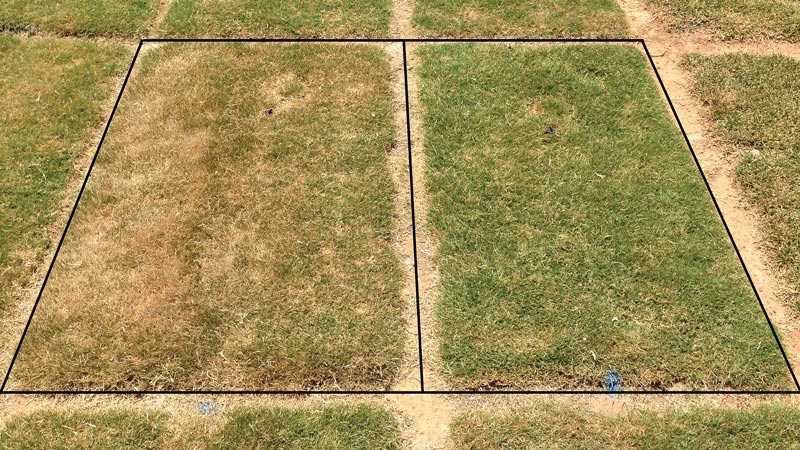
Credit: gcmonline.com
Drought Tolerance Traits
Bermuda grass is known for its ability to survive dry conditions. Its drought tolerance traits help it stay green and healthy. These traits make it a popular choice in areas with low water supply. Understanding these traits helps gardeners and landscapers manage Bermuda grass better.
Water Use Efficiency
Bermuda grass uses water very efficiently. It absorbs and stores water quickly. The grass reduces water loss by closing tiny pores on its leaves. This helps it keep moisture during hot, dry days. Efficient water use means less irrigation is needed.
Root System Adaptations
The roots of Bermuda grass grow deep into the soil. Deep roots reach water far below the surface. This helps the grass survive longer dry periods. The roots also spread wide, absorbing more water. Strong root systems support growth even in drought.
Recovery After Drought
Bermuda grass can bounce back fast after drought. It stays alive by going dormant during extreme dryness. When rain returns, it quickly regrows leaves and stems. This fast recovery keeps lawns green and healthy. It makes Bermuda grass resilient in dry climates.
Comparing Bermuda Grass To Other Lawns
Comparing Bermuda grass to other lawns helps understand its strengths and weaknesses. Different grasses behave differently in drought and need various levels of care. Costs also vary between grass types. This comparison aids in choosing the right lawn for dry areas.
Drought Resistance Levels
Bermuda grass shows strong drought tolerance. It survives long dry periods better than many other grasses. Kentucky bluegrass and fescue need more water. Zoysia grass has similar drought resistance but grows slower. Bermuda recovers quickly after drought stress. It stores water in its roots well.
Maintenance Needs
Bermuda grass requires moderate care. It grows fast and needs regular mowing. Fertilizing helps it stay healthy. Some lawns like buffalo grass need less mowing. Fescue lawns require more watering and shade. Bermuda handles heat and sun better than most. It also repairs bare spots faster.
Cost Considerations
Planting Bermuda grass can be cost-effective. It spreads quickly, reducing seeding costs. It needs less water, lowering irrigation bills. Some grasses like zoysia can be more expensive to establish. High-maintenance lawns may increase fertilizer and water costs. Bermuda offers good value for dry, sunny areas.

Credit: www.kernturfsupply.com
Tips To Enhance Drought Resistance
Improving Bermuda grass drought resistance helps keep your lawn green longer. Simple care steps make a big difference during dry periods. These tips help the grass survive with less water.
Proper Watering Techniques
Water deeply and less often to encourage strong roots. Early morning watering reduces evaporation and water waste. Avoid frequent shallow watering that weakens roots.
Soil Improvement Strategies
Healthy soil holds water better and supports grass growth. Add organic matter like compost to improve soil texture. Aerate the soil to allow water and air to reach roots.
Mowing And Fertilizing Practices
Keep grass blades longer to shade soil and reduce water loss. Use a sharp mower blade for clean cuts and less stress. Apply fertilizer in small amounts to avoid overfeeding the lawn.
Signs Of Drought Stress In Bermuda Grass
Bermuda grass is known for its heat tolerance, but drought can still affect its health. Recognizing drought stress early helps protect your lawn. Watch for clear signs in color, growth, and texture. These signs tell you when your grass needs water or care.
Color Changes
Bermuda grass under drought stress loses its rich green color. It turns pale green or yellow. These color changes show the grass is not getting enough water. Early color shifts are a warning to act fast.
Growth Slowdown
Healthy Bermuda grass grows quickly in warm weather. Drought stress slows down this growth. Grass blades become shorter and thinner. Slower growth means the grass struggles to survive with less water.
Patchy Areas
Dry spots appear as brown or dead patches in the lawn. These patches grow larger if drought continues. Patchy areas show the grass roots are damaged or dying. Spotting patches early helps save the lawn with proper care.
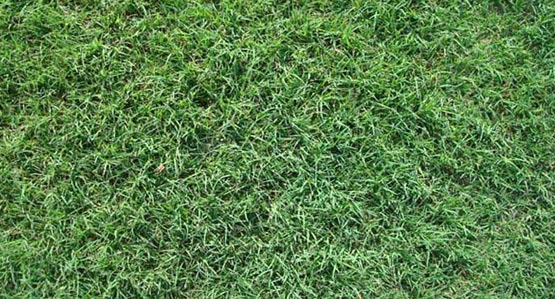
Credit: parkavenueturf.com
Recovery And Care After Drought
After a drought, Bermuda grass needs special care to bounce back strong. Drought can stress the grass, causing brown patches and slow growth. Proper recovery steps help restore its health and green color. Focus on watering, soil health, and feeding to support the grass’s comeback.
Irrigation Scheduling
Water Bermuda grass deeply but less often. This encourages strong roots to grow deep into the soil. Avoid shallow watering, which weakens roots and wastes water. Early morning is the best time to water. It reduces evaporation and helps grass absorb moisture better.
Aeration Benefits
Aerate the lawn to improve soil air and water flow. It breaks up compacted soil that blocks roots from getting oxygen. Aeration also helps water reach deep roots faster. Use a spike or plug aerator for best results. Do this after watering or rain for easier soil penetration.
Fertilizer Application
Apply fertilizer carefully to boost Bermuda grass growth. Use a balanced fertilizer with nitrogen, phosphorus, and potassium. Fertilizing after watering helps nutrients soak into the soil. Avoid over-fertilizing, which can harm stressed grass. Follow package directions and space applications to feed the grass properly.
Choosing Bermuda Grass Varieties
Choosing the right Bermuda grass variety is key for a healthy lawn. Different types handle drought better than others. This choice affects how well your grass grows and survives dry spells. Understanding the options helps pick the best fit for your needs.
Drought-tolerant Cultivars
Some Bermuda grass types handle drought better. They have deeper roots and use water more wisely. Varieties like Tifway 419 and Celebration are good examples. These cultivars stay green longer in dry conditions. They reduce the need for frequent watering.
Regional Suitability
Climate matters when choosing Bermuda grass. Some types grow better in hot, dry areas. Others thrive in humid or cooler zones. Knowing your region’s weather helps pick the right variety. This ensures the grass survives and looks good year-round.
Seed Vs. Sod Options
Bermuda grass comes as seed or sod. Seeds are cheaper but take longer to grow. Sod gives instant green but costs more. Sod also helps reduce erosion quickly. Choosing depends on budget, patience, and lawn size.
Frequently Asked Questions
Is Bermuda Grass Drought Tolerant?
Yes, Bermuda grass is highly drought tolerant. It has deep roots that help it survive dry conditions. This makes it a great choice for hot, dry climates.
How Often Should Bermuda Grass Be Watered?
Water Bermuda grass deeply but infrequently. Aim for 1 inch of water per week. This encourages deep root growth and improves drought resistance.
Can Bermuda Grass Survive Without Water?
Bermuda grass can survive short dry spells. However, prolonged drought will cause it to go dormant or brown. Regular watering is needed for a healthy lawn.
Does Bermuda Grass Need Special Care In Drought?
During drought, reduce mowing frequency and height. Avoid excessive fertilization. These steps help Bermuda grass conserve moisture and recover faster after dry periods.
Conclusion
Bermuda grass handles dry spells better than many grasses. It stays green with less water once established. This makes it a smart choice for warm, dry areas. Still, regular watering helps it grow strong and healthy. Mowing it at the right height also supports drought resistance.
Choose Bermuda grass if you want a lawn that can survive tough conditions. It saves water and stays attractive through dry times. Simple care keeps it looking its best all season.
