


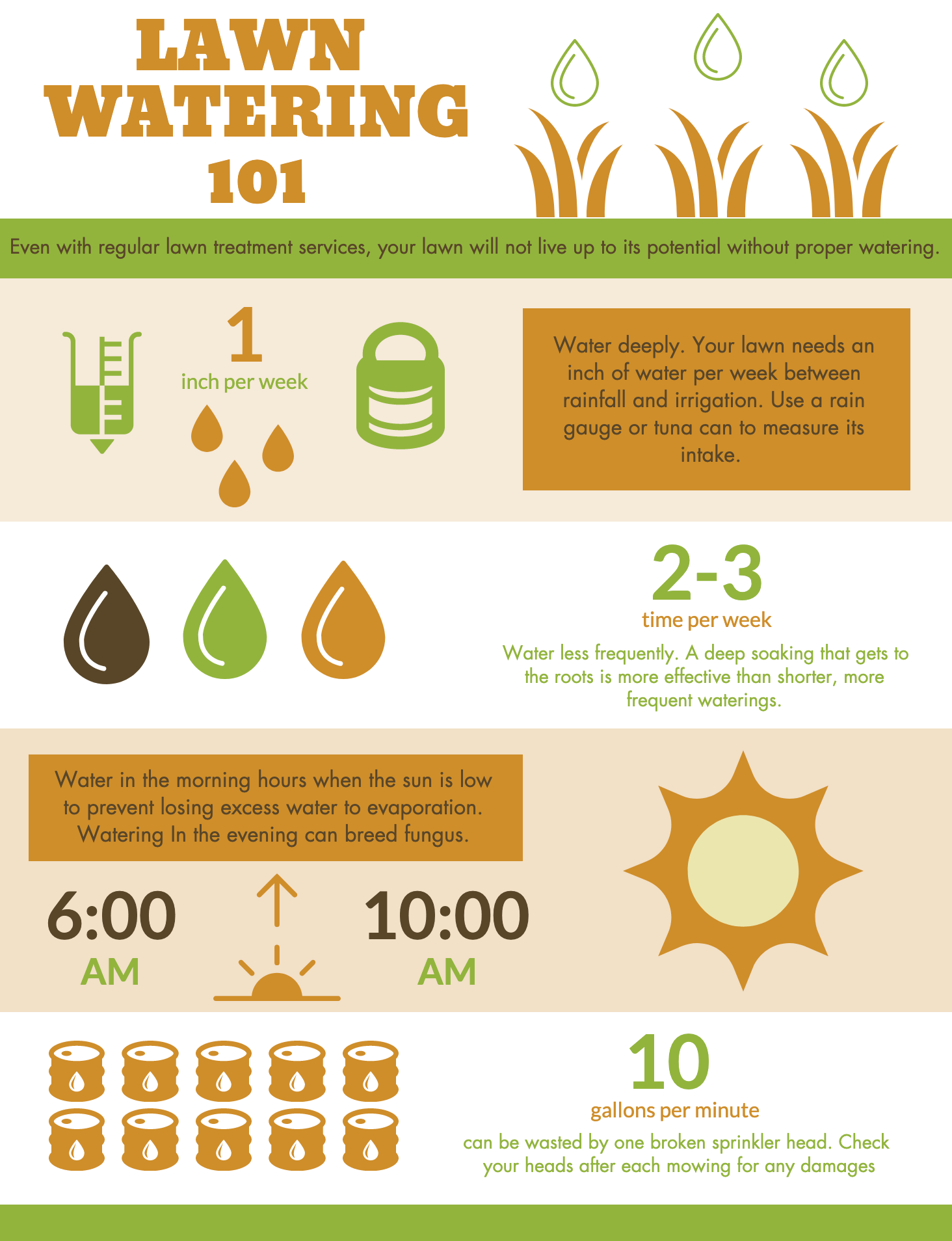
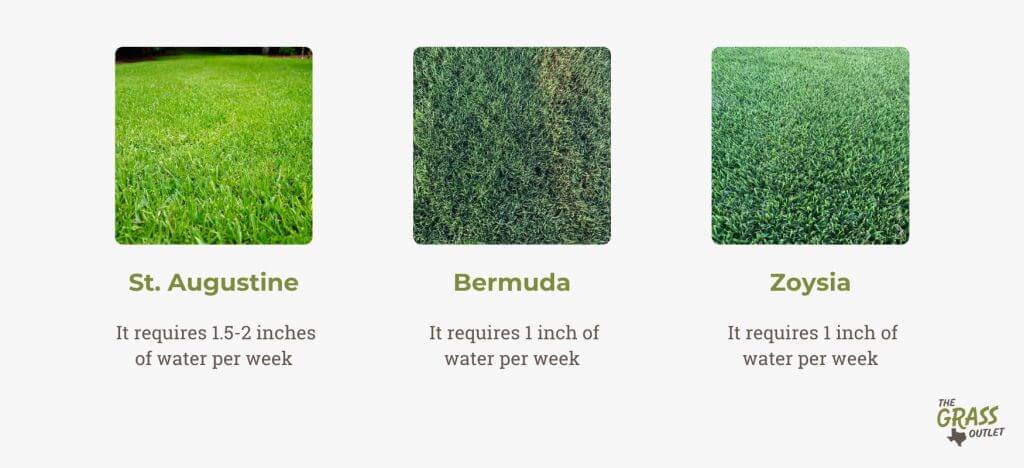
Bermuda grass should be watered deeply about once or twice a week, aiming for roughly one inch of water each week. This encourages strong root growth and keeps the lawn healthy. Adjust the schedule depending on the season and rainfall, watering more in hot, dry periods and less when it’s cooler or wet.
Are you wondering how often to water your Bermuda grass to keep it lush and green? Getting the watering right can make all the difference between a thriving lawn and a patchy, dry yard.
Too much water wastes time and resources, while too little leaves your grass struggling. You’ll discover simple, clear advice on the perfect watering schedule for Bermuda grass—helping you save water, time, and effort while creating the beautiful lawn you want.
Keep reading to unlock the secrets to healthy, vibrant Bermuda grass all year round.
Credit: southernlawns.net
Bermuda Grass Basics
Bermuda grass is a popular choice for lawns and sports fields. It grows fast and stays green in warm weather. Understanding its basics helps you care for it well.
Knowing what makes Bermuda grass unique allows better watering and maintenance. This section covers its main traits and preferred conditions.
Characteristics Of Bermuda Grass
Bermuda grass has fine, soft blades. It spreads quickly through runners and underground stems. This helps it cover bare spots fast. It tolerates heavy foot traffic well. The grass turns brown in cold weather but recovers in spring.
Climate And Soil Preferences
Bermuda grass thrives in warm climates with full sun. It grows best where temperatures stay above 65°F most of the year. It prefers sandy or loamy soils that drain well. The grass does not do well in shade or very wet soil. Proper soil helps Bermuda grass absorb water efficiently.

Credit: www.youtube.com
Water Needs For Bermuda Grass
Bermuda grass thrives with the right amount of water. Knowing its water needs helps keep it green and healthy. Water too little, and it turns brown and weak. Water too much, and it may develop disease or shallow roots. Finding the balance is key to a lush lawn.
Daily Vs. Weekly Watering
Daily watering is usually not needed for Bermuda grass. This grass prefers deep, less frequent watering. Watering once or twice a week promotes strong roots. Shallow daily watering encourages weak roots and disease. Aim to soak the soil about 1 inch per week. This deep watering keeps Bermuda grass strong.
Seasonal Watering Adjustments
Bermuda grass needs more water in hot, dry months. Summer demands frequent watering to prevent stress. In cooler months, reduce watering to avoid overwatering. Rainfall also affects how often to water. Adjust watering based on weather and season changes. Proper seasonal care keeps Bermuda grass healthy year-round.
Signs Of Overwatering And Underwatering
Watering Bermuda grass correctly keeps it healthy and green. Too much or too little water can harm the grass. It is important to spot signs of overwatering or underwatering early. This helps you adjust watering and save your lawn.
Identifying Overwatered Grass
Overwatered Bermuda grass looks dull and weak. The blades may turn yellow or brown. Patches of grass can feel soft or mushy underfoot. You might see mold or fungus growing on the soil. The roots may start to rot from too much moisture. Overwatering also attracts pests that damage the grass.
Detecting Underwatered Grass
Underwatered grass turns dry and brittle. The color changes to light brown or gray. Grass blades curl up or shrink. The lawn feels hard and dusty. You may notice dead patches forming. Underwatering makes grass roots shallow and weak. The lawn looks patchy and lifeless without enough water.
Best Watering Techniques
Watering Bermuda grass properly helps keep it green and healthy. Using the best watering techniques saves water and prevents lawn problems. It also helps the grass grow strong roots and resist drought. Follow simple steps to water Bermuda grass the right way.
Optimal Time Of Day
Early morning is the best time to water Bermuda grass. The air is cooler, so less water evaporates. Watering early lets the grass dry during the day. This reduces the chance of fungus and diseases. Avoid watering in the evening or at night. Wet grass overnight invites mold and pests.
Irrigation Methods
Use sprinklers that provide even water coverage. Choose systems that deliver water slowly to avoid runoff. Hand watering with a hose and spray nozzle works well for small areas. Deep, infrequent watering encourages deep root growth. Shallow, frequent watering makes roots weak and shallow. Aim to water the grass about one inch per week.
Soil Moisture And Water Retention
Soil moisture and water retention are key for healthy Bermuda grass. Good soil holds enough water for roots without staying too wet. This balance helps grass grow strong and green. Knowing how to check and improve soil moisture saves water and keeps your lawn lush.
Testing Soil Moisture
Check soil moisture to know when to water Bermuda grass. Use a soil moisture meter or dig a small hole. Feel the soil about 4 inches deep. If it feels dry, watering is needed. Moist soil means wait before watering again. Testing soil helps avoid overwatering or underwatering.
Improving Water Retention
Improve soil water retention by adding organic matter like compost. This helps soil hold moisture longer. Aerate soil to reduce compaction and let water soak in. Mulching around grass keeps soil cooler and moist. Choose soil with good texture to balance drainage and retention. These steps keep Bermuda grass healthy with less water.
Watering Tips For Different Lawn Sizes
Watering Bermuda grass changes with lawn size. Different sizes need different care. Proper watering helps keep grass green and healthy. It also saves water and time. Below are tips for small and large lawns.
Small Lawns
Small lawns need less water than big ones. Water deeply but less often. Aim for about 1 inch of water each week. Water early in the morning to reduce evaporation. Use a watering can or hose with a spray nozzle. Check soil moisture to avoid overwatering. Small lawns dry out quickly, so watch for dry spots.
Large Lawns
Large lawns require more water and time. Use sprinklers to cover wide areas evenly. Water about 1 inch per week, but split into two sessions. Early morning watering works best. Check the sprinklers regularly for even coverage. Large lawns can develop dry patches if watering is uneven. Adjust watering based on weather and soil type.
Common Watering Mistakes To Avoid
Watering Bermuda grass correctly is key to a healthy lawn. Many people make common mistakes that hurt the grass more than help. Avoiding these errors saves water and keeps your lawn green and strong.
Understanding these mistakes helps you water smarter. Small changes in watering habits make a big difference.
Overwatering Bermuda Grass
Giving too much water causes roots to stay shallow. Shallow roots make the grass weak and dry out faster. Water only when the soil feels dry one inch below the surface.
Watering Too Often
Frequent watering wastes water and harms the grass. Bermuda grass needs deep, less frequent watering. Water deeply once or twice a week for best results.
Watering At The Wrong Time
Watering in the heat of the day causes water loss. Early morning is the best time to water. It reduces evaporation and helps roots absorb water better.
Ignoring Soil Type
Sandy soil drains quickly and needs more water. Clay soil holds water longer and needs less. Know your soil type to adjust watering amounts properly.
Not Adjusting Watering In Different Seasons
Bermuda grass needs less water in cooler months. Watering the same all year wastes water and risks disease. Change watering based on the season and weather conditions.
Credit: thegrassoutlet.com
Using Mulch And Fertilizers To Support Hydration
Using mulch and fertilizers plays a key role in keeping Bermuda grass well hydrated. These tools help the soil hold moisture longer. They also provide essential nutrients that help the grass grow strong. Proper hydration helps Bermuda grass stay green and healthy during dry periods.
Mulch Benefits
Mulch covers the soil surface and reduces water evaporation. It keeps the soil cooler in hot weather. Mulch also blocks weeds that steal water from Bermuda grass. Organic mulch breaks down and adds nutrients to the soil. This improves soil structure and water retention. Mulching reduces the need for frequent watering.
Fertilizer Impact On Water Needs
Fertilizers feed Bermuda grass with important nutrients. Healthy grass absorbs water better and grows deeper roots. Strong roots reach more water in the soil. Using the right fertilizer reduces water stress on the grass. Over-fertilizing can increase water needs by pushing fast growth. Balanced fertilization helps maintain steady hydration and growth.
Frequently Asked Questions
How Often Should I Water Bermuda Grass In Summer?
Water Bermuda grass 2-3 times per week during summer. Deep watering encourages strong roots and drought resistance. Avoid daily shallow watering to prevent weak growth and disease.
Can I Water Bermuda Grass Daily For Better Growth?
Daily watering is not recommended for Bermuda grass. It promotes shallow roots and fungal problems. Instead, water deeply 2-3 times a week to maintain healthy, resilient grass.
How Much Water Does Bermuda Grass Need Weekly?
Bermuda grass requires about 1 to 1. 25 inches of water weekly. This includes rainfall and irrigation. Water deeply in fewer sessions to encourage deep root growth.
When Is The Best Time To Water Bermuda Grass?
Water Bermuda grass early morning, between 6 AM and 10 AM. This reduces evaporation and fungal risks. Avoid watering in the evening to prevent prolonged moisture on blades.
Conclusion
Water Bermuda grass regularly to keep it healthy and green. Aim for deep, less frequent watering instead of many light sprays. Early morning is the best time to water to reduce evaporation. Adjust watering based on weather and soil type for best results.
Overwatering can harm roots, so watch for soggy spots. Proper watering helps Bermuda grass grow thick and strong. Follow these simple tips to maintain a lush lawn all season. Your grass will thank you with vibrant color and durability.
