

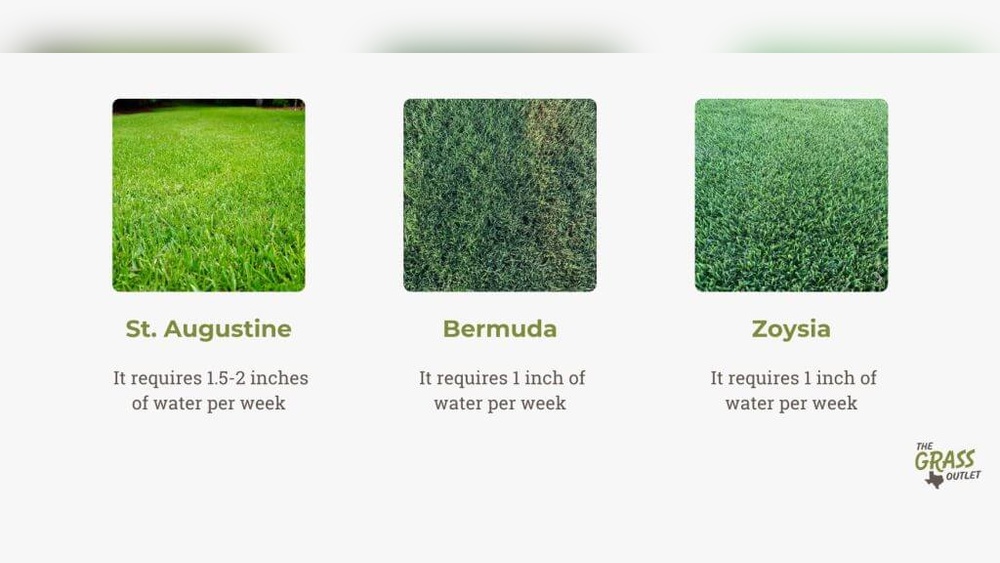
Bermuda grass typically needs about 1 to 1.5 inches of water per week, usually applied 2 to 3 times during hot months and less often in cooler seasons. Adjust watering based on rainfall, soil type, and climate to keep the lawn healthy without overwatering or underwatering.
Are you struggling to keep your Bermuda grass green and healthy? One of the most common questions is, “How often should I water my Bermuda grass?”
Watering too much or too little can harm your lawn, leaving it dry, patchy, or even dead. But don’t worry—knowing the right watering routine can make all the difference. You’ll discover simple tips to keep your Bermuda grass thriving, save water, and enjoy a lush, vibrant lawn all season long.
Keep reading to find out exactly how often you should water your Bermuda grass for the best results.
Ideal Watering Frequency
Knowing the right amount of water for Bermuda grass helps keep it healthy and green. Watering too little can dry out the grass. Watering too much can cause problems like root rot. Finding the ideal watering frequency is key to a beautiful lawn.
Different factors affect how often you should water Bermuda grass. These include the season, climate, and soil type. Understanding these helps you give the grass the water it needs without waste.
Seasonal Variations
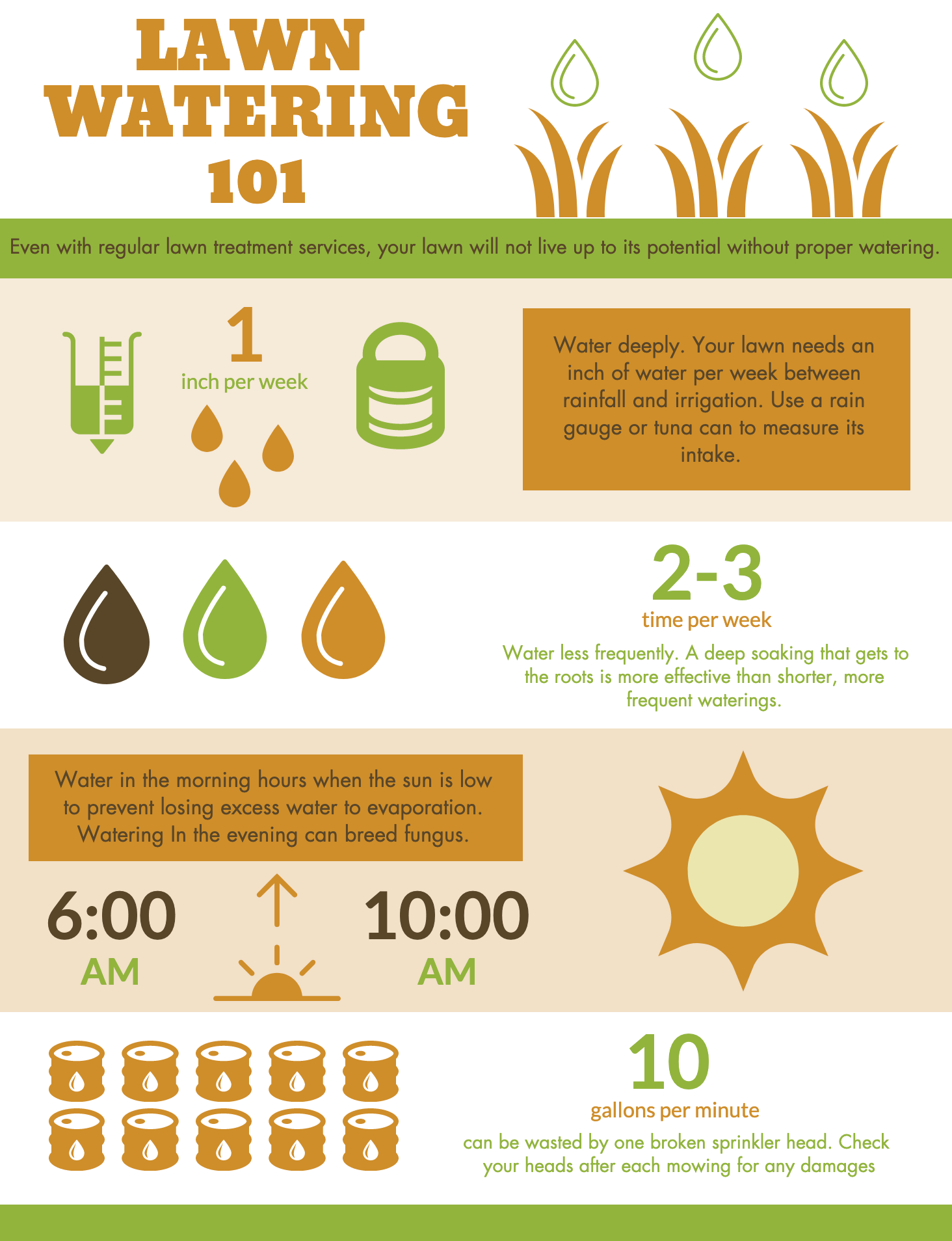
Bermuda grass needs more water during hot summer months. The heat makes the soil dry faster. Watering 2 to 3 times per week usually works well in summer. In cooler months, watering once a week is enough. The grass grows slower and uses less water in fall and winter.
Climate Impact
Dry climates need more frequent watering for Bermuda grass. The air pulls moisture from the soil quickly. In humid areas, watering less often is fine. Rainfall also changes watering needs. Adjust the schedule based on how much rain your area gets.
Soil Type Considerations
Sandy soils drain water fast and need more frequent watering. Clay soils hold water longer and need less watering. Loamy soils are balanced and need moderate watering. Check your soil type to plan the best watering schedule for your grass.
Credit: southernlawns.net
Signs Of Underwatering
Knowing the signs of underwatering helps keep Bermuda grass healthy. This grass needs regular water to stay green and strong. Without enough water, the grass shows clear signs of stress. Spotting these early signs can save your lawn from damage.
Grass Color Changes
Bermuda grass turns dull and yellow when it lacks water. The bright green color fades quickly. Patches may appear brown or dry. These color changes show the grass is thirsty.
Texture And Growth Patterns
Dry Bermuda grass feels rough and brittle. It stops growing evenly. Grass blades curl or fold inward. The lawn may look thin with bare spots.
Soil Dryness Indicators
Check soil moisture by touching it. Dry soil feels hard and crumbly. It pulls away from the edges of the lawn. Cracks in the soil surface may form. These signs mean the grass needs water soon.
Signs Of Overwatering
Overwatering Bermuda grass can cause serious problems. Knowing the signs helps keep your lawn healthy. Watch closely for changes in color, texture, and soil condition. These clues show you when watering goes too far.
Yellowing And Wilting
Yellow grass blades often mean too much water. The roots can’t get enough oxygen. Waterlogged soil suffocates roots, causing them to die. Wilted grass looks weak and limp. It may feel soft and mushy underfoot.
Fungal Growth Risks
Excess moisture creates a perfect home for fungi. Mold and mildew can spread quickly on wet grass. Brown or dark patches appear on the lawn. These spots often have a fuzzy or slimy texture. Fungi harm grass health and slow growth.
Soil Saturation Issues
Too much water makes soil too wet and heavy. Water pools on the surface or stays trapped below. This stops air from reaching the roots. Soil stays soggy for a long time after watering. It may smell sour or rotten. Saturated soil weakens grass and invites pests.
Best Time Of Day To Water
Choosing the right time of day to water Bermuda grass affects its health and growth. Watering at the best time helps the grass absorb moisture well. It also reduces water waste and prevents diseases. The two main times to water are morning and evening. Each has its own effects on the lawn.
Morning Benefits
Watering Bermuda grass in the morning gives the best results. The sun helps dry the grass quickly. This stops fungus and mold from growing. Morning watering lets the grass soak up water before the heat starts. Roots get strong and deep. The water does not evaporate fast, so grass stays hydrated longer.
Evening Watering Drawbacks
Watering in the evening can cause problems. The grass stays wet all night. This wetness invites diseases and fungus. Cool night air slows drying. Mold can grow on the blades. Wet grass also attracts pests. Evening watering wastes more water because evaporation is low but runoff can occur.
Watering Techniques
Watering techniques play a key role in keeping Bermuda grass healthy. Choosing the right method helps the grass grow strong roots and stay green. Different techniques suit different lawns and weather conditions. Understanding these methods helps you care for your Bermuda grass better.
Deep Vs Shallow Watering
Deep watering means giving the grass a good soak. Water reaches deep into the soil, encouraging roots to grow down. This makes the grass more drought-resistant and strong. Shallow watering only wets the top layer of soil. It causes roots to stay near the surface, making the grass weaker. Water Bermuda grass deeply but less often for best results.
Irrigation Systems
Irrigation systems can save time and water. Sprinklers and drip systems deliver water evenly across the lawn. Set timers to water early in the morning or late in the evening. This reduces water loss from evaporation. Check system coverage to avoid dry spots or overwatering. Regular maintenance keeps irrigation systems working well.
Manual Watering Tips
Manual watering works well for small lawns or spot watering. Use a hose with a spray nozzle for control. Water slowly to let moisture soak into the soil. Move the hose around to cover the entire lawn evenly. Avoid watering during the hottest part of the day. Early morning is the best time for manual watering.
Adjusting Watering For Lawn Health
Adjusting watering is key to keeping Bermuda grass healthy. The grass needs different amounts of water at different times. Understanding these changes helps avoid overwatering or underwatering. Both can harm your lawn.
Watch your lawn closely. Changes in weather and seasons affect its water needs. Adjust watering to match these changes. This helps Bermuda grass stay green and strong.
During Heat Waves
Heat waves dry out soil quickly. Bermuda grass needs more water to survive. Water early in the morning to reduce evaporation. Water deeply but less often to encourage deep roots. Avoid watering at night to prevent fungus growth.
After Rainfall
Rain adds water to your lawn naturally. Skip watering after heavy rain to avoid waterlogging. Check soil moisture before watering again. Overwatering after rain can drown roots and cause problems. Let the soil dry a little before the next watering.
Dormant Periods
Bermuda grass goes dormant in cold or dry weather. It needs less water during this time. Water only when soil is very dry. Too much water can cause disease or rot. Water sparingly to keep the roots alive and ready for growth.
Additional Care For Vibrant Bermuda Grass
Keeping Bermuda grass green and healthy needs more than just watering. Proper care helps it grow thick and strong. This section explains key steps for vibrant Bermuda grass.
Follow these tips to keep your lawn looking its best all year round.
Fertilization Schedules
Fertilize Bermuda grass during its growing season, usually spring through early fall. Use a balanced fertilizer with nitrogen, phosphorus, and potassium. Apply every 6 to 8 weeks for steady growth. Avoid over-fertilizing, which can harm the grass and waste nutrients.
Mowing Practices
Mow Bermuda grass often to keep it healthy and neat. Set mower blades to about 1 to 2 inches high. Keep blades sharp to avoid tearing the grass. Remove no more than one-third of the grass height at a time to reduce stress. Regular mowing encourages thick, lush turf.
Aeration Importance
Aerate soil once or twice a year to improve air, water, and nutrient flow. Use a core aerator to remove small plugs of soil. This helps roots grow deeper and stronger. Aeration reduces soil compaction and improves lawn health. Best times are in spring or early summer.
Credit: www.gilbertaz.gov

Credit: www.youtube.com
Frequently Asked Questions
How Often Should I Water Bermuda Grass Weekly?
Water Bermuda grass 2 to 3 times per week. Provide about 1 inch of water each session. Adjust frequency based on weather and soil conditions. This keeps the grass healthy without overwatering.
What Is The Best Time To Water Bermuda Grass?
Water early in the morning, between 6 AM and 10 AM. This timing reduces evaporation and fungal growth. Morning watering helps grass absorb moisture efficiently and stay hydrated throughout the day.
How Much Water Does Bermuda Grass Need Per Session?
Apply approximately 0. 5 to 1 inch of water per session. This amount ensures deep root growth and drought resistance. Avoid overwatering, which can cause shallow roots and disease.
Can I Water Bermuda Grass Daily In Summer?
Daily watering is unnecessary and may harm the lawn. Bermuda grass thrives with deep, infrequent watering. Water 2-3 times weekly in summer to promote strong roots and conserve water.
Conclusion
Watering Bermuda grass right keeps it green and healthy. Water deeply but not too often. Early morning is the best time to water. Watch your grass for signs of thirst. Adjust watering based on weather and soil type. Overwatering can harm roots and waste water.
Consistent care helps your lawn stay strong year-round. Simple steps make a big difference in lawn health. Keep your Bermuda grass happy with smart watering habits.
