
Are you wondering if Zoysia grass can thrive in your Florida yard? Choosing the right grass is key to having a lush, green lawn that stays healthy through the seasons.
You want grass that can handle Florida’s heat, humidity, and occasional drought without constant fuss. You’ll discover whether Zoysia grass is the perfect fit for your lawn and learn how to keep it looking its best all year long. Keep reading to find out how you can transform your outdoor space with the right grass choice.
Credit: gardeningsolutions.ifas.ufl.edu
Zoysia Grass Basics
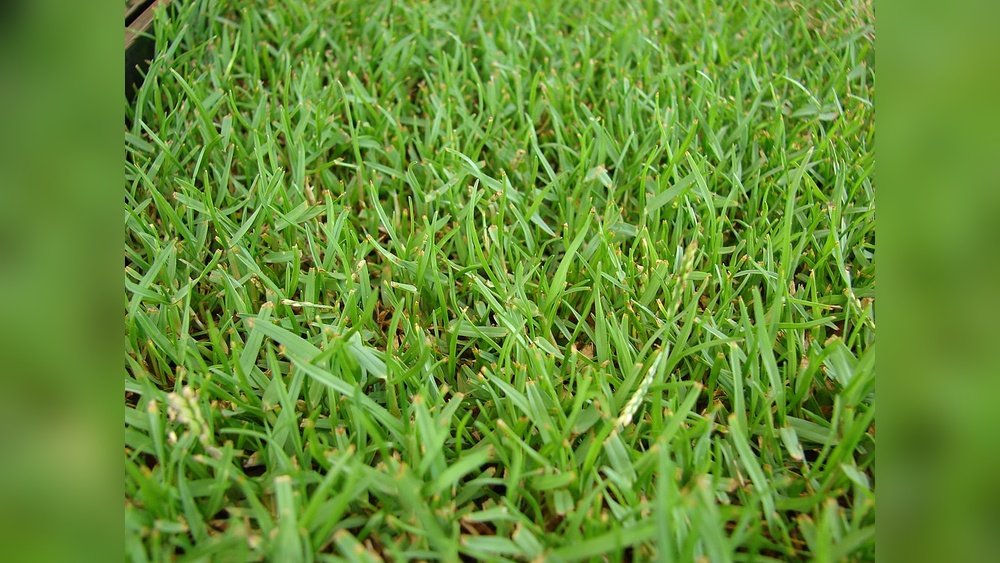
Zoysia grass is a popular choice for lawns in warm climates. It grows thick and green, creating a soft carpet-like lawn. This grass type handles heat and drought well. Its slow growth means less mowing and maintenance. Zoysia forms a dense turf that helps block weeds. It also tolerates foot traffic better than many grasses.
Understanding the basics helps decide if Zoysia suits your Florida lawn. Different types of Zoysia have unique features. Growth habits also vary, affecting how the grass spreads and recovers. Knowing these details makes lawn care easier and more effective.
Types Of Zoysia Grass
Several types of Zoysia grass exist. Common types include Meyer, Emerald, and Zenith. Meyer Zoysia is thick and coarse. Emerald is finer and softer but needs more care. Zenith handles heat and drought well. Each type fits different lawn needs and climates. Choose based on texture, color, and climate tolerance.
Growth Characteristics
Zoysia grass grows slowly compared to other grasses. It spreads by stolons and rhizomes, creating dense coverage. This slow growth saves time on mowing. It recovers slowly from damage but is very tough once established. Zoysia stays green in warm weather but can go dormant in cold spells. It prefers well-drained soil and full sun but can tolerate some shade.

Credit: www.allergydoc.us
Florida Climate And Soil
Florida’s climate and soil play a big role in growing Zoysia grass. The state has warm weather most of the year. This helps grass grow well. Still, the weather can change a lot, which affects grass health. The soil in Florida varies by region. Some areas have sandy soil while others have clay or loam. These differences matter for growing Zoysia.
Temperature And Humidity
Florida is mostly hot and humid. Summers are long and very warm. Temperatures often reach above 90°F. Winters stay mild, rarely going below 50°F. Zoysia grass likes warm weather. It grows best when temperatures stay between 80°F and 95°F. High humidity in Florida helps keep the grass green. But too much heat with little rain can stress the grass. Regular watering is important to keep Zoysia healthy.
Soil Types In Florida
Florida has many soil types. Sandy soil is common near beaches. This soil drains water fast but holds fewer nutrients. Zoysia can grow in sandy soil if watered well. Clay soil is thicker and holds water longer. It can cause drainage problems for grass roots. Loam soil is a mix of sand, silt, and clay. It is good for Zoysia because it holds moisture and nutrients well. Testing your soil helps know what amendments your lawn needs.
Suitability Of Zoysia In Florida
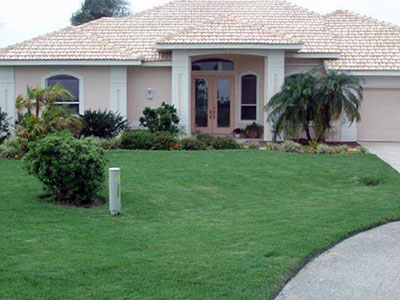
Zoysia grass adapts well to Florida’s climate. It thrives in warm temperatures and can handle the state’s summer heat. This grass type grows slowly but forms a thick, dense lawn. It requires less water than many other grasses. Zoysia is a popular choice for homeowners seeking a durable lawn in Florida.
Heat And Drought Tolerance
Zoysia grass handles heat very well. It stays green during Florida’s hot months. The grass has deep roots that help it survive drought. It needs less frequent watering than other grasses. This trait makes it a good option for dry spells. Zoysia can recover quickly after heat stress.
Pest And Disease Resistance
Zoysia shows strong resistance to many pests. It is less likely to get damaged by insects. The grass also resists common lawn diseases in Florida. This reduces the need for chemical treatments. Healthy Zoysia lawns stay lush without much effort. It provides a low-maintenance lawn solution for many homeowners.
Planting Zoysia Grass
Zoysia grass is a popular choice for lawns in Florida. It grows well in warm climates and handles heat and drought better than many other grasses. Planting Zoysia requires some care to ensure it establishes strong roots and a thick lawn. Understanding the best time and methods for planting helps you get the best results.
Best Time To Plant
Plant Zoysia grass in late spring or early summer. The soil should be warm, at least 65°F (18°C). Warm soil helps the roots grow quickly. Avoid planting in cold or wet weather. This can slow growth and increase the chance of disease. Planting during the warm months gives Zoysia a good start before the cooler seasons.
Planting Methods
Zoysia grass can be planted by seed, sod, or plugs. Seeds take longer to grow but cost less. Sod gives instant green coverage but costs more. Plugs are small patches of grass that spread over time. Choose the method that fits your budget and patience. Prepare the soil by removing weeds and loosening the top layer. Water the area well after planting to help the grass settle in.
Caring For Zoysia Lawns
Zoysia grass is a popular choice for Florida lawns. It stays green most of the year and resists heat well. Caring for Zoysia lawns is simple with the right steps. These steps help keep the grass thick and healthy.
Proper care improves the lawn’s look and helps it grow strong. Focus on watering, mowing, and fertilizing. These basics make a big difference in lawn health.
Watering Tips
Zoysia grass needs about 1 inch of water each week. Water deeply but less often. This helps roots grow deeper. Early morning is the best time to water. Avoid watering late at night to stop disease.
Mowing Practices
Keep the mower blade sharp for clean cuts. Cut Zoysia grass to 1 to 2 inches tall. Mow often enough to remove no more than one-third of the leaf. Let grass clippings stay on the lawn. They add natural nutrients back to the soil.
Fertilizing Schedule
Feed Zoysia grass three times a year. Use a balanced fertilizer with nitrogen, phosphorus, and potassium. Start fertilizing in early spring. Apply again in late spring and late summer. Follow package instructions to avoid overfeeding.
Common Challenges
Zoysia grass can grow well in Florida, but it faces some common challenges. These problems can affect the grass’s health and appearance. Knowing these challenges helps you care for your lawn better. Below are some key issues to watch out for.
Weed Control
Weeds compete with Zoysia grass for water and nutrients. They can quickly take over bare spots. Controlling weeds early stops them from spreading. Use a selective herbicide made for Zoysia lawns. Pull out large weeds by hand. Regular mowing helps keep weeds down.
Dealing With Thatch
Thatch is a layer of dead grass and roots. Too much thatch blocks water and air from reaching soil. It can cause root problems and weak grass. Remove thatch by dethatching or using a rake. Aeration also helps break up thatch. Do this once a year for a healthy lawn.
Managing Pests
Zoysia grass may attract pests like chinch bugs and grubs. These insects damage grass blades and roots. Watch for brown patches or thinning grass. Use insecticides safe for Zoysia to control pests. Natural predators like ladybugs can help reduce pest numbers. Early action keeps pests from hurting your lawn.
Enhancing Lawn Appearance
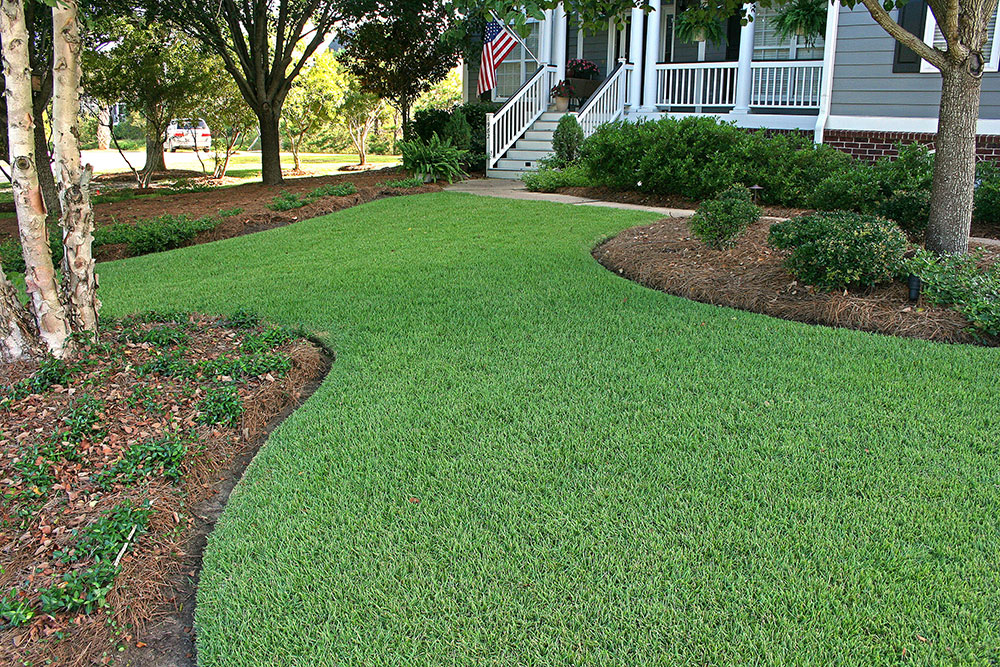
Enhancing the appearance of your lawn makes your outdoor space more inviting. A thick, green lawn adds value to your home. Zoysia grass can create a lush, beautiful lawn in Florida. Proper care helps Zoysia grow strong and healthy.
Simple lawn care steps improve the color and texture of Zoysia grass. Focus on soil health and grass density to boost curb appeal. Two important practices are aeration and overseeding.
Aeration Benefits
Aeration helps the soil breathe and absorb water better. It reduces soil compaction, allowing roots to grow deeper. Strong roots make Zoysia grass more resistant to heat and drought. Aeration also improves nutrient uptake, leading to greener grass. Regular aeration helps your lawn recover from heavy use and stress.
Overseeding Strategies
Overseeding adds new grass seeds to thin or bare lawn areas. It fills gaps and creates a uniform grass cover. Choose Zoysia seeds suited for Florida’s climate for best results. Spread seeds evenly over the lawn after aeration. Keep the soil moist until new grass grows well. Overseeding helps maintain a dense lawn that resists weeds.
Credit: www.gespest.com
Frequently Asked Questions
Can Zoysia Grass Thrive In Florida’s Climate?
Yes, Zoysia grass thrives in Florida’s warm, humid climate. It handles heat and humidity well, making it a popular lawn choice.
Is Zoysia Grass Drought Tolerant In Florida?
Zoysia grass shows good drought tolerance. It requires less water than many grasses, making it suitable for Florida’s dry spells.
How Often Should Zoysia Grass Be Mowed In Florida?
Mow Zoysia grass every 7-14 days during growing season. Keep blade height between 1 to 2 inches for best health.
Does Zoysia Grass Resist Florida Pests And Diseases?
Zoysia grass has moderate resistance to common Florida pests and diseases. Proper care further reduces risk of damage.
Conclusion
Zoysia grass can grow well in many parts of Florida. It handles heat and drought better than some grasses. It needs good soil and regular watering to stay green. This grass also resists weeds and pests, which helps your lawn look neat.
Choose the right Zoysia type for your area’s climate. With proper care, Zoysia grass makes a strong, beautiful lawn. A great option for Florida yards that want a healthy, low-maintenance turf. Give it a try and enjoy a lush lawn all year.
