
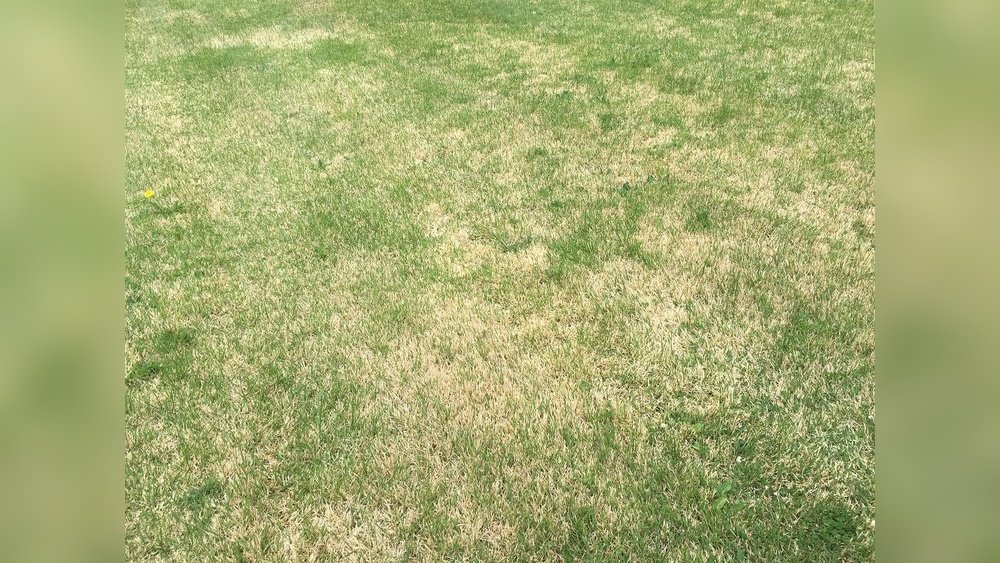
If your Zoysia grass isn’t turning green, the issue often stems from improper watering, nutrient deficiencies, pests, or poor soil conditions. Addressing these factors with proper care, including deep watering, balanced fertilization, and soil aeration, can help restore your lawn’s vibrant green color.
Is your Zoysia grass staying stubbornly brown instead of turning the lush green you expect? You’re not alone, and it can be frustrating to see your lawn lose its vibrant color.
But don’t worry—there are clear reasons why your grass isn’t greening up, and simple steps you can take to fix it. Keep reading to discover what might be holding your Zoysia grass back and how you can bring your lawn back to life.
Your dream green lawn is closer than you think!

Credit: www.youtube.com
Common Causes Of Yellow Zoysia Grass
Yellow Zoysia grass can be frustrating. It often signals a problem beneath the surface. Identifying the cause helps bring back the vibrant green color. Several common issues cause yellowing in Zoysia grass. Understanding these can guide proper care and treatment.
Insufficient Watering
Zoysia grass needs regular water to stay green. Dry soil causes stress and yellowing leaves. Water deeply but not too often. Shallow watering can weaken roots and lead to yellow patches. Consistent moisture helps maintain healthy grass.
Nutrient Deficiencies
Grass needs nutrients like nitrogen, phosphorus, and potassium. Lack of these nutrients causes yellow or pale leaves. Nitrogen is especially important for green color. Test soil to find missing nutrients. Fertilize according to soil needs for best results.
Pest And Disease Issues
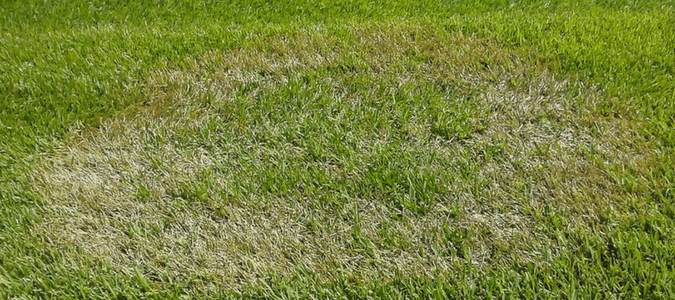
Insects and diseases can damage Zoysia grass blades and roots. Common pests include grubs and chinch bugs. Diseases like brown patch cause yellow spots. Check grass regularly for signs of pests or fungus. Early treatment prevents spread and damage.
Poor Soil Conditions
Compacted or poorly drained soil affects root growth. Roots cannot take up water and nutrients well. This stress causes yellowing. Aerate soil to improve airflow and water absorption. Amend soil with organic matter for better health.
Environmental Stress
Extreme heat, cold, or shade can stress Zoysia grass. Heat stress often leads to yellow or brown patches. Shade limits sunlight needed for photosynthesis. Protect grass from harsh conditions. Choose planting sites with enough sun and shelter.
Watering Techniques For Greener Grass
Watering is key to making Zoysia grass green and healthy. Proper watering helps roots grow deep. It also keeps grass strong against heat and drought.
Wrong watering can cause yellow grass or patches. Using the right techniques improves grass color and texture. Below are simple tips for watering Zoysia grass.
Optimal Watering Schedule
Water Zoysia grass early in the morning. This reduces water loss from evaporation. Watering once or twice a week is usually enough. Each session should soak the soil deeply. Avoid watering in the heat of the day.
Avoiding Overwatering
Too much water makes roots weak and shallow. It can cause fungus and disease. Check soil moisture before watering again. If soil feels wet, wait a day or two. Proper drainage also helps prevent water buildup.
Deep Vs. Shallow Watering
Deep watering encourages roots to grow down. This makes grass stronger in dry times. Shallow watering only wets the surface. It leads to weak roots and dry spots. Aim for water to reach at least 6 inches deep.
Fertilizing Zoysia Grass
Fertilizing Zoysia grass is key to getting a healthy, green lawn. Proper nutrients help the grass grow thick and resist stress. Without enough fertilizer, your Zoysia may stay yellow or brown. Feeding your lawn at the right time and with the right fertilizer makes all the difference.
Choosing The Right Fertilizer
Zoysia grass needs a balanced fertilizer with nitrogen, phosphorus, and potassium. Nitrogen helps the grass turn green and grow fast. Look for a fertilizer with a higher nitrogen number, like 16-4-8. Avoid fertilizers with too much phosphorus unless a soil test says so. Slow-release fertilizers work best for steady feeding.
When To Fertilize
Apply fertilizer in late spring or early summer when the grass starts growing. This timing helps Zoysia recover from winter and grow strong. Avoid fertilizing in early spring or late fall. Too early or late feeding can stress the grass or cause weak growth.
Application Tips
Spread fertilizer evenly over the lawn to avoid patchy growth. Use a broadcast or drop spreader for best results. Water the lawn lightly after fertilizing to help nutrients soak into the soil. Do not over-fertilize. Too much fertilizer can burn the grass and harm roots.
Controlling Pests And Diseases
Controlling pests and diseases is key to keeping Zoysia grass green and healthy. Pests and fungi can damage your lawn quickly. They stop the grass from growing well and cause yellow or brown patches. Early detection helps you act fast. Proper care reduces the chance of infections and infestations. Below are ways to spot and manage these problems naturally and safely.
Identifying Common Pests
Look for insects like grubs, chinch bugs, and sod webworms. Grubs eat grass roots, causing wilting and thinning. Chinch bugs suck sap, leaving yellow spots. Sod webworms chew grass blades, creating brown patches. Check the lawn closely for tiny bugs or holes. Uneven grass color often signals pest damage. Early spotting helps prevent spread and more harm.
Natural Pest Control Methods
Use natural predators like ladybugs or nematodes to reduce pests. Nematodes attack grubs and other harmful bugs underground. Ladybugs eat soft-bodied pests on grass blades. Sprinkle beneficial insects in affected areas. Water the lawn properly to keep grass strong. Strong grass resists pests better. Avoid harsh chemicals that can harm beneficial bugs and soil health.
Treating Fungal Infections
Fungi cause diseases like brown patch and dollar spot. These infections show as discolored spots or rings on grass. Remove thatch and dead grass to improve airflow. Avoid overwatering, which promotes fungal growth. Apply fungicides if natural methods do not work. Choose products safe for Zoysia grass. Mow regularly but not too short to reduce stress. Healthy lawn care helps prevent future fungal problems.
Improving Soil Health
Improving soil health plays a key role in getting your Zoysia grass green and healthy. Poor soil can stop grass from growing well. Healthy soil provides nutrients, water, and air to the roots. It also helps roots grow deep and strong. Focus on soil health to fix dull or brown patches.
Soil Testing
Start by testing your soil. Soil testing shows nutrient levels and pH balance. You can buy a test kit or send samples to a lab. The results tell you what your soil lacks. Knowing this helps choose the right fertilizer and amendments. Testing prevents wasting time on wrong treatments.
Aeration Benefits
Aeration means making small holes in the soil. It helps air, water, and nutrients reach the roots. Aerated soil stops compaction, which blocks root growth. Your Zoysia grass will breathe better and grow thicker. Aeration also improves drainage and reduces puddles.
Amending Soil For Better Growth
Add organic matter like compost or peat moss to your soil. These materials improve soil texture and water retention. They feed helpful microbes that support plant health. Use sand or perlite to loosen heavy clay soils. Amendments create a better environment for Zoysia roots. Healthy soil leads to greener, lusher grass.
Seasonal Care For Zoysia Grass
Seasonal care plays a big role in keeping Zoysia grass green and healthy. This grass type changes its needs with the seasons. Understanding these needs helps your lawn stay lush and vibrant year-round.
Zoysia grass grows actively in warm months and slows down in cooler months. Adjusting care routines to these changes improves grass color and strength. Each season needs specific actions for the best results.
Spring And Summer Tips
Spring is the time to wake up your Zoysia grass. Start by removing dead leaves and debris. This lets sunlight reach the grass blades. Water the lawn deeply but less often to encourage strong roots. Mowing should be done regularly but keep the blades high to avoid stress.
Fertilize with a balanced formula to give nutrients. This supports green growth and thick turf. Watch for weeds and pests early. Treat them quickly to prevent damage. During summer, increase watering but avoid soggy soil. Morning watering is best to reduce disease risk.
Fall And Winter Preparation
Fall prepares your grass for dormancy. Lower the mowing height gradually to reduce damage. Apply a slow-release fertilizer to store nutrients for winter. Remove fallen leaves to keep the lawn clean and healthy. Avoid heavy foot traffic to prevent soil compaction.
In winter, Zoysia grass goes dormant and turns brown naturally. Do not overwater or fertilize during this time. Protect the lawn from harsh weather if possible. Plan to start spring care early for a quick green-up next season.
Additional Tips To Revive Zoysia
Zoysia grass can lose its green color for several reasons. Reviving it requires careful attention to its needs. Simple changes can bring back its rich green look. Follow these tips to help your Zoysia grass recover and thrive again.
Proper Mowing Practices
Cut Zoysia grass at the right height. Keep the blades about 1 to 2 inches long. Avoid cutting more than one-third of the grass blade at once. Use a sharp mower blade to prevent tearing. Mow regularly to encourage healthy growth and green color.
Dealing With Shade
Zoysia grass needs sunlight to stay green. Too much shade can cause it to turn brown. Trim nearby trees or bushes to let in more light. Consider planting shade-tolerant grass in areas with heavy shade. This helps maintain a healthy lawn overall.
When To Seek Professional Help
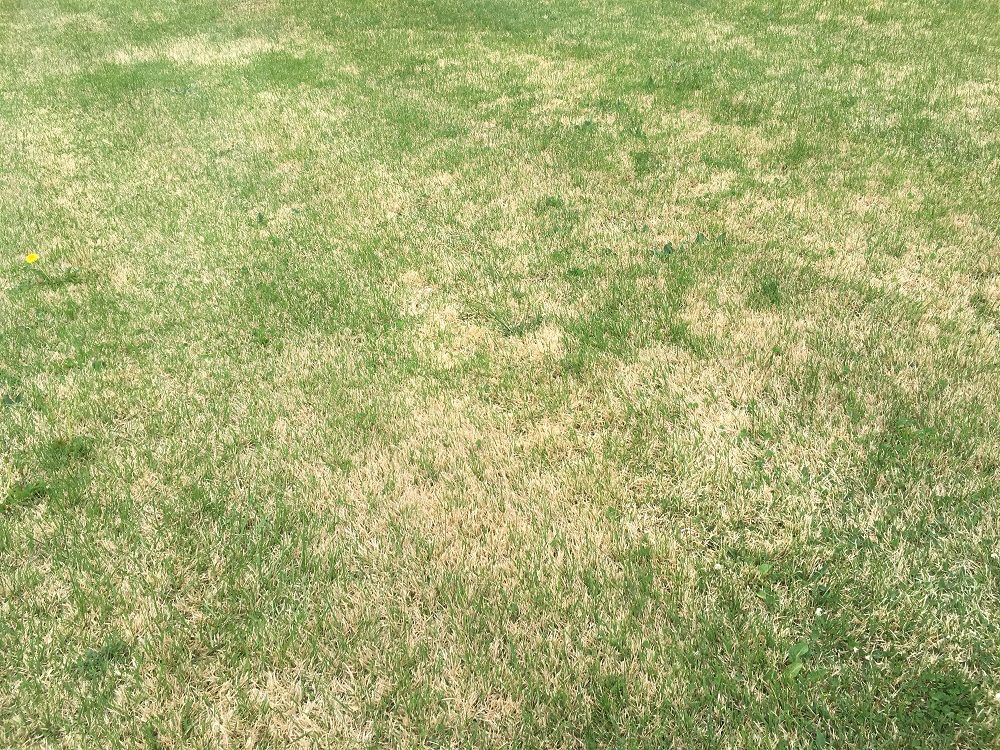
Sometimes, problems need expert attention. If the grass stays brown after care, call a lawn specialist. Professionals can check soil health and pests. They offer treatments that restore your grass fast. Don’t wait too long to get help.
Credit: blog.abchomeandcommercial.com
Credit: www.grassperson.com
Frequently Asked Questions
Why Is My Zoysia Grass Not Turning Green?
Zoysia grass may stay brown due to dormancy, stress, or improper care. Check watering, sunlight, and temperature. Adjust maintenance for healthy green growth.
How Long Does Zoysia Grass Take To Green Up?
Zoysia grass typically greens up in 2 to 4 weeks during spring. Warmer temperatures and proper watering speed up the process. Patience is key.
Can Soil Quality Affect Zoysia Grass Color?
Yes, poor soil quality can cause dull or brown grass. Test soil pH and nutrients. Amend soil with fertilizers or organic matter for better color.
Does Watering Impact Zoysia Grass Greening?
Inadequate or excessive watering can stress Zoysia grass. Water deeply but infrequently, about once a week. Proper moisture promotes vibrant green growth.
Conclusion
Healthy Zoysia grass needs care, water, and sunlight. Watch the soil and check for pests often. Fix problems early to help grass turn green. Patience is key as grass grows slowly. Follow simple steps to bring your lawn back to life.
A green lawn is possible with steady effort and time. Keep learning and caring for your grass every day. Your yard will reward you with a fresh, green look soon.
