

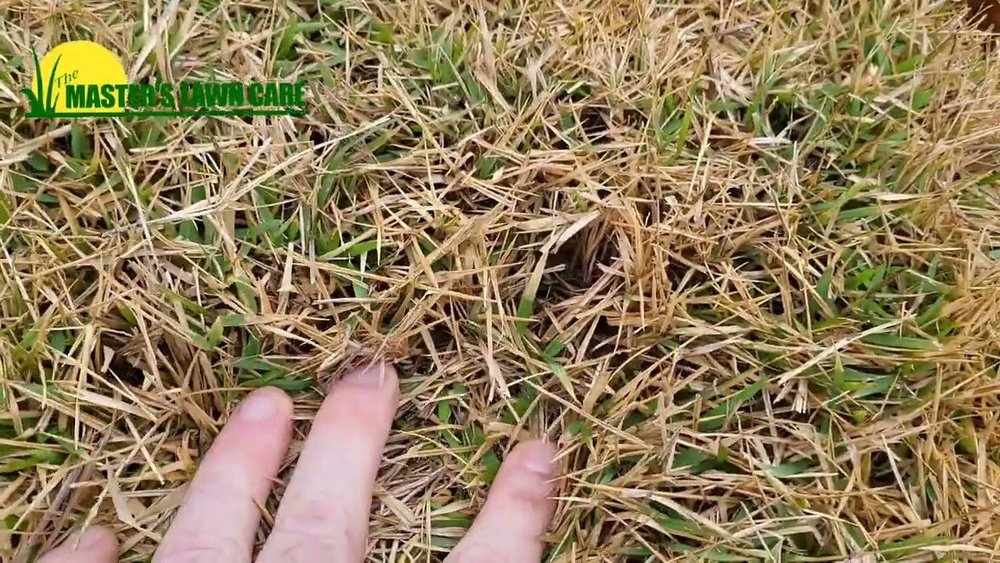
Is your Zoysia grass turning brown, and you’re not sure why? You’ve worked hard to keep your lawn green and healthy, so seeing those brown patches can be frustrating.
But don’t worry—understanding the common reasons behind this color change can help you fix the problem quickly. You’ll discover simple, effective ways to bring your Zoysia grass back to life and enjoy a lush, green yard again. Keep reading to learn what’s causing the browning and how you can restore your lawn’s vibrant beauty.
Common Causes Of Brown Zoysia Grass
Zoysia grass can turn brown for several reasons. Understanding these causes helps you keep your lawn green and healthy. This section explains the most common problems that cause brown patches or overall browning in Zoysia grass.
Drought And Water Stress
Zoysia grass needs regular water to stay green. Lack of water causes the grass to dry out and turn brown. Long dry spells or poor watering habits stress the grass. Water stress weakens the roots and stops growth. This makes your lawn look dull and lifeless.
Nutrient Deficiencies
Grass needs nutrients to grow strong. A lack of nitrogen, potassium, or other minerals causes browning. Poor soil or missing fertilizer can cause these problems. Nutrient deficiencies slow down grass growth and color. Feeding the lawn with the right fertilizer keeps it green.
Pest Infestations
Insects and pests can damage Zoysia grass. They eat the blades and roots, causing brown spots. Common pests include grubs, chinch bugs, and armyworms. Pest damage weakens grass and leaves bare patches. Early pest control helps protect your lawn.
Fungal Diseases
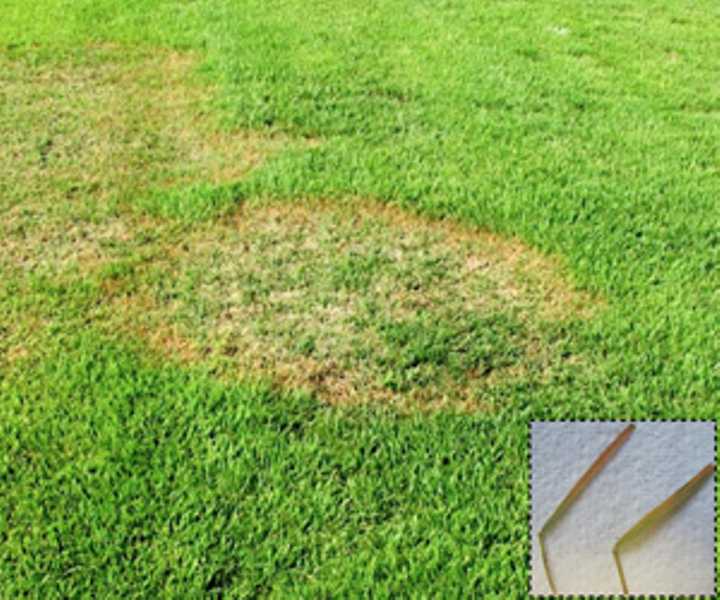
Fungi thrive in wet and humid conditions. They cause brown spots and patches on Zoysia grass. Common fungal diseases include brown patch and dollar spot. These diseases spread quickly if not treated. Fungicides and proper lawn care reduce fungal problems.
Improper Mowing Practices
Mowing too short or with dull blades harms Zoysia grass. Cutting grass too low stresses it and leads to browning. Dull mower blades tear grass instead of cutting cleanly. This makes grass more vulnerable to disease and pests. Follow proper mowing techniques for a healthy lawn.

Credit: www.walterreeves.com
Assessing Your Lawn’s Condition
Assessing your lawn’s condition helps you understand why Zoysia grass turns brown. It reveals the cause and guides your next steps. A healthy lawn needs proper care, and checking its state is the first step. Several factors can affect your grass, such as soil issues, pests, or diseases. Knowing the problem helps fix it fast and keeps your lawn green.
Soil Testing Techniques
Start by checking your soil’s health. Use a soil test kit from a garden store. Take samples from different parts of your lawn. Mix them and follow the kit instructions. The test shows pH levels and nutrient content. Low nutrients or wrong pH can make grass brown. Adjust soil with the right fertilizers or lime as needed.
Identifying Pest Damage
Look closely for signs of pests in your lawn. Small holes, chewed blades, or patches of dead grass are clues. Lift the grass to check for insects or larvae below. Common pests include grubs and chinch bugs. They eat roots and cause browning. Spotting pests early helps control them with safe treatments.
Spotting Disease Symptoms
Diseases also cause Zoysia grass to brown. Look for discolored spots, rings, or mold on the blades. Fungal infections often show as yellow or brown patches. Diseases spread faster in wet or crowded areas. Remove affected grass and improve air flow. Using fungicides may be necessary to stop the spread.
Watering Strategies For Recovery
Watering plays a big role in bringing brown Zoysia grass back to life. Too little water makes the grass dry and brown. Too much water can cause root problems. The right watering habits help the grass recover faster and stay green longer.
Optimal Watering Schedule
Water Zoysia grass deeply but less often. Aim for about 1 inch of water per week. Early morning is best for watering. It reduces evaporation and helps the grass absorb water. Avoid watering in the evening to prevent fungal growth.
Signs Of Overwatering
Look for soft, muddy soil. Grass blades may look yellow or wilted. Puddles or standing water on the lawn show too much water. Overwatered grass can develop root rot. Cut back on watering if you see these signs.
Using Irrigation Systems Effectively
Set sprinklers to water evenly across the lawn. Check for leaks or clogged nozzles. Use a timer to control watering times. Adjust watering based on weather and soil moisture. Regular maintenance keeps your irrigation system working well.
Fertilizing To Boost Growth
Fertilizing plays a key role in helping Zoysia grass recover from brown patches. Proper nutrients feed the grass and encourage healthy green growth. Without the right fertilizer, Zoysia can stay brown and weak. Feeding your lawn carefully can bring back its lush color and thickness.
Best Fertilizer Types For Zoysia
Choose fertilizers high in nitrogen to support green growth. Balanced fertilizers with nitrogen, phosphorus, and potassium also work well. Slow-release formulas provide nutrients over time. Organic options, like compost or manure, improve soil health and feed grass gently. Avoid fertilizers with too much phosphorus unless a soil test shows a need.
Timing Fertilizer Applications
Apply fertilizer in late spring when Zoysia starts growing fast. A second feeding in early summer helps maintain color and strength. Stop fertilizing in late summer to let grass prepare for dormancy. Avoid fertilizing in winter or early spring when grass is still dormant. Proper timing ensures nutrients are used well by the grass.
Avoiding Overfertilization
Too much fertilizer can harm Zoysia grass. Excess nutrients cause fast growth that weakens roots. It also invites pests and disease. Follow label instructions carefully for the right amount. Water the lawn after fertilizing to help nutrients soak in. Keeping fertilizing balanced keeps grass healthy and green without stress.
Controlling Pests And Diseases
Pests and diseases can cause Zoysia grass to turn brown quickly. Controlling these issues helps keep your lawn green and healthy. Early action stops damage before it spreads. Understanding how to manage pests and diseases protects your grass over time.
Natural Pest Control Methods
Use beneficial insects like ladybugs to eat harmful pests. Sprinkle neem oil on your lawn for a safe pest spray. Handpick larger pests such as grubs or caterpillars. Avoid harsh chemicals that can hurt grass and helpful insects.
Choosing The Right Fungicides
Select fungicides made for Zoysia grass diseases. Follow the label instructions carefully to avoid overuse. Apply fungicides at the first sign of fungal spots or patches. Rotate products to prevent fungal resistance and protect your lawn.
Preventive Lawn Care Tips
Mow regularly at the right height to reduce stress on grass. Water early in the morning to keep blades dry during the day. Aerate soil to improve root health and reduce disease risk. Remove thatch buildup to stop pests and fungi from hiding.
Mowing Tips To Promote Green Grass
Mowing Zoysia grass correctly helps keep it green and healthy. Proper mowing encourages strong roots and thick growth. It also prevents brown patches from spreading. Follow these simple tips to mow your Zoysia lawn the right way.
Ideal Mowing Height For Zoysia
Keep Zoysia grass at about 1 to 2 inches tall. Cutting too short stresses the grass. It loses moisture and turns brown. Taller grass shades the soil and stays greener longer.
Frequency And Timing
Mow Zoysia grass often enough to remove only one-third of its height. This avoids shock to the grass. During the growing season, mow every 5 to 7 days. Mow in the morning when the grass is dry.
Maintaining Sharp Mower Blades
Dull mower blades tear grass instead of cutting it cleanly. Torn grass blades brown faster and invite disease. Sharpen your mower blades regularly for a clean cut. Clean blades also reduce stress on your lawn.
Aeration And Thatch Management
Aeration and thatch management play a key role in keeping Zoysia grass green and healthy. These practices help the soil breathe and remove dead grass layers. They improve water, air, and nutrient flow to the roots. This section explains how aeration and dethatching help with brown patches on Zoysia grass.
Benefits Of Aeration
Aeration creates small holes in the lawn. This lets air, water, and nutrients reach the roots. It reduces soil compaction, which stops roots from growing well. Aeration helps grass grow thick and strong. It also reduces water runoff and improves drainage. Regular aeration keeps Zoysia grass healthy and green.
When And How To Dethatch
Thatch is a layer of dead grass and roots above the soil. Too much thatch blocks water and nutrients from reaching roots. Dethatch when the layer is more than half an inch thick. The best time is early spring or late summer. Dethatching removes this dead layer and helps grass recover faster. It prevents brown spots caused by poor soil contact.
Tools And Techniques
Use a garden fork or aerator machine to aerate the lawn. Spike and plug aerators work well for Zoysia grass. For dethatching, use a dethatching rake or a power dethatcher. Move the tools slowly to remove the thatch without hurting the grass. After aeration and dethatching, water the lawn well. This supports root growth and lawn recovery.

Credit: www.youtube.com
Reseeding And Overseeding Options
Reseeding and overseeding are key to fixing brown patches in Zoysia grass. These methods help fill bare spots and improve lawn color. Proper seeding brings back the lush green look you want.
Choose the right seed and time for best results. Use good seeding techniques to help the grass grow strong and healthy. This section guides you through each step for a green lawn.
Choosing The Right Seed
Select Zoysia seed that matches your lawn type. Use high-quality seeds for better growth and color. Avoid mixed seeds that may not suit your climate.
Check seed labels for purity and germination rates. Pure seeds grow more evenly and reduce weeds. Choose seeds adapted to your soil and weather.
Best Time For Seeding
Seed Zoysia grass in late spring or early summer. Soil should be warm for good seed germination. Avoid seeding in cold or very dry weather.
Plant seeds when rainfall is steady or you can water regularly. This helps seeds stay moist and sprout faster. Time seeding to avoid extreme heat or frost.
Seeding Techniques For Success
Prepare the soil by removing dead grass and debris first. Loosen soil to help seeds contact the ground. Spread seeds evenly across bare patches.
Lightly rake seeds into the soil surface. Do not bury seeds too deep. Water the area gently but thoroughly after seeding.
Keep soil moist until grass sprouts. Avoid heavy foot traffic on new seed areas. Regular care helps young grass grow thick and green.
Credit: www.missouribotanicalgarden.org
Frequently Asked Questions
Why Is My Zoysia Grass Turning Brown?
Zoysia grass turns brown due to drought, overwatering, or poor soil nutrients. Seasonal dormancy in winter also causes browning. Proper watering and fertilizing help maintain its green color.
How To Revive Brown Zoysia Grass Effectively?
To revive brown Zoysia, water deeply and reduce foot traffic. Aerate soil and apply balanced fertilizer in spring. Overseeding or dethatching can also restore lawn health.
Does Brown Zoysia Grass Mean Disease Or Pests?
Brown patches may indicate fungal infections or insect damage. Inspect closely for signs of pests or mold. Treat affected areas with appropriate fungicides or insecticides promptly.
When Does Zoysia Grass Naturally Turn Brown?
Zoysia grass naturally browns during cooler months, especially in winter. This dormancy is normal and the grass greens up again in warmer spring weather.
Conclusion
Zoysia grass turns brown for many simple reasons. Cold weather, drought, or poor care often cause this change. You can help by watering regularly and mowing correctly. Adding fertilizer can also bring back green color. Patience is key; the grass usually recovers with time.
Keep an eye on your lawn’s needs each season. A healthy lawn needs small, steady steps. Don’t worry if your grass browns—it can bounce back. Taking good care now means a green lawn soon.
