

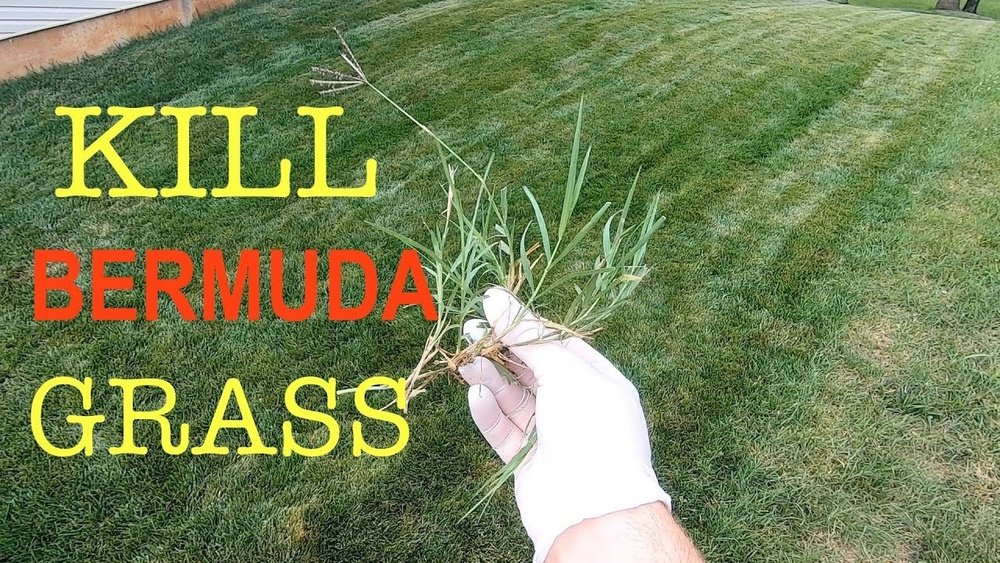
To kill Bermuda grass in fescue without damaging your lawn, use selective herbicides like fenoxaprop or sethoxydim. These products target Bermuda grass specifically while sparing fescue. Timing treatments during Bermuda’s active growth phase and following application instructions carefully will help eradicate it effectively.
Are you struggling to keep Bermuda grass from taking over your fescue lawn? You’re not alone.
Bermuda grass can be tough to control, and if you want a healthy, green fescue yard, you need to know exactly what kills Bermuda grass without harming your fescue. You’ll discover simple and effective ways to get rid of Bermuda grass for good.
Keep reading to learn how to protect your lawn and enjoy the lush fescue you deserve.
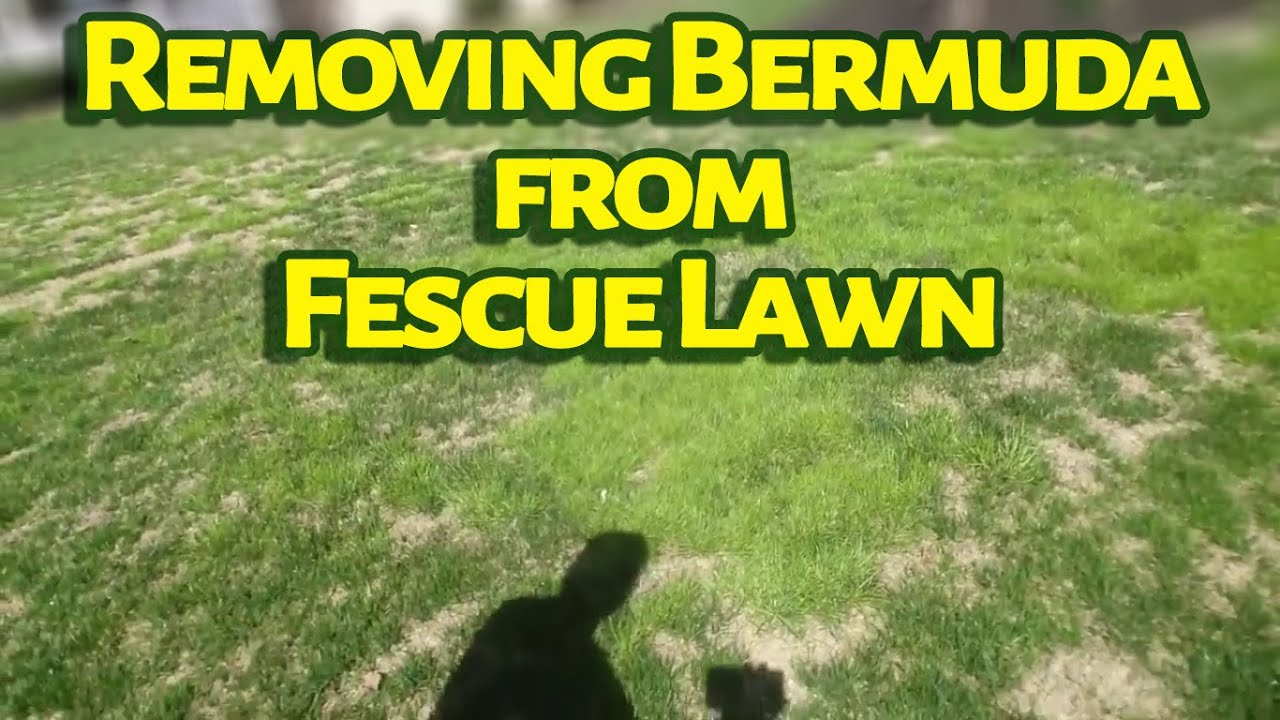
Credit: www.youtube.com
Identifying Bermuda Grass In Fescue
Identifying Bermuda grass in fescue is key to managing your lawn effectively. These two grasses look similar but have clear differences. Spotting Bermuda grass early helps stop it from spreading. This keeps your fescue healthy and strong.
Visual Differences
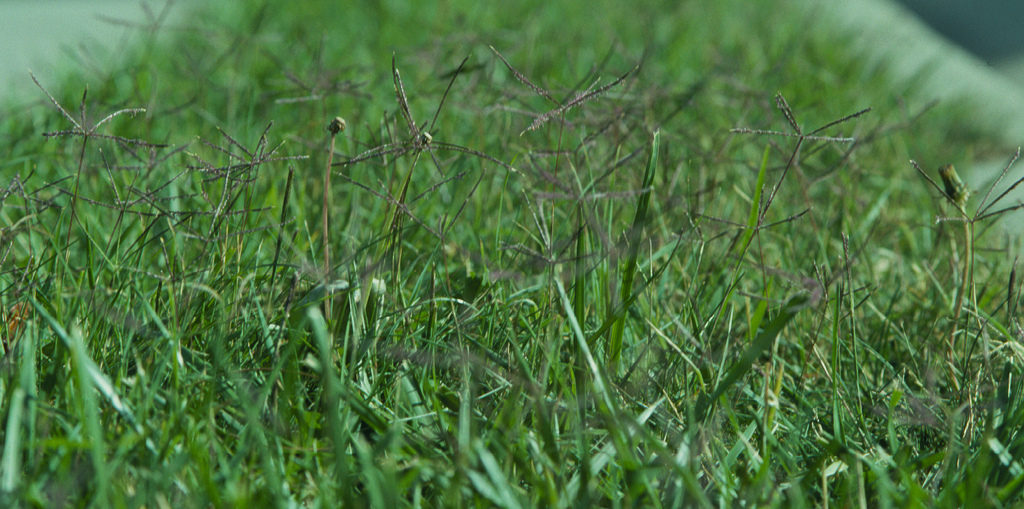
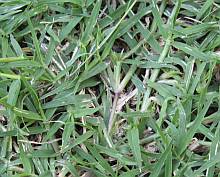
Bermuda grass has thin, wiry blades. Fescue blades are wider and softer. Bermuda is bright green. Fescue shows a duller green shade. Bermuda grass grows low and dense. Fescue grows taller and less thick. These color and texture clues help identify each grass.
Growth Patterns
Bermuda grass spreads fast by runners called stolons. It forms thick mats that crowd other plants. Fescue grows in clumps and does not spread as fast. Bermuda thrives in warm, sunny spots. Fescue prefers cooler, shaded areas. Understanding growth helps spot Bermuda invading your fescue lawn.
Common Signs Of Infestation
Look for patches of grass that feel rough or prickly. Bermuda grass areas often show a different green color. You may see small runners creeping into fescue patches. Infested spots grow faster and thicker. These signs warn you that Bermuda grass is taking over.
Why Bermuda Grass Is A Problem
Bermuda grass often invades fescue lawns. This grass grows fast and spreads quickly. It takes over space where fescue should grow. Many homeowners find it hard to keep Bermuda grass out. It can cause many issues in your lawn.
Understanding why Bermuda grass is a problem helps in managing it better. Its growth habits and needs differ from fescue. This causes trouble for your lawn’s health and appearance.
Competition For Nutrients
Bermuda grass uses nutrients quickly and in large amounts. It competes strongly with fescue for water and minerals. Fescue often loses this fight for nutrients. This weakens the fescue and slows its growth.
Impact On Lawn Health
Bermuda grass changes the look of a fescue lawn. It creates uneven patches and rough texture. This grass also affects soil moisture and temperature. These changes can harm fescue’s health and reduce its lifespan.
Challenges In Control
Bermuda grass spreads through underground runners and seeds. It grows back quickly after cutting or pulling. Controlling it requires constant effort and special products. Many common herbicides do not work well on Bermuda grass.
Chemical Control Methods
Chemical control methods offer an effective way to kill Bermuda grass in fescue lawns. These methods target Bermuda grass specifically, minimizing damage to fescue. Using chemicals carefully helps keep your lawn healthy and weed-free.
Choosing the right herbicide and applying it correctly is key. Safety must be a priority to protect yourself and the environment.
Selective Herbicides
Selective herbicides kill Bermuda grass without harming fescue. They target grass types differently based on their biology. Common active ingredients include fenoxaprop and sethoxydim. These herbicides work best when Bermuda grass is actively growing. Always check the label to confirm it is safe for fescue.
Application Tips
Apply herbicides on a calm, dry day to avoid drift. Use a sprayer for even coverage on Bermuda grass patches. Follow the recommended dose on the product label strictly. Avoid over-application; it can damage your fescue lawn. Repeat treatments may be needed for stubborn Bermuda grass. Water the lawn lightly after application if the label suggests it.
Safety Precautions
Wear gloves, long sleeves, and eye protection when applying herbicides. Keep children and pets away during and after application. Store chemicals in a safe place, out of reach. Dispose of empty containers properly according to local regulations. Read and follow all safety instructions on the product label. Avoid spraying near water sources to protect aquatic life.
Credit: www.turffiles.ncsu.edu
Natural And Organic Solutions
Controlling Bermuda grass in a fescue lawn can be tricky. Chemical options may harm your soil and grass. Natural and organic solutions offer safer ways to manage Bermuda grass. These methods protect your lawn and the environment. They also improve the health of your fescue grass over time.
Manual Removal Techniques
Pulling Bermuda grass by hand helps reduce its spread. Use a garden fork or trowel to loosen the soil first. Grab the roots firmly and pull slowly to remove the whole plant. Remove all pieces of the grass to prevent regrowth. This method works well for small patches of Bermuda grass.
Natural Herbicides
Natural herbicides use plant-based ingredients to kill Bermuda grass. Vinegar is a common choice that dries out unwanted grass quickly. Spray vinegar directly on the Bermuda grass leaves on sunny days. Be careful to avoid spraying your fescue grass. Corn gluten meal can also prevent Bermuda grass seeds from sprouting.
Improving Soil Health
Healthy soil supports strong fescue grass that can outcompete Bermuda grass. Add organic compost to increase nutrients and improve soil texture. Aerate your lawn to allow water and air to reach roots better. Maintain proper watering and mowing practices to strengthen fescue grass. Stronger grass naturally limits Bermuda grass growth.
Preventing Bermuda Grass Regrowth
Stopping Bermuda grass from growing back in fescue lawns takes effort and care. Preventing regrowth means giving your fescue the best chance to thrive. Healthy fescue can crowd out Bermuda grass and keep it from spreading. Follow these key steps to protect your lawn and keep Bermuda grass under control.
Proper Lawn Maintenance
Keep your lawn clean by removing weeds and debris regularly. Water your fescue deeply but less often. This encourages strong roots that resist Bermuda grass. Aerate your lawn yearly to improve soil health. Good soil helps fescue grow thick and healthy. A strong lawn leaves less space for Bermuda grass to return.
Fertilization Strategies
Use a fertilizer designed for fescue grass. Apply fertilizer during the growing season to boost fescue growth. Avoid too much nitrogen, which can help Bermuda grass spread. Balanced fertilization helps fescue compete better. Feed your lawn at the right times to keep it healthy and strong.
Mowing Practices
Set your mower blade high to keep fescue tall and healthy. Cutting grass too short weakens fescue and gives Bermuda grass an advantage. Mow regularly to prevent Bermuda grass from flowering and spreading seeds. Use sharp mower blades to avoid damaging fescue blades. Proper mowing helps fescue stay dense and push out Bermuda grass.
Credit: www.garden-counselor-lawn-care.com
When To Seek Professional Help
Dealing with Bermuda grass in fescue can be tricky. Sometimes, home treatments do not work well. This is the right time to seek professional help. Experts know how to handle tough infestations safely and effectively. They can save your lawn from further damage.
Signs Of Severe Infestation
Bermuda grass spreads fast and takes over the fescue. Look for thick patches of Bermuda grass. Brown or dying spots may appear in your fescue lawn. If you notice these signs over a large area, the problem is severe. Simple mowing or weeding will not fix it.
Benefits Of Expert Treatment
Professionals use special tools and herbicides that are safe for fescue. They can target Bermuda grass without harming your lawn. Experts save you time and effort. Their treatments last longer and stop Bermuda grass from coming back. They also give advice on lawn care to keep your grass healthy.
Choosing The Right Service
Pick a lawn care service with good reviews and experience. Make sure they understand the difference between Bermuda grass and fescue. Ask about the methods and products they use. Choose a company that uses safe and eco-friendly treatments. Clear communication and fair pricing are important too.
Frequently Asked Questions
What Herbicides Effectively Kill Bermuda Grass In Fescue?
Selective herbicides like glyphosate and sethoxydim target Bermuda grass without harming fescue. Always follow label instructions carefully for safe application and best results.
Can Overseeding Help Control Bermuda Grass In Fescue Lawns?
Yes, overseeding with fescue strengthens the lawn and crowds out Bermuda grass, reducing its spread over time. Regular maintenance enhances this effect.
How Does Mowing Height Affect Bermuda Grass In Fescue?
Maintaining a higher mowing height favors fescue growth and weakens Bermuda grass. Keep fescue mowed at 3-4 inches for optimal competition.
Is Solarization Effective In Killing Bermuda Grass In Fescue?
Solarization uses plastic covers to trap heat and kill Bermuda grass roots. It’s a chemical-free method but takes several weeks for effectiveness.
Conclusion
Controlling Bermuda grass in fescue lawns takes patience and care. Use the right herbicides and follow instructions closely. Keep your fescue healthy with proper watering and mowing. Watch for new Bermuda grass growth and act fast. Small efforts now save bigger problems later.
A neat, green lawn is possible with steady work. Stay consistent and enjoy your beautiful yard.
