

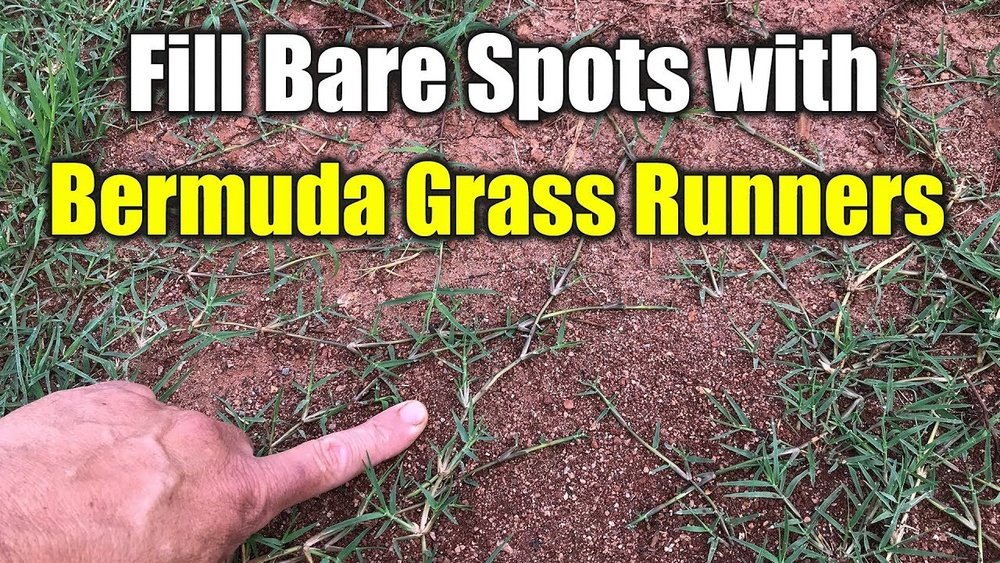
Bermuda grass spreads primarily through runners called stolons, which grow above the soil and root at nodes to form new plants. This growth habit allows it to quickly cover bare spots and create a dense, resilient lawn, making it an excellent choice for warm climates and active yards.
Are you curious about how Bermuda grass spreads and whether it uses runners to grow? Understanding this can help you manage your lawn better and keep it lush and green.
If you’ve ever wondered how Bermuda grass fills in bare spots or takes over your yard, you’re in the right place. Keep reading to discover the truth about Bermuda grass runners and how this knowledge can make your lawn care easier and more effective.
Bermuda Grass Growth Basics
Bermuda grass is a popular choice for warm climates. It grows quickly and covers the ground well. This grass spreads by sending out runners and roots. These runners help the grass fill in bare spots fast.
The growth pattern makes Bermuda grass tough and thick. It can survive heat and drought better than many other grasses. Knowing how it grows helps with proper lawn care and maintenance.
What Are Runners In Bermuda Grass?
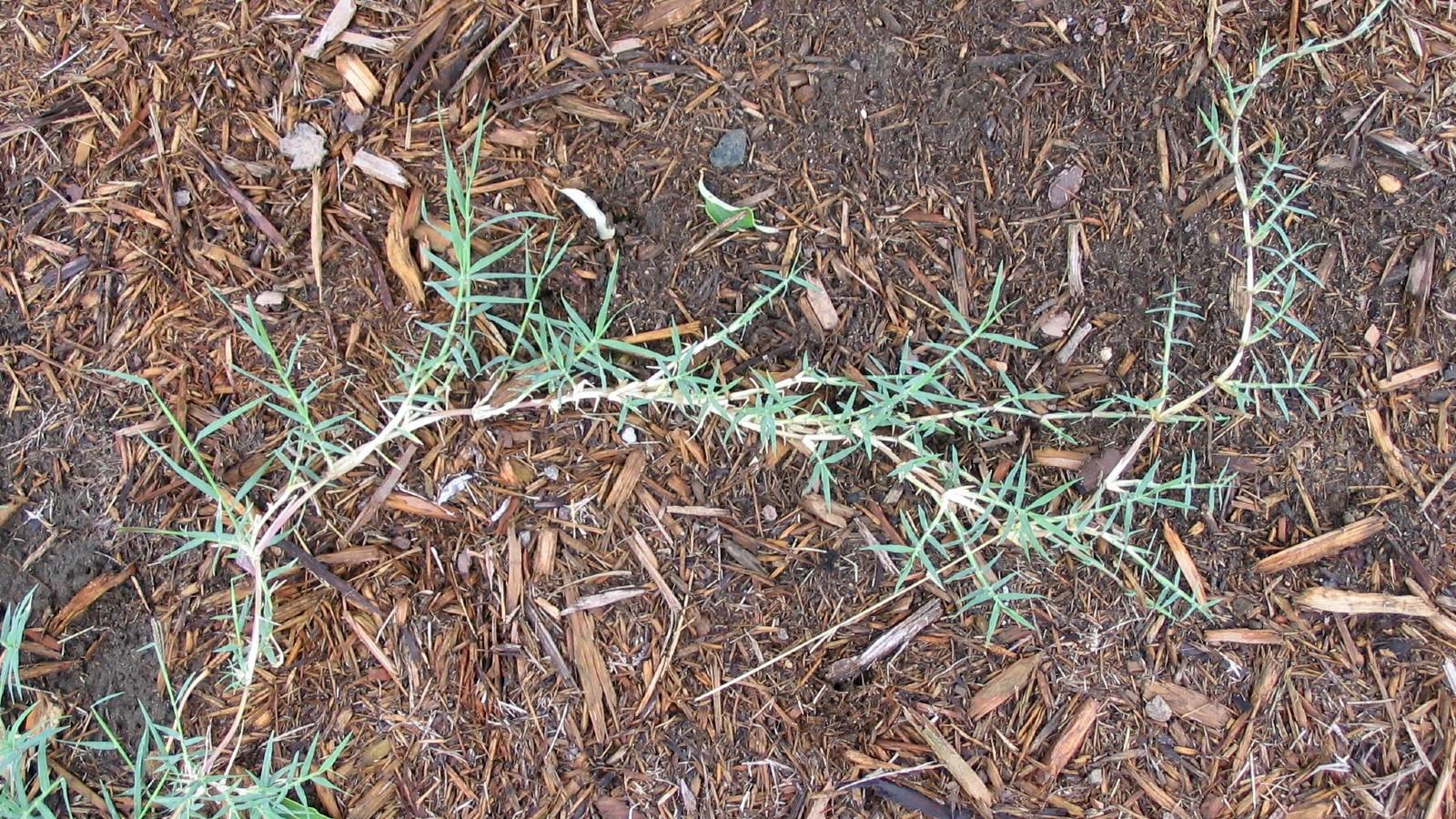
Runners are long stems that grow above the soil. They spread out from the main plant. New grass shoots grow from these runners. This helps Bermuda grass spread over large areas.
How Bermuda Grass Uses Runners To Spread
The runners grow horizontally across the soil. They root at nodes, creating new grass plants. This process forms a dense, green carpet of grass. It helps the lawn recover from damage quickly.
Growth Rate Of Bermuda Grass Runners
Bermuda grass runners grow fast in warm weather. They can extend several inches each week. This rapid growth fills gaps in the lawn quickly. It also helps control weeds by crowding them out.
Care Tips For Healthy Bermuda Grass Growth
Water Bermuda grass deeply but less often. Mow regularly to keep it dense and even. Fertilize during the growing season for best results. These steps support runner growth and lawn health.
Credit: extension.umd.edu
What Are Runners In Grass?
Runners in grass are special stems that help the grass spread across the ground. These stems grow horizontally, just under or above the soil surface. They create new grass plants at nodes, which are points along the runner. This allows the grass to cover more area quickly and form a dense lawn.
Runners also help grass recover from damage. If part of the lawn is harmed, runners can grow new shoots to fill empty spaces. This makes grass with runners very good at self-repair and spreading.
What Are Stolons?
Stolons are a type of runner that grows above the ground. They stretch out from the main grass plant and produce new roots and shoots at nodes. Stolons help grass spread fast and cover bare spots.
What Are Rhizomes?
Rhizomes are runners that grow underground. They spread sideways beneath the soil and send up new shoots. Rhizomes also help grass survive tough conditions by storing nutrients.
Why Do Some Grasses Have Runners?
Grasses with runners spread easily and form thick lawns. They compete well with weeds and resist soil erosion. Runners also help grass fill empty spaces after damage.
Bermuda Grass And Stolons
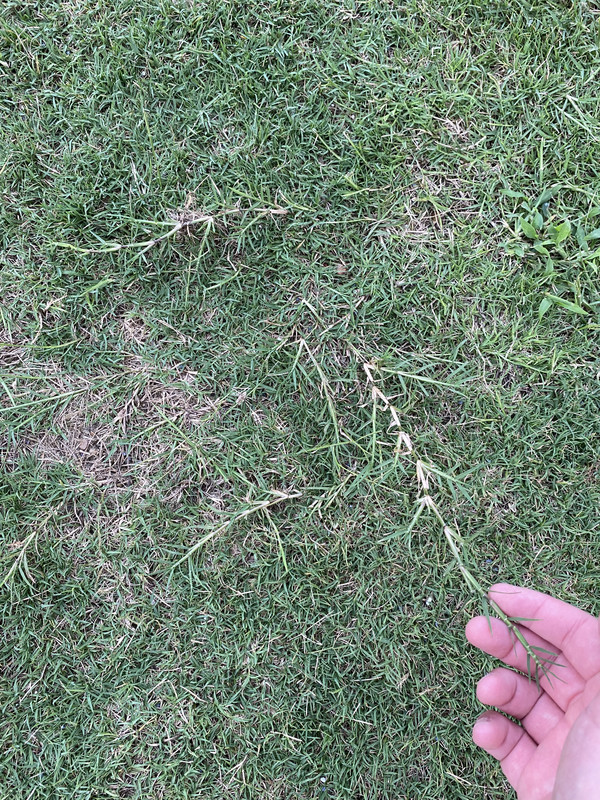
Bermuda grass spreads quickly across lawns and fields. It uses special stems called stolons to grow new plants. Stolons help the grass cover large areas fast. These stems run above the ground and root at nodes. This growth method makes Bermuda grass strong and dense.
Stolons differ from other grass parts. They are thin and long. Stolons stretch out horizontally, creating new shoots. These shoots take root and form new grass plants. This process allows Bermuda grass to fill bare spots easily.
Bermuda Grass Stolons Explained
Stolons are horizontal stems growing above soil. They connect the main plant to new shoots. Each node on a stolon can grow roots and leaves. This helps the grass spread quickly across the ground. Stolons are vital for lawn repair and growth.
How Stolons Help Bermuda Grass Spread
Stolons extend the grass’s reach by growing sideways. They root at points touching the soil. New plants grow from these roots and shoots. This method helps Bermuda grass cover wide areas fast. It also helps the grass recover from damage.
Stolons Vs. Rhizomes In Bermuda Grass
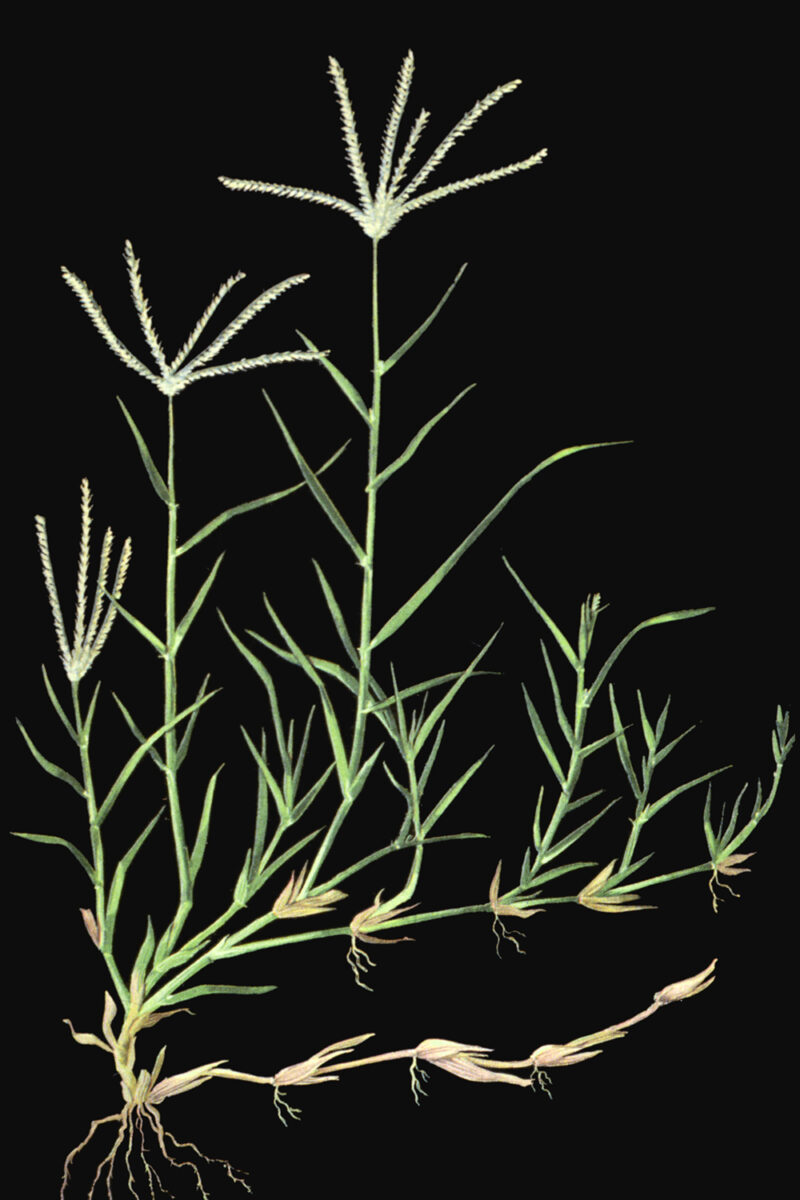
Bermuda grass has both stolons and rhizomes. Stolons run above the ground, rhizomes run underground. Both help the grass spread and grow. Stolons make the surface dense, rhizomes strengthen the roots below. Together, they make Bermuda grass very hardy.
Credit: www.thelawnforum.com
Rhizomes: Another Growth Method
Bermuda grass spreads through two main methods. One is runners, called stolons. The other is rhizomes. Rhizomes are underground stems. They grow horizontally below the soil surface.
These stems produce new shoots and roots. This helps Bermuda grass fill bare spots. Rhizomes allow the grass to spread quietly and steadily. They make the lawn thicker and stronger over time.
What Are Rhizomes?
Rhizomes are thick, root-like stems. They grow underground and spread out in many directions. Each rhizome can produce new grass shoots. This helps Bermuda grass cover large areas fast.
How Rhizomes Help Bermuda Grass
Rhizomes help Bermuda grass survive harsh conditions. They store nutrients and water underground. This helps the grass regrow after drought or damage. Rhizomes also repair spots where grass dies.
Rhizomes Vs. Runners
Runners grow above the ground. Rhizomes grow below the ground. Both spread Bermuda grass, but in different ways. Rhizomes make the lawn denser and more durable.
How Bermuda Grass Spreads
Bermuda grass spreads quickly across lawns and fields. It uses special parts to grow new plants from the original. This helps it cover large areas fast. Understanding how it spreads can help you care for your lawn better.
Role Of Stolons
Stolons are above-ground runners that grow out from the main plant. They stretch across the soil surface and produce new shoots. These shoots take root and form new grass plants. Stolons help Bermuda grass spread sideways quickly. They create a dense and even turf over time.
Role Of Rhizomes
Rhizomes are underground stems that grow horizontally. They send up new shoots from under the soil. Rhizomes allow Bermuda grass to survive tough conditions like drought or mowing. They also help the grass fill in bare spots. Together with stolons, rhizomes make Bermuda grass strong and persistent.
Benefits Of Runners In Turf
Runners in turf grass play a key role in lawn health and growth. These horizontal stems spread across the soil surface. They help grass cover bare spots quickly. This makes the lawn denser and stronger.
Runners also help turf resist weeds. They fill gaps where weeds might grow. This natural defense keeps the lawn looking green and clean. Turf with runners recovers fast from damage too.
Improved Lawn Coverage
Runners spread grass over a wide area fast. This helps fill empty patches without extra seeds. A fuller lawn looks better and feels softer underfoot.
Enhanced Soil Protection
Grass runners protect soil from erosion. They hold soil firmly in place during rain. This stops dirt from washing away and keeps the ground stable.
Faster Recovery From Damage
Lawns with runners heal quickly after being walked on. The runners grow new shoots that cover damage. This keeps the lawn healthy and green all year.
Natural Weed Control
Runners block space for weeds to grow. They make it hard for weeds to find room. This reduces the need for chemical weed killers.
Caring For Bermuda Grass Runners
Caring for Bermuda grass runners helps your lawn grow thick and healthy. These runners spread quickly, filling bare spots with new grass. Proper care keeps the runners strong and active.
Focus on watering, mowing, and fertilization to support runner growth. Each step helps the grass stay green and dense. Healthy runners improve lawn durability and appearance.
Watering Tips
Bermuda grass needs deep watering to grow strong runners. Water the lawn about 1 inch per week. Early morning watering reduces evaporation and disease risk. Avoid frequent shallow watering to prevent weak roots.
Mowing Practices
Keep mower blades sharp for clean cuts. Mow Bermuda grass to a height of 1 to 2 inches. Regular mowing encourages the runners to spread evenly. Remove no more than one-third of the grass height at once.
Fertilization
Apply fertilizer during the growing season to support runner growth. Use a nitrogen-rich fertilizer for best results. Follow the recommended amounts to avoid burning the grass. Fertilizing every 6 to 8 weeks keeps runners healthy.
Common Issues With Bermuda Grass Spread
Bermuda grass is popular for lawns and sports fields because it spreads fast. This spreading happens through runners called stolons and rhizomes. While this helps fill empty spots, it also causes some common problems. Understanding these issues can help manage Bermuda grass better.
Invasive Growth
Bermuda grass grows quickly and spreads beyond its intended area. It can invade flower beds, gardens, and neighboring lawns. This aggressive growth makes it hard to control. It often crowds out other plants and reduces biodiversity. Regular trimming and barriers help limit its spread. Without control, Bermuda grass can take over large spaces.
Pest Problems
Bermuda grass attracts various pests that damage its runners and leaves. Grubs, armyworms, and mites often attack the grass. These pests weaken the grass and create brown patches. Treating the lawn early helps prevent serious damage. Healthy grass resists pests better and recovers faster. Ignoring pest problems can lead to costly lawn repairs.
Comparing Bermuda Grass To Other Turfgrasses
Bermuda grass stands out for its ability to spread quickly across lawns. It uses runners, also called stolons, to cover the ground fast. These runners help the grass form a thick, green carpet that resists weeds well.
Other common turfgrasses use different methods to grow and spread. This affects how lawns look and how easy they are to maintain. Understanding these differences helps in choosing the right grass for your yard.
Bermuda Grass Growth Through Runners
Bermuda grass spreads by sending out runners above the soil. These runners root at nodes and create new grass plants. This growth style makes Bermuda grass very tough and fast at filling empty spaces.
Kentucky Bluegrass And Its Rhizomes
Kentucky Bluegrass grows using rhizomes. These are underground stems that spread horizontally. Rhizomes help the grass recover from damage but grow slower than Bermuda runners.
St. Augustine Grass And Its Thick Stolons
St. Augustine grass also spreads with stolons but they are thicker and slower. This grass prefers shade and moist soils. It does not form as dense a lawn as Bermuda grass.
Zoysia Grass And Its Slow Spreading Nature
Zoysia grass spreads through both stolons and rhizomes. It grows slower than Bermuda but forms a very dense turf. Zoysia is good for high-traffic areas but takes longer to fill bare spots.
Credit: www.sare.org
Frequently Asked Questions
Does Bermuda Grass Spread Through Runners?
Yes, Bermuda grass spreads via runners called stolons. These above-ground stems help it quickly cover soil and fill in bare spots.
How Fast Does Bermuda Grass Spread Runners?
Bermuda grass runners can spread rapidly in warm weather. Under optimal conditions, it can cover large areas within weeks.
Can Runners Of Bermuda Grass Survive Winter?
Bermuda grass runners die back in cold winters but regrow from underground rhizomes. It is a warm-season grass.
Are Bermuda Grass Runners Invasive In Lawns?
Yes, Bermuda grass runners can be invasive. They spread aggressively and may crowd out other grass types and plants.
Conclusion
Bermuda grass spreads quickly through runners called stolons and rhizomes. These runners help it cover ground fast and fill bare spots. This growth method makes Bermuda grass great for lawns and sports fields. Knowing about runners helps you manage your grass better.
You can control its spread or encourage growth where needed. Bermuda grass’s ability to spread makes it strong and resilient. This trait suits many outdoor areas well. Understanding runners gives you an advantage in lawn care. Keep this in mind for a healthy, green lawn.
