

Yes, Bermuda grass comes in two main types: common and hybrid. Common Bermuda is affordable and hardy, suited for basic lawns, while hybrid varieties like Tifway and TifTuf offer finer texture, richer color, and improved drought resistance. Choosing the right type depends on your lawn’s needs and care routine.
Yes, there are different types of Bermuda grass, and each one performs differently in home lawns, sports fields, golf courses, and dry climates.
There are two main groups of Bermuda grass: common Bermuda and hybrid Bermuda. Common Bermuda is usually grown from seed and works well for basic lawns. Hybrid Bermuda varieties, such as Tifway, TifTuf, and Celebration, are denser, finer-textured, and often better for high-quality lawns, sports turf, and drought-prone areas.
The best Bermuda grass type depends on your weather, sunlight, soil, traffic level, and how much maintenance you want to do. Common Bermuda is affordable and tough, while hybrid varieties like Tifway and TifTuf usually offer better color, density, and drought performance.
The right type of Bermuda grass can save you time, money, and frustration. You’ll discover the main types of Bermuda grass, what makes each unique, and which one might be the best fit for your yard. Keep reading to find out how to get the healthiest, greenest lawn possible.
Bermuda Grass Varieties
Bermuda grass varieties are not all the same. Some are better for low-cost lawn establishment, while others are bred for darker color, finer blades, better drought tolerance, or stronger traffic recovery.
Common Bermuda Grass
Common Bermuda grass is the traditional seeded type. It grows aggressively in full sun, spreads through stolons and rhizomes, and recovers well from wear. It is a good choice for large lawns, pastures, utility areas, and budget-friendly planting.
The downside is that common Bermuda can look coarser than improved hybrid varieties. It may also produce more seed heads and may not create the same dense, manicured look as premium turf types.
Hybrid Bermuda Grass
Hybrid Bermuda grass is developed by crossing selected Bermuda varieties for better lawn quality. These grasses usually have finer blades, darker green color, thicker growth, and stronger wear tolerance than common Bermuda.
Most hybrid Bermuda grasses are installed by sod, plugs, or sprigs because many do not produce usable seed. They are popular for golf courses, athletic fields, and homeowners who want a cleaner, more uniform lawn.
Tifway Bermuda Grass
Tifway 419 is one of the most widely used hybrid Bermuda grasses. It has a fine texture, dense growth, and good traffic tolerance. It works well for sunny home lawns, sports fields, and golf course fairways.
Tifway needs regular mowing, fertilizing, and full sun to look its best. It is a strong choice if you want a high-quality lawn and do not mind more maintenance.
TifTuf Bermuda Grass
TifTuf Bermuda is known for excellent drought tolerance. It can stay green with less water than many older Bermuda types, making it useful in hot areas or places with watering restrictions.
It also has good traffic tolerance and a dense appearance. TifTuf is a strong option for homeowners who want a premium Bermuda lawn with better water efficiency.
Celebration Bermuda Grass
Celebration Bermuda is another popular improved variety. It has a blue-green color, good density, and better shade tolerance than many Bermuda grasses. It still needs plenty of sunlight, but it may perform better in lawns with light partial shade.
Princess 77 Bermuda Grass
Princess 77 is an improved seeded Bermuda grass. It offers a finer texture and better appearance than basic common Bermuda while still allowing establishment from seed. It can be a good middle-ground choice for homeowners who want better turf quality without using sod.
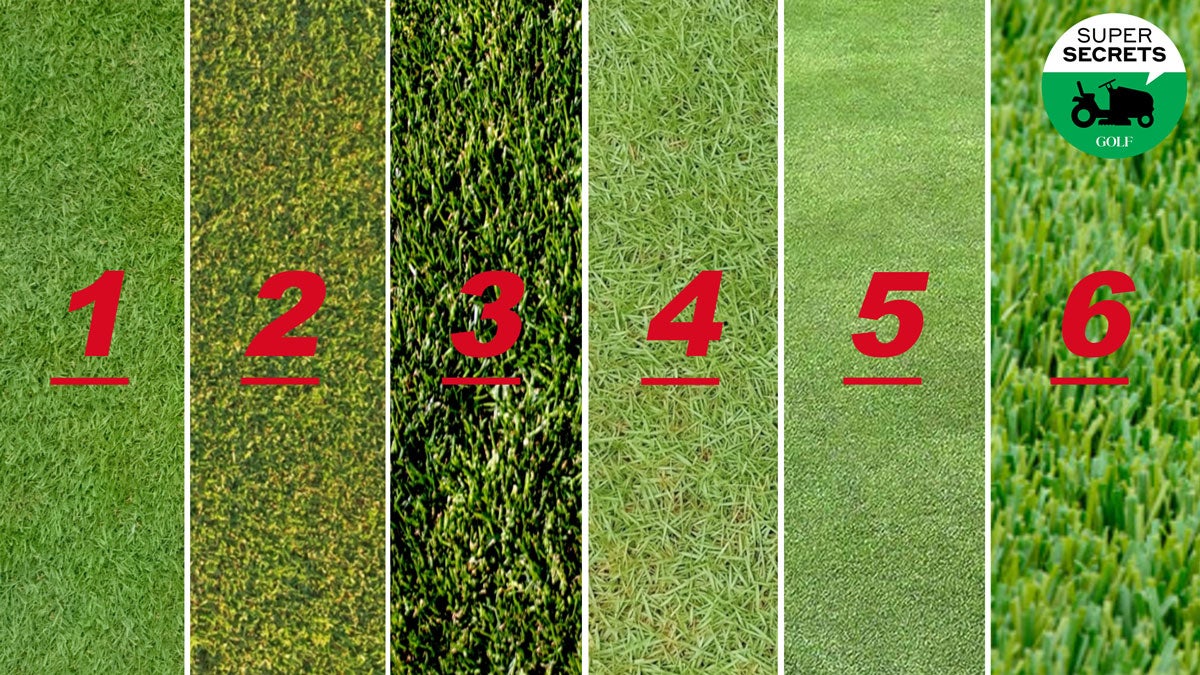
Credit: golf.com
Bermuda Grass Types Comparison
| Type | Best For | Texture | Maintenance | Planting Method |
|---|---|---|---|---|
| Common Bermuda | Budget lawns, large areas | Medium to coarse | Moderate | Seed |
| Tifway 419 | Premium lawns, sports fields | Fine | High | Sod, plugs, sprigs |
| TifTuf | Drought-prone lawns | Fine | Moderate to high | Sod, plugs, sprigs |
| Celebration | Light shade, dense lawns | Fine to medium | Moderate | Sod, plugs, sprigs |
| Princess 77 | Improved seeded lawns | Fine | Moderate | Seed |
Characteristics Of Each Type
Bermuda grass comes in different types, each with unique traits. Knowing these helps you pick the best for your lawn or garden. The traits affect how the grass grows, handles weather, and stands up to use.
Growth Patterns
Some Bermuda grass types spread fast with runners. Others grow slower and stay denser. This affects how quickly the grass fills an area. Faster growth types cover bare spots well. Slower types need less mowing.
Drought Tolerance
All Bermuda grasses resist dry conditions. Some types survive longer without water. These types stay green even in droughts. Others need more water to look healthy. Choose based on your local rainfall.
Shade Tolerance
Bermuda grass prefers sun but some types handle shade better. Shade-tolerant types grow in partial sun or light shade. Other types may thin out in shaded spots. Match the type to your lawn’s sunlight.
Wear Resistance
Bermuda grass is tough and handles foot traffic well. Some types are extra strong and recover fast from damage. Others may wear down with heavy use. Pick strong types for sports fields or busy yards.
Choosing The Best Bermuda Grass
Choosing the best Bermuda grass means finding the right fit for your yard and climate. Different types of Bermuda grass thrive under different conditions. Knowing these differences helps you pick a grass that grows well and stays healthy.
Consider your local climate, soil type, and how much care you can give. Also, think about what you want from your lawn. These factors guide you to the best Bermuda grass variety.
Climate Considerations
Bermuda grass grows best in warm, sunny places. It handles heat and drought well. Some types tolerate cold better than others. Choose a variety that matches your local weather. This helps your lawn stay green longer.
Soil Requirements
Bermuda grass prefers well-drained soil. Sandy or loamy soils work best. Clay soils may need improvement before planting. Test your soil’s pH level. Most Bermuda grasses like a pH between 5.8 and 7.0. This helps the grass absorb nutrients well.
Maintenance Needs
Some Bermuda grass types need more care. Regular mowing keeps the lawn neat. Watering depends on your climate and soil. Fertilize to keep the grass healthy. Choose a variety that fits your time and effort for yard work.
Purpose And Usage
Think about how you use your lawn. Some Bermuda grasses handle heavy foot traffic better. Others are better for golf courses or sports fields. Pick a type that suits your yard’s main purpose. This keeps your lawn looking good and lasting long.

Credit: www.youtube.com
Planting And Care Tips
Bermuda grass thrives with proper planting and care. Understanding the best methods helps your lawn grow healthy and strong. Follow simple steps for great results.
Seeding Vs. Sodding
Seeding Bermuda grass is cost-effective and allows for large areas. It takes longer to establish but lets roots grow deep. Sodding provides instant green coverage. It is best for quick results and erosion control. Choose seeding for budget and sodding for speed.
Watering Guidelines
Water Bermuda grass deeply but less often. Aim for about one inch of water weekly. Early morning watering reduces evaporation. Avoid overwatering to prevent disease and weak roots. Consistent moisture helps grass stay green and healthy.
Fertilization Schedule
Feed Bermuda grass regularly during the growing season. Use a balanced fertilizer with nitrogen, phosphorus, and potassium. Apply fertilizer every six to eight weeks. Follow package instructions for amounts. Proper feeding boosts growth and color.
Mowing Practices
Keep Bermuda grass cut short for best health. Mow between one and two inches high. Frequent mowing encourages dense growth and reduces weeds. Use sharp mower blades to avoid tearing. Remove clippings to prevent thatch buildup.

Credit: thegrassstore.com
Frequently Asked Questions
What Are The Common Types Of Bermuda Grass?
Common Bermuda grass types include Common Bermuda, Hybrid Bermuda, and Tifway. Each varies in texture, color, and durability, suited for lawns, sports fields, and golf courses.
How Do Hybrid Bermuda Grasses Differ From Common Types?
Hybrid Bermuda grasses are bred for finer texture and denser growth. They are more drought-resistant and require higher maintenance than common Bermuda grass.
Can Bermuda Grass Types Tolerate Cold Weather?
Most Bermuda grass types prefer warm climates. Some hybrids tolerate mild cold but generally go dormant in winter, turning brown until warmer weather returns.
Which Bermuda Grass Type Is Best For Home Lawns?
Tifway and other hybrid Bermudas are ideal for home lawns. They offer a lush, green appearance and better wear resistance than common Bermuda grass.
Conclusion
Bermuda grass comes in several types, each with unique traits. Some types grow quickly and fill in bare spots fast. Others handle shade or drought better. Choosing the right type helps your lawn stay green and healthy. Knowing the differences makes lawn care easier.
You can enjoy a beautiful yard all year long. Simple care and the right grass type make a big difference. Your lawn will thank you for the right choice.
