


Are you wondering when your Bermuda grass will start growing again? Knowing the right time can help you plan your lawn care and enjoy a lush, green yard.
Bermuda grass has its own growth schedule, and getting it right means a healthier, thicker lawn. You’ll discover exactly when Bermuda grass begins to grow and what you can do to support its growth. Keep reading to make your lawn the envy of your neighborhood!
Credit: agrilifeextension.tamu.edu
Bermuda Grass Growth Cycle
Bermuda grass has a unique growth cycle that adapts to changing seasons. Understanding this cycle helps maintain a healthy lawn. The grass grows actively during warm months and slows down in cold weather. Knowing its patterns supports better care and watering schedules.
Seasonal Growth Patterns
Bermuda grass starts growing in spring as temperatures rise. It grows fast during summer, reaching its peak. Growth slows in fall and stops in winter. The grass becomes dormant when cold weather sets in. This cycle repeats every year.
Ideal Temperature Range
Bermuda grass grows best between 75°F and 95°F. Growth slows below 60°F and stops near 50°F. Warm soil encourages root and blade development. Cold soil keeps the grass in dormancy. Maintaining these temperatures helps keep Bermuda grass lush.
Signs Of Bermuda Grass Growth
Bermuda grass shows clear signs when it starts to grow. Watching for these signs helps you know the right time to care for your lawn. Early growth means the grass is waking up from winter rest. It begins to spread and turn green again. Knowing these signs lets you prepare for mowing and watering at the right time.
Understanding soil conditions also plays a key role. The soil must be warm and moist for Bermuda grass to grow well. Observing these clues can improve your lawn care routine. It helps keep the grass healthy and thick all season.
Early Sprouting Indicators
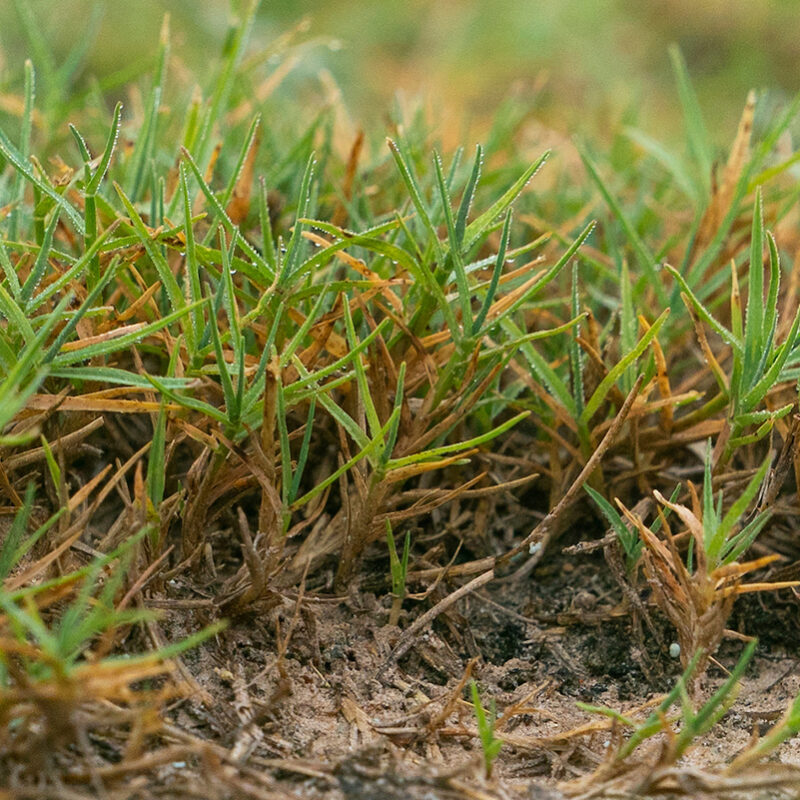
New green shoots appear on the ground’s surface. These shoots are thin and soft at first. Small patches of green start to spread across brown areas. Grass blades grow slowly but steadily. The ground feels softer where the grass grows. You may see tiny roots if you gently lift the soil. These signs mean Bermuda grass is active again.
Soil Temperature And Moisture
Soil temperature needs to reach about 65°F (18°C) for growth. Warm soil helps seeds germinate and roots develop. Moist soil is just as important as warmth. Dry soil can stop the grass from growing. Check soil moisture by touching the dirt. It should feel damp but not soggy. Proper temperature and moisture create the perfect environment for growth.
Preparing Soil For Growth
Preparing the soil is key before planting Bermuda grass. Healthy soil helps the grass grow strong and green. Good soil allows roots to spread and take in water and nutrients easily. Start early to give your Bermuda grass the best chance to thrive.
Soil Testing And Amendments
Test the soil to know its pH and nutrient levels. Bermuda grass grows best in soil with a pH between 5.8 and 7.0. Use a soil test kit or send samples to a lab. Add lime to raise pH or sulfur to lower it if needed.
Apply fertilizers based on the soil test results. Add nitrogen, phosphorus, and potassium to boost growth. Mix amendments well into the soil for even distribution. This step helps create a balanced environment for Bermuda grass roots.
Proper Aeration Techniques
Aeration improves soil structure and helps roots breathe. It reduces soil compaction and allows water to reach deeper layers. Use a core aerator to remove small plugs of soil. Avoid spike aerators as they can worsen compaction.
Aerate the soil before planting Bermuda grass. This process makes it easier for new roots to grow strong. Water the soil after aeration to help settle the plugs and reduce air pockets. Well-aerated soil supports healthy Bermuda grass growth.
Planting And Seeding Tips
Starting Bermuda grass right makes a big difference. Good planting and seeding help the grass grow strong and healthy. Knowing the right time and choosing the best seed are key steps. These tips help your lawn look great faster and stay green longer.
Best Time To Plant
Plant Bermuda grass in late spring or early summer. Soil temperature should be at least 65°F. Warm soil helps the seeds sprout quickly. Avoid planting in cold or wet soil. The grass grows best in warm weather with plenty of sunlight. Early planting gives the grass time to grow before cooler weather.
Seed Selection And Quality
Choose high-quality Bermuda grass seed for better growth. Look for seeds that are fresh and clean. Check the seed label for purity and germination rates. Higher germination means more seeds will grow into plants. Use certified seeds to avoid weeds and poor-quality grass. Good seeds lead to a thicker and healthier lawn.
Watering For Healthy Growth
Water plays a key role in helping Bermuda grass grow strong and green. Proper watering supports root development and keeps the grass healthy. It helps the grass survive dry spells and reduces stress from heat.
Watering should be balanced to give enough moisture without causing problems. The right amount of water encourages deep roots. Deep roots make the lawn more drought-resistant and lush.
Watering Frequency
Water Bermuda grass about 1 to 1.5 inches per week. This can be done in one or two sessions. Early morning watering is best. It reduces evaporation and allows grass to dry during the day. Avoid watering in the evening to prevent fungus growth. Adjust watering based on weather and soil type.
Avoiding Overwatering
Too much water can harm Bermuda grass. It causes roots to rot and invites pests. Watch for soggy soil or standing water. Cut back on watering if grass looks yellow or weak. Use a rain gauge to measure rainfall and adjust watering. Good drainage helps prevent overwatering issues.
Credit: www.sare.org
Fertilizing Bermuda Grass
Fertilizing Bermuda grass is key to a healthy, green lawn. Proper feeding helps the grass grow strong and resist weeds. Knowing the right type and timing of fertilizer improves growth. Nutrient management keeps your lawn balanced and thriving.
Fertilizer Types And Timing
Use fertilizers with nitrogen for Bermuda grass. Nitrogen promotes green, dense growth. Apply fertilizer in spring, when grass starts growing. A second application in summer boosts growth further. Avoid fertilizing in fall or winter. The grass slows down then and won’t absorb nutrients well.
Nutrient Management
Test your soil before fertilizing. This shows what nutrients your lawn needs. Nitrogen, phosphorus, and potassium are important. Too much fertilizer can harm the grass. Follow the recommended amounts on the fertilizer package. Water the lawn after applying fertilizer. This helps nutrients soak into the soil. Proper nutrient balance leads to a strong, green Bermuda lawn.
Mowing Practices
Mowing Bermuda grass properly helps it grow strong and healthy. Good mowing habits keep the lawn neat and prevent stress. Understanding the right height and how often to mow supports vibrant green grass. These simple steps help Bermuda grass flourish during its growing season.
Optimal Mowing Height
Keep Bermuda grass between 1 and 2 inches tall. This height allows sunlight to reach the roots. Shorter grass may dry out quickly. Taller grass can become weak and patchy. Adjust the mower blades to keep the height steady. Consistent height helps Bermuda grass grow thick and dense.
Mowing Frequency
Mow Bermuda grass once a week during active growth. Frequent mowing encourages new shoots to form. Avoid cutting more than one-third of the grass blade at a time. This prevents stress and keeps the lawn healthy. Slow growth in cooler months means less mowing is needed. Watch the grass and mow when it reaches the right height.
Common Challenges
Bermuda grass grows fast in warm weather, but it faces common challenges. These problems can slow growth or damage the lawn. Understanding these issues helps keep Bermuda grass healthy and green.
Dealing With Weeds
Weeds compete with Bermuda grass for water and nutrients. They can quickly take over bare spots. Removing weeds early helps Bermuda grass grow strong. Using a pre-emergent herbicide stops weed seeds from sprouting. Hand-pulling weeds also keeps the lawn clean. Regular mowing prevents weeds from spreading seeds.
Pest And Disease Control
Pests like grubs and armyworms eat Bermuda grass roots and leaves. These bugs cause brown patches and weak grass. Applying insecticides at the right time reduces pest damage. Diseases such as leaf spot and dollar spot can harm the lawn. Proper watering and good air flow prevent disease growth. Removing infected grass stops diseases from spreading.
Maintaining A Lush Lawn Year-round
Maintaining a lush Bermuda grass lawn all year needs steady care. This grass type grows best in warm weather. Still, it can stay green and healthy with the right steps in every season.
Knowing how to care for Bermuda grass during different times of the year helps keep it thick and green. Simple habits can protect the grass and help it grow strong.
Seasonal Care Tips
Spring is the time to start mowing often. Keep blades sharp to avoid tearing the grass. Water the lawn deeply but less often to encourage strong roots.
During summer, water early in the morning to reduce evaporation. Avoid watering late at night to prevent disease. Fertilize with nitrogen to support growth and color.
Fall calls for less mowing. Lower water amounts as growth slows. Apply a balanced fertilizer to prepare the grass for winter.
In winter, Bermuda grass goes dormant and turns brown. Avoid heavy foot traffic to prevent damage. Do not fertilize or water too much at this time.
Long-term Lawn Health
Keep soil healthy by testing pH levels every few years. Bermuda grass prefers slightly acidic to neutral soil. Adjust soil with lime or sulfur as needed.
Control weeds early to stop them from spreading. Use herbicides carefully to protect the grass. Aerate the lawn once a year to improve air and water flow to roots.
Regularly remove thatch buildup. Thatch blocks water and nutrients from reaching roots. Rake or use a dethatching tool in spring or fall for best results.
Credit: hgic.clemson.edu
Frequently Asked Questions
When Does Bermuda Grass Typically Begin Growing?
Bermuda grass usually starts growing in late spring when soil temperatures reach 65°F (18°C). Growth accelerates as temperatures rise above this point.
What Temperature Triggers Bermuda Grass Growth?
Bermuda grass growth begins when soil temperatures consistently hit 65°F or higher. Warm weather is essential for its active growth.
How Long Does Bermuda Grass Growth Last?
Bermuda grass grows actively from late spring through early fall. Growth slows down as temperatures drop below 65°F in autumn.
Does Bermuda Grass Grow In Cooler Climates?
Bermuda grass prefers warm climates and may struggle in cooler areas. It goes dormant in cold weather to survive winter.
Conclusion
Bermuda grass usually starts growing when temperatures warm up. You can expect new growth in late spring or early summer. Warm soil helps the grass sprout quickly and stay green. Regular watering and sunlight boost healthy growth. Watch for signs like green shoots and soft blades.
Taking care early means a thick, lush lawn later. Keep your grass trimmed and healthy for best results. Patience pays off with Bermuda grass’s steady growth. Your lawn will reward you with vibrant green color soon.
